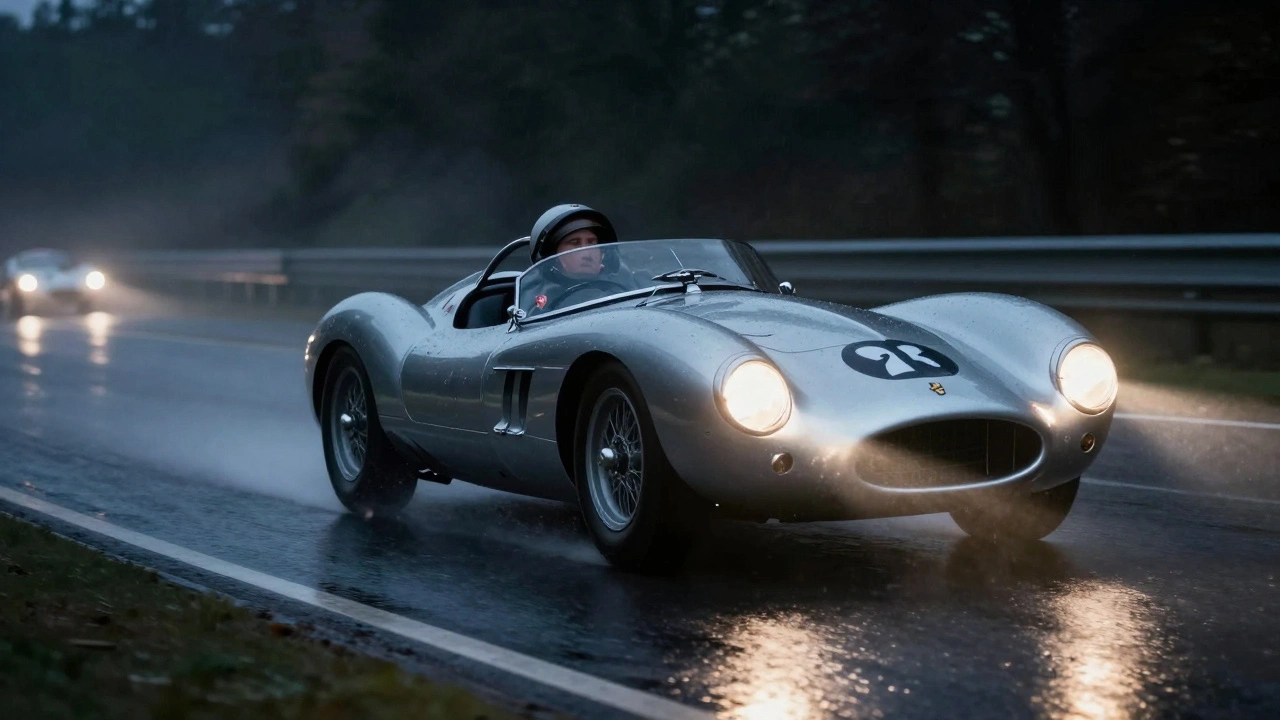
The Jaguar C-Type revolutionized car design by using aerospace monocoque engineering, cutting weight and boosting performance. Its Le Mans wins proved that fighter plane tech could dominate the road-and changed cars forever.
The Jaguar C-Type revolutionized car design by using aerospace monocoque engineering, cutting weight and boosting performance. Its Le Mans wins proved that fighter plane tech could dominate the road-and changed cars forever.
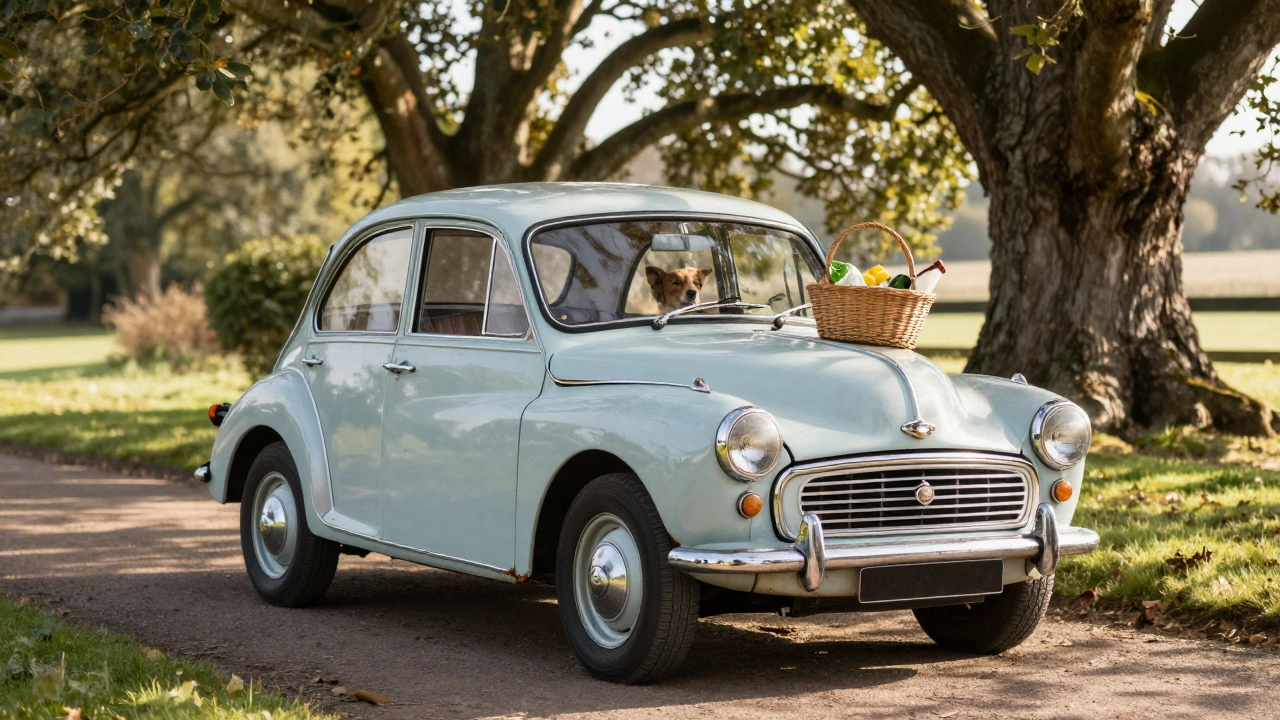
British family cars like the Morris Minor, Austin Metro, and MG MGB still make sense today-not for their speed or safety, but for their simplicity, character, and affordability. They’re not perfect, but they’re unforgettable.
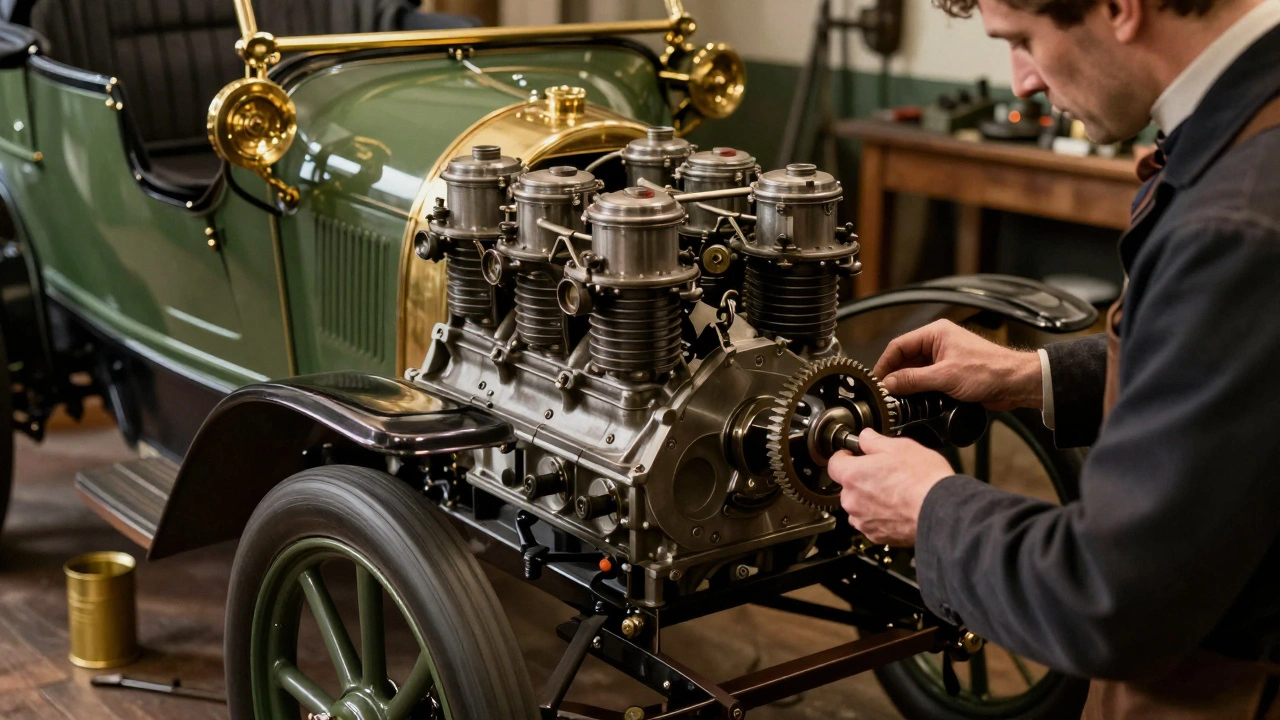
Argyll, Lanchester, and Stephens were three British pioneers who shaped early car design in the 1890s. Their competing visions - precision, smoothness, and affordability - laid the foundation for modern automotive engineering.
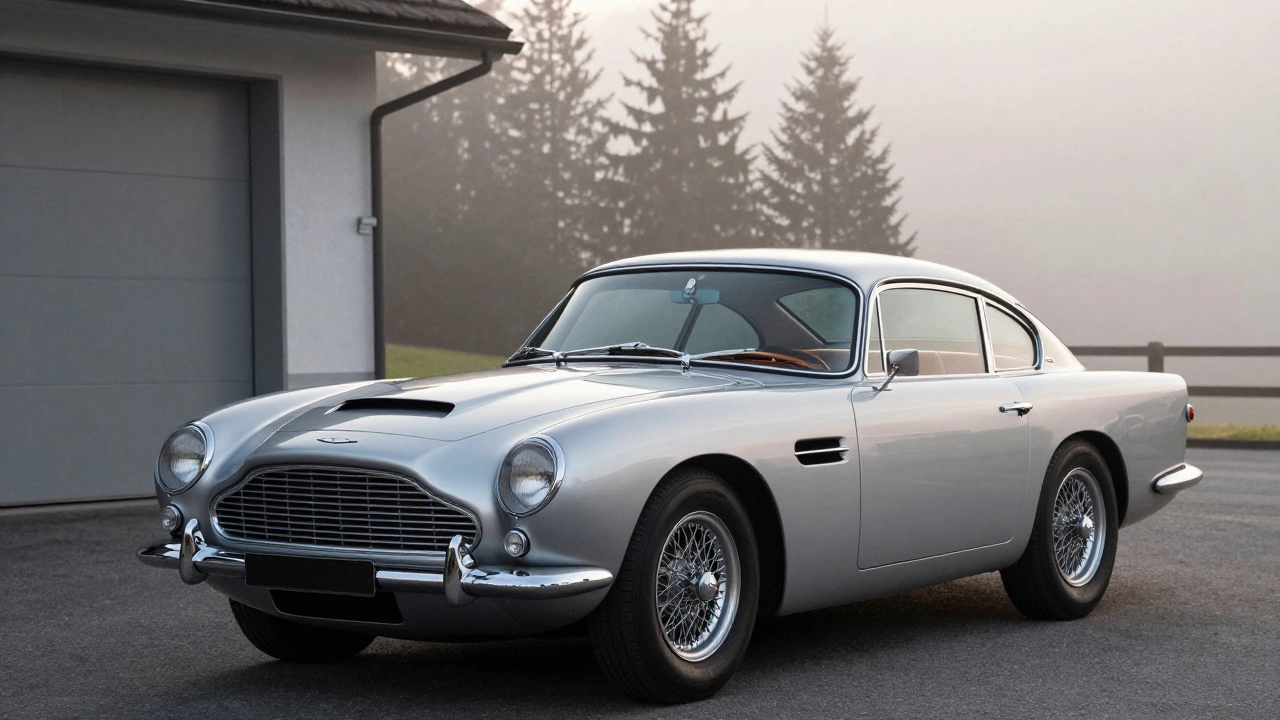
The Aston Martin DB5 became a global icon not for its speed or luxury, but because it was James Bond's car. From Goldfinger to Skyfall, this British GT turned fiction into legend - and still commands millions today.

Geely's investment in Lotus didn't erase British engineering-it amplified it. From the Hethel factory, a new generation of lightweight electric cars is proving innovation thrives when global resources meet local expertise.
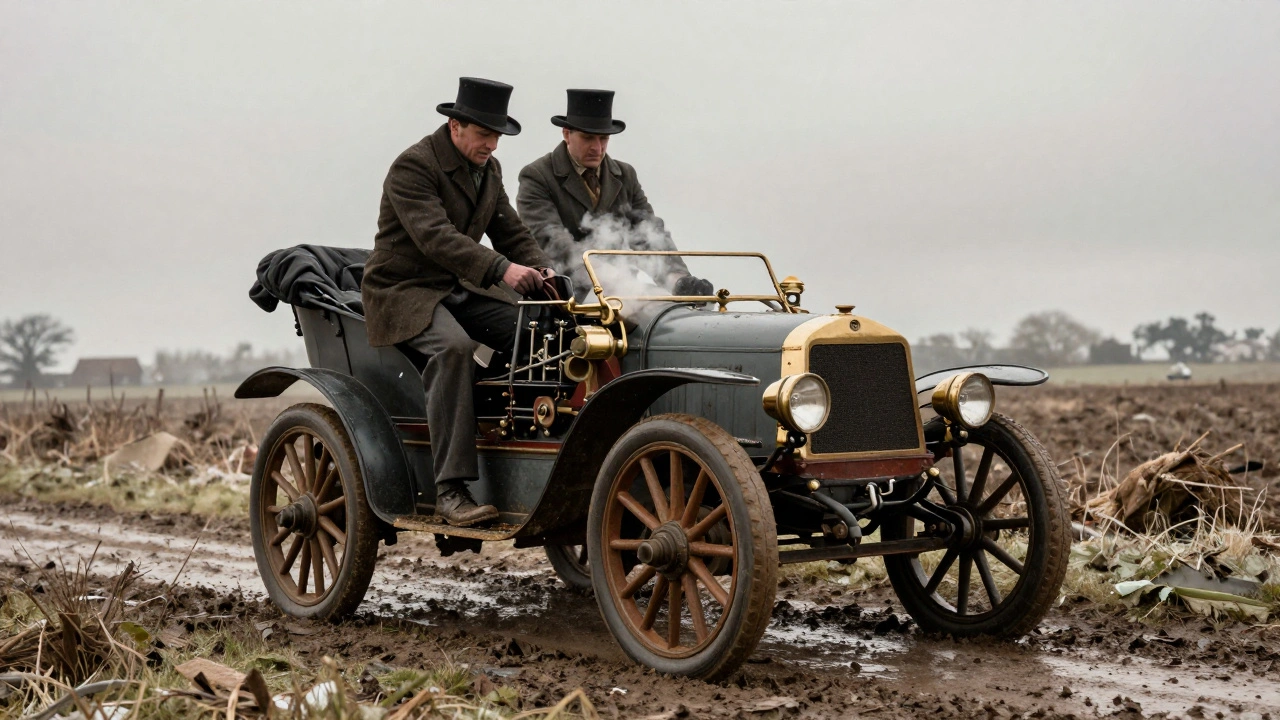
In 1895, Evelyn Ellis drove a Daimler-Engined Panhard over 1,000 miles across Britain, proving that early cars could handle real roads. His journey helped change public opinion and paved the way for modern motoring.
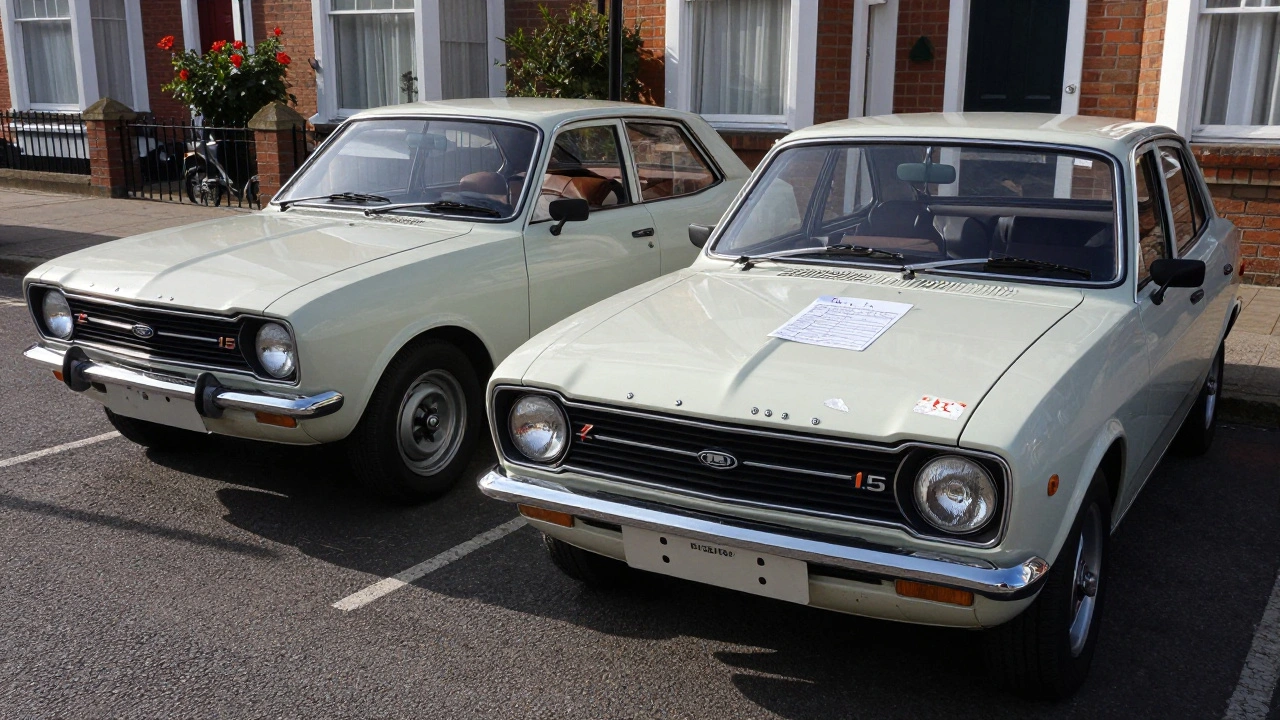
UK tax and insurance policies shaped family car design for decades, pushing manufacturers to build smaller, lighter, and cheaper-to-insure vehicles. This legacy still affects car sizes and features today.

UK regulations have reshaped British cars in every way - from safety features and emissions to trade limits. Today’s models are safer and cleaner, but less distinctive. Here’s how policy, not passion, now drives British car design.
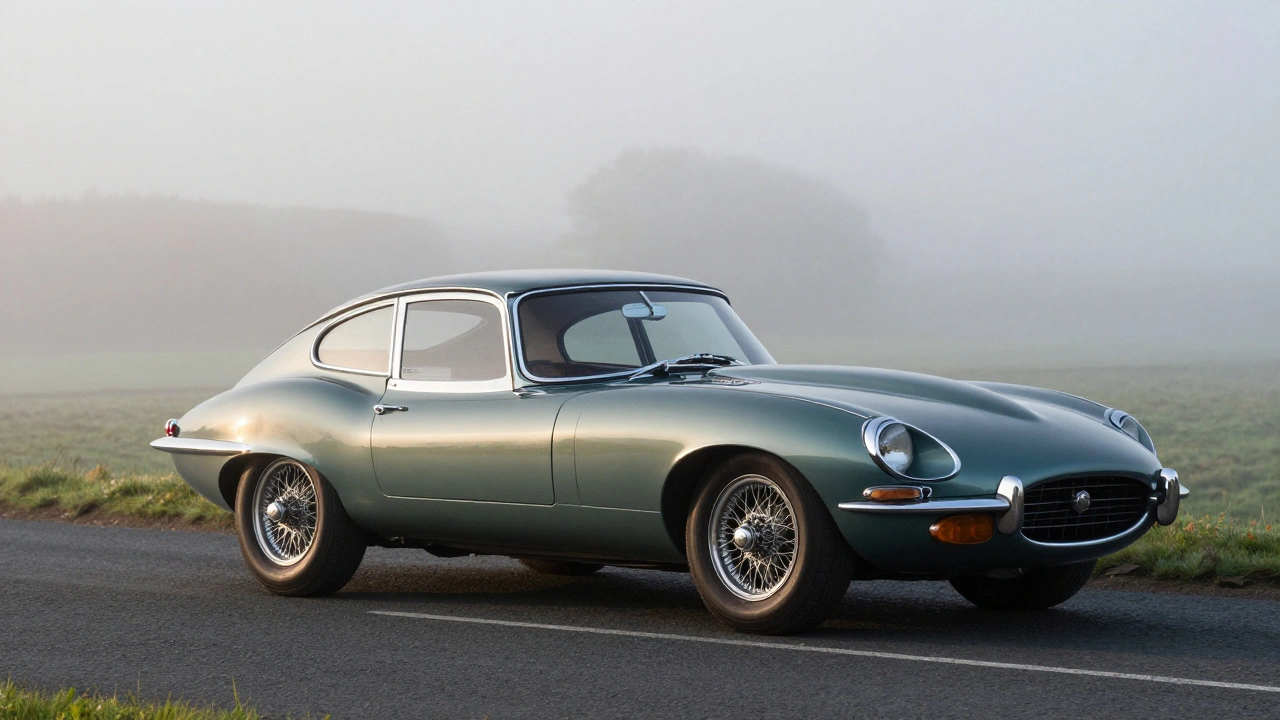
Callum’s design philosophy in British cars centered on proportion, wheelbase, stance, and surfacing-creating vehicles that felt alive even when still. His legacy lives on in today’s best-designed cars.
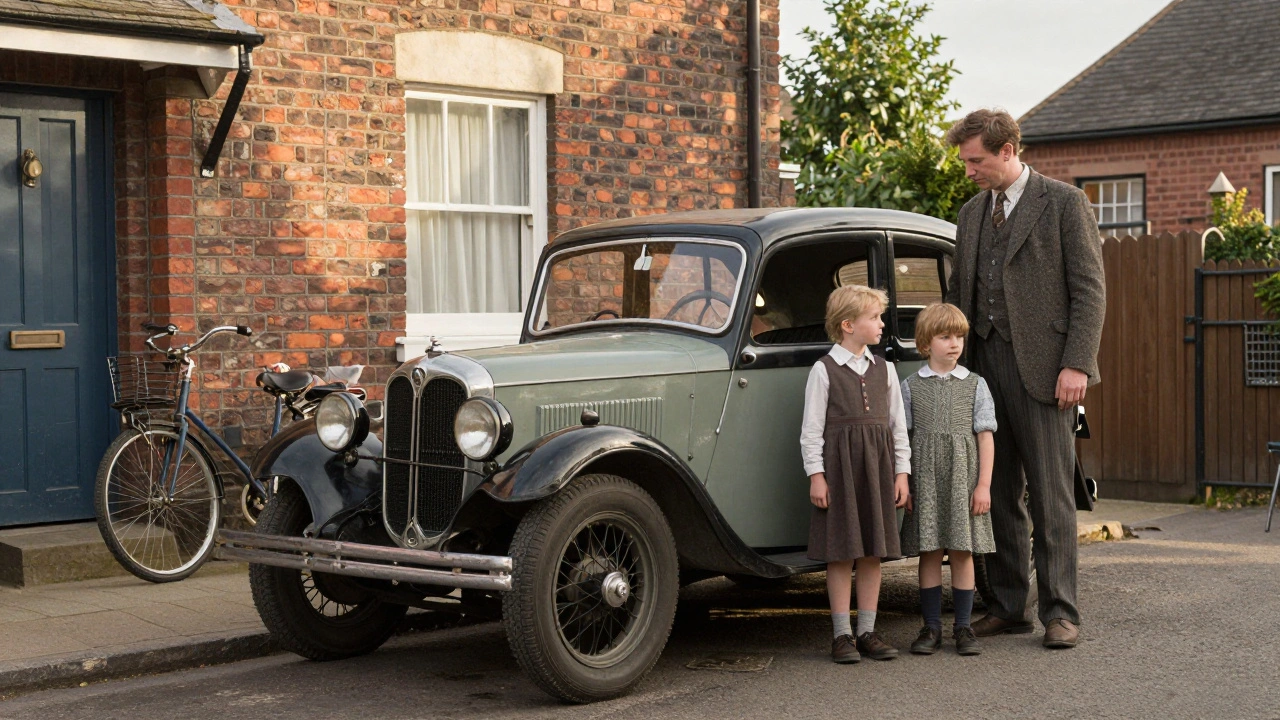
Pre-war British family cars like the Austin 7 and Morris Minor were simple, affordable, and built to last. These humble vehicles laid the foundation for Britain’s post-war automotive boom by proving that practical design matters more than luxury.
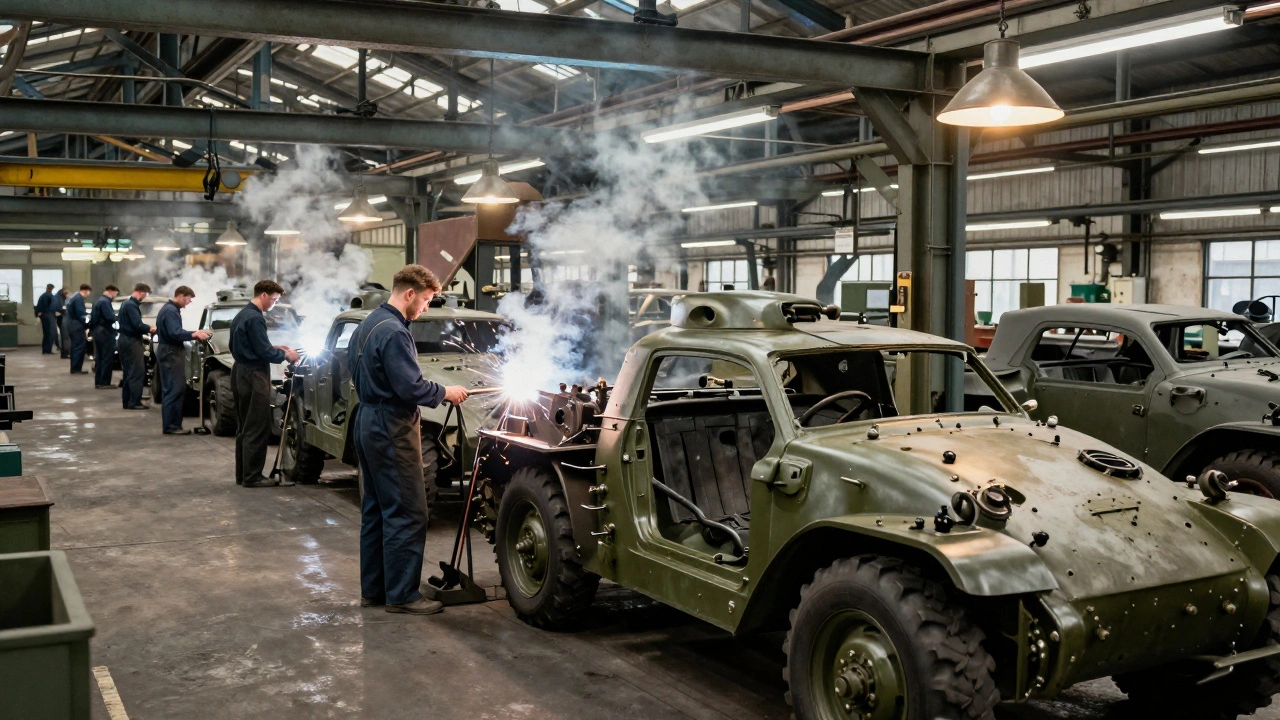
After WWII, British government policy drove a massive auto boom through export incentives, factory conversion, and state-backed financing-making the UK the world's top car exporter by 1957.
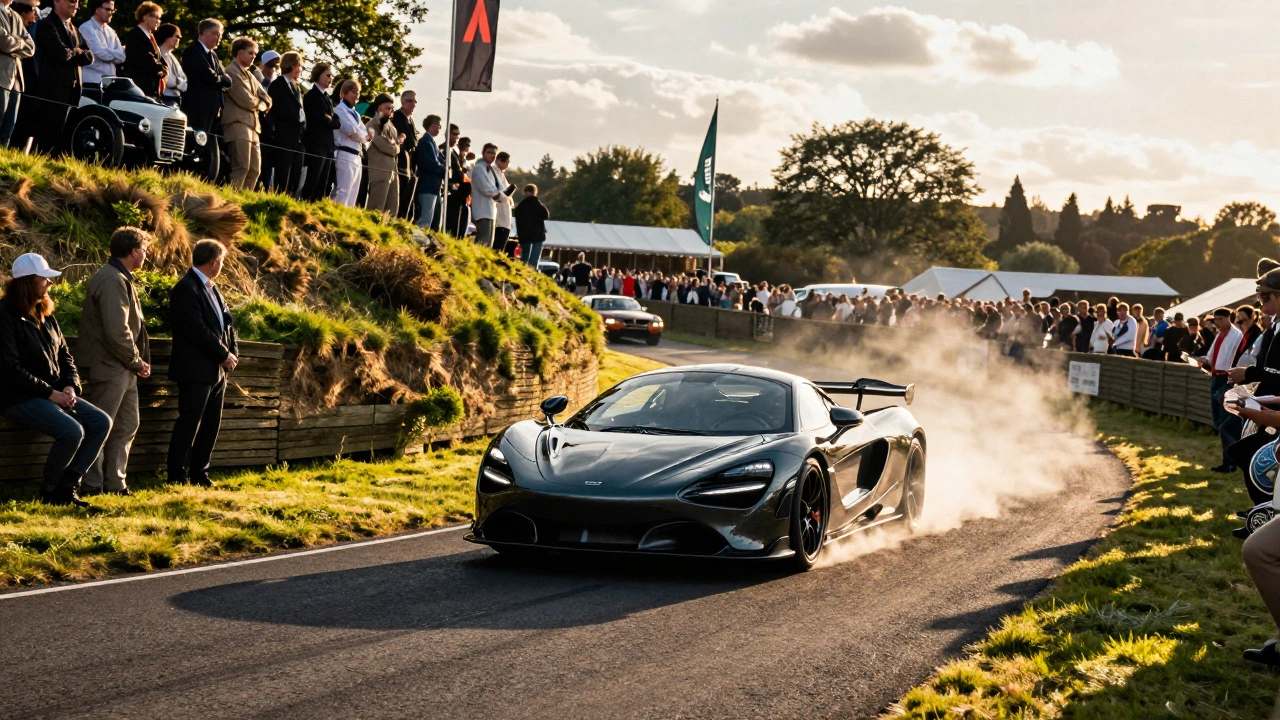
The Goodwood Festival of Speed isn't just a race-it's where British carmakers prove their newest models under real conditions. From McLaren to Rolls-Royce, launches here shape design, engineering, and legacy.