Used Car Classics Today: Which British Family Cars Still Make Sense
 Mar, 17 2026
Back in the 1970s and 80s, British family cars weren’t just transportation-they were part of daily life. Think of the Morris Minor, the Austin Metro, or the Triumph TR6 pulling up to the school drop-off zone, paint peeling just a little, the radio crackling, and the smell of damp wool and engine oil. Today, those same cars sit in driveways, garages, and barns across the UK and beyond. But with fuel prices up, parts harder to find, and modern safety standards everywhere, does it still make sense to buy one as a daily driver-or even a weekend toy?
Why British Family Cars Still Have a Place
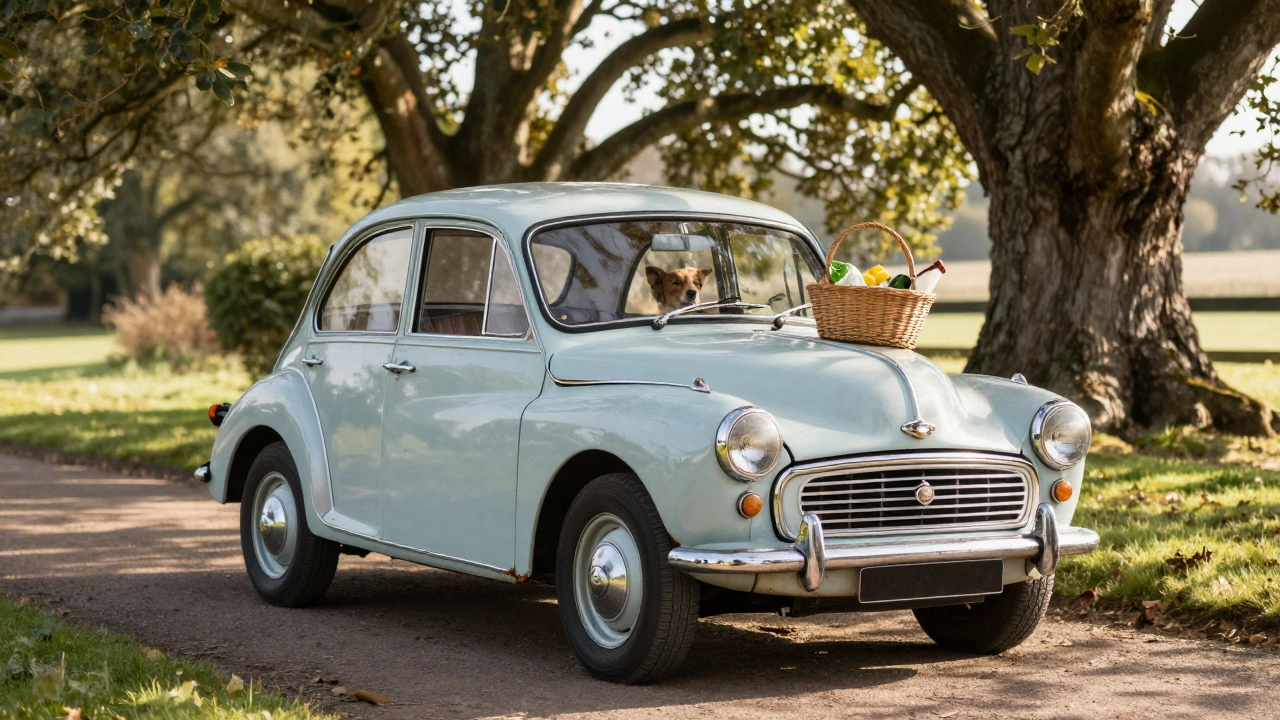
It’s not nostalgia alone. There’s something real here. British cars from that era were built with a kind of honesty you don’t see anymore. They didn’t try to be everything. They were simple, repairable, and designed for real people doing real things. A Morris Minor from 1965 could carry four kids, two bags of groceries, and a dog to the seaside. It got 40 miles per gallon on unleaded. It cost £800 new. Today, a well-kept one runs £8,000 to £15,000. That’s less than a new Hyundai i10, and you’re buying history, not a spreadsheet.
These cars aren’t fast. They’re not quiet. But they’re engaging. You feel the road. You hear the engine. You know when something’s wrong because the car tells you-with a clunk, a rattle, a whiff of smoke. Modern cars hide problems. British classics scream them. And that’s part of the charm.
The Top Five That Still Make Sense
- Morris Minor (1953-1971) - The original family car. Lightweight, simple, and surprisingly roomy. The 948cc engine is reliable if maintained. Parts are everywhere. Restoration kits are cheap. It’s the most affordable classic British family car you can buy.
- Austin Metro (1980-1990) - The last gasp of British small car engineering. The Metro was designed to compete with the Fiat 127 and Volkswagen Polo. It handled better than most of its rivals. The 1.3L A-Series engine is bulletproof. Interior space? Surprisingly good for a 1980s supermini. You can find a decent one for under £4,000.
- MG MGB (1962-1980) - Technically a sports car, but families drove them everywhere. The MGB GT version had a proper boot, real back seats, and a heater that worked. Over 500,000 were made. That means parts are still easy to find. The 1.8L B-Series engine is one of the most reliable British engines ever built. A running example costs £10,000-£18,000. It’s a daily driver if you’re okay with a bit of wind noise.
- Triumph TR6 (1969-1976) - A bigger brother to the MGB. More space, more power, more presence. The 2.5L straight-six was smooth and strong. The chassis was rugged. The interior? A bit rough. But it’s a proper family car if you’ve got two kids and a love for British engineering. They’re still cheaper than a modern VW Golf GTI.
- Reliant Robin (1973-2002) - Yes, really. The three-wheeled Robin was a staple in rural Britain. It was cheap, fuel-efficient, and surprisingly capable in snow and mud. The 850cc engine got 55 mpg. The plastic body didn’t rust. It’s not a luxury, but it’s a brilliant practical oddity. A good one today costs £5,000-£9,000. You’ll get stares, but you’ll never pay for parking.
What to Avoid
Not all British classics are worth the hassle. Some cars were poorly built from the start. The Triumph Dolomite Sprint had a great engine but a rust-prone body. The Lotus Elan is a joy to drive, but its fiberglass body needs constant care. The Mini Cooper 1275GT is fun, but it’s not really a family car-back seats are for cats and grocery bags.
Also avoid cars with known electrical gremlins. The MG MGB from 1975 onward had wiring that deteriorated fast. The Austin Maestro (1983-1994) had a reputation for overheating and head gasket failures. These aren’t deal-breakers, but they’ll cost you time and cash.
Real-World Costs: What You’re Really Paying
Let’s say you buy a 1978 MG MGB for £12,000. Sounds fair. But here’s what you didn’t budget:
- Insurance: £200-£400/year (classic car policies are cheap if you limit mileage)
- Annual MOT: £50-£80 (yes, they still need it)
- Parts: £100-£300/year for brake pads, hoses, filters
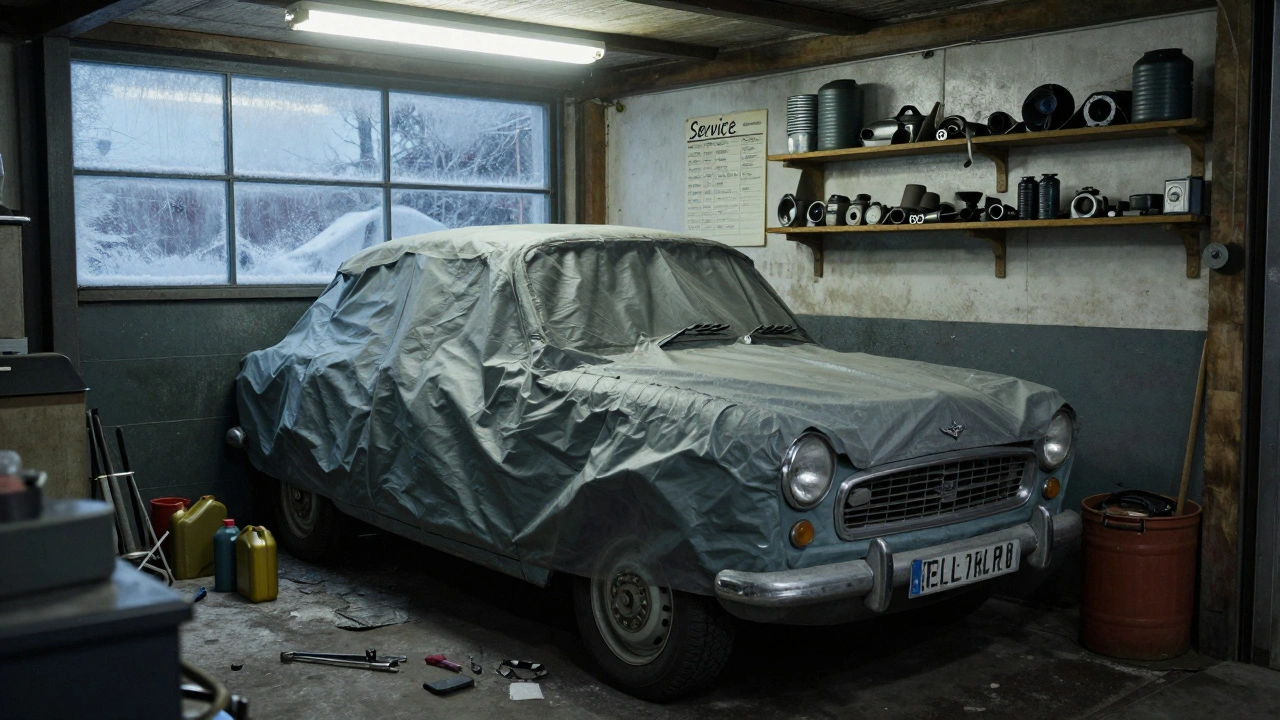
- Storage: If you don’t have a garage, a car cover and dehumidifier cost £150/year
- Restoration: If it’s been sitting, expect £1,000-£3,000 to get it road-ready
Compare that to a 2015 Ford Fiesta. You’d pay £6,000-£8,000 for a similar age car. But the Fiesta has airbags, ABS, a modern engine, and a warranty that’s long gone. The MGB? You’re buying a piece of history that runs on passion.
Modern Alternatives? Not Really
People ask: “Why not just get a modern small car?” The answer is simple: you can’t get the same experience. A Fiat 500 is cute. A Suzuki Swift is efficient. But they don’t have character. They don’t make you smile when you turn the key. They don’t have stories written into their rust spots.
Modern cars are designed for safety, emissions, and cost-cutting. British classics were designed for function, personality, and durability. You can’t buy personality in a dealership. But you can buy it in a barn in Somerset.
Where to Look
Don’t buy from a website with 200 photos and no history. Find a club. Join the Morris Minor Owners Club or the MG Car Club. Attend a classic car show. Talk to people who’ve lived with these cars for decades. They’ll tell you which models hold up, which ones are money pits, and where to find a decent one.
Look for cars with:
- Original paint (even if faded)
- Service records (even handwritten ones)
- No rust under the doors or in the wheel arches
- A running engine that doesn’t smoke
- A title that matches the chassis number
And never buy a car you can’t test drive. A car that starts in the driveway might not make it to the next town. Take it for a 30-minute run. Listen. Feel. Smell.
Final Thought: It’s Not About the Money
These cars won’t save you money. They won’t be the most reliable. They won’t get you to work in 15 minutes in a downpour. But they’ll make you feel something.
They’ll remind you of your granddad’s garage. Of the smell of petrol and rain on asphalt. Of a time when cars weren’t just machines-they were companions. And if you’re willing to learn, to fix, to care, then one of these British classics might just be the most sensible car you ever own.
Are British classic family cars legal to drive today?
Yes, absolutely. In the UK and most countries, classic cars over 40 years old are exempt from annual emissions testing (like the MOT in the UK) if they haven’t been substantially modified. They still need road tax, insurance, and a valid MOT if they’re used regularly. In the U.S., rules vary by state, but most allow classic cars on the road with limited annual mileage and special registration.
Can you use a British classic as a daily driver?
You can, but it’s not for everyone. Cars like the Austin Metro or Morris Minor are simple enough to drive daily if you’re okay with slow acceleration, no power steering, and no air conditioning. Most owners use them for short trips, weekend runs, or car shows. If you live in a cold, wet climate, rust and electrical issues can become expensive. But if you’re patient and handy, a well-maintained classic can be your everyday car.
Are parts still available for these cars?
For the top five models listed, yes-parts are surprisingly easy to find. Companies like MGOC, British Motor Heritage, and Classic Car Parts UK stock everything from brake shoes to dashboard bulbs. Many parts are still made using original tooling. Even obscure items like the Reliant Robin’s three-wheeled suspension components are available through specialty suppliers. The harder the car is to find, the more you’ll pay, but the parts themselves aren’t rare.
Do these cars hold their value?
Yes, and often better than modern cars. A well-restored MG MGB from 2005 cost £8,000. Today, it’s £18,000. A 1980 Austin Metro in good condition was £1,500 in 2010. Now it’s £5,000. Demand is rising as younger buyers discover these cars. Unlike modern vehicles that lose 50% of value in five years, classic British family cars often appreciate slowly but steadily-especially if they’re original and unmolested.
Is it worth restoring a rusted British classic?
Only if you love the process. A full restoration of a Morris Minor or MGB can cost £15,000-£30,000 in labor and parts. If you’re doing it yourself, you’ll need time, space, and patience. But if you find a car with a solid chassis and a good engine, even a rough one can become a future classic. Many owners start with a project car, fix it slowly, and end up with something more valuable than they ever imagined.