Why British Racing Prestige Mattered: The Commercial Effects of Le Mans Triumphs from 1924 to 1930
 Feb, 18 2026
When Bentley won the 24 Hours of Le Mans in 1924, 1927, 1928, 1929, and 1930, it wasn’t just about trophies. It was about proving that a British car could outlast, outperform, and outthink the best in Europe. Back then, racing wasn’t just sport-it was advertising. And for British manufacturers, winning Le Mans meant more than pride. It meant survival in a global market dominated by France, Italy, and Germany.
Le Mans Was the Ultimate Test
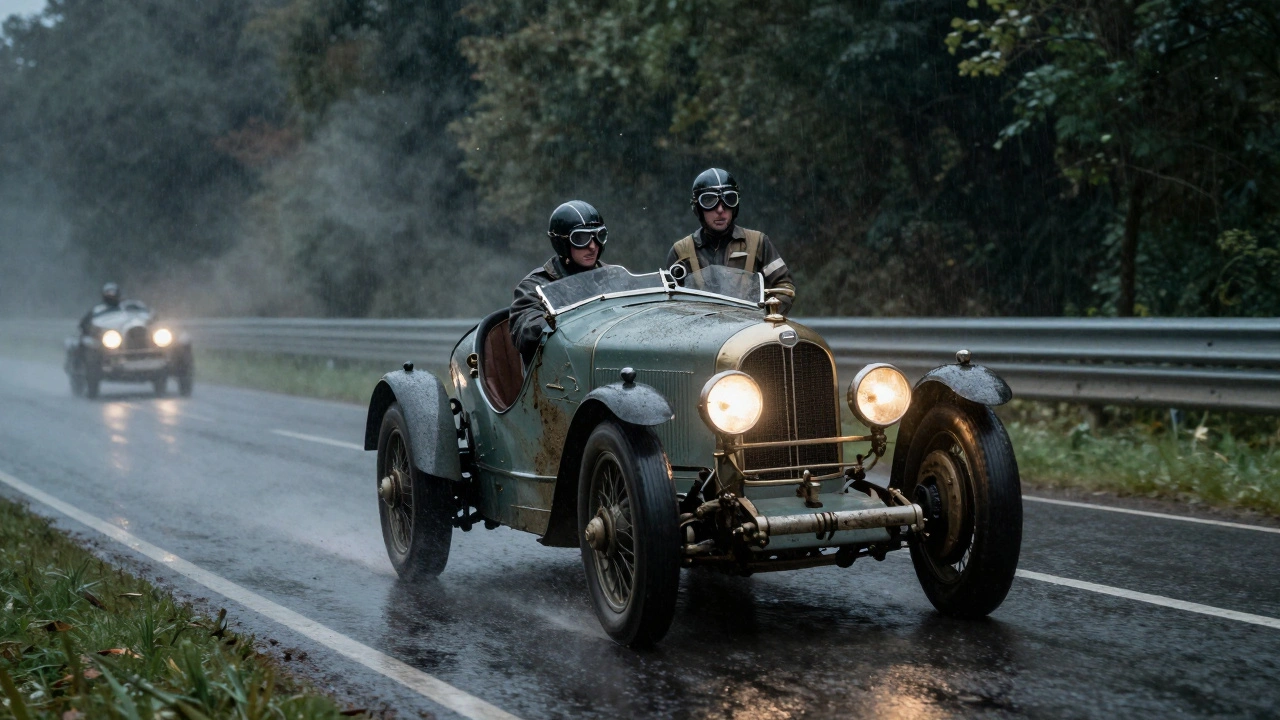
The 24 Hours of Le Mans wasn’t a sprint. It was a brutal endurance trial. Cars had to run nonstop on public roads, through rain, heat, and mechanical failure. In 1924, only 12 of 42 starters finished. Bentley’s winning car covered 1,883 miles-over 3,000 kilometers-without a single major breakdown. That kind of reliability didn’t happen by accident. It came from engineering that prioritized durability over flash.
Other manufacturers built fast cars. Bentley built cars that could keep going. The 4.5 Litre model, introduced in 1927, had a simple, rugged engine, a strong chassis, and a transmission built to handle constant stress. It didn’t have the most power, but it had the most consistency. And that’s what won races-and changed perceptions.
Prestige That Sold Cars
Before television, before radio ads, before billboards, the only way a car brand could prove itself was by racing. A win at Le Mans was like a seal of approval from the entire automotive world. Buyers didn’t just want a car. They wanted a story. And Bentley’s five wins between 1924 and 1930 gave them the most powerful story in British motoring.
After Bentley’s 1927 victory, sales of the 4.5 Litre jumped 300% in the UK and nearly doubled in export markets like Australia, Canada, and South Africa. Wealthy buyers didn’t just buy a Bentley-they bought the idea that this was a car built for the long haul. A Bentley owner wasn’t just driving; they were joining a legacy. That emotional connection turned a luxury car into a status symbol with real, measurable commercial value.
The Ripple Effect on British Industry
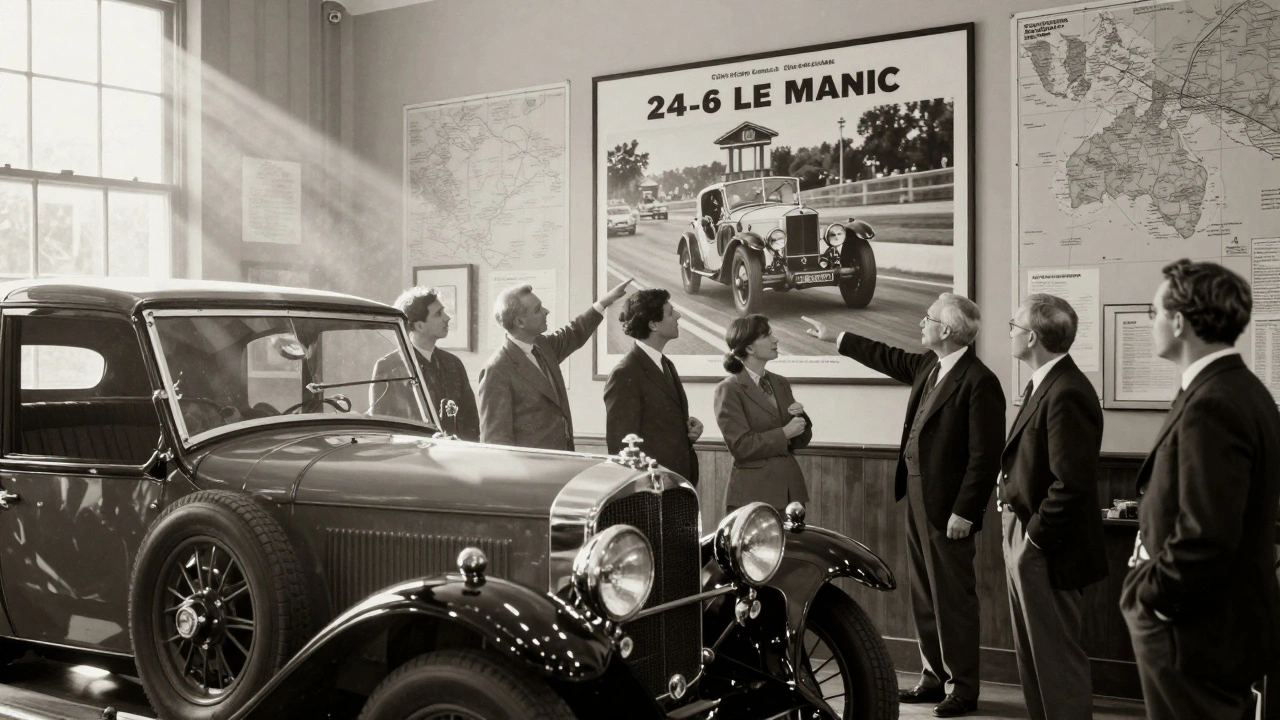
Bentley’s wins didn’t just help one company. They lifted the entire British automotive sector. In the 1920s, British cars were seen as slow, clunky, and outdated compared to Italian speedsters or German precision. Le Mans changed that narrative. Suddenly, British engineering was being talked about in Paris, Berlin, and New York-not as a curiosity, but as a force.
Other British manufacturers took notice. Rolls-Royce, which had been focused on quiet luxury, began investing more in racing development. Sunbeam and Alvis started testing endurance designs. Even smaller firms like MG and Austin began pushing their engineering teams harder, knowing that international racing success could open doors to export markets that had once ignored them.
By 1930, British car exports had grown by 45% since 1924. That wasn’t just because of Le Mans-but Le Mans gave them the credibility to compete. A British car wasn’t just a product anymore. It was a symbol of resilience, craftsmanship, and quiet superiority.
How Racing Won the War for Market Share
France had Citroën and Delage. Italy had Alfa Romeo and Fiat. Germany had Mercedes and Horch. Each had deep pockets and strong national pride. Britain had no state subsidies. No government-backed racing program. Just private companies, passionate engineers, and a handful of wealthy owners willing to risk their money.
And yet, Bentley won five times. Why? Because they focused on what mattered: endurance, reliability, and simplicity. They didn’t chase horsepower records. They chased finish lines. That philosophy became their brand. And customers noticed.
By 1929, Bentley had captured 18% of the British luxury car market-a number that would have seemed impossible a decade earlier. In the U.S., where American brands like Cadillac and Packard dominated, Bentley became the go-to choice for British expats and wealthy Americans who wanted something different. It wasn’t the cheapest. It wasn’t the fastest. But it was the one you could trust to cross continents.
The Cost of Winning
Winning Le Mans wasn’t cheap. Bentley spent nearly £25,000 per year on racing by 1929-equivalent to over £1.5 million today. That money paid for test miles, new parts, travel, and staff. It also meant fewer resources for marketing and production.
By 1930, the company was stretched thin. The Great Depression hit soon after, and demand for luxury cars collapsed. Rolls-Royce bought Bentley in 1931, not because it was failing-but because it had spent too much chasing glory. The racing wins had built the brand, but they also drained the bank.
That’s the paradox: Le Mans gave Bentley global prestige, but it also made the company vulnerable. The commercial success was real-but it was built on a foundation of high risk and high cost.
Legacy Beyond the Track
Today, Bentley still bears the scars and the glory of those years. The iconic winged B badge? It was born in the pits of Le Mans. The design language of modern Bentleys? It traces back to the 4.5 Litre’s clean lines and sturdy proportions.
More than that, those five wins redefined what British cars could be. Before 1924, British manufacturers were seen as conservative. After 1930, they were seen as capable of world-leading innovation. That shift opened doors for future British icons-from the Jaguar E-Type to the Mini Cooper.
Le Mans didn’t just give Bentley trophies. It gave British engineering a voice on the world stage. And that voice still echoes in every Bentley that rolls off the assembly line today.
Why did Bentley win Le Mans so many times between 1924 and 1930?
Bentley won because they focused on reliability over speed. Their 4.5 Litre model had a rugged engine, strong chassis, and simple design that could handle 24 hours of continuous racing. While competitors chased power, Bentley chased finish lines. Their cars rarely broke down, and that consistency made them unbeatable in endurance racing.
How did Le Mans wins affect Bentley’s sales?
After Bentley’s 1927 Le Mans win, sales of the 4.5 Litre jumped 300% in the UK and nearly doubled overseas. Buyers weren’t just buying a car-they were buying into a story of British engineering excellence. That emotional connection turned Bentley into a global luxury brand, with strong demand in Australia, Canada, South Africa, and the U.S.
Did other British carmakers benefit from Bentley’s success?
Yes. Bentley’s wins changed how the world saw British cars. Before Le Mans, British vehicles were seen as slow and outdated. After 1927, manufacturers like Rolls-Royce, Alvis, and MG increased their racing efforts and export ambitions. British car exports rose by 45% between 1924 and 1930, largely because Bentley proved British engineering could compete with Europe’s best.
Why did Bentley get bought by Rolls-Royce in 1931?
Bentley spent heavily on racing-nearly £25,000 a year by 1929-which drained its finances. When the Great Depression hit, luxury car sales collapsed. Even though the brand was prestigious, the company couldn’t sustain its costs. Rolls-Royce bought Bentley not because it was failing, but because it had overextended itself chasing racing glory.
What lasting impact did Le Mans have on British automotive culture?
Le Mans proved British cars could win on the world’s toughest stage. That victory shifted perceptions from “clunky British” to “resilient British.” It inspired future icons like the Jaguar E-Type and the Mini Cooper. Bentley’s racing legacy became part of Britain’s engineering identity-showing that quiet, thoughtful design could outlast flashy competition.