Ian Callum’s Design Legacy: From Aston Martin DB7 to Jaguar XE
 Aug, 19 2026
There is a specific kind of tension in modern British car design. It sits right on the edge between heritage and progress, often feeling like it’s apologizing for being new. But if you look closely at the work of Ian Callum, a pivotal figure in 21st-century automotive styling who bridged the gap between classic British elegance and modern industrial precision, you see something different. He didn’t just draw lines; he solved problems with style. His career spans two of Britain’s most storied marques, Aston Martin and Jaguar, and his footprint is visible from the late 90s through the early 2020s.
Why does this matter now? Because we are living in an era where electric vehicles are stripping away traditional design cues-no engine bay means no hood bulge, no exhaust means no rear diffuser drama. Callum’s work offers a masterclass in how to maintain distinctiveness when the mechanical constraints change. Whether you’re a design student, a car enthusiast, or just someone who appreciates good form, understanding his aesthetic evolution reveals how British design survived the digital transition.
The Aston Martin Foundation: Defining the DB7 Era
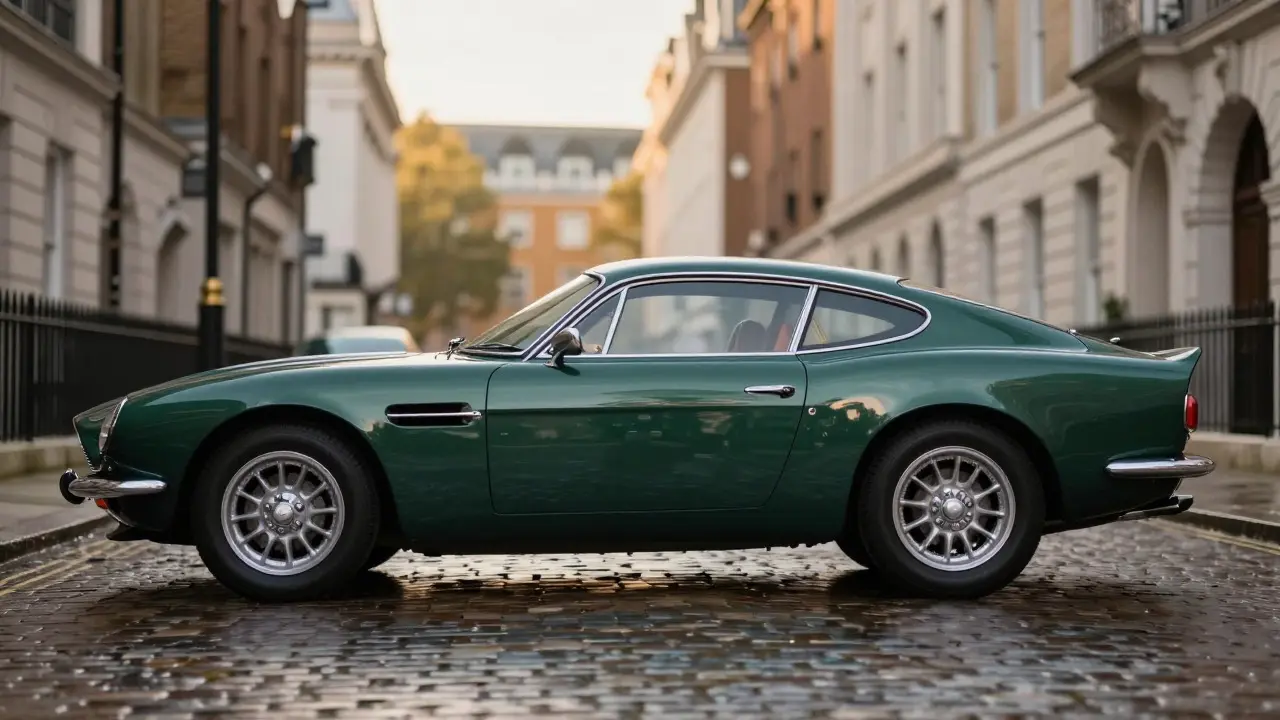
Callum arrived at Aston Martin in the mid-1990s, a period when the brand was struggling to balance its hyper-luxury image with commercial viability. The arrival of the Aston Martin DB7 in 1994 marked a turning point. This wasn’t just a new model; it was a statement that British design could be both accessible and exclusive.
The DB7 introduced a cleaner, more aerodynamic silhouette compared to its predecessors. Where older Astons were boxy and upright, the DB7 flowed. Callum played a crucial role in refining this language during his tenure there. He focused on what designers call "surface tension"-the way light plays across curved metal. Instead of sharp creases, he used subtle curves that caught the sun differently as the car moved. This approach made the car feel alive even when parked.
- Silhouette: The DB7 established a lower, wider stance that became the template for subsequent models like the Vanquish and Vantage.
- Proportions: Long front overhangs and short rear decks emphasized speed and power without needing visual clutter.
- Materials: The integration of hand-stitched leather and brushed aluminum interior trim signaled that luxury was about touch, not just sight.
This era taught Callum a vital lesson: consistency is key. You can’t have one wild concept car and then a safe production model. The design language has to be flexible enough to handle a coupe, a convertible, and eventually an SUV, while still looking like it belongs to the same family.
The Jaguar Transition: Scaling Up with Precision
In 2005, Callum moved to Jaguar as Executive Director of Design. This was a massive step up in responsibility. While Aston Martin built low-volume, high-margin sports cars, Jaguar needed to sell thousands of sedans and crossovers every month. The challenge? How do you make a daily driver look like a grand tourer?
His first major project there was the redesign of the XF sedan (2008). This car defined the "Jaguar look" for the next decade. It featured a distinctive grille shape, sleek headlight clusters, and a side profile that mimicked the lean, muscular stance of a race car. Critics loved it because it looked fast standing still. Owners loved it because it felt premium inside.
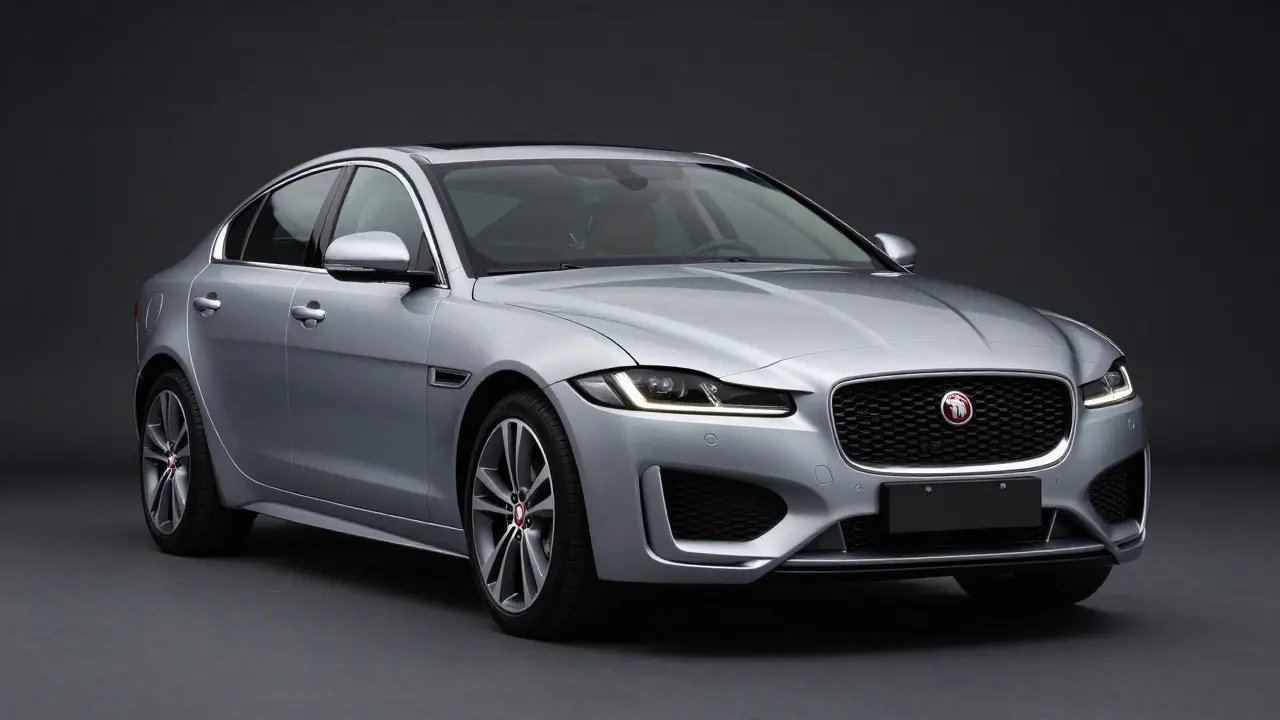
But the real test came with the Jaguar XE. Launched in 2015, the XE was designed to compete directly with the BMW 3 Series and Mercedes C-Class. It was smaller, lighter, and sharper than its predecessor, the X-Type. Callum stripped away unnecessary weight and complexity, focusing on a "less is more" philosophy. The result was a car that looked expensive but was engineered for efficiency. It proved that British design could win in the volume segment without sacrificing character.
| Attribute | Aston Martin DB7 (Late 90s) | Jaguar XE (Mid 2010s) |
|---|---|---|
| Primary Goal | Establish brand identity post-revival | Compete in high-volume executive segment |
| Surface Treatment | Soft, flowing curves emphasizing luxury | Sharper, precise lines emphasizing agility |
| Target Audience | Niche luxury buyers | Broad professional demographic |
| Key Innovation | Integration of handcrafted details | Lightweight architecture influencing shape |
The Signature Elements: What Makes It "Callum"?
If you’ve seen enough cars, you start recognizing patterns. Callum’s designs share certain DNA traits that set them apart from German or Italian rivals. These aren’t random choices; they’re deliberate strategies to evoke emotion.
- The Grille Shape: Both Astons and Jaguars under Callum featured grilles that were wide and slightly trapezoidal. This creates a sense of stability and presence. It’s not aggressive like a Ferrari, but it’s confident.
- Headlight Integration: He often merged headlights into the fender line rather than placing them as separate boxes. This reduces visual noise and makes the front end look smoother.
- Rear Light Clusters: Thin, horizontal light bars became a hallmark. They emphasize width, making the car look planted and secure. This is particularly effective in sedans where height is limited.
- Interior Symmetry: Callum believed the cabin should mirror the exterior’s calmness. Dashboards were clean, with minimal buttons and a focus on material quality. The center console often sloped toward the driver, creating a cockpit feel without being claustrophobic.
These elements work together to create a cohesive brand experience. When you sit in a Callum-designed Jaguar, you feel the same sense of order you saw when looking at the exterior. There’s no dissonance. That consistency is rare in the industry, where many brands try to shock you with each new release.
Adapting to the Electric Age
As we move deeper into the 2020s, the rules of car design are changing again. Electric vehicles (EVs) don’t need large radiators or complex exhaust systems. This frees up space and allows for radically different shapes. Did Callum adapt? Yes, but subtly.
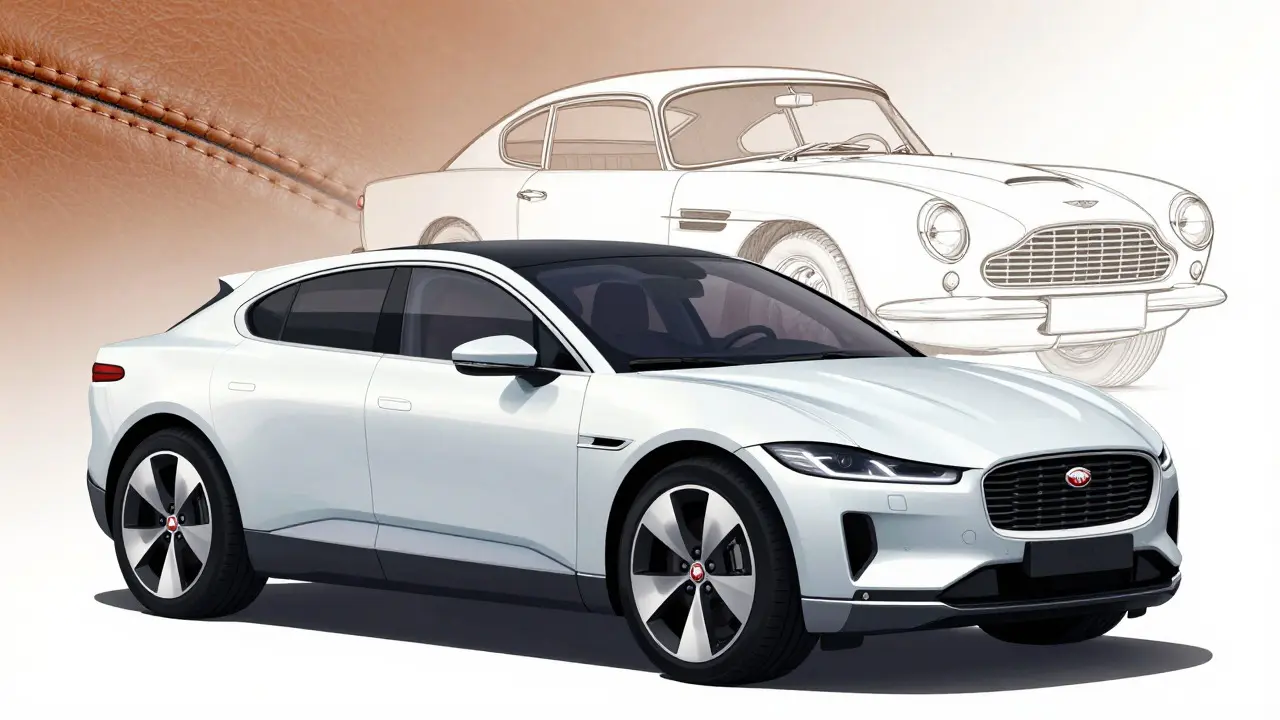
Look at the Jaguar I-PACE, launched in 2018. It was the world’s first all-electric performance SUV. Its design retained the core Callum principles-wide stance, integrated lights, clean surfaces-but adapted them to the EV platform. The hood is flatter because there’s no engine underneath. The doors are frameless to reduce drag. Yet, it still looks unmistakably like a Jaguar. That’s the mark of a true designer: evolving the language without losing the voice.
This transition highlights a critical skill in modern automotive design: translating heritage into new contexts. For British brands, this is especially challenging. American brands can pivot easily because their history is shorter. Japanese brands have strong engineering cultures that drive design. British brands rely heavily on emotional connection. If the design feels wrong, the brand suffers. Callum managed this balance by keeping the proportions familiar while updating the technology.
Lessons for Modern Designers
What can we learn from Ian Callum’s career? First, simplicity wins. In a world of complex software interfaces and overloaded dashboards, his commitment to clean lines reminds us that clarity is valuable. Second, consistency builds trust. Customers buy brands they recognize. Third, context matters. A design that works for a $200,000 supercar might fail for a $40,000 sedan. You have to understand the customer’s expectations before you draw a single line.
Finally, don’t fear the past. Many young designers think they need to break everything to be innovative. Callum shows that you can honor tradition while pushing forward. The best designs don’t shout; they whisper. They invite you to look closer, to touch the surface, to appreciate the detail. That’s a powerful message in an era of instant gratification.
Frequently Asked Questions
Did Ian Callum design the original Aston Martin DB7?
Not entirely. The initial concept for the DB7 was developed by Ian Giammona and others at Aston Martin. However, Callum joined the team shortly after and significantly influenced the production version's refinement, particularly the surface treatments and interior details that defined the car's final look.
Which car is considered Ian Callum's masterpiece?
Opinions vary, but many critics and fans point to the Jaguar XE or the Aston Martin Vantage (2005-2017) as his peak achievements. The XE demonstrated his ability to scale design for mass markets, while the Vantage captured the pure essence of British sports car performance and beauty.
How did Ian Callum influence other British car brands?
While he worked primarily for Aston Martin and Jaguar, his emphasis on clean, proportionate design influenced the broader British automotive sector. Brands like Bentley and Land Rover adopted similar principles of understated luxury and robust proportions, moving away from overly ornate styles toward more modern, minimalist aesthetics.
Is Ian Callum still active in car design?
After leaving Jaguar in 2021, Callum stepped back from day-to-day design roles. He remains involved in advisory capacities and occasional consulting projects, but his direct impact on current production models has diminished as new design leaders took over at Jaguar and other manufacturers.
What is the main difference between Callum's Aston Martin and Jaguar designs?
The core difference lies in intent. Aston Martin designs under Callum focused on exclusivity and raw emotion, using softer curves and handcrafted details. Jaguar designs aimed for broader appeal and practicality, using sharper lines and more efficient use of space to compete in the volume market. Both shared the same underlying philosophy of balanced proportions.