British Post-War Car Design: The Curves, Grilles, and Proportions That Won the World
 Nov, 12 2026
Walk into any classic car meet in Portland or London today, and you will spot a specific silhouette that stops traffic. It isn’t just an old car; it is a statement of engineering elegance born from scarcity. British post-war car design is a distinct aesthetic movement characterized by flowing curves, upright grilles, and balanced proportions that emerged between 1945 and 1970. This style didn’t just fill the void left by wartime production halts; it defined luxury for decades. Why did these cars sell so well worldwide? Because they offered something American muscle couldn’t: refined proportion.
The Scarcity Aesthetic: Why Less Was More
You have to understand the context to get the look. After World War II, Britain was broke. Steel was rationed. Aluminum was scarce. You couldn’t just slap a massive V8 onto a chassis like your American cousins. Instead, British engineers had to be clever. They focused on aerodynamics and weight distribution because every pound mattered. This constraint bred creativity. Designers like William Lyons at Jaguar realized that if you couldn’t afford excess chrome, you made the metal itself beautiful. The result was a design language where form followed financial necessity, yet somehow looked more expensive than its parts cost.
This approach created a global obsession. Buyers in California and Tokyo wanted what the British had: cars that felt tailored rather than manufactured. The lack of material forced designers to perfect the "one-bow" curve-a single continuous line running from front to back. No hard creases. No sharp angles. Just smooth, uninterrupted flow. It was expensive to tool, but cheap in materials. That paradox is the heart of the era.
The Grille as a Signature
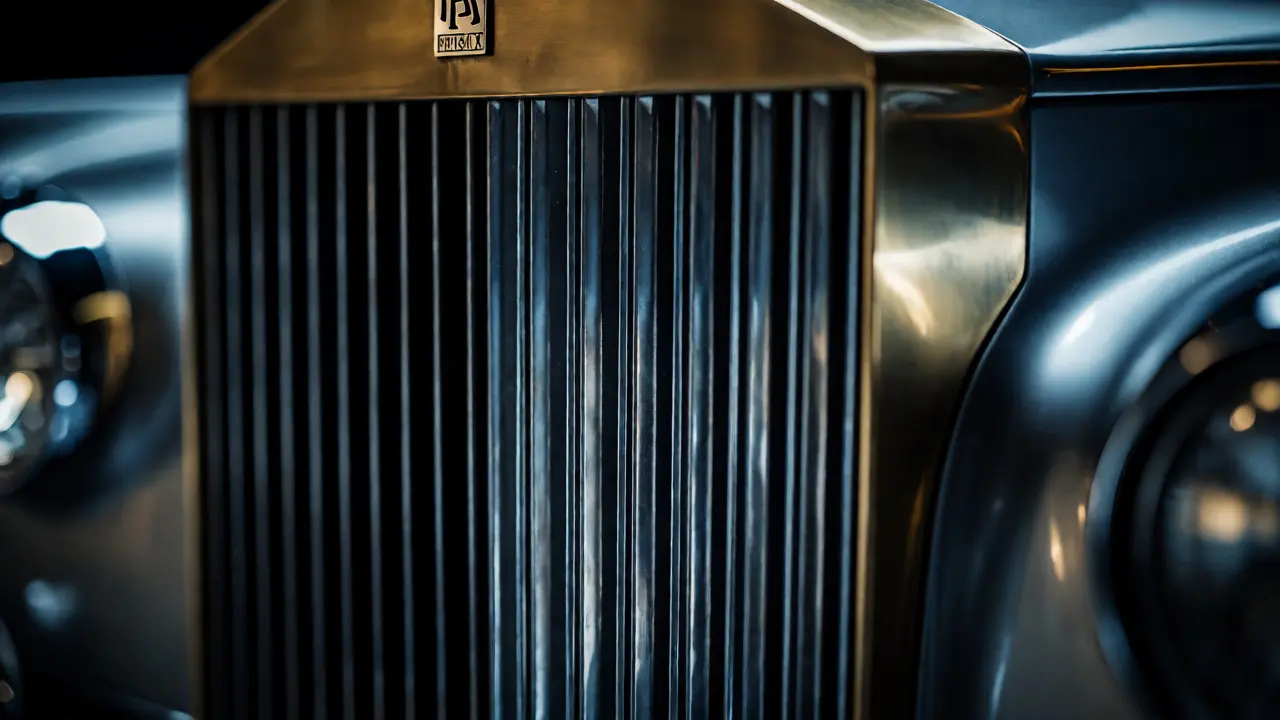
If you squint at a row of parked classics, the grille tells you who’s who before you see the badge. In the US, grilles became wider and lower over time. In Britain, they stayed tall, narrow, and proud. Think of the vertical slats on a Rolls-Royce Silver Cloud. That radiator shell isn’t just cooling hardware; it’s a mask. It signals dignity. The British kept the radiator upright long after others tilted theirs forward for aerodynamics. Why? Because it maintained the visual balance of the hood. A low, flat nose looked aggressive. A tall, upright nose looked established.
This distinction matters when you’re trying to identify a car’s origin quickly. American designs prioritized speed cues-low noses, wide stances. British designs prioritized presence. The Aston Martin DB5, famous for its James Bond connection, uses a subtle oval mesh that blends into the bodywork, showing how far the trend evolved toward integration. But the DNA remained: the front end was a focal point, not just an intake.
Proportions: The Golden Ratio of Metal
Here is the secret sauce: cabin placement. Look at a modern car. The wheels are pushed to the corners, and the cabin sits high. Now look at a 1960s Jaguar E-Type. The cabin sits rearward. The hood is incredibly long. This isn’t just for show; it’s a layout trick. By pushing the engine back, designers shortened the front overhang. This makes the car look faster even when it’s standing still. It also improves weight distribution, which translates to better handling.
| Model | Design Era | Key Feature | Global Impact |
|---|---|---|---|
| Jaguar XK120 | Late 1940s | Bulging fenders, separate headlamps | First supercar accessible to the middle class |
| Aston Martin DB Series | 1950s-60s | Tailored aluminum skin, minimal trim | Defined the "gentleman's express" archetype |
| Rolls-Royce Silver Cloud | 1950s-60s | Upright radiator, coachbuilt bodies | Solidified status symbol association |
| Jaguar E-Type | 1961 | Covered headlights, monocoque structure | Enzo Ferrari called it the most beautiful car ever made |
This rear-set cabin became a hallmark. It allowed for a low center of gravity without making the car look squat. When you sit in one, you feel like you’re wearing the car, not sitting in it. That intimacy with the machine is what sold them to enthusiasts worldwide. Americans had space; Britons had precision.
Curves Over Creases
Modern cars use sharp lines to catch light and define edges. Post-war British cars used curves to hide flaws and manage airflow. Without computer-aided design, achieving a perfect surface required skilled panel beaters. Each sheet of aluminum was hand-formed. If there was a ripple, you’d see it in the reflection. So, they aimed for smoothness. The Bentley Continental GT of the 1950s exemplifies this. The doors wrap around the wheel arches seamlessly. There are no door handles sticking out; they were often flush or recessed to keep the side profile clean.
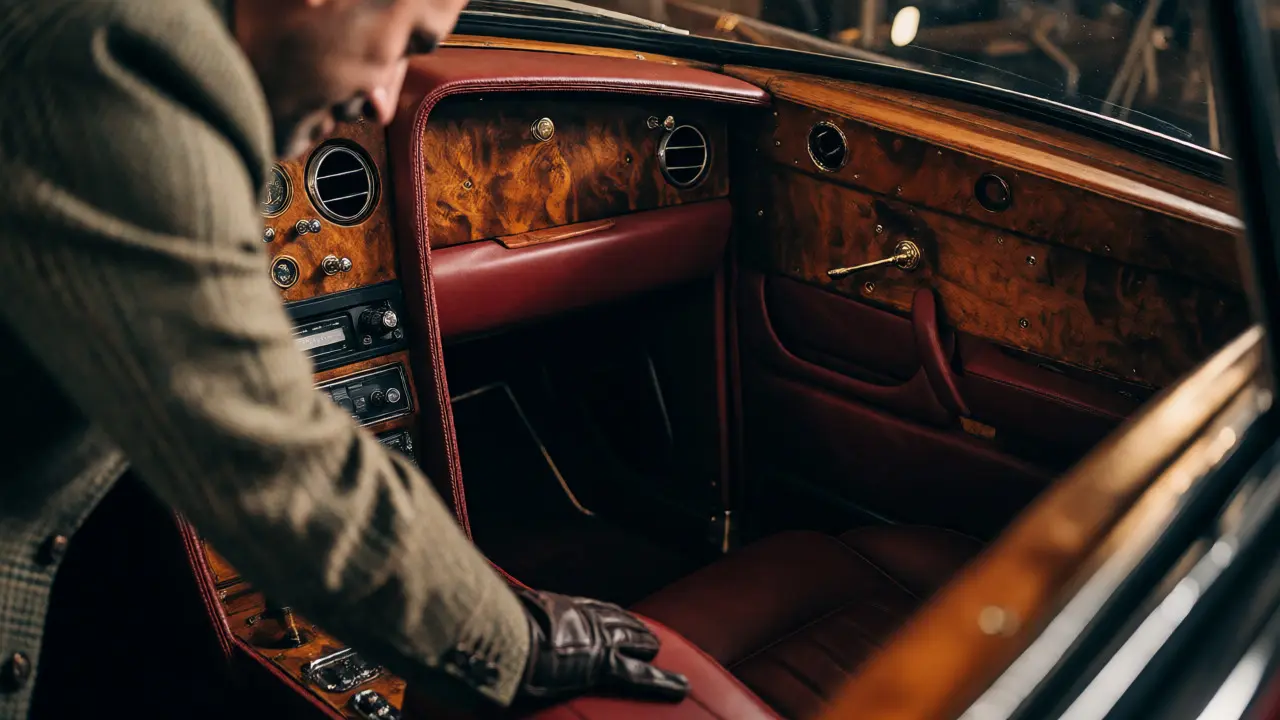
This philosophy extended to the interior too. Wood veneer wasn’t just decoration; it was structural soundproofing. Leather seats weren’t just soft; they were stitched to match the exterior color palette. Every element served two purposes: function and beauty. You don’t find plastic dashboards here. You find walnut, brass, and leather. These materials aged gracefully. A new American car in 1960 looked great until it started rattling. A British car looked better as it patinaed. That longevity added value, both emotionally and financially.
Export Success: Selling the Dream
Why did these designs cross oceans so effectively? Partly due to marketing, but mostly due to perception. In the 1950s and 60s, "Made in England" meant craftsmanship. For buyers in the US, owning a Triumph or a MG wasn’t about transportation; it was about joining a club. The cars were smaller, cheaper to buy, but expensive to maintain. That maintenance requirement filtered the ownership base to those who cared enough to fix them. This created a passionate community that spread the gospel of British design globally.
Furthermore, racing success validated the design. When Jaguar won Le Mans with the D-Type, the public saw the same curves on the showroom floor. The connection between race track and road was tangible. Today, we take that for granted, but back then, seeing a winning car’s shape in a dealership window was powerful proof of concept. It told buyers: this shape works. This shape wins.
Legacy and Modern Echoes
You can still see this design language everywhere. Look at the current Jaguar F-Type or the Aston Martin DB11. They borrow heavily from their ancestors. The long hood, the short deck, the upright grille-it’s all there. Manufacturers know that nostalgia sells. But beyond nostalgia, these proportions work. They create a visual harmony that feels right to the human eye. We are wired to appreciate symmetry and flow. British designers tapped into that instinct during a time of hardship, and the result has outlasted empires.
If you’re looking to buy one, check the rust first. Then check the wood. Then drive it. The steering will feel heavy. The brakes will require planning. But the view out the windshield? Unmatched. You’re driving a piece of history that proved constraints breed creativity. And honestly, in a world of cookie-cutter SUVs, that uniqueness is worth every penny of repair bills.
Why did British post-war cars have such long hoods?
The long hood was primarily a result of inline-six and V12 engines requiring significant length. Additionally, pushing the engine back improved weight distribution and handling, while aesthetically creating a sleek, fast-looking profile that distinguished them from shorter-nosed European rivals.
What role did material scarcity play in British car design?
Post-war rationing of steel and aluminum forced designers to minimize material usage. This led to thinner gauges, integrated bumpers, and smoother surfaces that reduced drag and weight. It encouraged creative solutions like using aluminum for bodies and focusing on aerodynamic efficiency rather than brute force.
How did the grille design differ from American cars of the same era?
British grilles tended to be taller, narrower, and more upright, emphasizing dignity and tradition. American grilles became wider, lower, and more horizontal, emphasizing width and power. British designs often integrated the grille into the bodywork more subtly, whereas American designs treated it as a prominent, standalone feature.
Which British car is considered the pinnacle of this design era?
While subjective, the Jaguar E-Type (XK-E) is widely cited as the peak. Launched in 1961, it combined advanced monocoque construction with breathtaking aesthetics, including covered headlights and a seamless profile, earning praise from industry legends like Enzo Ferrari.
Are British post-war cars difficult to maintain?
Yes, they are generally more complex than contemporaries. Rust protection was poor, electrical systems were quirky, and parts availability varies. However, the enthusiast community is strong, and many issues are well-documented. Regular maintenance is crucial to preserve the vehicle's value and functionality.