Why Heritage Matters to Modern Buyers: Storytelling, Provenance, and Brand Trust
 May, 11 2026
Walk into any high-end store or scroll through a luxury brand’s Instagram feed, and you will see the same pattern. The product isn’t just being sold for its function. It is being sold for its history. A watch isn’t just a timekeeper; it is a piece of engineering from 1954. A pair of sneakers isn’t just footwear; it is a cultural artifact from the 1980s. For modern buyers, especially those raised in the digital age, heritage is no longer a dusty museum concept. It is a critical currency.
In a market saturated with lookalike products and AI-generated content, consumers are starving for something real. They want to know where things come from, who made them, and why they matter. This shift has turned brand storytelling and provenance into some of the most powerful tools in marketing. If you are building a brand or buying one, understanding this dynamic is essential. Let’s break down why heritage matters so much today, how provenance builds trust, and how stories turn customers into loyal advocates.
The Crisis of Choice and the Search for Meaning
We live in an era of infinite choice. You can buy a coffee maker from fifty different brands on Amazon in five minutes. But which one do you trust? When everything looks similar, features become commoditized. Price becomes the only differentiator, which leads to a race to the bottom. Heritage breaks this cycle.
Modern buyers, particularly Millennials and Gen Z, are not just purchasing items; they are purchasing identity. They want brands that align with their values and offer a sense of continuity in a fast-changing world. According to recent consumer behavior studies, nearly 70% of shoppers say they are more likely to buy from a brand with a clear origin story. This isn’t about nostalgia for the sake of nostalgia. It is about stability. In a volatile global economy, a brand with a 100-year history feels safer than a startup that appeared last year.
Think about it. When you buy a Levi’s jean, you aren’t just buying denim. You are buying into the American West, the Gold Rush, and decades of workwear culture. That story gives the product weight. It makes the price tag feel justified. Without that story, it’s just fabric. With it, it’s heritage.
Provenance as the New Proof of Quality
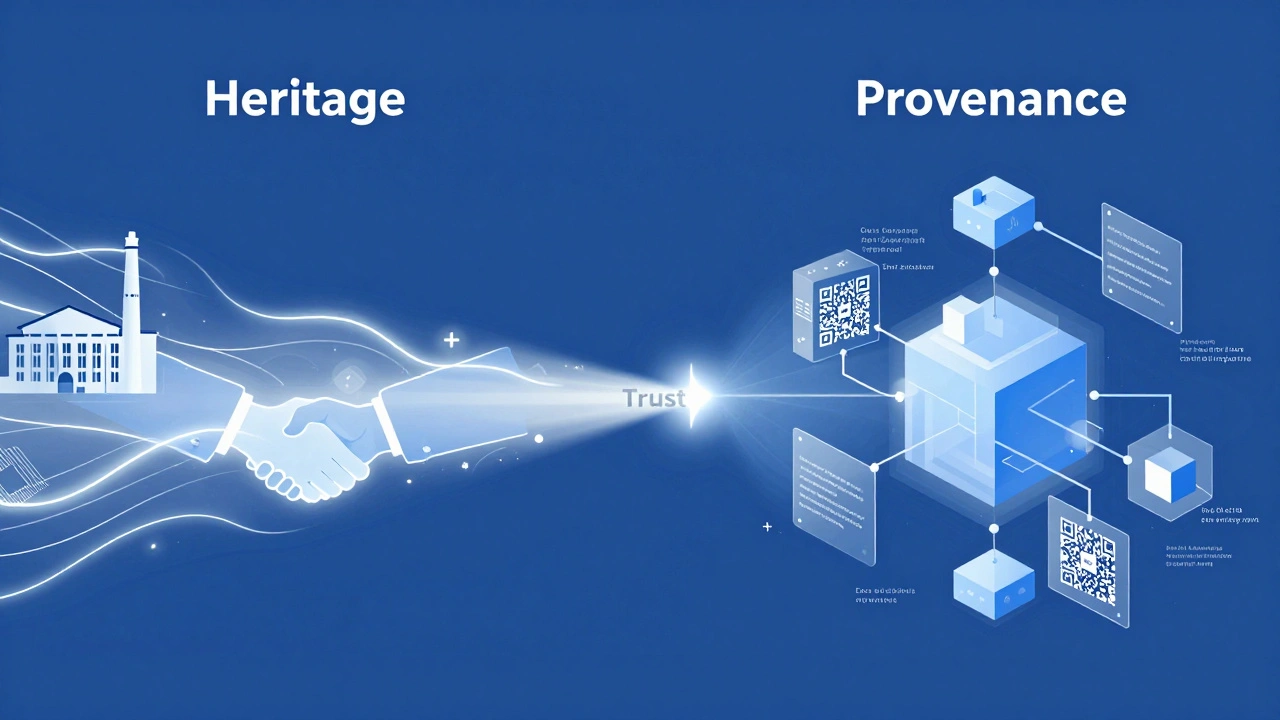
Provenance is often confused with heritage, but they are distinct. Heritage is the narrative-the story of where you came from. Provenance is the evidence-the verifiable facts that support that story. In the past, a handshake and a reputation were enough. Today, skepticism is high. Greenwashing and fake artisan claims have taught consumers to be wary.
This is where transparency becomes your best friend. Provenance answers the question: "Can I verify this claim?" For food brands, this means showing the farm, the harvest date, and the supply chain. For fashion brands, it means detailing the factory conditions and material sources. For tech companies, it might mean open-sourcing code or revealing hardware sourcing.
| Aspect | Heritage | Provenance |
|---|---|---|
| Definition | The historical narrative and legacy of a brand | The documented origin and history of a specific product |
| Focus | Emotional connection and brand identity | Factual verification and transparency |
| Role in Trust | Builds affinity and loyalty | Reduces risk and validates claims |
| Example | A shoe brand founded in 1936 | A QR code showing the leather source |
Without provenance, heritage is just marketing fluff. Consumers can smell inauthenticity from a mile away. If you claim to use sustainable materials but cannot show the supply chain, you lose trust. Provenance turns abstract promises into concrete data. It satisfies the analytical part of the buyer’s brain while heritage satisfies the emotional part.
Storytelling: The Bridge Between Past and Present
You have the history, and you have the facts. Now you need a story. Storytelling is the vehicle that delivers heritage and provenance to the consumer. But not all stories are created equal. The best brand stories don’t just list dates and achievements. They connect the past to the present in a way that feels relevant to the buyer’s life.
Consider how Patagonia tells its story. It doesn’t just say, "We started in 1973." It talks about the founder’s passion for climbing, the ethical dilemmas faced in sourcing materials, and the ongoing mission to protect the planet. This narrative makes the brand feel like a character in the customer’s own life journey. It creates a shared purpose.
Effective storytelling requires three elements: authenticity, conflict, and resolution. Authenticity means telling the truth, even if it includes failures. Conflict shows the challenges overcome-whether it was a supply chain crisis or a design hurdle. Resolution demonstrates how the brand emerged stronger, offering value to the customer today.
When you share these stories, you humanize your brand. People buy from people, not faceless corporations. By sharing the struggles and triumphs behind your products, you invite customers into your world. This creates a deeper bond than any discount code ever could.
Building Brand Trust Through Consistency
Trust is built over time and lost in seconds. Heritage provides a foundation for trust because it suggests longevity. If a brand has survived for decades, it must be doing something right. However, consistency is key. Your current actions must align with your historical narrative.
If your heritage story is about craftsmanship and quality, but you suddenly release a cheap, mass-produced line, you betray that trust. Modern buyers are hyper-aware of these inconsistencies. Social media amplifies every misstep. A brand that claims sustainability but gets caught using unethical labor practices will face immediate backlash.
To maintain trust, ensure that every touchpoint reinforces your heritage. From your website copy to your customer service interactions, the tone should reflect your brand’s roots. Use language that echoes your origins. Design packaging that hints at your history. Train employees to understand and embody your story.
Consistency also means staying true to your core values even when trends change. If your brand stands for durability, don’t jump on the fast-fashion bandwagon just to boost short-term sales. Long-term trust outweighs short-term gains. Customers respect brands that stay the course.

Practical Steps to Leverage Heritage
So, how do you actually use heritage to win over modern buyers? Here are actionable steps you can take, regardless of your industry.
- Audit Your History: Dig into your archives. Find old photos, letters, and early product designs. Identify key milestones and turning points. These are your raw materials.
- Document Your Supply Chain: Map out where your materials come from. Create simple visuals or QR codes that allow customers to trace the journey of their purchase. Transparency builds credibility.
- Create Content Series: Don’t dump all your history in one blog post. Break it down into a series. Share employee stories, behind-the-scenes looks at production, and interviews with long-time customers.
- Highlight Craftsmanship: Show the hands that make your products. Video content works well here. Let viewers see the skill and care involved. This reinforces the value proposition.
- Engage with Community: Heritage is often tied to place. Connect with local communities, sponsor events, or collaborate with local artists. This grounds your brand in reality.
Remember, heritage is not just for century-old brands. Even startups have a story. Your founding moment, your initial struggle, and your unique approach are part of your heritage. Start documenting now so you have a rich history to draw from later.
The Future of Heritage Marketing
As we move further into 2026, the role of heritage will only grow. Artificial intelligence can generate perfect images and copy, but it cannot create genuine history. As digital noise increases, authentic human stories will become even more valuable. Brands that invest in deep, meaningful narratives will stand out.
We are also seeing a rise in "digital provenance." Blockchain technology is being used to verify the authenticity of goods, from luxury watches to rare wines. This adds a layer of security that appeals to tech-savvy buyers. Combining traditional storytelling with modern verification tools creates a powerful hybrid approach.
Ultimately, heritage is about connection. It bridges the gap between the creator and the consumer. It transforms a transaction into a relationship. In a world that feels increasingly fragmented, offering a sense of continuity and trust is a gift your customers will appreciate.
What is the difference between brand heritage and brand history?
Brand history is the factual record of events, dates, and milestones. Brand heritage is the curated narrative that interprets those facts to create emotional resonance and meaning for the audience. History is what happened; heritage is what it means.
How can a new brand build heritage without a long history?
New brands can build heritage by focusing on their founding story, core values, and commitment to quality. Documenting the journey from day one, engaging with early adopters, and maintaining consistency in messaging helps establish a sense of legacy over time.
Why is provenance important for modern consumers?
Provenance provides verifiable proof of a brand’s claims regarding quality, ethics, and sustainability. In an era of greenwashing and misinformation, consumers demand transparency to make informed decisions and trust the brands they support.
Does heritage marketing work for all industries?
Yes, but the approach varies. Luxury goods rely heavily on heritage for exclusivity. Tech companies might focus on innovation history and reliability. Food brands emphasize sourcing and tradition. The key is finding the aspects of heritage that resonate with your specific audience.
How does storytelling impact brand trust?
Storytelling humanizes a brand, making it relatable and memorable. Authentic stories that include challenges and resolutions demonstrate integrity and resilience, which fosters deeper trust compared to purely functional advertising.