Why Classic British Car Lines Endure: The Secret to Timeless Ratios
 Aug, 17 2026
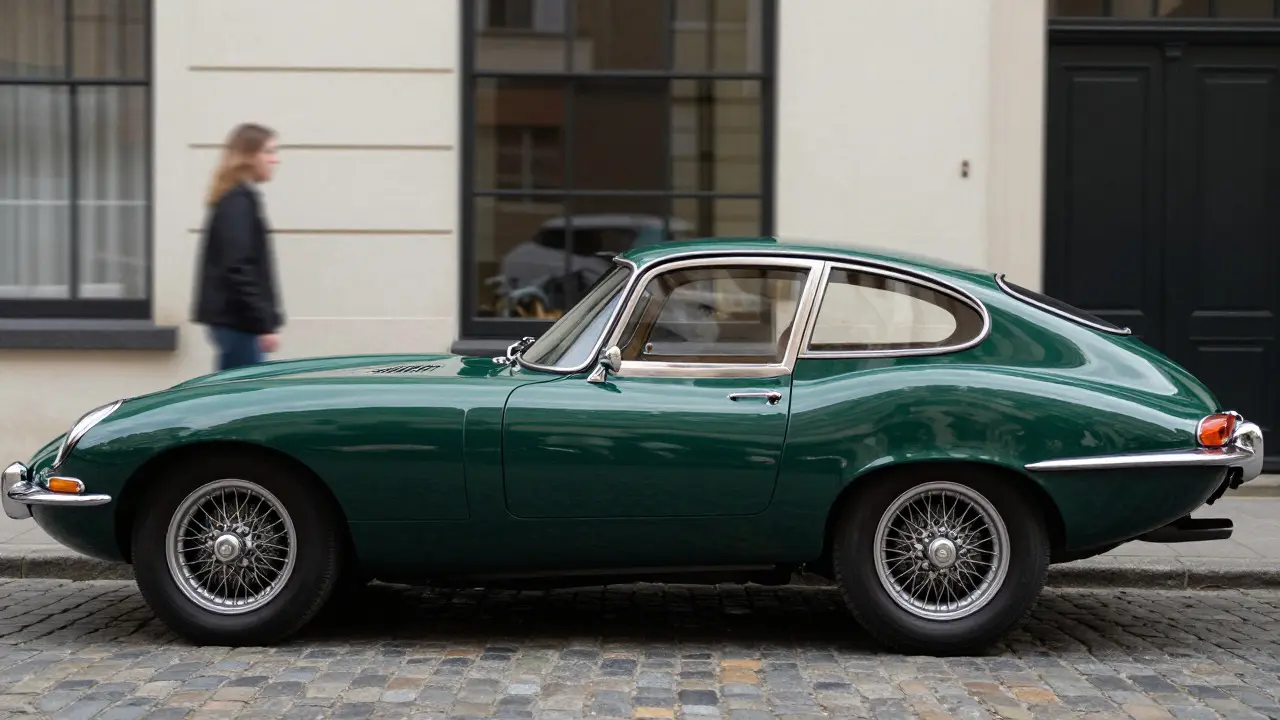
There is a specific feeling you get when you look at a 1960s Jaguar E-Type or a Rover P5B. It doesn’t feel like a machine. It feels like it was grown, not built. This isn't just nostalgia talking. These vehicles possess a visual weight and balance that modern hypercars often struggle to replicate, despite having superior aerodynamics and engineering.
The secret lies in the intersection of strict manufacturing constraints and a deep respect for human scale. In the mid-20th century, British designers didn't have CAD software or wind tunnels to obsess over drag coefficients. Instead, they had chalk lines, wooden models, and a profound understanding of how a car sits next to a person. This article breaks down why these classic lines still look "right" today, focusing on the geometric principles that define their enduring appeal.
The Geometry of Balance: Understanding Golden Ratios in Automotive Design
When we talk about timeless ratios, we are usually referring to the relationship between the wheelbase, the hood length, and the cabin position. In many classic British sports cars, the front overhang (the distance from the front axle to the bumper) is relatively short, while the rear overhang extends slightly longer. This creates a sense of forward motion even when the car is parked.
Consider the Aston Martin DB5. Its side profile is defined by a long, sweeping beltline that connects the headlamps to the taillights without interruption. This continuous line guides the eye smoothly across the vehicle, preventing visual clutter. Modern designs often break this line with sharp creases or character lines to create "muscle," but the classic approach relies on surface curvature rather than edge definition. The result is a softer, more organic shape that feels less aggressive and more elegant.
- Wheel-to-Arch Ratio: Classic British cars typically leave a visible gap between the tire and the fender arch. This negative space adds lightness to the visual weight.
- Cabin Positioning: The driver’s seat is often positioned closer to the front axle, creating a balanced distribution of visual mass between the front and rear sections.
- Roofline Slope: A gentle, continuous curve from the windshield to the trunk lid avoids abrupt angles, contributing to a sense of flow.
Human Scale: Why Proportions Matter More Than Size
A critical aspect of these designs is their relationship to the human body. When you stand next to a classic British saloon or coupe, the door handles, mirrors, and window sills are positioned at heights that align naturally with a standing adult's reach and sightline. This is known as anthropometric alignment.
In contrast, many modern SUVs and trucks are designed to be imposing. They sit higher, block the view of the road behind them, and often feature handlebars that require a stretch to reach comfortably. While functional for off-road capability, this shift in scale can make the vehicle feel disconnected from the driver. Classic British cars, however, were designed in an era where the car was a personal extension of the owner, not just a mode of transport. The interior spaces are compact but intimate, wrapping around the driver rather than surrounding them in a cockpit-like isolation.
This human-centric approach means that the exterior lines reflect the internal ergonomics. The height of the shoulder line often mirrors the natural posture of a seated driver. If you look at a Triumph Spitfire, the low roofline and wide stance give it a grounded presence that feels stable and safe, even though the actual safety standards of the 1960s were minimal. The design communicates reliability through its proportions, not through crumple zones.
The Role of Materials and Surface Treatment
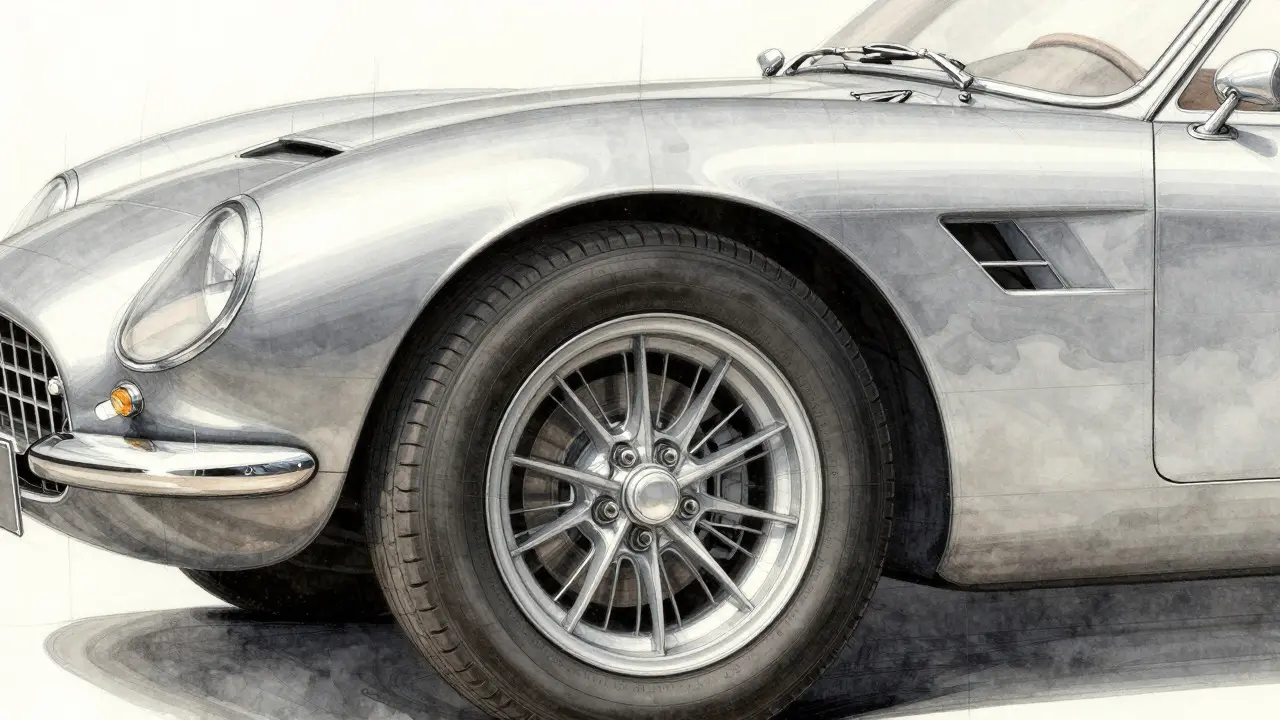
You cannot discuss the endurance of these lines without mentioning the materials used to create them. Classic British cars were primarily constructed from steel panels that were stamped, formed, and then hand-finished. This process allowed for subtle variations in surface tension that digital modeling often smooths out too perfectly.
Paint played a crucial role in defining these shapes. Deep, glossy colors like British Racing Green or Silver Birch accentuate the curves of the bodywork. Light reflects off these curved surfaces in complex ways, creating highlights and shadows that emphasize the volume of the car. A flat panel might look boring under direct sunlight, but a curved fender catches the light dynamically, changing appearance as the angle shifts.
| Feature | Classic British Design (1950s-70s) | Modern Mainstream Design (2020s) |
|---|---|---|
| Primary Focus | Visual harmony and elegance | Aerodynamic efficiency and safety compliance |
| Surface Definition | Curves and flowing lines | Sharp creases and angular facets |
| Scale Perception | Intimate, human-sized | Imposing, technology-focused |
| Material Emphasis | Steel and glass transparency | Composite materials and hidden structures |
Specific Models That Define the Standard
To truly understand these principles, it helps to look at specific examples that have become icons of the genre. Each of these models demonstrates different aspects of timeless proportion.
The Jaguar XK120 set the template for the 1950s. Its long nose and rounded fenders created a silhouette that looked fast even at a standstill. The separation between the wheel arches and the main body panels added a layer of detail that broke up large flat areas, preventing the car from looking like a simple box on wheels.
Then there is the MG MGB. Often criticized for its rust issues, its design is undeniably clean. The MGB uses a very simple, almost minimalist approach to styling. There are no unnecessary frills. The lines are straight where they need to be strong, and curved where they need to be soft. This simplicity is why it remains so recognizable after decades. It proves that you don't need complexity to achieve timelessness; you just need correct proportions.
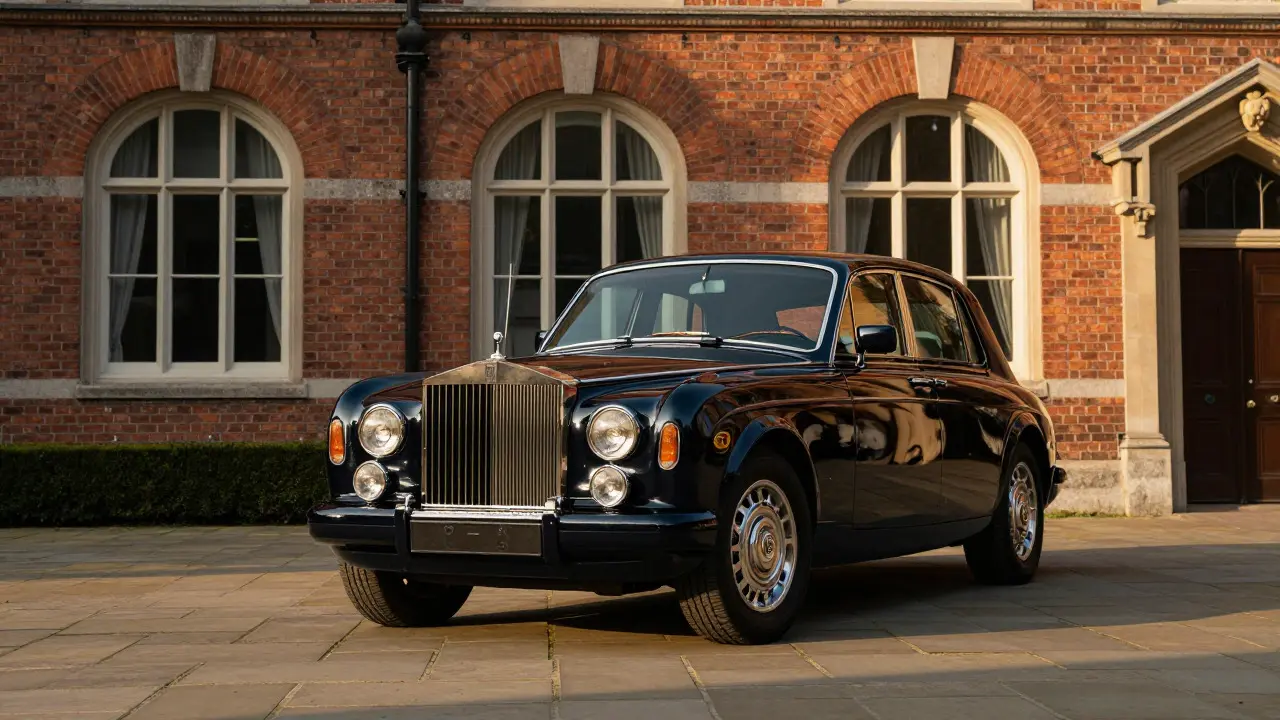
For those interested in luxury, the Rolls-Royce Phantom series offers a masterclass in formal design. The sheer size of these cars could easily make them look bulky, but the designers managed to keep the lines crisp and the stance dignified. The vertical grille and upright posture communicate authority without aggression. The ratio of glass to metal is carefully calibrated to ensure the cabin feels spacious yet protected.
Why Modern Cars Struggle to Replicate This Look
If classic ratios work so well, why don't all new cars look like this? The answer lies in regulatory changes and consumer expectations. Today, cars must meet strict pedestrian impact regulations, which forces designers to use softer, less defined bumpers. Safety airbags and structural reinforcements add bulk to the pillars and doors, altering the traditional window-to-body ratio.
Furthermore, the rise of electric vehicles has changed the fundamental layout of the car. Without a large engine block in the front, the hood can be shorter, and the cabin can move further forward. While this improves efficiency, it disrupts the long-nose, short-deck aesthetic that defines much of classic British design. Manufacturers are now experimenting with retro-inspired designs, but they often lack the structural integrity or material honesty of their predecessors.
Another factor is the global market. Classic British cars were designed for local roads and climates. Today, cars must sell in Japan, China, Europe, and North America simultaneously. This leads to a homogenization of style, where features are added or removed to appeal to diverse tastes. The result is often a compromise that lacks the distinct character of a vehicle designed with a single, clear vision in mind.
Preserving the Legacy: What Enthusiasts Should Look For
When evaluating a classic British car for purchase or restoration, paying attention to these proportional cues can help you identify a well-made example. A car that looks "off" often has been poorly repaired or modified in a way that distorts its original geometry.
- Check Panel Gaps: Consistent gaps between the doors, fenders, and hood indicate good factory assembly. Uneven gaps suggest poor fitment or accident damage.
- Assess Line Continuity: Trace the beltline with your eyes. If it jumps or dips unexpectedly, it may indicate a misaligned panel or a modification that disrupts the flow.
- Evaluate Wheel Alignment: The wheels should sit squarely within the arches. Tilted or protruding wheels change the visual center of gravity and can make the car look unstable.
- Inspect Glass Surfaces: The curvature of the windows should match the roofline. Flat or incorrectly shaped glass can make the cabin look disjointed from the body.
Understanding these elements allows you to appreciate not just the history of the car, but the engineering and artistic decisions that went into its creation. It transforms the vehicle from a mere object into a study in form and function.
What makes British car design different from American or Italian styles?
British design tends to prioritize understated elegance and mechanical honesty over the flashy chrome of American cars or the dramatic curves of Italian supercars. It focuses on balance, proportion, and a certain restraint that appeals to a broader range of tastes without trying to shock or impress aggressively.
Are classic British cars practical for daily driving today?
While they lack modern safety features and infotainment, many owners find them highly practical for leisure driving. Their human-scale dimensions make them easier to park and maneuver in tight urban spaces compared to modern SUVs. However, maintenance costs and parts availability should be considered for high-mileage daily use.
How do I identify if a classic car has been poorly restored?
Look for inconsistencies in paint texture, uneven panel gaps, and misaligned trim pieces. A poorly restored car may have surfaces that look perfect under bright light but reveal ripples or filler marks when viewed from different angles. Checking the underside of the chassis for fresh primer or inconsistent rust treatment is also a good indicator.
Why do some modern cars try to mimic classic designs?
Manufacturers use retro-styling to evoke emotional connections and brand heritage. By referencing proven successful designs, they reduce the risk of alienating customers who prefer familiar aesthetics. It also serves as a marketing tool to differentiate their models in a crowded market filled with similar-looking modern vehicles.
What role does color play in the perception of a car's proportions?
Color significantly affects how we perceive size and shape. Dark colors tend to make cars look smaller and more compact, emphasizing their curves. Light colors can make them appear larger and more expansive. Choosing the right shade can either enhance or detract from the intended design language of the vehicle.