Why British Sports Cars Feel Different: Steering, Suspension & Feedback
 Aug, 17 2026
There is a specific type of shiver that runs down your spine when you take the wheel of a classic Lotus Elan or a vintage Jaguar E-Type. It isn't just about speed. It’s about how the car talks to you. In American muscle cars, the steering is often heavy and disconnected; in German supercars, it is precise but sometimes sterile. But in British sports cars, the connection feels raw, organic, and almost alive. This article breaks down the mechanical and historical reasons why these vehicles deliver such unique steering feedback and suspension responses that define their character.
The Philosophy of Lightweight Engineering
To understand the feel, you have to look at the weight. British engineering, particularly from the 1950s through the 1970s, was obsessed with keeping mass low. Companies like Lotus and McLaren didn’t build engines to be the most powerful on the road; they built chassis to be the lightest. When a car weighs significantly less than its competitors, every input from the driver is magnified. There is no excess weight to dampen the vibrations coming up through the steering column or the seat rails.
This lightweight approach means that the chassis flexes and reacts instantly to road inputs. You don’t just see the bumps; you feel them before your eyes register them. This creates a heightened state of awareness that modern, heavy luxury sedans simply cannot replicate. The car becomes an extension of your body rather than a separate machine you are operating.
Suspension Geometry and Tuning
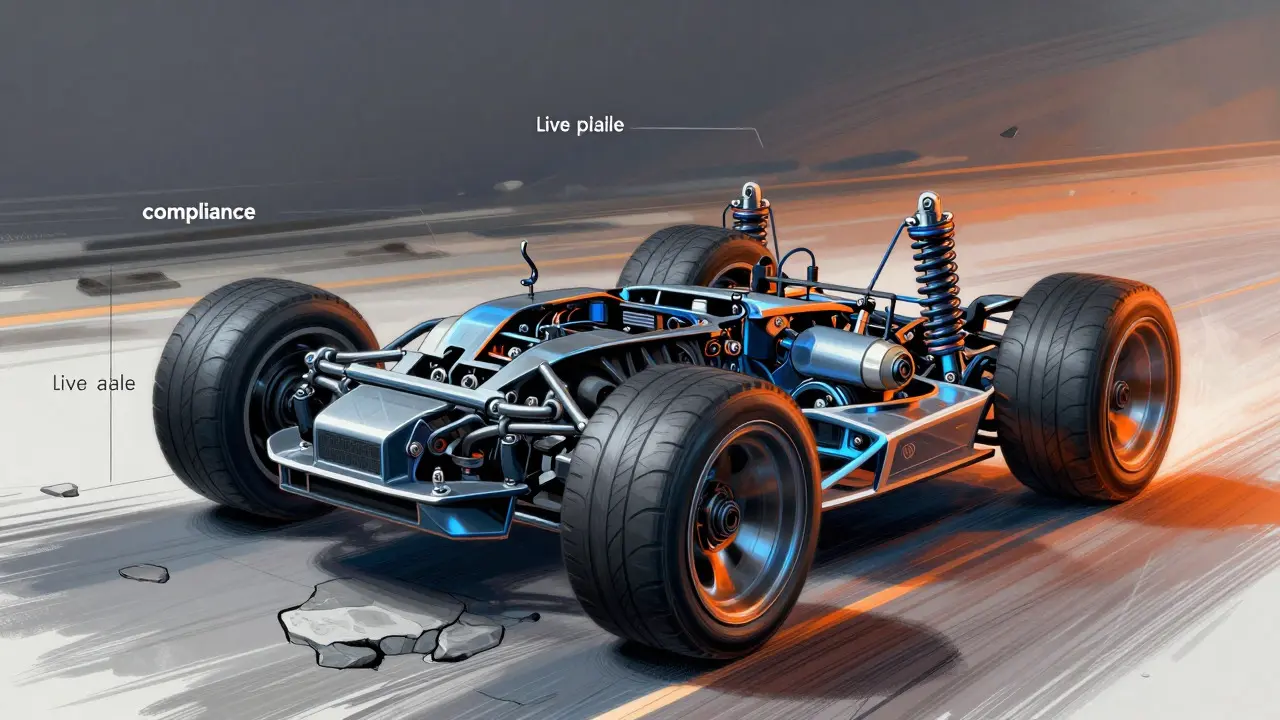
The magic lies in the suspension setup. British manufacturers often favored double wishbone front suspensions and live axles or independent rear setups that were tuned for compliance rather than isolation. Compliance allows the tires to stay planted on uneven surfaces, but it also transmits more information to the cabin.
- Soft Damping: Many classic Brits used softer shock absorbers. This lets the springs work harder, absorbing high-frequency chatter while letting low-frequency movements (like the car leaning into a corner) reach the driver.
- Tall Spring Rates: To support the engine without adding too much unsprung mass, engineers often used taller, stiffer springs. This reduces the weight moving up and down, making the car react faster to steering inputs.
- Anti-Roll Bars: These were often thinner or absent in early models, allowing the body to roll slightly. This visual cue helps drivers gauge the limit of grip, a critical safety feature in the pre-electronics era.
The result is a suspension that feels "planted" yet flexible. It doesn't fight you; it informs you. When the rear end starts to step out, you feel it through the seat before you hear the tires scream.
Steering Column Directness
Modern cars use electric power steering (EPS) which can mask imperfections. Classic British cars typically used hydraulic power steering or even manual rack-and-pinion systems with minimal assistance. This directness is key. The distance between your hands and the contact patch of the tire is minimized by design.
In a car like the Alfa Romeo Spider (often grouped with European/British heritage in enthusiast circles due to similar handling traits) or a Triumph Spitfire, the steering ratio is often quicker. This means a small turn of the wheel results in a sharper change in direction. Combined with the lack of electronic interference, you feel every pebble in the road and every shift in weight transfer. It requires constant micro-adjustments from the driver, creating a dialogue between human and machine.
The Role of Seat Position and Ergonomics
It’s not just the metal; it’s where you sit. British sports cars are designed with a cockpit-centric layout. The driver sits low, close to the center of gravity, and often directly over the drive wheels. This proximity amplifies sensory input.
- Low Seating Height: Being closer to the ground lowers your center of perception, making the car feel wider and more stable.
- Rigid Seats: Vintage seats were often made of leather or vinyl stretched over wood or metal frames. They lacked the thick foam padding of modern comfort-focused seats. This rigidity transmits vibration directly to your hips and spine.
- Pedestal Placement: Pedals are positioned to allow for heel-toe shifting without lifting your feet off the floor pan, keeping your lower body anchored to the car's movement.
This ergonomic setup ensures that when the car moves, you move with it. There is no cushioning between you and the physics of the drive.
Comparison of Driving Dynamics
How does this compare to other styles? Let’s look at the data points that define these differences.
| Feature | British Sports Car | German Performance Car | American Muscle Car |
|---|---|---|---|
| Primary Focus | Driver Engagement | High-Speed Stability | Raw Power/Acceleration |
| Steering Feedback | High/Direct | Moderate/Precise | Low/Heavy |
| Suspension Style | Compliant/Flexible | Stiff/Isolated | Soft/Comfort-Oriented |
| Weight Strategy | Lightweight Chassis | Optimized Mass Distribution | Heavy Platform |
| Driver Input Required | Constant Adjustment | Confident Control | Minimal Correction |

Modern Interpretations of Heritage
You might think this feeling is lost to history, but modern brands like McLaren and Aston Martin still prioritize this ethos. They use carbon fiber monocoques to keep weight down and tune their active suspension systems to remain compliant. Even in electric vehicles, like the new generation of performance EVs, engineers are working hard to add artificial haptic feedback to mimic that missing physical connection. However, nothing quite replicates the mechanical sympathy of a steel tub and rubber bushings working together.
Frequently Asked Questions
Why do British sports cars feel lighter than they actually are?
This is due to the low seating position and the distribution of mass. With the engine placed centrally or longitudinally near the driver, the car rotates quickly around its vertical axis. This quick rotation makes the car feel agile and light, even if the scale weight is higher than expected.
Is the "bouncy" suspension a defect?
No, it is a design choice known as compliance. A perfectly stiff suspension would isolate the driver from the road surface, reducing grip on imperfect roads. The slight bounce allows the tires to maintain contact patches, providing better traction and feedback.
Can I get this feel in a modern daily driver?
Yes, though it is rarer. Look for cars with mechanical limited-slip differentials, solid axle rears, or adjustable coilover suspensions. Brands like Mazda (MX-5) and Toyota (GR86) continue to prioritize driver feedback over pure luxury comfort.
Does electric power steering ruin the experience?
It can, if poorly tuned. Electric power steering lacks the natural friction and fluid resistance of hydraulic systems. However, modern software can simulate variable damping and road texture, bringing the feel closer to traditional systems, though purists still prefer the mechanical link.
Which specific model best represents this heritage?
The Lotus Elan and the Jaguar E-Type are often cited as the pinnacle of this philosophy. Both combined extreme lightness with sophisticated suspension geometry, creating a benchmark for driver-car communication that influenced generations of sports car design.