Why British Family Cars Became Icons of Film and Nostalgia
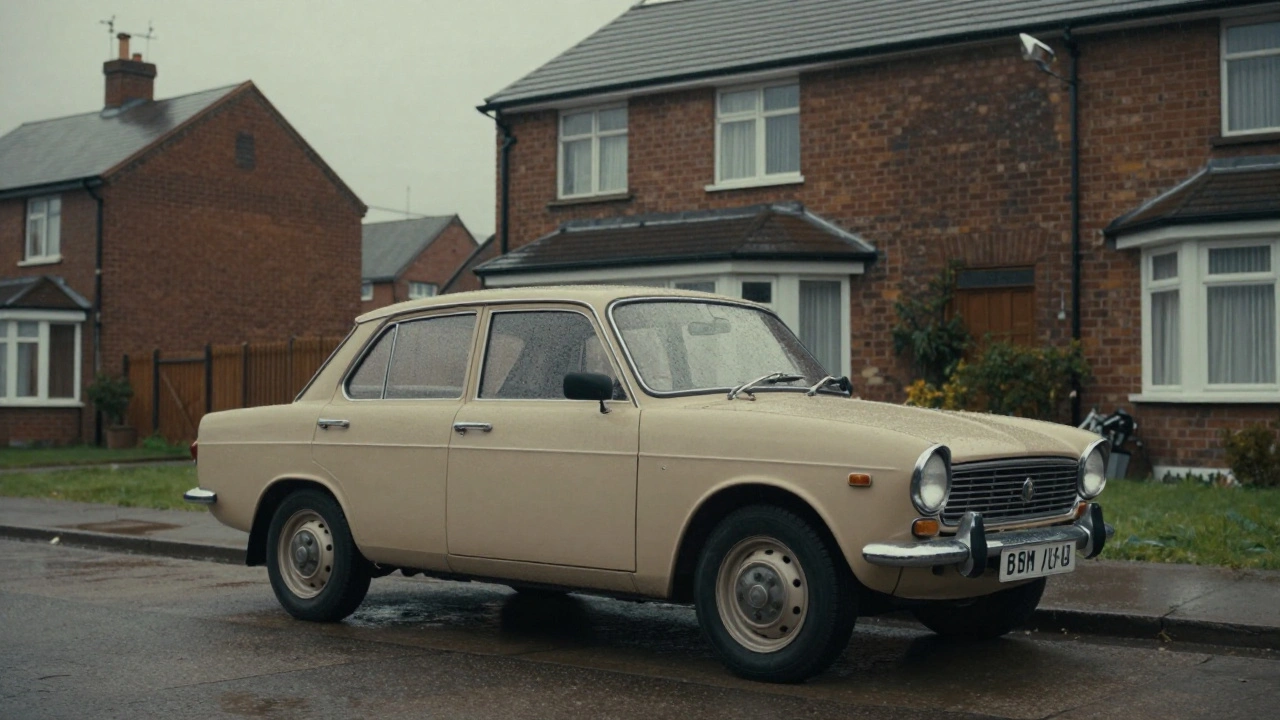 Apr, 29 2026
The Quick Take
- Class Markers: Cars like the Austin Allegro signaled middle-class aspiration or failure.
- Cinematic Shorthand: Specific models instantly evoke the 60s, 70s, or 80s without needing dialogue.
- Emotional Anchors: Nostalgia is tied to the 'first car' experience and childhood road trips.
- Design Quirks: The eccentricities of British Leyland made these cars memorable and often comical.
The Social Blueprint on Four Wheels
In the UK, what you drove said everything about your tax bracket. During the mid-century boom, the family car became the ultimate status symbol. Austin and Morris weren't just brands; they were the backdrop of the British dream. If you had a Morris Minor, you were perhaps a modest clerk. If you moved up to a larger saloon, you had 'arrived'.
This social layering is why these cars are goldmines for screenwriters. Want to show a family struggling to keep up appearances? Put them in a slightly faded Rover P6. The Rover was the car of the professional class-doctors, lawyers, and middle managers. When it starts breaking down in a movie, it's a metaphor for the crumbling stability of the middle class. The contrast between the dignified exterior and the mechanical chaos inside is a classic comedic trope that still works today.
Why British Leyland Became a Punchline
You can't talk about British car nostalgia without mentioning British Leyland. This massive conglomerate, formed by the merger of several brands, became synonymous with industrial strife and questionable engineering. The Austin Allegro, with its peculiar 'bubble' shape and sliding gear change, is the poster child for this era. It didn't just fail as a product; it failed as a promise of British ingenuity.
In pop culture, the Allegro or the Morris Marina are used as visual jokes. They represent a specific kind of optimism that went horribly wrong. When you see one in a period drama, it's often a signal that the character is out of their depth or clinging to a version of 'Great Britain' that was already disappearing. The irony is that the very things that made them terrible-the reliability issues and odd designs-are exactly what make them nostalgic now. We don't miss the breakdowns; we miss the era when cars had such distinct, often weird, personalities.
| Model | Associated Class | Cinematic Role | Key Attribute |
|---|---|---|---|
| Morris Minor | Working/Lower Middle | Innocence, Post-war recovery | Friendly, Rounded Shape |
| Austin Allegro | Middle Class | Satire, Industrial failure | Quirky Design, Unreliability |
| Rover P6 | Professional Class | Authority, Fading prestige | Sophisticated, Boxy |
| Ford Cortina | Everyman / Trade | Suburban life, 70s grit | Ubiquity, Practicality |
The Cinematic Tool: Setting the Scene Instantly
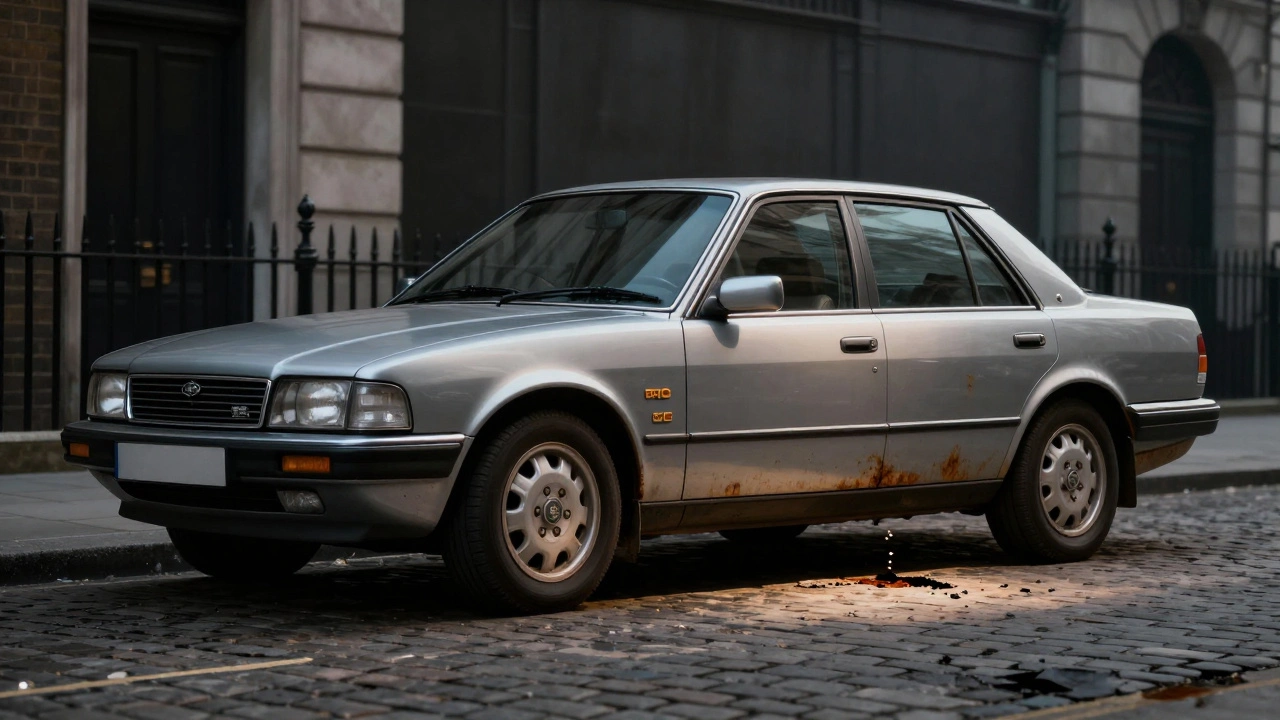
Directors love these cars because they act as time machines. If you see a Ford Cortina, you don't need a title card saying '1975'. The Cortina was the quintessential 'everyman' car. It was everywhere-from the company car park to the driveway of a semi-detached house in Essex. It represents the mundane, the familiar, and the slightly gritty reality of the 70s.
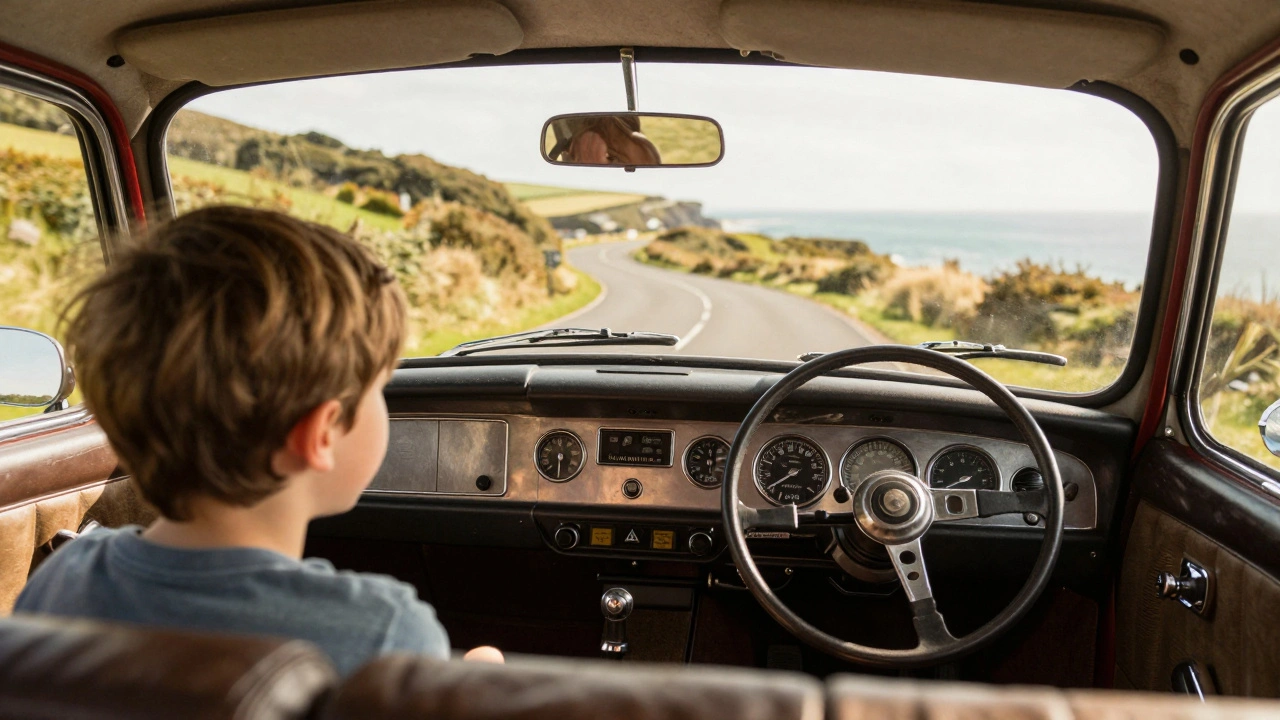
When a film uses a British family car, it's often creating a sense of 'coziness' or 'claustrophobia'. Think about the family road trip movies. The car is a pressure cooker. The cramped interiors of old British saloons force characters together, sparking arguments and revelations. The physical space of the car mirrors the emotional space of the family. A modern SUV is too spacious and sterile for that; an old Austin is just right for a domestic blowout.
The Psychology of Automotive Nostalgia
Why do we feel a tug at the heartstrings for cars that were, frankly, not very good? It's not about the horsepower or the fuel efficiency. It's about sensory memory. The smell of vinyl seats in the summer, the clicking sound of a manual choke, and the feeling of a steering wheel that had a bit too much 'play' in it. These cars were tactile. They felt like mechanical objects, not computers on wheels.
There is also the 'underdog' effect. There's something endearing about a car that tried its best but was outclassed by German or Japanese imports. Owning or admiring a classic British family car today is a way of celebrating a flawed, human version of progress. It's a rejection of the homogenized, wind-tunnel-tested designs of today's traffic. We crave the eccentricity because our current world is too streamlined.
From the Driveway to the Museum
The transition of these cars from daily drivers to collector's items happened gradually. For years, they were just 'old bangers' to be scrapped. But as the generation that grew up in them reached middle age, the value shifted. The cars became symbols of a lost childhood. A man buying a restored Triumph estate isn't just buying a vehicle; he's buying back the feeling of being ten years old in the backseat on the way to the coast.
This trend has fueled a massive resurgence in the classic car market. It's no longer just about the rare sports cars like the Jaguar E-Type. The 'ordinary' cars-the ones that actually did the heavy lifting of family life-are now the most desired for their authenticity. They represent a time when the journey was as important as the destination, mostly because the car might break down halfway through, forcing you to actually talk to your family.
Why is the Austin Allegro so famous in pop culture?
The Allegro is a symbol of the decline of the British motor industry. Its unconventional looks and reliability issues made it a target for jokes, which in turn made it a perfect visual shorthand for failure or middle-class struggle in TV and film.
What is the 'everyman' car of the UK?
The Ford Cortina is widely considered the 'everyman' car. Because it was sold in such massive numbers and used as both a family car and a company vehicle, it represents the average British suburban experience of the 1970s and 80s.
How do these cars help directors set the time period?
Automobiles are highly date-specific. By placing a specific model, like a Morris Minor for the 50s or a Rover P6 for the 60s/70s, directors can instantly signal the era and the social standing of the characters without needing a single line of dialogue.
Why are British cars often associated with class in films?
Historically, UK car brands had very clear target markets. Rovers were for the professional class, Austins and Morris for the middle/working class, and Jaguars for the elite. This clear hierarchy allows filmmakers to use cars to explain social dynamics quickly.
Is it just the UK that feels this kind of car nostalgia?
While the specific cars are British, the feeling is universal. Many cultures have 'ordinary' cars that become icons-like the VW Beetle in Germany or the Volvo 240 in Sweden-because they represent a shared collective memory of family life.
What to Do if You're Chasing the Nostalgia
If you're looking to get into the world of classic British family cars, don't start by looking for the 'perfect' specimen. Part of the charm of these cars is their imperfection. Look for a model that has a personal connection for you, or one that evokes the specific era you're interested in.
Start by joining a local owners' club. The community around these cars is usually more about camaraderie and shared laughter over mechanical failures than it is about winning concours trophies. Be prepared for a learning curve; these cars require a different kind of ownership than a modern lease. You'll need a bit of patience, a few good wrenches, and a lot of tolerance for the occasional oil leak on your driveway.