Why British Brands Command Loyalty: Story, Prestige, and Engineering Honesty
 Sep, 1 2026
Walk into a showroom in London or Los Angeles, and you’ll notice something peculiar about the way people look at a Jaguar or an Aston Martin. It’s not just admiration for the metal; it’s a sense of recognition. They aren’t just buying a car or a watch; they are buying into a narrative that has been carefully curated over decades. This isn’t accidental marketing fluff. It is the result of a specific cultural alchemy where history, perceived status, and mechanical truth collide to create unshakeable customer devotion.
You might wonder why some brands fade while others, like Rolls-Royce, seem immune to economic downturns. The answer lies in three pillars: the power of storytelling, the weight of prestige, and a commitment to engineering honesty that feels rare in our disposable age. Let’s break down how these elements work together to keep customers coming back, even when cheaper options exist.
The Narrative Engine: Why Stories Sell Better Than Specs
Humans are wired for stories, not spreadsheets. When you buy a product from a heritage brand, you are purchasing a chapter of history. Consider Land Rover. It didn’t just build off-road vehicles; it built the legend of the explorer. From the colonial expeditions of the mid-20th century to modern-day overlanding communities, the brand’s identity is tied to capability and adventure. This narrative creates an emotional hook that technical specifications alone cannot replicate.
This storytelling isn’t limited to cars. Look at Burberry. The trench coat wasn’t invented as a fashion statement; it was engineered for World War I soldiers. Today, wearing one signals durability and tradition. The story transforms a piece of fabric into a badge of honor. For consumers, this means their purchase has meaning beyond utility. It connects them to a lineage of users who valued resilience and style.
- Historical Continuity: Brands maintain archives and museums to reinforce their origins.
- Cultural Icons: Association with films (like James Bond) or royalty cements the mythos.
- Community Identity: Owners join clubs that celebrate the shared story, reinforcing loyalty through social belonging.
Prestige as Social Currency
Prestige is often dismissed as snobbery, but in business terms, it is social currency. A logo on a Bentley grille does more than identify the manufacturer; it signals taste, wealth, and discernment to the outside world. This signaling effect is powerful because it reduces decision fatigue for buyers. In a market flooded with choices, choosing a prestigious brand is a heuristic for quality and status.
However, true prestige isn’t just about price tags. It’s about exclusivity and scarcity. Limited production runs, bespoke customization options, and waitlists create a sense of privilege. When you own a McLaren, you know few others share your exact specification. This rarity drives desire. It turns ownership into an achievement rather than a transaction.
| Brand Attribute | Functional Value | Emotional/Social Value |
|---|---|---|
| Heritage Storytelling | Proven reliability over time | Connection to historical legacy |
| Prestige & Status | High resale value retention | Social recognition and belonging |
| Engineering Honesty | Performance predictability | Trust in craftsmanship and integrity |
Engineering Honesty: The Counter-Culture of Quality
In an era of planned obsolescence, where gadgets are designed to fail after two years, British engineering often positions itself as the antithesis. This is what we mean by "engineering honesty." It refers to products built to last, repair, and perform consistently under pressure. Take Dyson, for example. While technically a modern invention, its philosophy aligns with traditional British values of solving problems through rigorous mechanics rather than software gimmicks. The vacuum cleaner works because the airflow physics are sound, not because of a clever app interface.
This honesty builds trust. When a mechanic opens the hood of a classic Triumph motorcycle, they find accessible, logical components. There are no hidden proprietary traps designed solely to force expensive dealer visits. This transparency respects the owner’s intelligence and investment. Customers appreciate knowing exactly what they are paying for and how it will behave.
Moreover, engineering honesty extends to aesthetic restraint. British design often favors timeless elegance over flashy trends. A Jaguar E-Type looks as good today as it did in 1961 because it wasn’t chasing a fleeting fad. This longevity reinforces the idea that the product is a wise long-term investment, further cementing loyalty among buyers who dislike frequent upgrades.
The Role of Craftsmanship in Modern Manufacturing
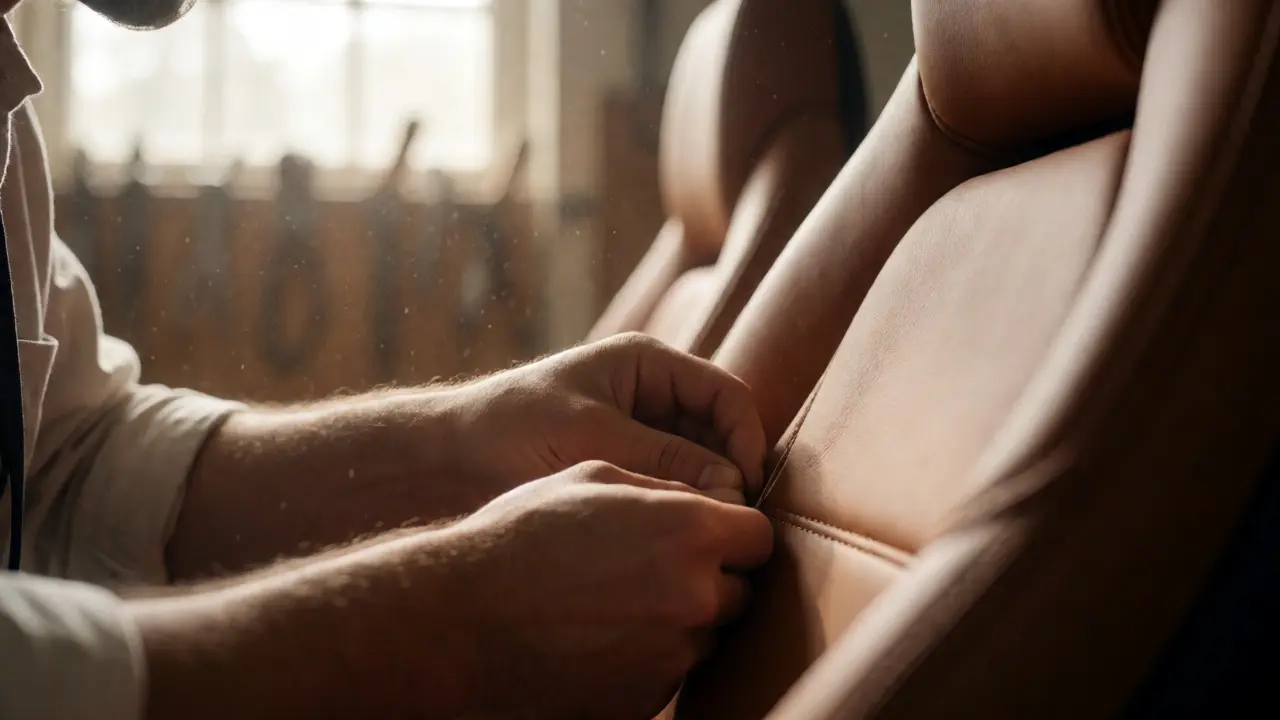
Even as automation takes over global manufacturing, British brands retain a focus on hand-finishing and human oversight. This isn’t just nostalgia; it’s a quality control mechanism. Human eyes catch imperfections that sensors miss. At the Goodwood plant, artisans spend hours stitching leather interiors, ensuring every stitch is perfect. This level of detail creates a tactile experience that mass-produced competitors struggle to match.
This craftsmanship also supports sustainability arguments. A product built to last fifty years generates less waste than ten cheap replacements. As consumers become more environmentally conscious, they increasingly value durability over disposability. British brands leverage this shift by highlighting their repairability and part availability. You can still buy parts for a 30-year-old Mini Cooper, which speaks volumes about the company’s commitment to its owners.
Navigating Global Ownership and Cultural Shifts
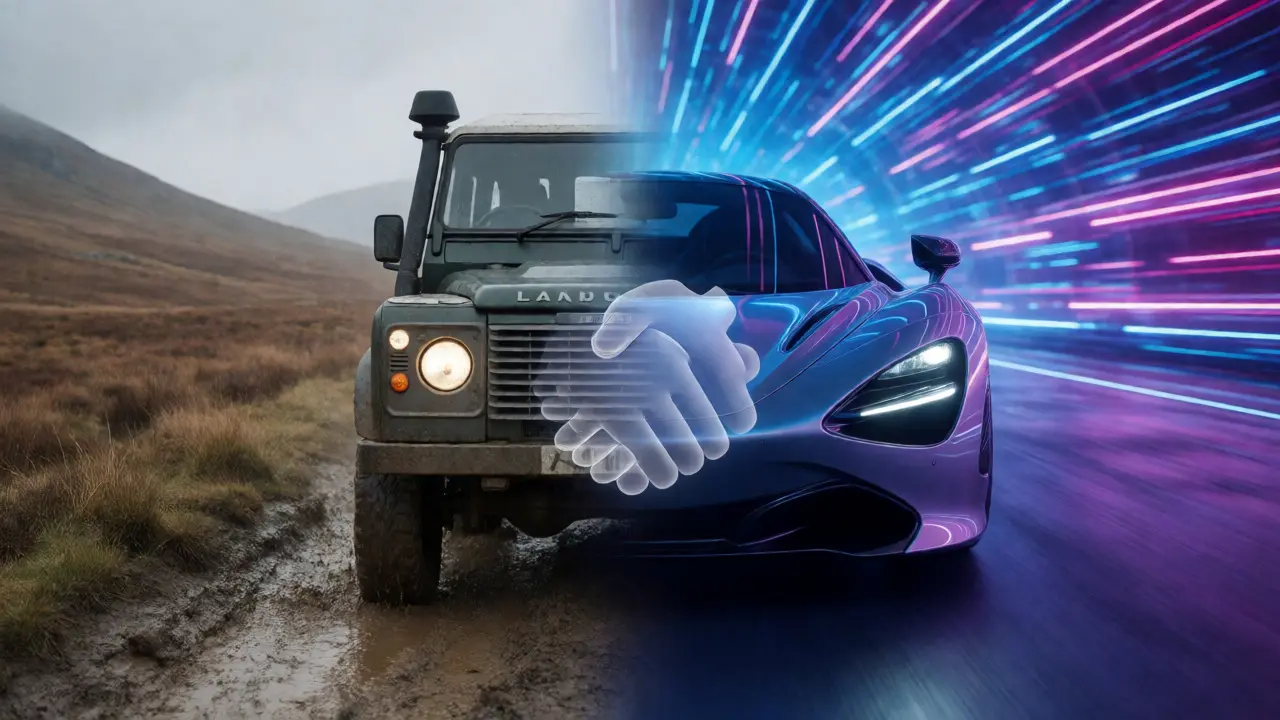
It’s worth noting that many iconic British brands are no longer owned by British companies. BMW owns Mini and Rolls-Royce; Tata Motors owns Jaguar Land Rover. Yet, the loyalty remains. Why? Because the brands have successfully decoupled their corporate ownership from their cultural identity. The management teams understand that diluting the heritage risks destroying the asset. They invest heavily in maintaining the British character of design and engineering centers, keeping the soul intact despite foreign capital.
This separation allows brands to benefit from global resources while retaining local charm. It proves that authenticity is a manageable asset, provided leadership respects the source material. Consumers are savvy enough to spot fake heritage, so the commitment to genuine British design language and testing protocols remains non-negotiable.
Building Your Own Brand Loyalty
If you’re building a brand, what can you learn from this? First, define your story early. Don’t just list features; explain why your product exists and what problem it solves in a meaningful way. Second, prioritize consistency. Prestige collapses if quality varies. Third, be honest about limitations. Admitting what your product doesn’t do builds more trust than pretending to be everything to everyone.
Loyalty isn’t bought with discounts; it’s earned through repeated positive experiences that validate the initial promise. British brands succeed because they treat their customers as partners in a long-term relationship, not just one-time sales targets.
Does foreign ownership dilute British brand prestige?
Not necessarily. If the new owners respect the brand's heritage and maintain high standards of design and engineering, the prestige can remain intact. In fact, access to greater financial resources can sometimes improve product development and global reach without compromising the core identity.
What is meant by 'engineering honesty' in consumer products?
Engineering honesty refers to designing products that are durable, repairable, and transparent in their performance claims. It avoids planned obsolescence and proprietary barriers that make maintenance difficult or expensive, prioritizing long-term usability over short-term sales cycles.
How does storytelling influence brand loyalty?
Storytelling connects consumers emotionally to a brand by providing context, meaning, and identity. It transforms a commodity into a symbol of shared values or aspirations, making customers feel part of a community or legacy rather than just purchasers of a good.
Are British brands more expensive due to labor costs?
While labor costs contribute, the premium is largely driven by perceived value, exclusivity, and the cost of specialized materials and craftsmanship. The price reflects the brand equity and the expectation of superior quality and longevity.
Can digital brands achieve similar loyalty?
Yes, but they must emulate the same principles: consistent quality, clear identity, and community engagement. Digital brands lacking physical heritage must build strong narratives around user experience and innovation to foster comparable devotion.