UK Auto Workforce: Supply Chain and Skills in a Specialist Economy
 Aug, 17 2026
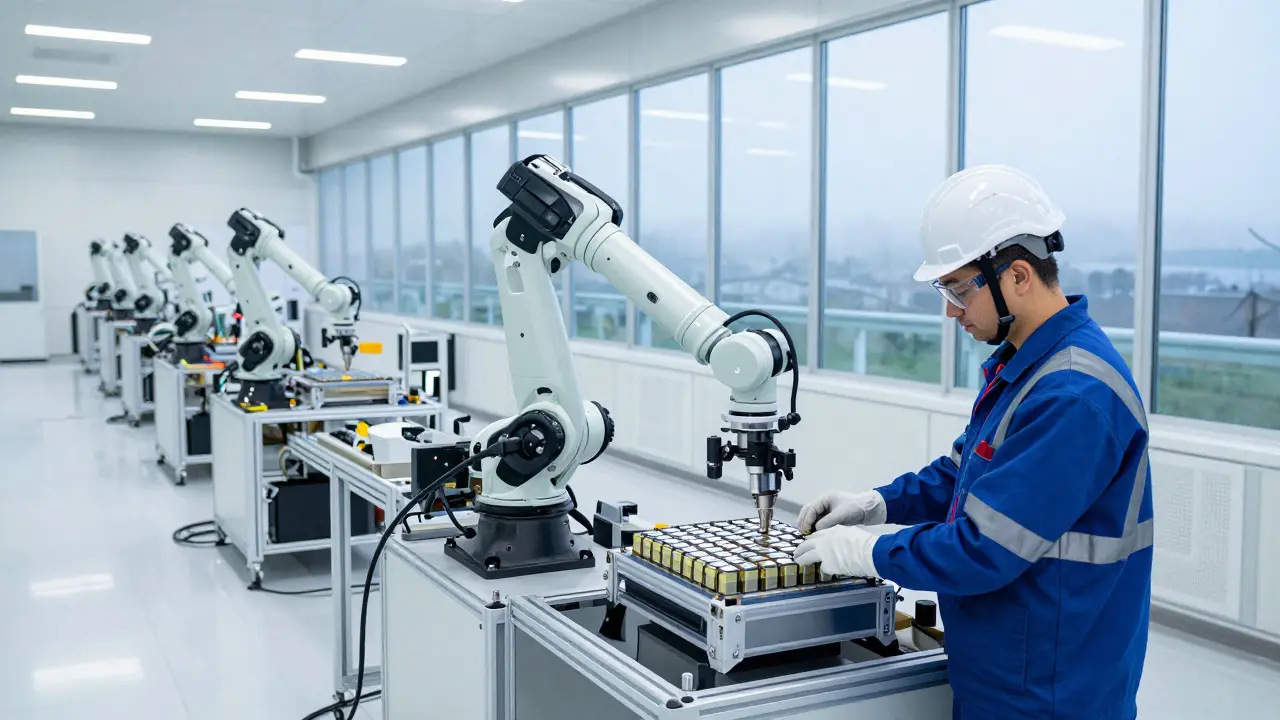
Walk the floor of a modern battery plant in Sunderland or a component factory in Coventry, and you won't find the assembly lines of the past. The UK auto workforce is undergoing a radical transformation, shifting from high-volume manual labor to specialized technical expertise. As the industry pivots toward electric vehicles (EVs) and software-defined cars, the definition of "automotive worker" has changed. It’s no longer just about torque wrenches; it’s about coding, data analysis, and precision electronics.
This shift creates a complex dynamic between what manufacturers need and what the local labor pool offers. The UK automotive sector is no longer a mass-production engine but a specialist economy focused on high-value components and niche vehicle segments. Understanding this landscape requires looking at the specific skills gaps, the evolving supply chain, and how regional hubs are adapting to keep global competitiveness.
The Shift from Volume to Value
For decades, the UK automotive industry relied on scale. Plants like those operated by Nissan in Sunderland produced hundreds of thousands of units annually, requiring large numbers of line workers with repetitive task training. Today, that model is fading. The focus has moved to Advanced Manufacturing, where output per hour matters more than total volume. This means fewer jobs, but higher skill requirements. A single technician might now manage a robotic welding cell rather than performing the weld manually.
This transition impacts employment density. While the number of direct manufacturing roles may stabilize or decrease slightly, the value added per employee increases. Companies are hiring for problem-solving abilities rather than just physical endurance. The "specialist economy" label fits because the UK excels in high-complexity areas like powertrains, batteries, and luxury performance vehicles, rather than competing on price in low-margin commodity segments.
Mapping the Modern Supply Chain
The Automotive Supply Chain in the UK is increasingly localized around key clusters. Unlike the globalized networks of the 1990s, today’s chains prioritize resilience and proximity. The Midlands, North East England, and South Wales form distinct hubs, each with specialized strengths. For example, the North East is heavily tied to battery production and EV final assembly, while the Midlands remains a stronghold for traditional internal combustion engine (ICE) components and heavy engineering.
Suppliers are under pressure to shorten lead times. Just-in-time inventory systems, once a hallmark of efficiency, have shown vulnerabilities during recent global disruptions. Consequently, many Tier 1 suppliers are re-evaluating their logistics strategies, moving closer to OEMs (Original Equipment Manufacturers). This geographic tightening creates a ripple effect on local labor markets, concentrating demand for skilled tradespeople in specific postcodes rather than spreading it evenly across the country.
The Critical Skills Gap
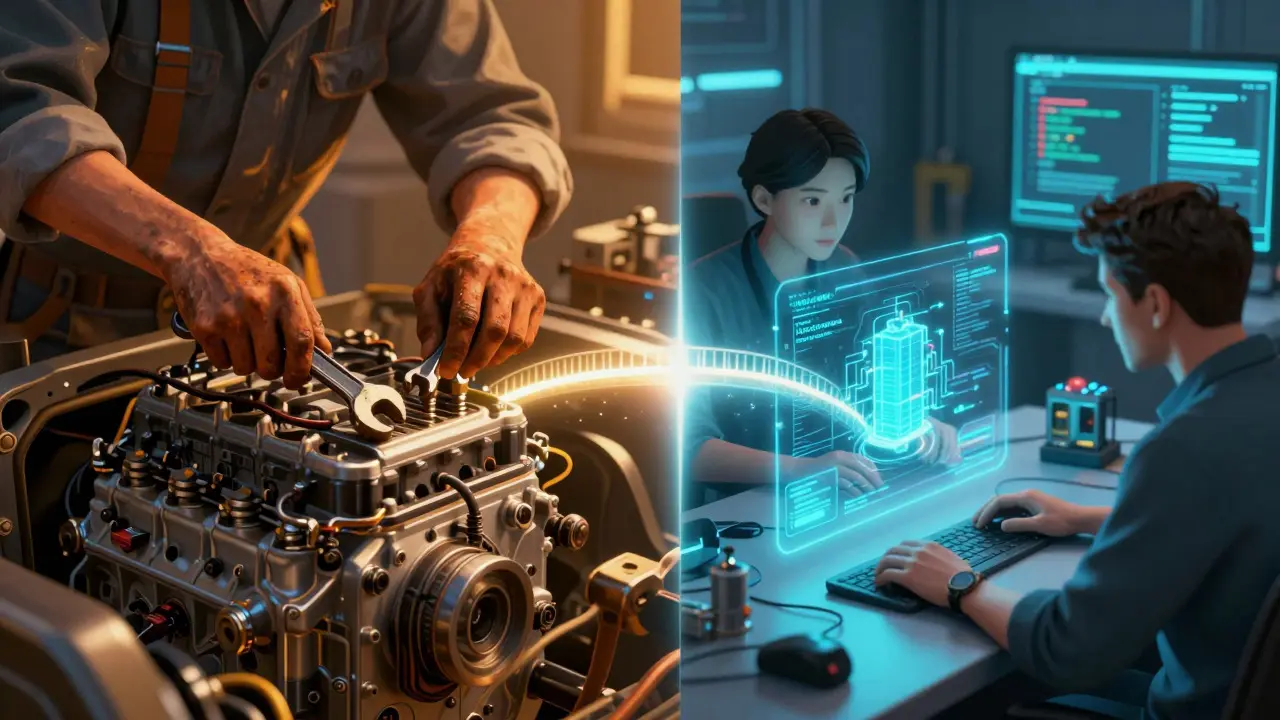
Here lies the core challenge: the mismatch between available talent and industry needs. The most acute shortage isn’t in basic assembly, but in Electrical Engineering and Software Development. An EV is essentially a computer on wheels, requiring firmware updates, sensor calibration, and battery management system (BMS) monitoring. Traditional mechanical engineers often lack the programming literacy required for these roles, while software developers rarely understand the physical constraints of automotive hardware.
Furthermore, the rise of Artificial Intelligence in predictive maintenance is creating new job categories. Technicians must now interpret data streams from IoT sensors to anticipate equipment failure before it happens. This requires a hybrid skill set that combines hands-on mechanical intuition with digital fluency. Without upskilling programs, many experienced workers risk becoming obsolete, not because they lack work ethic, but because their toolset hasn’t evolved alongside the technology.
Regional Hubs and Labor Dynamics
Labor availability varies drastically by region, influencing where companies choose to invest. In the North East, the legacy of Nissan’s presence created a deep bench of automotive-specific skills. However, as production shifts, some of these skills are becoming less relevant. Conversely, regions like the West Midlands are seeing an influx of investment in battery gigafactories, attracting talent from other sectors like aerospace and renewable energy. These cross-industry hires bring valuable experience in high-precision manufacturing, helping to bridge the skills gap.
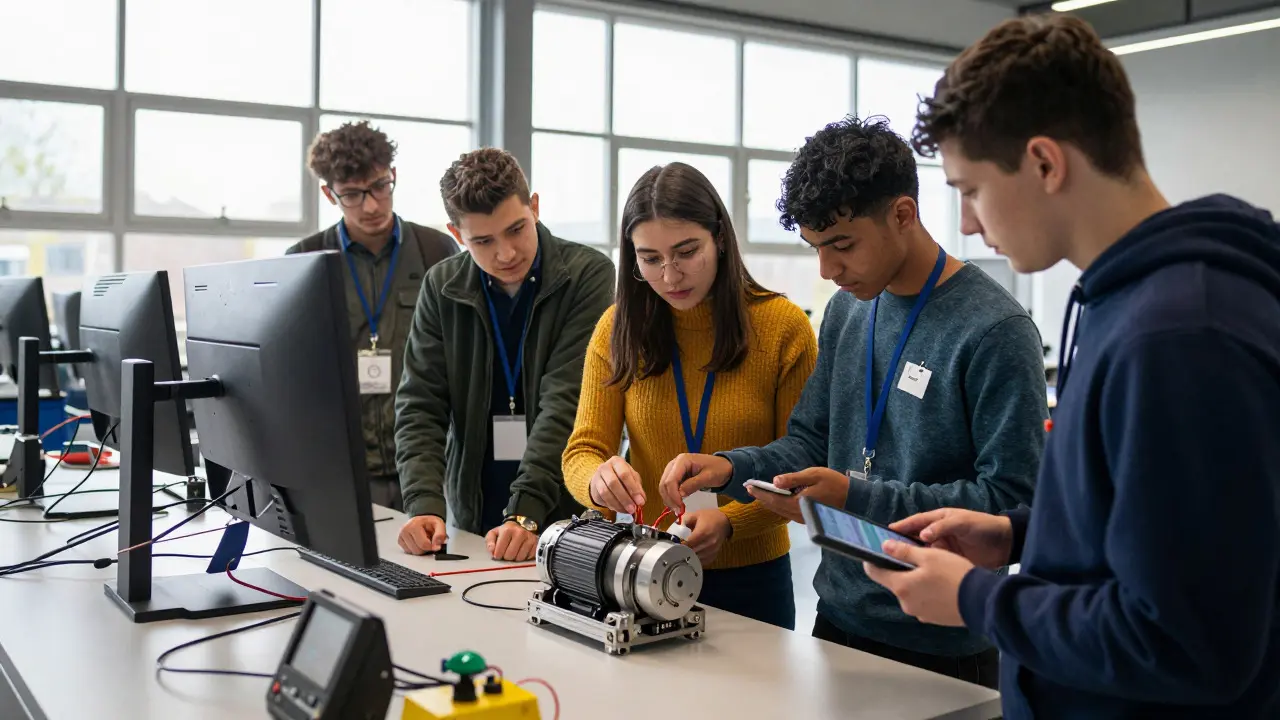
Local colleges and universities play a pivotal role in this ecosystem. Partnerships between institutions and manufacturers allow for apprenticeship programs that align curriculum directly with plant requirements. For instance, a student studying mechatronics might spend half their time in a lab and half on a factory floor, ensuring they graduate with practical context. This dual-track approach reduces the "training lag" companies face when hiring fresh graduates, making the UK workforce more agile and responsive to technological changes.
Comparing Skill Requirements: ICE vs. EV
To visualize the shift, consider the difference in technical demands between Internal Combustion Engine (ICE) and Electric Vehicle (EV) platforms. The table below highlights key attributes where the workforce profile diverges significantly.
| Skill Area | ICE Focus | EV Focus |
|---|---|---|
| Primary Discipline | Mechanical Engineering | Electrical/Electronic Engineering |
| Data Usage | Basic Quality Control | Predictive Analytics & AI |
| Software Role | Embedded Systems (Limited) | Full Stack Integration |
| High-Voltage Safety | Low Risk | Critical Competency |
| Supply Chain Complexity | Global Parts Sourcing | Localized Battery Components |
Notice the emphasis on high-voltage safety in EVs. Working with lithium-ion batteries requires specific certifications and rigorous safety protocols that don’t exist in traditional engine bays. This adds another layer of complexity to hiring, as employers must verify not just technical knowledge, but also compliance training. It’s a small detail, but one that significantly impacts onboarding timelines and retention rates.
Strategies for Workforce Adaptation
Companies aren’t waiting for the education system to catch up. Leading automakers are implementing internal academies where current employees can reskill. These programs often focus on digital literacy, teaching mechanics how to use diagnostic software and read code logs. Simultaneously, HR departments are broadening their recruitment nets, looking for talent in adjacent industries like rail, defense, and consumer electronics. These sectors share similar high-precision manufacturing environments, making the transition smoother for both the worker and the employer.
Government incentives also play a role. Grants for apprenticeships and tax breaks for R&D encourage firms to invest in human capital alongside machinery. By treating skills development as a core business function rather than an HR afterthought, UK manufacturers can maintain a competitive edge in a global market that values innovation over cost-cutting alone.
Frequently Asked Questions
Is the UK auto workforce shrinking?
Not necessarily in terms of headcount, but the composition is changing. High-volume assembly roles are decreasing, while specialized technical roles are increasing. The net effect depends on the pace of EV adoption and investment in new factories. Some regions see growth, while others face contraction, leading to a mixed national picture.
What are the most in-demand skills in UK automotive manufacturing?
The top three in-demand skills are electrical engineering, data analytics, and high-voltage safety certification. Additionally, proficiency in industrial IoT platforms and basic Python or C++ programming is becoming standard for mid-level technical positions.
How does the UK supply chain compare to Germany or Japan?
The UK supply chain is smaller and more fragmented than Germany’s integrated Mittelstand network or Japan’s keiretsu system. However, the UK is gaining ground in battery technology and software integration, allowing it to compete on innovation rather than sheer scale. Localization efforts are helping to reduce dependency on long-distance shipping routes.
Can existing workers easily transition to EV roles?
Yes, but it requires targeted training. Mechanical skills remain valuable for chassis and body work, but workers need additional modules on electrical systems and software diagnostics. Most major manufacturers offer paid reskilling programs to facilitate this transition, reducing the barrier to entry for career changers within the industry.
What role does government policy play in supporting the auto workforce?
Government policy influences workforce dynamics through funding for research and development, subsidies for green technology, and apprenticeship grants. Stable policy frameworks give manufacturers the confidence to make long-term investments in both infrastructure and human capital, ensuring that skills development keeps pace with technological change.