Triumph TR7: The Rise and Fall of British Leyland’s Wedge Sports Car
 Apr, 27 2026
Key Takeaways
- The TR7 shifted from traditional curves to a radical "wedge" shape.
- British Leyland struggled with production delays and quality control.
- While visually striking, the car suffered from rust and engine reliability issues.
- It remains a polarizing piece of automotive history due to its bold styling.
The Wedge That Wanted to Conquer the World
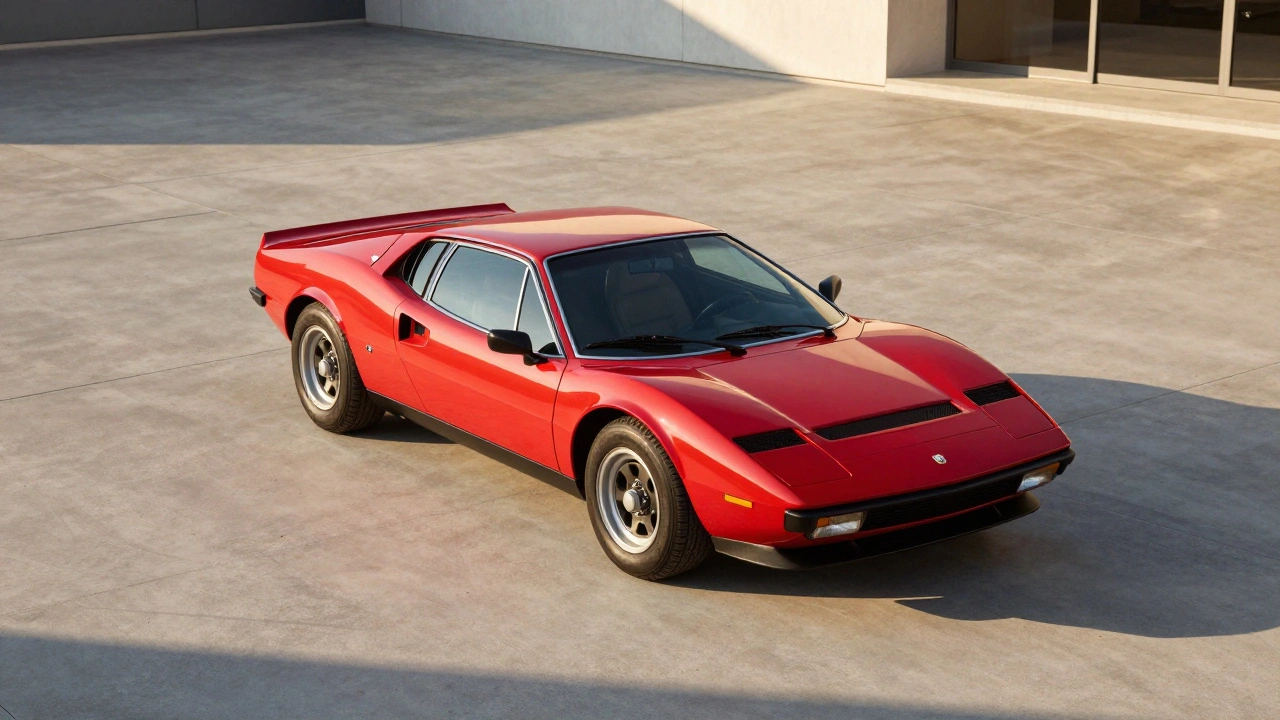
By the early 1970s, the automotive world was changing. Round fenders and long hoods were out; sharp angles and low profiles were in. British Leyland, the massive and often chaotic conglomerate that owned several British brands, wanted a car that could compete with the likes of the Porsche 924 and the emerging Japanese imports. They didn't just want a niche enthusiast car; they wanted a volume seller. The TR7 was designed to be affordable, aerodynamic, and strikingly modern.
The design was a complete departure from the Triumph TR6. It swapped the classic roadster look for a fixed-head coupe with a distinctive wedge profile. This wasn't just for show-the wedge shape helped cut through the air and gave the car a futuristic vibe. It was marketed as a "grand tourer" for the everyman, promising performance without the eye-watering price tag of a high-end exotic.
The Promise of Performance
On paper, the TR7 was a winner. It featured a 2.0-liter four-cylinder engine that provided a punchy ride for its time. Because it was smaller and lighter than many of its competitors, it felt agile in the corners. The interior was simple, with a driver-focused dashboard that made you feel like you were in a cockpit rather than a commuter car.
The big promise was accessibility. British Leyland wanted the TR7 to be the car that brought sports driving to a wider audience. They focused on a layout that allowed for easier mass production compared to the hand-built feel of earlier Triumphs. If you wanted a car that looked like a million dollars but cost a fraction of that, the TR7 was your ticket. It promised the thrill of the open road combined with the practicality of a closed roof, though a drop-top version eventually arrived to satisfy the purists.
The British Leyland Chaos
Here is where the dream started to unravel. The TR7 wasn't just fighting other cars; it was fighting its own creators. British Leyland was a mess of internal politics, outdated factories, and frequent strikes. The TR7 was delayed for years, and by the time it actually reached showrooms in 1978, the "futuristic" look was already starting to feel a bit dated.
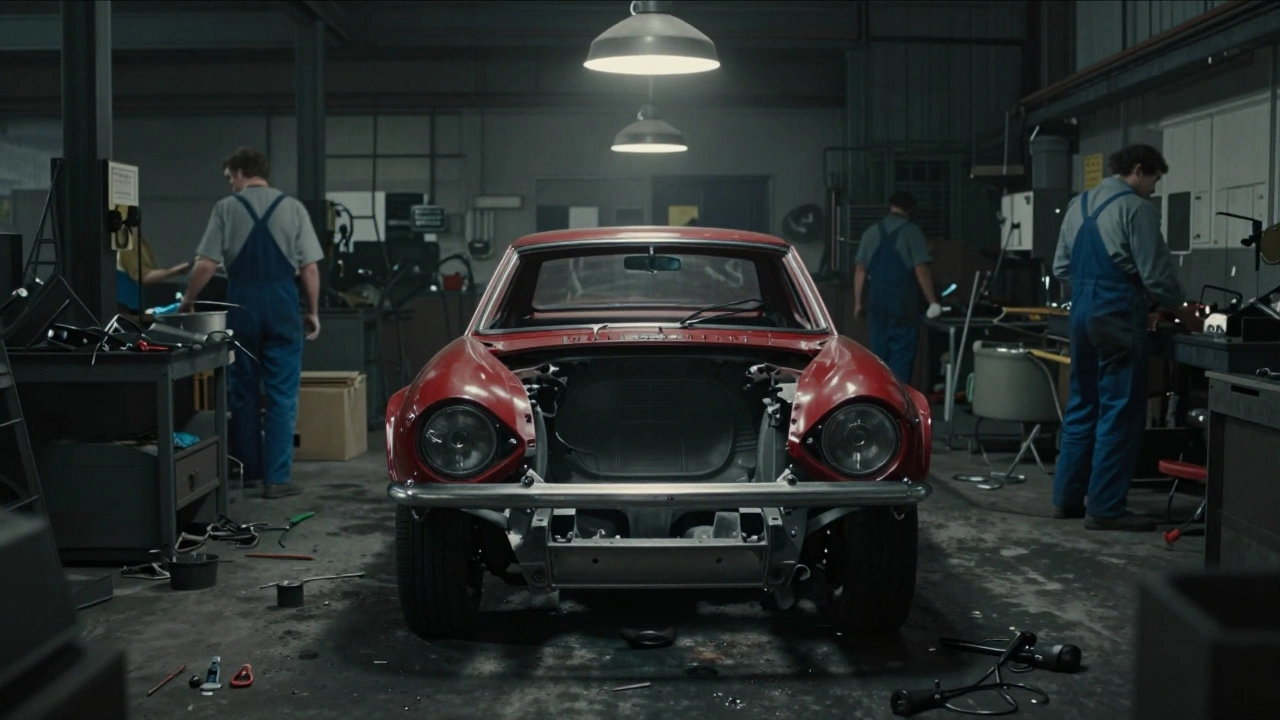
Production was a nightmare. Imagine a factory where the parts didn't always fit, and the quality control was an afterthought. Many early buyers found that their cars arrived with paint that peeled or panels that didn't line up. The company was trying to scale up quickly, but the infrastructure just wasn't there. This period of industrial strife turned a potential masterpiece into a gamble for anyone brave enough to buy one.
| Feature | Triumph TR6 | Triumph TR7 |
|---|---|---|
| Body Style | Classic Roadster | Wedge Coupe |
| Design Philosophy | Traditional British | Modern/Futuristic |
| Production Era | Late 60s - Mid 70s | Mid 70s - Early 80s |
| Market Focus | Enthusiasts | Mass Market Sports |
The Problems That Haunted Owners
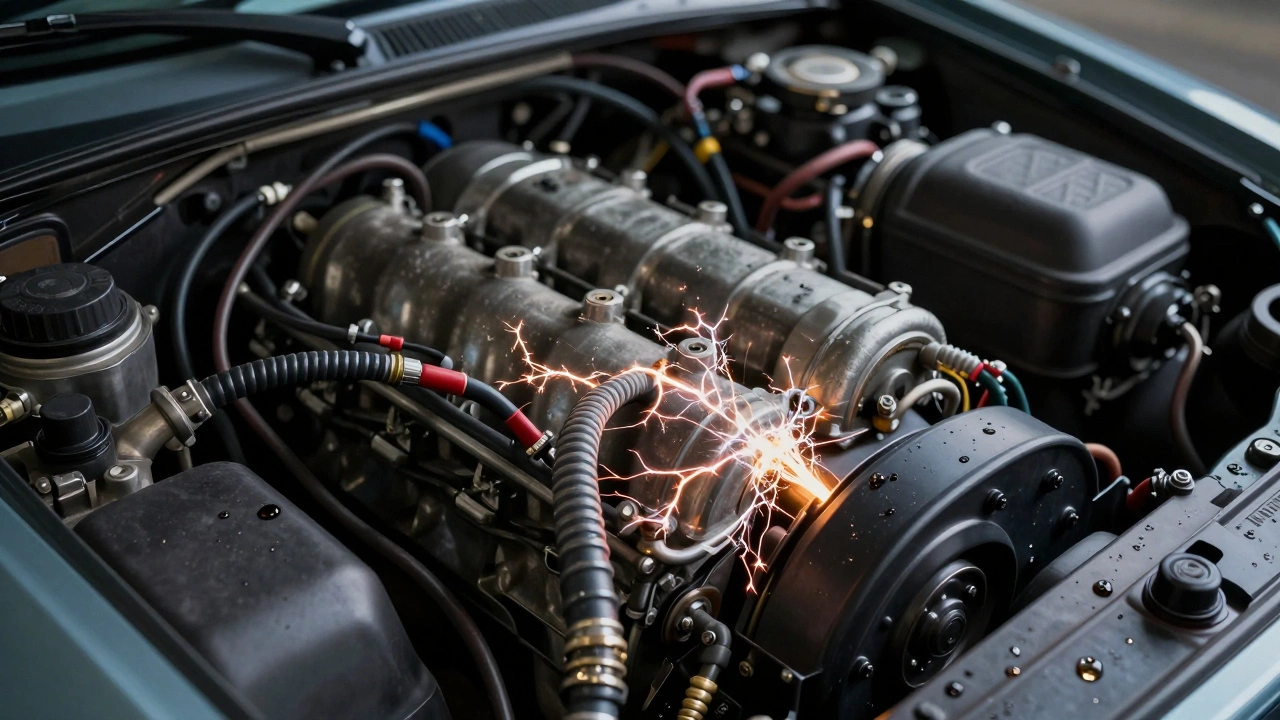
If you owned a TR7, you probably spent as much time under the hood as you did behind the wheel. The most notorious issue was the Lucas Electrical systems. In the car community, Lucas was jokingly called the "Prince of Darkness" because their components were famously unreliable. Flicking a switch in a TR7 was often a game of chance-would the headlights actually turn on, or would the fuse blow for no apparent reason?
Then there was the rust. The steel used in the TR7 wasn't particularly well-protected against the damp British climate or the salty roads of the US. Water would trap in the sills and wheel arches, leading to structural decay that could eat through the chassis in a few short years. For many, the car didn't just age; it dissolved.
The engine, while capable, had its own quirks. Oil leaks were common, and the cooling system often struggled during long summer hauls. While a well-tuned TR7 could be a joy to drive, getting it to that state required a level of patience and mechanical skill that the average buyer didn't possess. You didn't just "drive" a TR7; you managed it.
Living with a Wedge Today
Despite the horror stories, there is a dedicated cult following for the TR7. Why? Because when they work, they are surprisingly fun. The low center of gravity and the distinct look make it a head-turner at any classic car show. It represents a specific moment in time-the transition from the romanticism of the 60s to the sharp, synthetic energy of the late 70s.
Collectors today look for the "survivors"-cars that were garaged and meticulously maintained. The challenge is that because so many were neglected or rotted away, finding a clean example is like hunting for a needle in a haystack. Most current owners spend their weekends hunting for rare trim pieces or upgrading the electrical system to modern standards just to ensure the car actually starts in the morning.
The Legacy of a Failed Experiment
The TR7 was a bold bet that didn't pay off. It proved that a great design isn't enough if the manufacturing is broken. British Leyland tried to jump from a boutique manufacturer to a mass-market giant without fixing the underlying rot in their factories. The TR7 became the face of this disconnect.
However, it also paved the way for other wedge-shaped icons. It pushed the boundaries of what a "budget' sports car could look like. If you look at the cars of the 80s, you can see the DNA of the TR7 in the sharp lines and geometric shapes that dominated the decade. It was a failure in business and reliability, but a victory in visual daring.
Why is the Triumph TR7 called a "Wedge"?
The term "Wedge" refers to its sharp, angular profile. Instead of the curved lines found on previous sports cars, the TR7 has a sloping front end that rises toward the back, resembling a doorstop or a wedge. This was a popular design trend in the 1970s intended to improve aerodynamics and look modern.
Was the TR7 actually fast?
It wasn't a supercar, but it was respectable for its class. With a 2.0L engine, it offered a spirited driving experience. It wasn't about top speed as much as it was about agility and the feeling of speed provided by its low-slung chassis.
What were the biggest reliability issues?
The most common problems included electrical failures caused by Lucas components, severe body rust due to poor drainage and low-quality steel, and various oil leaks from the engine and transmission.
Is it worth buying a TR7 now?
For a collector or a hobbyist who enjoys wrenching, yes. They are relatively affordable. However, for someone wanting a turn-key classic, it can be risky. You must check the chassis for rust and the electrical system for stability before purchasing.
How did British Leyland affect the car's quality?
British Leyland suffered from massive labor strikes and fragmented management. This led to inconsistent build quality, missing parts during assembly, and a lack of quality control that plagued the TR7 from the moment it left the factory.
Next Steps for Enthusiasts
If you're looking to get into TR7 ownership, start by joining a owners' club. The collective knowledge of people who have spent decades fighting Lucas electrics is your best resource. If you already own one, prioritize sealing the underbody against moisture and consider a full electrical loom replacement to avoid being stranded.
For those who love the era but aren't ready for a project, look for examples that have already undergone a "nut and bolt" restoration. It's a higher upfront cost, but it saves you from the heartbreak of discovering a rusted-through floorpan after you've brought the car home.