Triumph Spitfire and Michelotti: How Design Democratized British Sports Cars
 Apr, 30 2026
The Magic of the Michelotti Touch
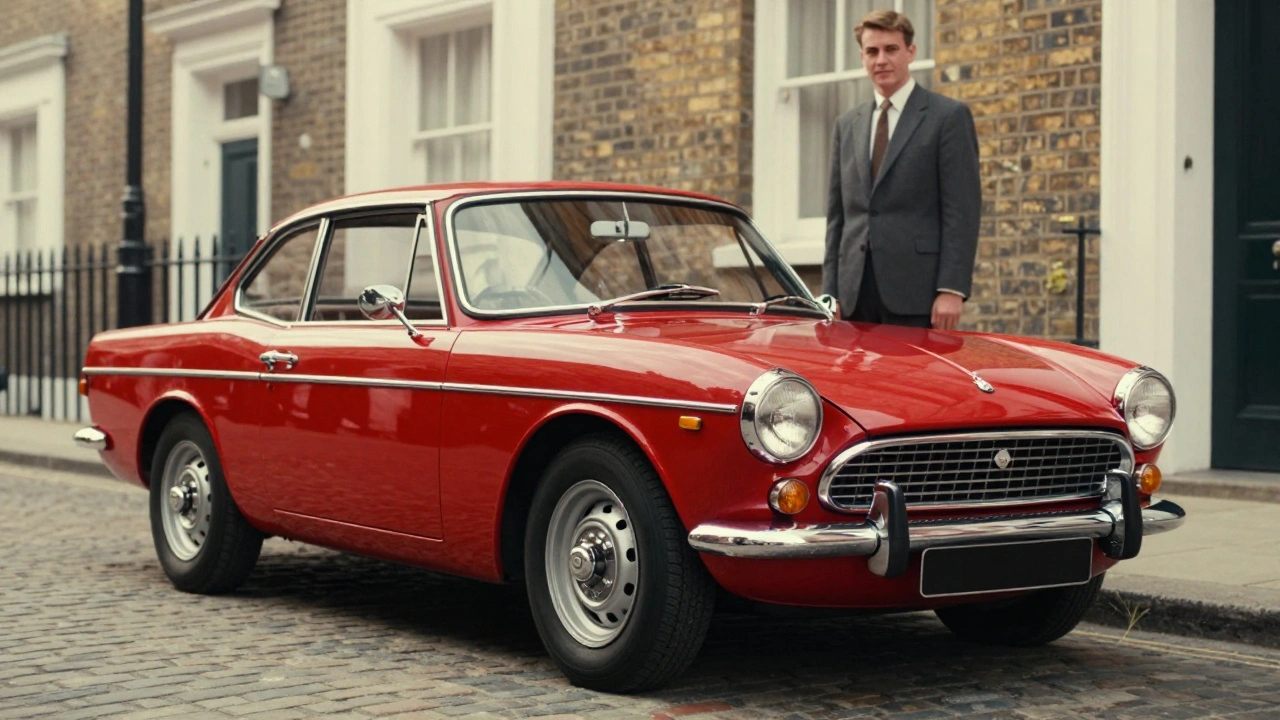
When Triumph decided to build a smaller, more affordable sports car, they didn't look internally for the styling. They went to Tom a Michelotti, an Italian designer whose eye for proportion was legendary. Michelotti wasn't just drawing cars; he was sculpting them. Unlike the bulkier designs of the era, his vision for the Spitfire was lean, low, and aggressive yet elegant. He focused on a "coke-bottle" silhouette that made the car look fast even when it was parked in a suburban garage. This approach shifted the paradigm of automotive design at the time. Instead of relying on massive chrome grills and towering fins, Michelotti used clean lines and a low beltline. This made the car feel approachable. It didn't intimidate the driver; it invited them in. This specific aesthetic became the blueprint for what we now consider the classic "British roadster" look.Engineering Accessibility: More Than Just a Pretty Face
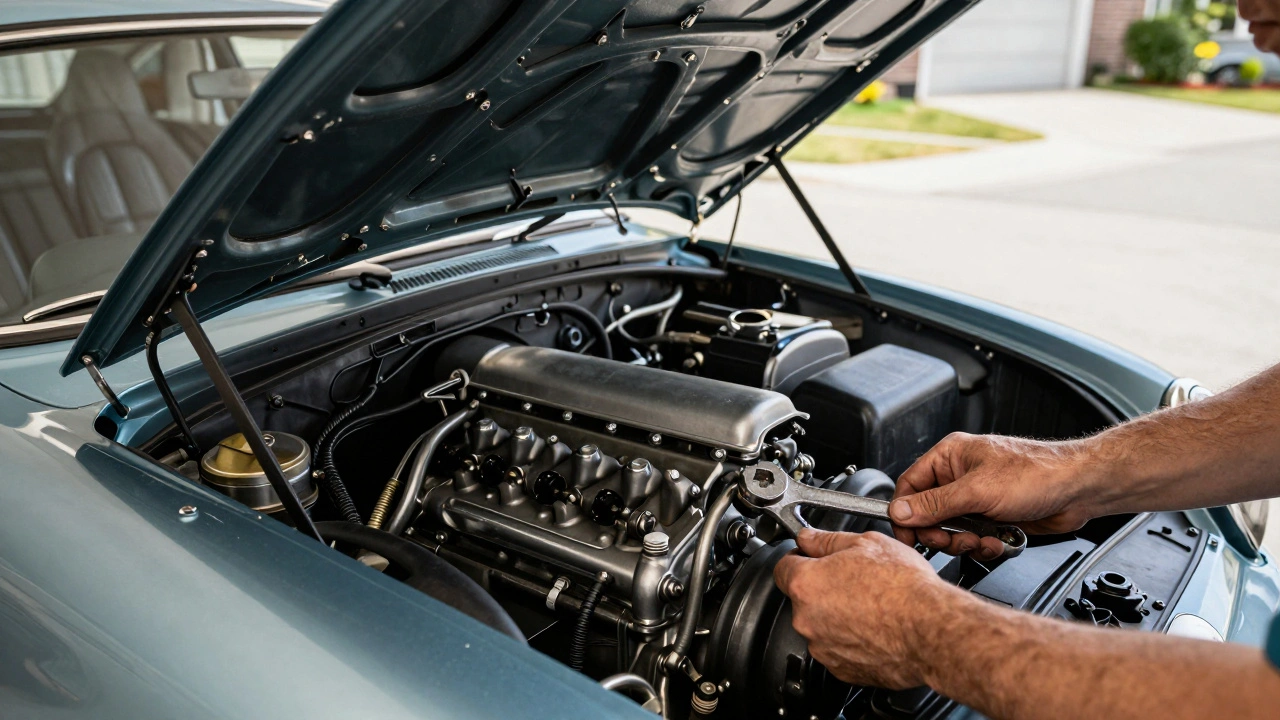
Beauty is great, but the Spitfire had to be cheap to build and easy to own. The car utilized a separate chassis and a body made of steel, which kept production costs down. One of the most ingenious features was the clamshell bonnet. By allowing the entire front end to tilt forward, Triumph gave home mechanics unprecedented access to the engine. If you've ever tried to change spark plugs on a modern car, you know how frustrating it is. In the Spitfire, you could practically stand inside the engine bay. This ease of maintenance was a key part of the "democratization" process. It meant you didn't need a professional shop for every minor tweak; you could spend your Saturday morning with a wrench in your hand, learning exactly how your machine worked. The Standard Herald provided the mechanical DNA, but the Spitfire transformed that humble utility into a romantic experience.| Attribute | Mk I (Early 60s) | Mk IV / 1500 (Late 70s) |
|---|---|---|
| Visual Style | Curvy, Italianate, Minimalist | Squared-off, Modernized, Utilitarian |
| Engine Focus | Lightweight agility | Increased torque and reliability |
| Market Aim | Pure sports enthusiast | Daily driver/Weekend cruiser |
Breaking the Class Barrier in the 1960s
Before the Spitfire, sports cars were often symbols of wealth. If you drove a Jaguar E-Type, people assumed you had a massive bank account. The Spitfire changed that conversation. It was marketed as an entry-level vehicle, but it didn't feel "cheap." Because of Michelotti's influence, the car had a prestige that far outweighed its price tag. It allowed a whole new demographic-younger people, women, and the middle class-to enter the world of sports heritage. This wasn't just about selling units; it was about cultural shift. The roadster became a tool for personal freedom and expression rather than a trophy of status. When you bought a Spitfire, you weren't buying a social rank; you were buying the feeling of a winding B-road in the English countryside or a coastal highway in California.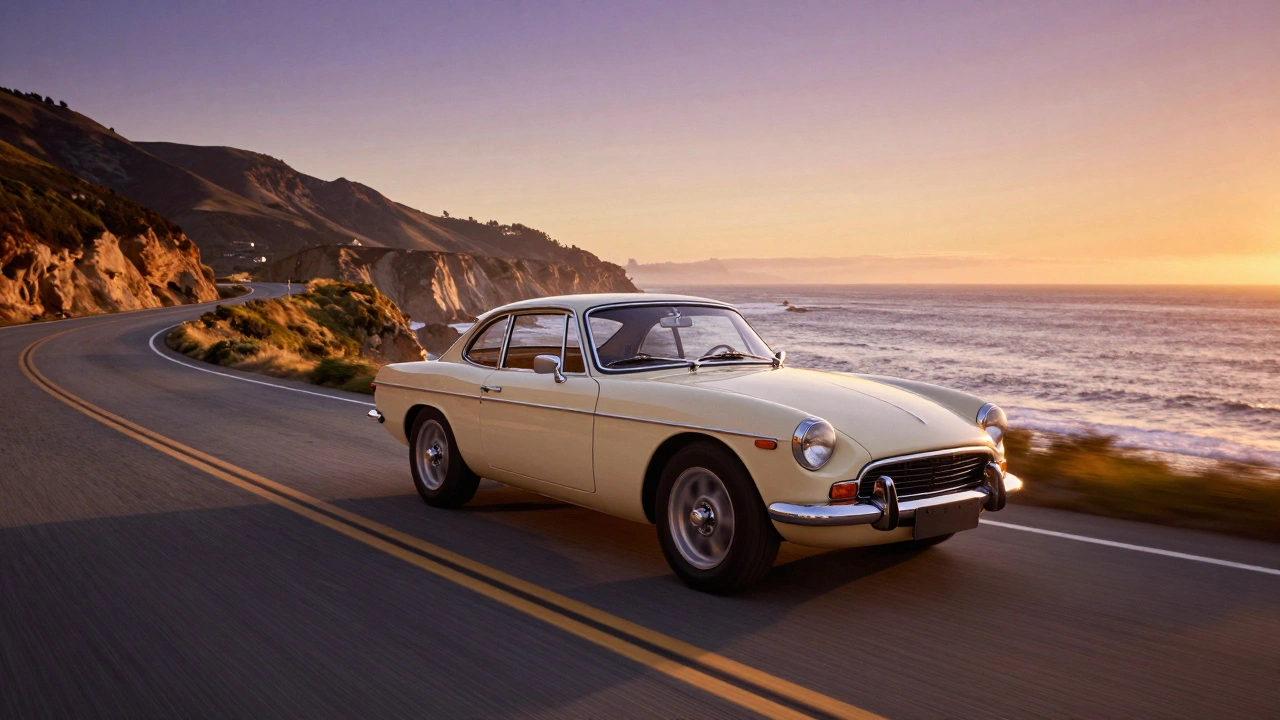
The Global Impact and the American Dream
While the car was British, its success was global. The United States became a massive market for the Spitfire. For an American buyer in the 60s, the car represented a sophisticated, European lifestyle. It was the perfect antidote to the oversized, chrome-heavy American cruisers of the time. Triumph leaned into this, exporting thousands of units and establishing a network of dealers that made the car accessible. The Spitfire’s small footprint made it ideal for the growing urban environments of the US east coast. It proved that there was a hungry market for "micro-sports cars," paving the way for future iterations of lightweight roadsters. The car's ability to handle nimble corners made it a favorite for amateur racing and club events, further cementing its place in the hearts of driving purists.The Legacy of the Democratized Roadster
Looking back, the Spitfire's importance isn't found in its top speed or horsepower-because, let's be honest, it wasn't a powerhouse. Its value lies in the marriage of Italian art and British industrialism. It taught the industry that high-end design could be scaled down for the masses without losing its soul. Every modern affordable sports car, from the Mazda Miata to the Fiat 124, owes a debt to the Spitfire. It established the formula: keep it light, keep it pretty, and make it easy to fix. The car didn't just democratize ownership; it democratized the *joy* of driving. It stripped away the pretension of the sports car world and replaced it with a simple, visceral connection between the driver, the machine, and the road.Who was Tom a Michelotti?
Tom a Michelotti was a prolific Italian car designer known for his ability to create elegant, aerodynamic shapes that worked within tight budget constraints. He is most famous for his work with Triumph, where he designed the Spitfire and the Vitesse, blending Italian style with British production needs.
What made the Triumph Spitfire different from other sports cars of its time?
The Spitfire was significantly more affordable than its contemporaries and featured a unique clamshell bonnet that tilted forward. This design gave it a distinct look and made engine maintenance much easier for the average owner compared to fixed-wing cars.
Why is the Spitfire considered a "democratized" car?
It is called democratized because it brought high-end Italian styling and the thrill of a sports roadster to a price point that the middle class could afford, removing the financial barriers that previously kept sports cars exclusive to the wealthy.
Did the Spitfire have a good reputation for reliability?
While not as robust as some modern cars, its simplicity was its strength. Because the mechanicals were based on the Standard Herald and the engine was accessible, most owners could maintain the car themselves, which created a lasting bond between the driver and the machine.
How did the design change over the years?
The early models (Mk I-III) leaned heavily into Michelotti's curvy, romantic Italian style. As the car evolved into the Mk IV and the 1500, the lines became more squared-off and modern to align with the aesthetic trends of the 1970s, focusing more on practicality and updated safety standards.