The Vauxhall Victor: Britain's 1950s Export Powerhouse
 Apr, 18 2026
Key Takeaways from the Victor's Legacy
- Merged US styling cues with British chassis reliability.
- Became a primary driver of UK automotive exports in the late 50s.
- Pioneered the 'family car' segment for the growing middle class.
- Successfully penetrated diverse markets from Africa to the Middle East.
The American Influence in a British Body
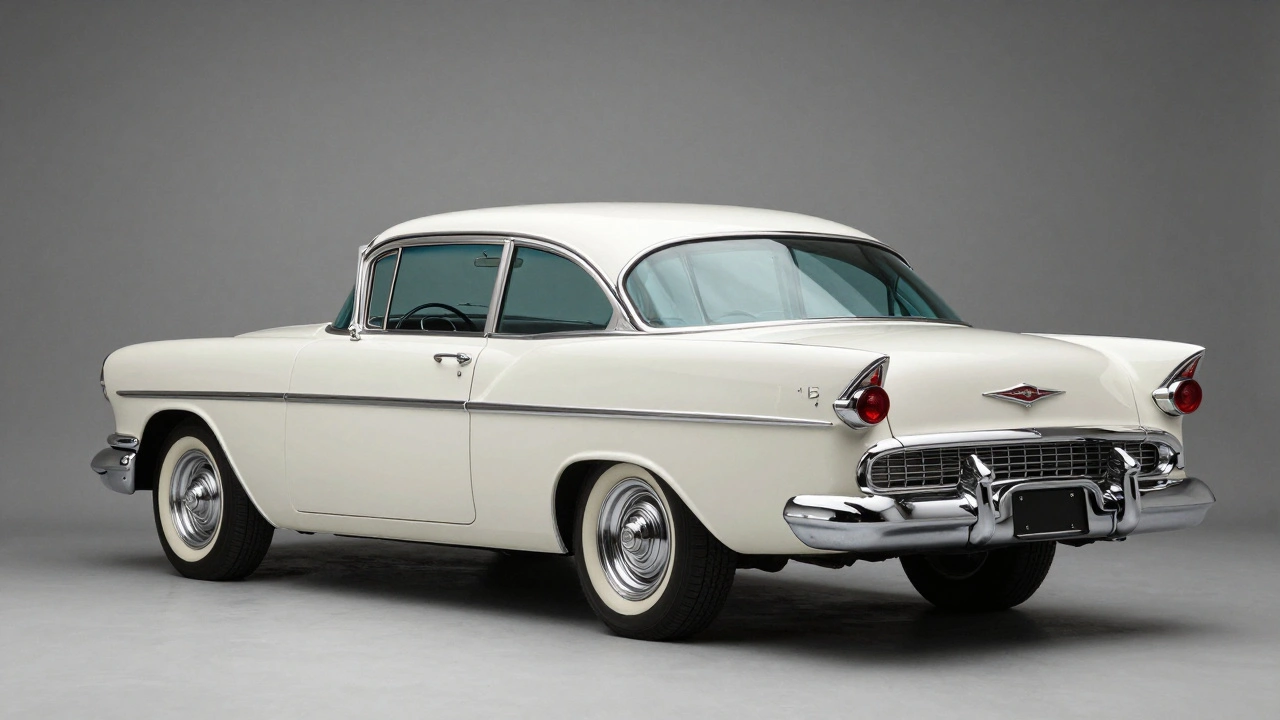
If you look at a 1957 Victor, you'll notice something strange: it looks far too flashy for a typical British car of the time. This wasn't an accident. Vauxhall Motors was owned by General Motors, the American giant. GM wanted to bring the 'glamour' of US cars to the European market. This meant adding chrome trim, a wider stance, and those iconic tail fins that were sweeping across the US in the mid-50s.
But why did this work? Most British family cars were narrow and upright. The Victor offered a sense of space and luxury that felt like a promotion in social status. It wasn't just a tool to get from point A to point B; it was a statement. By using a Monocoque construction (where the chassis and body are one single piece), Vauxhall managed to keep the car relatively light while providing a surprisingly roomy interior. This engineering choice allowed them to keep the price competitive without sacrificing the 'big car' feel.
Winning the Export Game
In the 1950s, the British government had a bit of an obsession with exports. The goal was simple: sell as much as possible to other countries to bring foreign currency back into the UK. The Victor was the perfect weapon for this strategy. Because it looked modern and felt robust, it appealed to emerging markets that wanted something more substantial than a tiny economy car but cheaper than a luxury limousine.
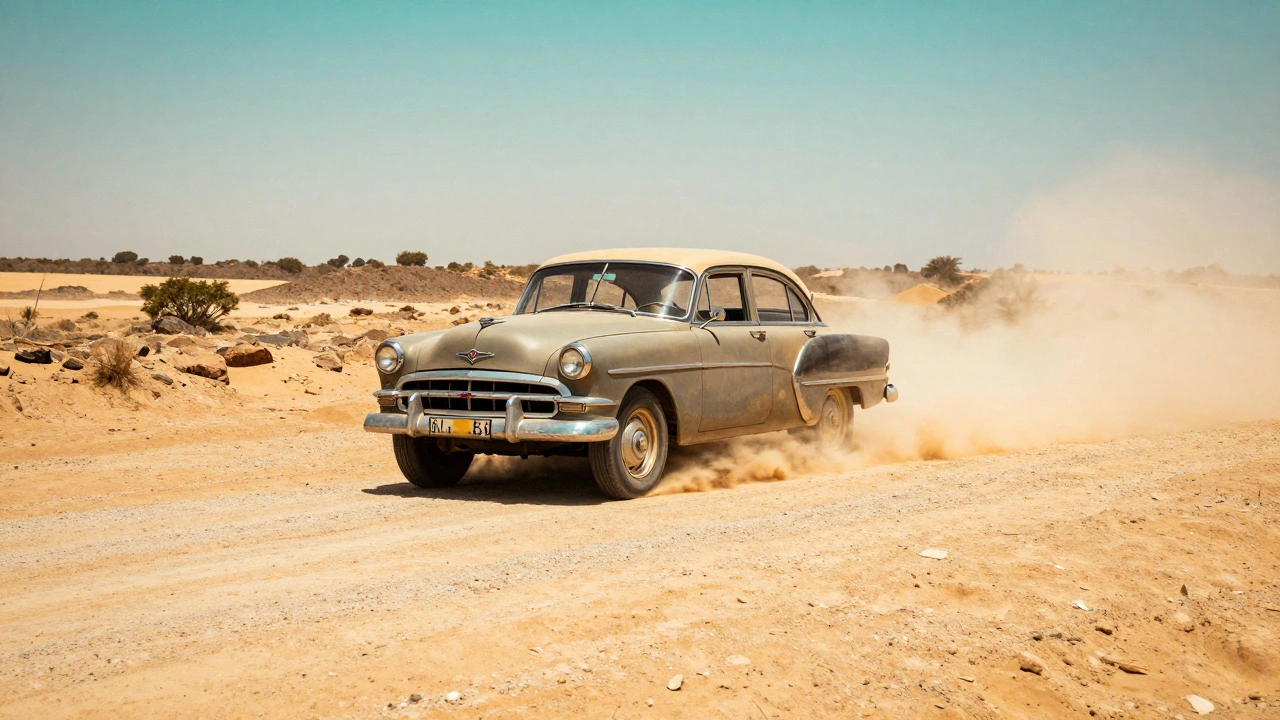
The car found a massive following in regions where roads were rough and reliability was everything. In Africa and the Middle East, the Victor's simple engine and sturdy build meant it could be fixed with basic tools in the middle of nowhere. It wasn't just a city car; it was a colonial workhorse. This versatility allowed Vauxhall to push thousands of units out of the ports of London and Liverpool, cementing its place as a global brand.
| Feature | Vauxhall Victor | Typical Small Family Car |
|---|---|---|
| Styling Influence | American / General Motors | Traditional European |
| Chassis Type | Monocoque (Unitary) | Body-on-Frame |
| Primary Market | Global / Export | Domestic / Local |
| Visual Cues | Chrome & Tail Fins | Minimalist / Rounded |
Under the Hood: The Engineering Balance
The heart of the original Victor was a 1.5-liter four-cylinder engine. By modern standards, it sounds sluggish, but in 1957, it was a reliable beast. It didn't offer blistering speed, but it provided consistent torque, which was essential for carrying a full family and a trunk full of luggage across unpaved roads in distant colonies.
One of the smartest moves was the focus on accessibility. The Internal Combustion Engine used in the Victor was designed for longevity. It didn't use overly complex systems that would break down in high heat or humidity. This 'keep it simple' approach is exactly why the car succeeded in markets where a fancy Jaguar or a delicate MG would have struggled. It was the bridge between the luxury of the US and the practicality of the UK.
The Global Journey: Beyond the UK
The Victor's journey wasn't just about shipping crates; it was about adapting to the world. In Australia, for instance, the car had to handle extreme heat and vast distances. Vauxhall tweaked the cooling systems to ensure the engine wouldn't overheat in the Outback. This ability to pivot the product for different climates is what separates a local success from a global phenomenon.
Interestingly, the Victor also faced stiff competition from the Ford Prefect and the Austin Cambridge. However, the Victor usually won on 'curb appeal.' People wanted to feel like they were driving a piece of the future. This psychological edge helped it dominate the export charts. It wasn't just selling a machine; it was selling the dream of the 'Modern Age' and the promise of mobility.
The Shift to the 60s and the Victor's Evolution
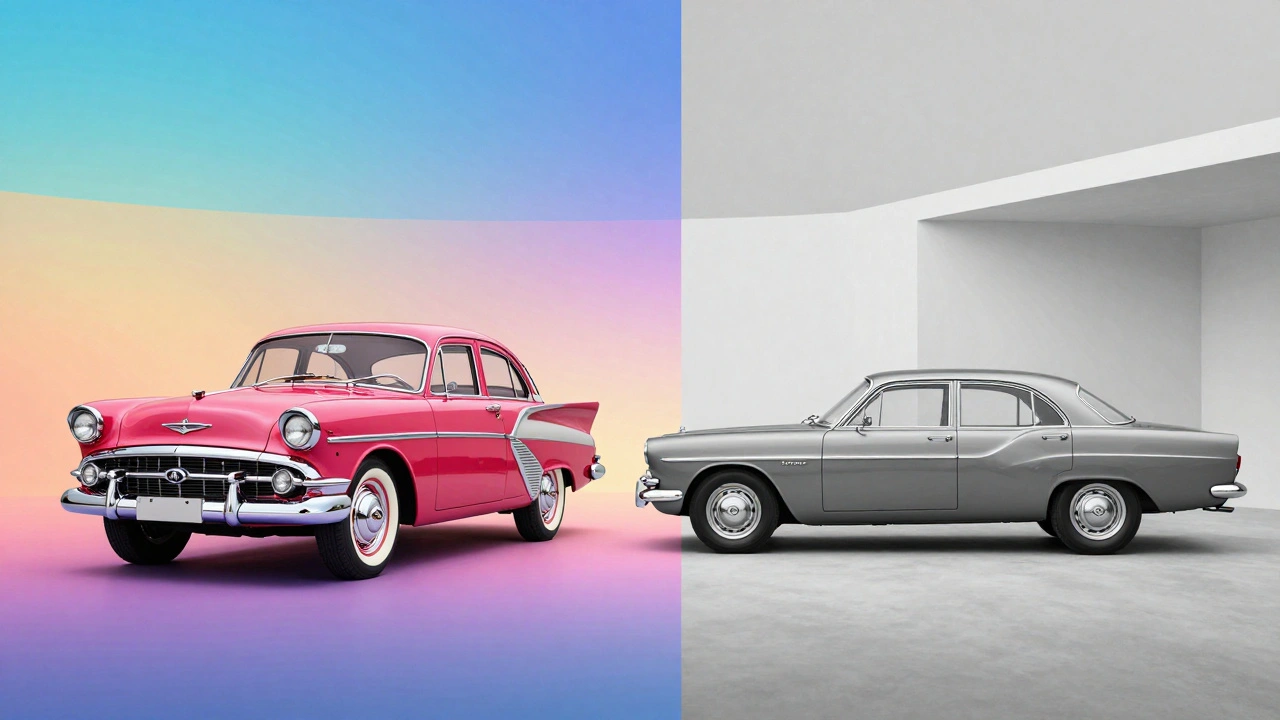
As the 1960s approached, the 'fin' era ended. The Victor evolved into the FC and later the FD series, moving away from the flashy American look toward a more streamlined, European aesthetic. But the DNA remained the same: a spacious, reliable family car that could be sold anywhere. The transition reflected a wider change in global taste-people were moving away from the 'more is more' philosophy of the 50s toward a cleaner, more functional design.
This evolution ensured that the Victor didn't become a one-hit wonder. By diversifying the look and improving the fuel efficiency, Vauxhall kept the car relevant. They realized that while the 1950s were about glamour, the 1960s were about efficiency. It's a classic lesson in business: if you don't change with the customer, you disappear. The Victor changed, and so it survived for decades.
Common Pitfalls for Today's Collectors
If you're looking to buy an old Victor today, be careful. Because these cars were exported to salty coastal regions and humid tropics, rust is the biggest enemy. The monocoque body is great for weight, but once the sills rot, the whole structure loses its integrity. You'll often find 'hidden' rust in the wheel arches and the floor pans that can cost a fortune to fix.
Another thing to watch out for is the authenticity of the trim. Because these cars had so much chrome, many owners in the 70s and 80s replaced original parts with cheap alternatives or simply painted over them. Finding a 'survivor' with all its original American-style jewelry intact is rare and significantly increases the value of the car. Check the engine bay for mismatched parts; since these were produced in such high volumes, many were 'frankensteined' together during their long lives in foreign markets.
Why was the Vauxhall Victor so popular as an export?
The Victor combined American styling (which was highly desirable at the time) with British reliability and a sturdy chassis. This made it attractive to middle-class buyers in emerging markets across Africa, Asia, and the Middle East who wanted a car that looked modern but could handle poor road conditions.
Who owned Vauxhall during the 1950s?
Vauxhall Motors was a subsidiary of General Motors (GM). This ownership is why the 1950s Victors shared so many design cues with American cars, such as tail fins and heavy use of chrome.
Was the Vauxhall Victor a luxury car?
Not exactly. It was positioned as a 'family car.' However, compared to the tiny economy cars of the era, it felt like a luxury due to its size, interior space, and styling. It was designed for the aspiring middle class rather than the wealthy elite.
What is monocoque construction?
Monocoque construction is a technique where the car's body and chassis are integrated into a single, load-bearing shell. This makes the car lighter and often safer than the older 'body-on-frame' design, allowing for more interior room.
Is the Vauxhall Victor still produced?
No, the Victor line was discontinued decades ago as the market shifted toward hatchbacks and smaller, more fuel-efficient vehicles. Today, it is primarily sought after by classic car collectors.
Next Steps for Enthusiasts
If you've caught the bug for 50s British steel, start by joining a local classic car club. The community for Vauxhalls is smaller than that of Jaguars or Triumphs, but they are incredibly helpful. Searching for parts often requires looking into old GM catalogs or contacting specialists in the UK and Australia.
For those who already own one, focus on preventative rust treatment. Get a professional underseal and keep the chrome polished with a non-abrasive cleaner. If you're looking to invest, keep an eye out for the early 1957-1958 models, as these represent the peak of the 'Americanized' look and are becoming increasingly rare in original condition.