The Rise of Automatic Transmissions in British Family Cars: Adoption Trends Explained
 May, 4 2026
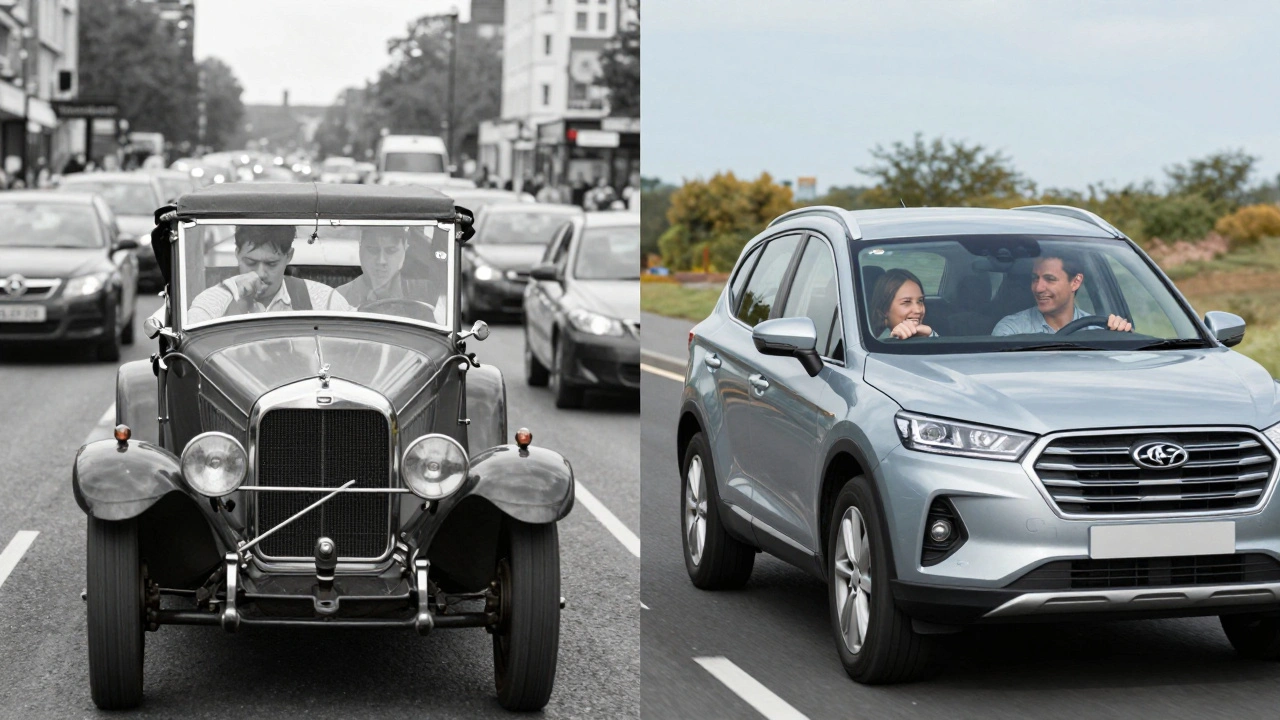
For decades, the sound of a clutch pedal being depressed was the soundtrack of British motoring. If you grew up driving in the UK, you likely learned to drive on a manual gearbox. It was seen as more engaging, cheaper to buy, and somehow "proper." But if you look at the roads today, that narrative has shifted dramatically. The stick shift is disappearing from the passenger seat.
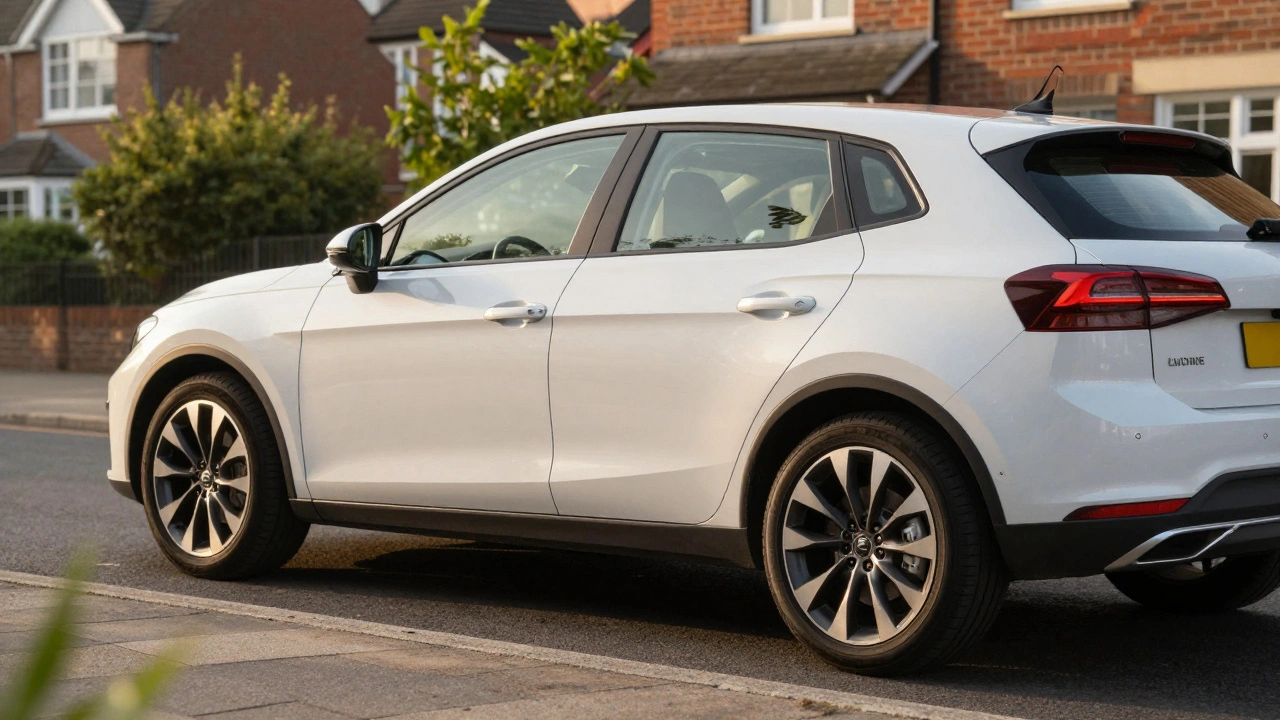
In 2024, for the first time in history, automatic transmissions outsold manual ones in the United Kingdom. This wasn't a slow trickle; it was a tidal wave. By early 2025, nearly 60% of new cars registered in Britain came with an automatic gearbox. For the average family buying a practical vehicle-whether it's a small hatchback or a large SUV-the decision to switch from manual to automatic has become almost universal. Why did this happen so fast? And what does it mean for the future of driving in the UK?
The End of the Manual Era
To understand the shift, we have to look at how quickly things changed. In 2015, only about 30% of new cars in the UK were automatic. Fast forward to 2025, and that number has doubled. The Society of Motor Manufacturers and Traders (SMMT) reported that automatics accounted for roughly 58-60% of all new registrations in recent years. This trend is even more pronounced in specific segments. In the premium sector, led by brands like Mercedes-Benz and BMW, automatics have been dominant for years. But now, the volume sellers-the Volkswagen Golf, the Ford Focus, and the Toyota Yaris-are seeing massive swings toward automatic gearboxes.
This isn't just a luxury phenomenon anymore. It’s a mainstream revolution. The traditional argument that manuals are cheaper has crumbled. With the rise of efficient dual-clutch systems and torque converters, the price gap between manual and automatic versions of the same car has vanished in many cases. Dealers often push automatics because they sell faster, leaving fewer manuals on the forecourt.
Why Families Are Switching Gears
What drives this change? It’s not just one factor, but a combination of comfort, technology, and urbanization. Let’s break down the main reasons why British families are ditching the clutch.
- Traffic Congestion: Life in cities like London, Manchester, and Birmingham involves stop-start traffic. Sitting in gridlock with your left foot hovering over the clutch is exhausting. An automatic takes that physical effort away, reducing driver fatigue significantly during daily commutes.
- Ease of Use: Learning to drive used to require mastering heel-toe techniques and hill starts. Modern automatics handle these tasks seamlessly. For parents teaching their teenagers to drive, an automatic is simply less stressful and quicker to master.
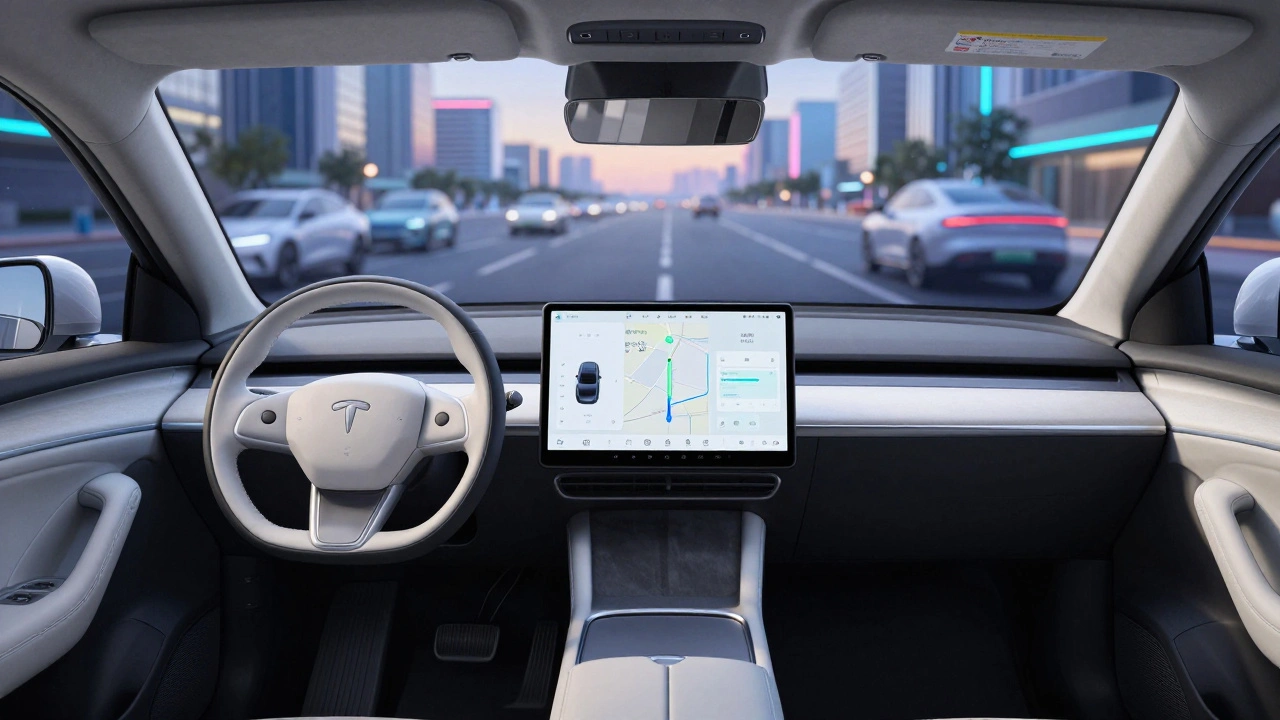
- Electric Vehicle Influence: As the UK moves toward electrification, the definition of "automatic" changes. Most electric vehicles (EVs) like the Tesla Model 3 or Nissan Leaf don’t have multiple gears at all. They use single-speed transmissions that function automatically. Drivers adapting to EVs find themselves preferring the simplicity of automatic controls when they return to petrol or diesel cars.
- Performance Improvements: Old-school automatics were slow and guzzled fuel. Today’s DSG (Direct Shift Gearbox) units found in VW Group cars, or the Twin-Clutch systems in Ford vehicles, shift faster than a human can. They offer better acceleration and improved fuel economy compared to older manual equivalents.
The Technology Behind the Shift
Not all automatics are created equal. The adoption surge is largely due to the maturation of specific transmission technologies that solved the historical pain points of cost and reliability.
| Type | How It Works | Pros | Cons | Common Brands |
|---|---|---|---|---|
| Torque Converter | Uses fluid coupling to transfer power | S smooth ride, durable, handles high torque | Slightly heavier, can be less efficient at low speeds | Ford, Jaguar, Land Rover |
| DSG / Twin-Clutch | Two clutches operate alternately for seamless shifts | Very fast shifts, excellent fuel economy, sporty feel | Can be jerky at very low speeds, higher repair costs if faulty | VW, Skoda, Seat, Audi |
| CVT (Continuously Variable) | Uses belts and pulleys for infinite gear ratios | Maximizes fuel efficiency, smooth acceleration | "Rubber band" feeling under hard acceleration, less popular for towing | Nissan, Toyota, Mazda |
The DSG gearbox, pioneered by Volkswagen Group, has been a game-changer for family cars. It offers the engagement of a manual with the convenience of an automatic. Meanwhile, Toyota’s hybrid systems, which use an e-CVT, have introduced millions of drivers to automatic-like operation without the complexity of traditional gearboxes. These technologies have made automatics not just easier to drive, but often more economical to run than manuals.
Impact on Resale Values and Insurance
A common concern for buyers is the long-term cost. Historically, automatic cars had lower resale values because there was a smaller pool of interested buyers. That dynamic is flipping. As demand for automatics rises, their residual values are stabilizing and, in some cases, exceeding those of manuals.
Insurance premiums also used to be higher for automatics due to perceived theft risks and repair costs. However, modern security features and widespread availability of parts have leveled the playing field. Many insurers now treat automatic and manual versions of the same car similarly, especially for family-oriented models where safety ratings are paramount.
Maintenance is another area where perceptions are changing. While complex twin-clutch systems can be expensive to repair out of warranty, they are generally reliable within the manufacturer’s service intervals. Traditional torque converters are known for longevity, often lasting the life of the vehicle with minimal intervention. For most families, the peace of mind outweighs the potential risk of a costly repair.
The Future: Electric and Autonomous Driving
The trend toward automatics is accelerating due to two major forces: electrification and autonomous driving technology. As the UK bans the sale of new petrol and diesel cars by 2030, the fleet will increasingly consist of electric vehicles. Since EVs do not have multi-gear transmissions, every new EV is effectively an automatic.
Furthermore, advanced driver-assistance systems (ADAS) like adaptive cruise control and lane-keeping assist work best with automatic transmissions. These systems rely on precise electronic control of throttle and braking, which is easier to integrate with an automatic gearbox. As semi-autonomous features become standard in family cars, the manual transmission becomes an obstacle rather than an asset.
We are also seeing the rise of "pedal-less" driving modes in some newer models, where the car accelerates and brakes without the driver touching any pedals. This level of integration is impossible with a traditional manual clutch. The future of driving is not just automatic; it’s increasingly hands-off.
What About Enthusiasts?
If automatics are taking over, what happens to the driving enthusiasts who love the tactile feedback of a manual gearbox? The truth is, the market for pure manual driving is shrinking rapidly. You still find manuals in sports cars like the Porsche 911 GT3 or the Mazda MX-5, but even here, options are limited. In the family car segment, manuals are becoming rare exceptions.
For hobbyists, this means that finding a well-maintained manual family car might soon become a niche pursuit. Prices for desirable manual models could hold up better than expected simply due to scarcity. But for the average buyer, the convenience factor wins out. The joy of shifting gears is no longer worth the hassle of sitting in traffic for most people.
Practical Advice for Buyers
If you’re in the market for a new family car in 2026, here’s what you need to know:
- Test Drive Both: Even if you’ve always driven manual, try an automatic. Modern systems are intuitive. You might be surprised by how much smoother your commute feels.
- Check the Type: Not all automatics feel the same. A CVT might be great for city driving but feel disconnected on the motorway. A DSG is quick but can be jerky in heavy traffic. Choose based on your typical driving environment.
- Consider Hybrids: Plug-in hybrids and self-charging hybrids often come with automatic transmissions as standard. They offer the best of both worlds: electric efficiency for short trips and automatic ease for longer journeys.
- Resale Value: Don’t worry about losing money by choosing automatic. The market has shifted. An automatic family car will likely attract more buyers when you come to sell it.
The transition from manual to automatic in British family cars is not just a trend; it’s a fundamental shift in how we interact with our vehicles. Driven by technology, urban living, and the move toward electrification, the automatic transmission has won the battle for convenience. For most families, the steering wheel is still in their hands, but the clutch pedal is firmly in the past.
Is it true that automatic cars are now more expensive to insure than manuals?
Historically, yes, but this gap has narrowed significantly. In 2025, insurance premiums for automatic family cars are often similar to their manual counterparts. Insurers consider factors like repair costs and theft rates, but modern automatics are widely available and secure. Always get quotes for both versions to see the actual difference for your specific situation.
Which type of automatic transmission is best for city driving?
For city driving with frequent stops, a Torque Converter automatic or a well-tuned DSG is usually best. Torque converters are very smooth at low speeds, while modern DSGs handle stop-start traffic efficiently. CVTs can sometimes feel sluggish in heavy congestion, though they excel in fuel economy.
Will I lose fuel economy by switching from manual to automatic?
Not necessarily. Older automatics were less efficient, but modern DSG and CVT systems often match or even exceed the fuel economy of manual transmissions. Computer-controlled shifts optimize engine RPM for efficiency better than most human drivers can. Hybrid systems with e-CVTs are particularly efficient.
Are automatic cars harder to maintain?
Generally, no. Automatic transmissions require regular fluid changes, just like manuals need clutch replacements eventually. However, many modern automatics are sealed units requiring only periodic checks. While complex repairs can be costly, routine maintenance is straightforward. Following the manufacturer’s service schedule is key to longevity.
When did automatics overtake manuals in UK sales?
Automatic transmissions officially overtook manual sales in the UK in 2024. This marked a historic turning point, with automatics accounting for nearly 60% of new registrations by early 2025. The trend has been growing steadily since 2015, driven by improved technology and changing driver preferences.
Do electric vehicles count as automatic cars?
Yes, effectively. Most electric vehicles use single-speed transmissions that operate automatically without a clutch or gear selector in the traditional sense. When statistics report "automatic" sales, they often include EVs because the driving experience is identical to an automatic petrol/diesel car.