The Evolution of British Family Car Interiors Vinyl Wood and Practical Luxury
 Mar, 27 2026
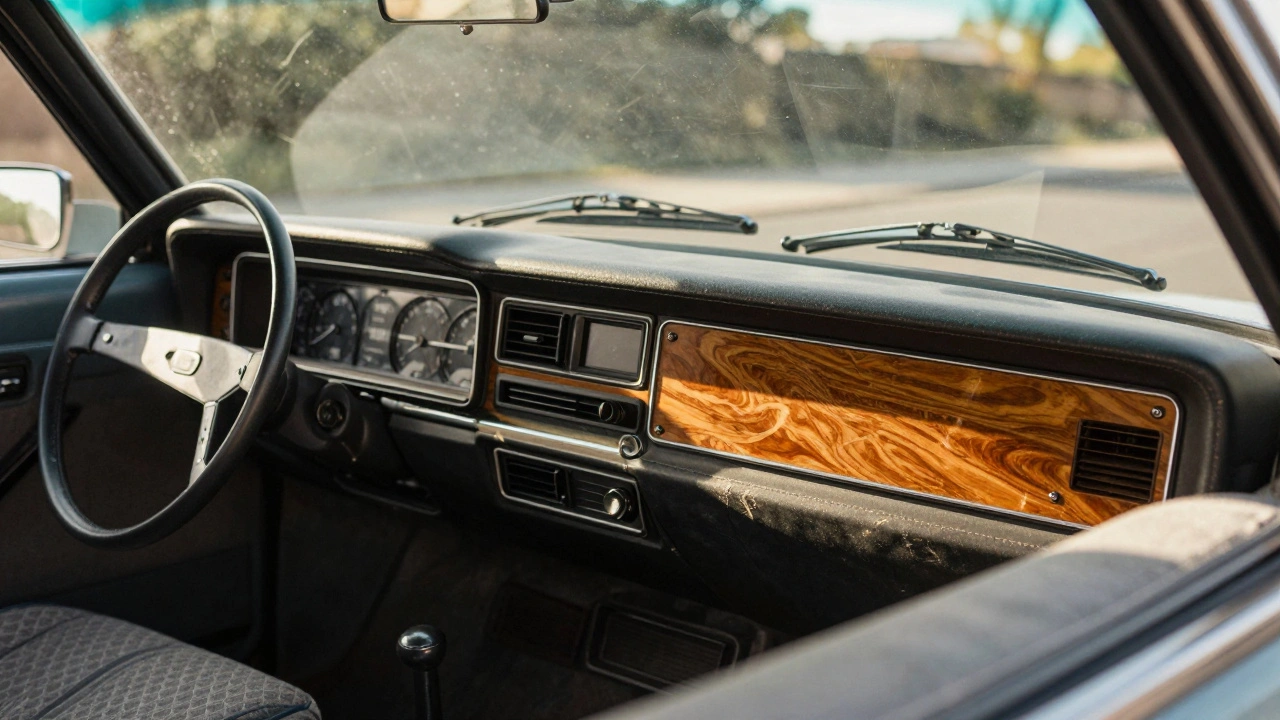
There is a distinct feeling when you step into a 1970s British sedan that you just won't find in a modern Tesla or Honda. The smell of aged vinyl mixed with dust, the slight give of a padded armrest, and the specific pattern of a dashboard that looks like wood but feels like plastic-this is the essence of British family car interiors. These cabins represent a unique blend of post-war economic necessity and aspirational design. For decades, manufacturers walked a fine line between keeping costs down for working families and making the car feel luxurious enough to justify the price tag. Today, collectors prize these spaces not just for nostalgia, but for their honest craftsmanship and specific aesthetic that defined an era.
The Utility Roots of Cabin Design
In the immediate years following World War II, the automotive industry in the United Kingdom operated under strict resource limitations. Steel and rubber were scarce commodities. Early family vehicles prioritized pure function over flair. A 1950s interior often consisted of hard painted surfaces and basic upholstery that could be wiped clean easily. You did not see soft-touch materials here. Durability was the primary attribute engineers measured success by.
Bench Seats Fixed seating arrangements that typically accommodated three passengers across the front or rear, common in pre-1980s vehicles. dominated this period. These long seats were practical because they maximized space without requiring complex seatbelt hardware for every individual position initially. Safety standards were loose compared to modern regulations. The focus remained on getting six people from point A to point B comfortably, even if comfort meant sitting rigidly upright.
The Rise of the Fake Grain
By the late 1960s, things began to change. Families wanted more status. They wanted their transportation to look expensive without costing a fortune. This demand drove the creation of what we now call viny l woodgrain trim. Manufacturers printed realistic wood patterns onto flexible PVC sheets. When applied to a dashboard or door card, the illusion worked surprisingly well until you touched it. That tactile disconnect is part of the charm today.
We saw this prominently in vehicles like the Vauxhall Victor. A mid-range saloon produced by General Motors' British subsidiary, notable for its blend of affordability and upscale styling cues. Inside, the combination of grey fabric with brown simulated mahogany became iconic. It bridged the gap between the gritty reality of a commute and the dream of executive travel. This technique allowed automakers to upgrade perceived value with minimal production cost increases. It was a psychological win for sales teams across the Midlands and beyond.
Model Spotlights: Defining Practical Luxury
To understand the evolution, we need to look at specific benchmarks. The Rover P6 Launched in 1963, this car introduced luxury features to the mass market in the UK. was a game-changer. Unlike competitors using stamped steel extensively, the P6 utilized die-cast aluminium for many body components. Inside, this translated to higher quality fitment. The dashboard was softer, with fewer gaps where dust could accumulate. Instrument clusters were clear and easy to read day or night.
| Model | Primary Material | Luxury Feature |
|---|---|---|
| Rover P6 3500 | Fabric & Vinyl | Bucket Seats |
| Vauxhall Victor FX | Simulated Wood | Centre Console |
| Ford Cortina Mk III | Vinyl & Rubber | AM Radio Standard |
Another significant player was the Ford Cortina. While technically American-designed, it was built for the British market's specific tastes. It used robust Fabric Upholstery Woven textiles used for seats and headliners, offering breathability and durability. rather than leather to save money while remaining comfortable. The layout was straightforward, avoiding the clutter seen in German rivals of the same period. Simplicity meant easier repairs for local garages. If a bolt broke, a mechanic didn't need special tools to access the fastener.
Ergonomics and Human Factors
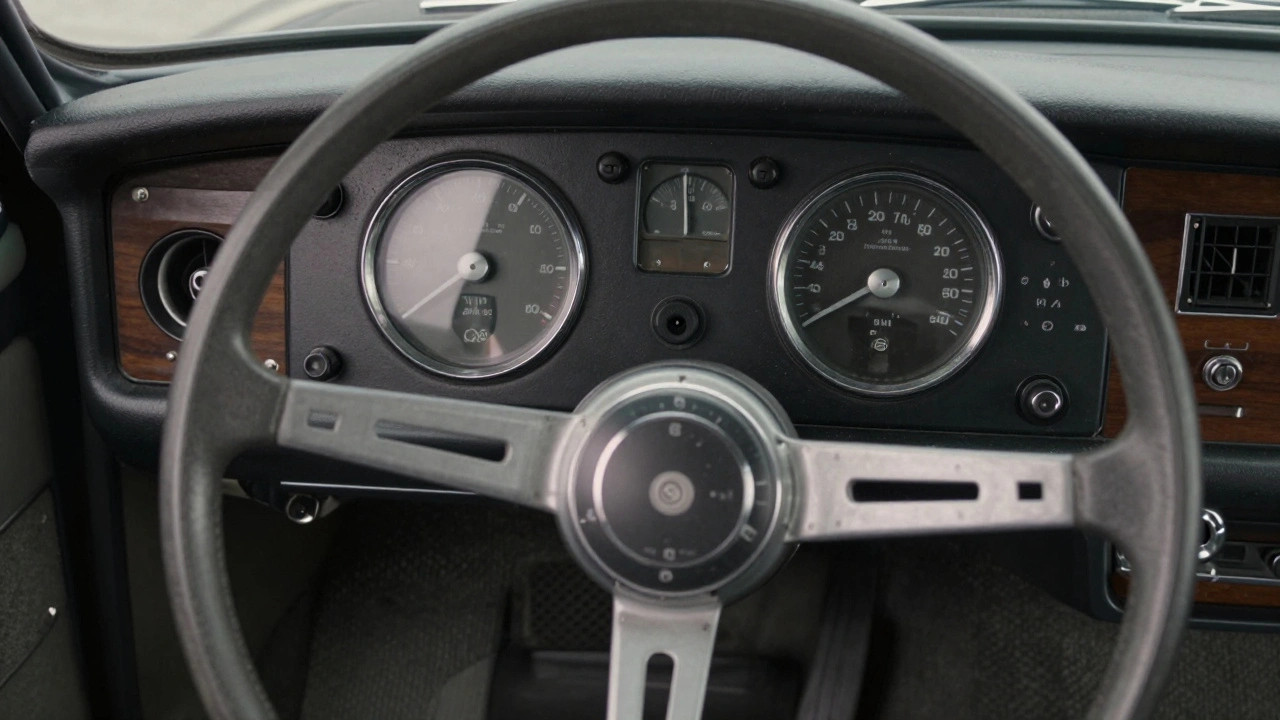
Design thinking eventually caught up with human biology. By the late 1970s, designers realized that stiff driving positions caused fatigue. This era brought us adjustable steering columns and better suspension setups for the seats themselves. Dashboard Instrument Clusters Integrated panels housing speedometers, fuel gauges, and warning lights for driver information. evolved from round analog dials to more rectangular layouts that offered better peripheral visibility.
However, safety still lagged behind. The infamous Austin Allegro is often criticized for poor build quality, yet its interior showed ambition. It aimed for a high-rent look with bright red switches and glossy knobs. Unfortunately, the materials degraded quickly in sunlight. Plasticizers evaporated, leaving the dash sticky and peeling. This serves as a critical lesson in material selection that persists today. Cheap plastics degrade faster than harder metals or high-grade vinyls.
The Shift to Plastics and Loss of Charm
As we moved into the 1980s and 1990s, global competition forced a redesign of priorities. Fuel efficiency and crash safety became king. Heavy wood-grain effects disappeared in favor of matte plastics that looked consistent and cheaper to stamp out. The tactile feedback of clicking a toggle switch gave way to pushing a button.
Interior Ergonomics The science of arranging controls and seating to maximize efficiency and minimize strain. improved, but character vanished. Cars became sterile environments. While modern vehicles offer infotainment screens and climate control zones, they lack the warmth of that earlier transitional period. The transition was necessary for safety, yet purists miss the soulful imperfections of those older cabins.
Restoring the Past in Modern Context
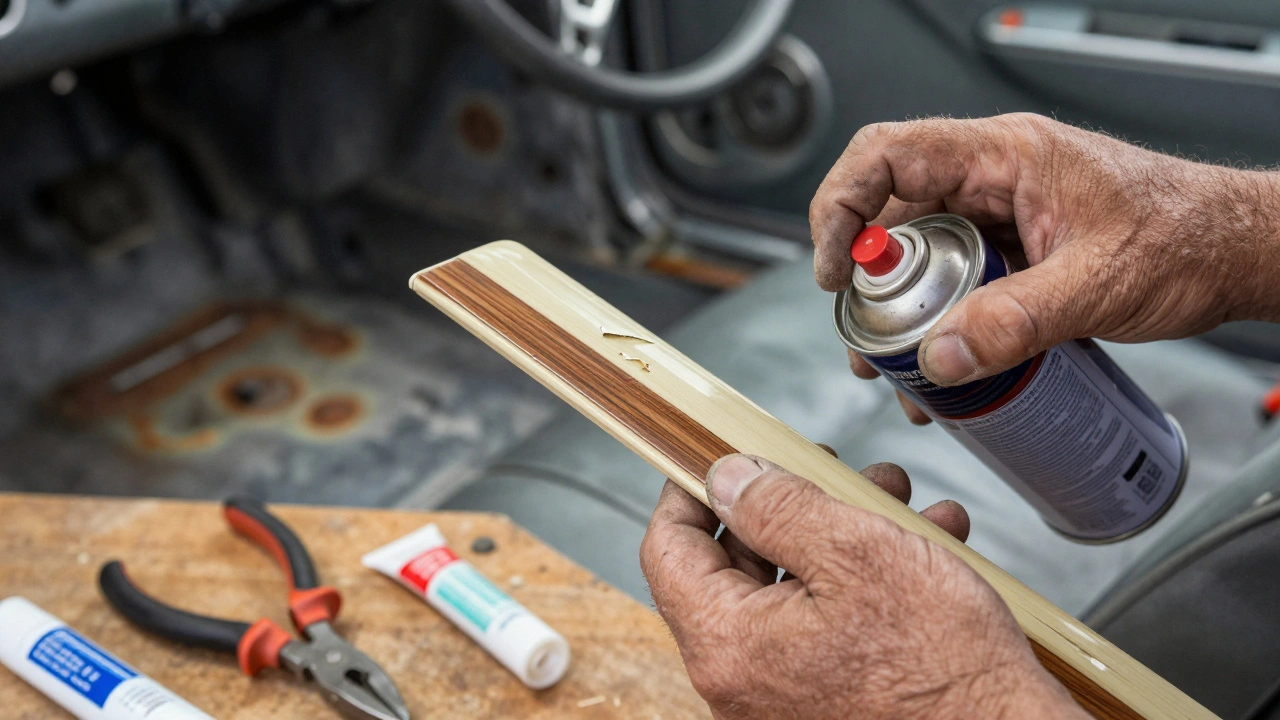
If you own one of these classics today, maintenance requires patience. Finding replacement parts for Chrome Dash Panels Decorative metallic strips mounted on instrument panels for aesthetic enhancement. can be difficult. Many original pieces have been lost to time or melted down for scrap. Specialized shops now laser etch reproductions, though they lack the weight of the originals.
When restoring, focus on structural integrity first. Rust repair in the footwell area often affects the interior trim stability. If the metal floor is weak, your new carpet won't lie flat. Use professional adhesives designed for vintage auto interiors. Ordinary glue might fail in extreme heat. Also, consider the age of the vehicle; using modern fire-retardant fabrics helps meet current insurance standards for displayed cars without sacrificing the look.
Why It Still Matters
Understanding these interiors offers insight into British culture and economics. We weren't just buying a mode of transport; we were buying into an identity. The shift from utilitarian benches to wood-grain luxury tells a story of recovery and aspiration. It explains why brands like Rover focused heavily on cabin refinement even in budget models.
Today, as electric vehicles strip away physical buttons entirely, looking back provides perspective. Maybe we don't need infinite screens. Sometimes, a sturdy lever that opens the window with a satisfying mechanical click is superior technology. Preserving these designs keeps that mechanical truth alive in a digital world.
Can I replace the original vinyl wood paneling?
Yes, you can replace damaged vinyl panels. Look for reproduction kits specifically molded for your vehicle model. Attempting to stick universal trim may result in gaps that look unprofessional.
Is the brown vinyl wood safe from UV damage?
Original 1970s vinyl is susceptible to fading. Apply UV protectant sprays regularly during restoration. Parking in the shade or using car covers will significantly extend the life of the material.
Do these older cars hold value?
Condition determines value. An unrestored Rover P6 is worth less than a fully restored unit. Originality matters more than modern modifications. Keep factory options intact whenever possible.
How do I clean dirty textured dashboards?
Use mild soap and water with a soft cloth. Avoid harsh chemicals like alcohol which dry out the plasticizers. Condition the surface afterward with a dedicated automotive detailer.
Are original carpets rare to find?
Genuine factory carpet rolls are extremely rare. Most restorations use reproduction sets tailored to the exact chassis measurements. Quality varies by manufacturer, so research vendor reviews.