The Cultural Power of British Car Clubs: Preservation, Skills, and Community
 May, 15 2026
There is a specific smell that hits you the moment you walk into a well-run British car club meeting. It’s a mix of old leather, high-octane fuel, and damp wool. But if you look past the nostalgia, you’ll see something much more vital happening in those garages and show fields. These aren’t just groups of people who like shiny paint jobs. They are living archives of mechanical engineering, acting as the last line of defense against the total loss of analog driving skills.
The cultural power of British car clubs is communities dedicated to the preservation, restoration, and celebration of British automobiles, serving as critical hubs for technical knowledge transfer and social cohesion among enthusiasts lies in their ability to keep dying technologies alive. When you drive a modern computer-controlled vehicle, you’re a passenger in your own machine. In a classic British car-whether it’s a Mini, an MG, or a Jaguar-you are part of the engine management system. You feel the clutch engagement. You hear the valve train. You know when the oil pressure drops before the warning light flickers on. This tactile connection is disappearing fast, but these communities are fighting to keep it relevant.
The Mechanics of Memory: Preserving Fading Skills
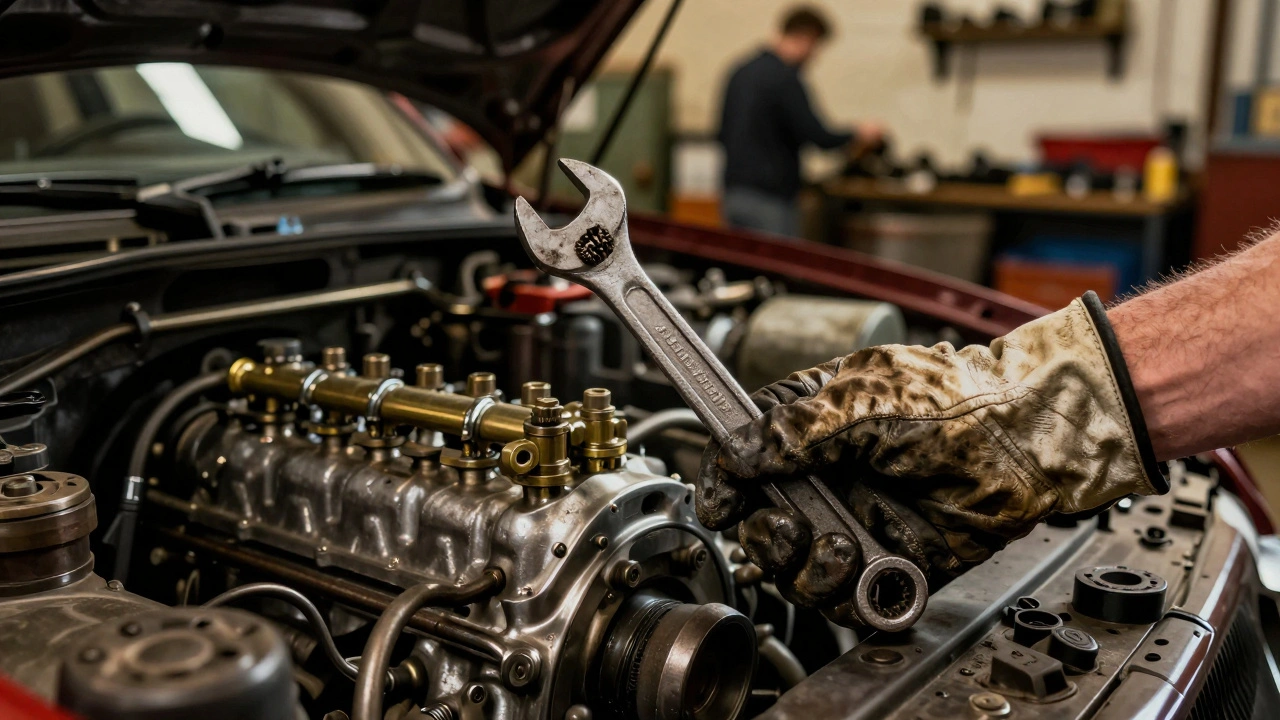
We live in an era where diagnostic software does the heavy lifting. If your car breaks down, you plug in a laptop. But what happens when the parts stop being made? What happens when the software updates become incompatible with older hardware? This is where the value of hands-on mechanical literacy becomes clear. British car clubs function as informal vocational schools. The knowledge isn’t stored in cloud servers; it’s stored in the minds of retirees, engineers, and weekend warriors who have spent decades wrestling with carburetors and drum brakes.
Consider the skill of tuning a SU carburetor is a type of constant vacuum carburetor widely used on British cars from the 1950s to the 1980s, requiring manual adjustment of air-fuel mixture via screws rather than electronic sensors. There are no error codes here. You adjust the mixture screw by feel and sound, watching the exhaust smoke and listening to the engine note. A master mechanic might teach this to a twenty-year-old apprentice in an hour. That apprentice now possesses a skill set that is increasingly rare. They understand airflow, fuel atomization, and combustion dynamics at a fundamental level. This isn’t just about keeping old cars running; it’s about maintaining a baseline understanding of how internal combustion engines work. As we transition toward electric vehicles, this foundational knowledge becomes even more critical for diagnosing hybrid systems and understanding energy efficiency.
The preservation of these skills also extends to fabrication and repair. Many British classics suffer from rust due to historical manufacturing shortcuts. Club members often learn sheet metal work, welding, and body filler techniques to restore structural integrity. These are transferable skills. A person who can reshape a fender on a 1960s Morris Minor can also repair modern unibody structures. The clubs provide the tools, the space, and the mentorship necessary to acquire these competencies without the high cost of formal trade school.
Community as a Counterweight to Digital Isolation
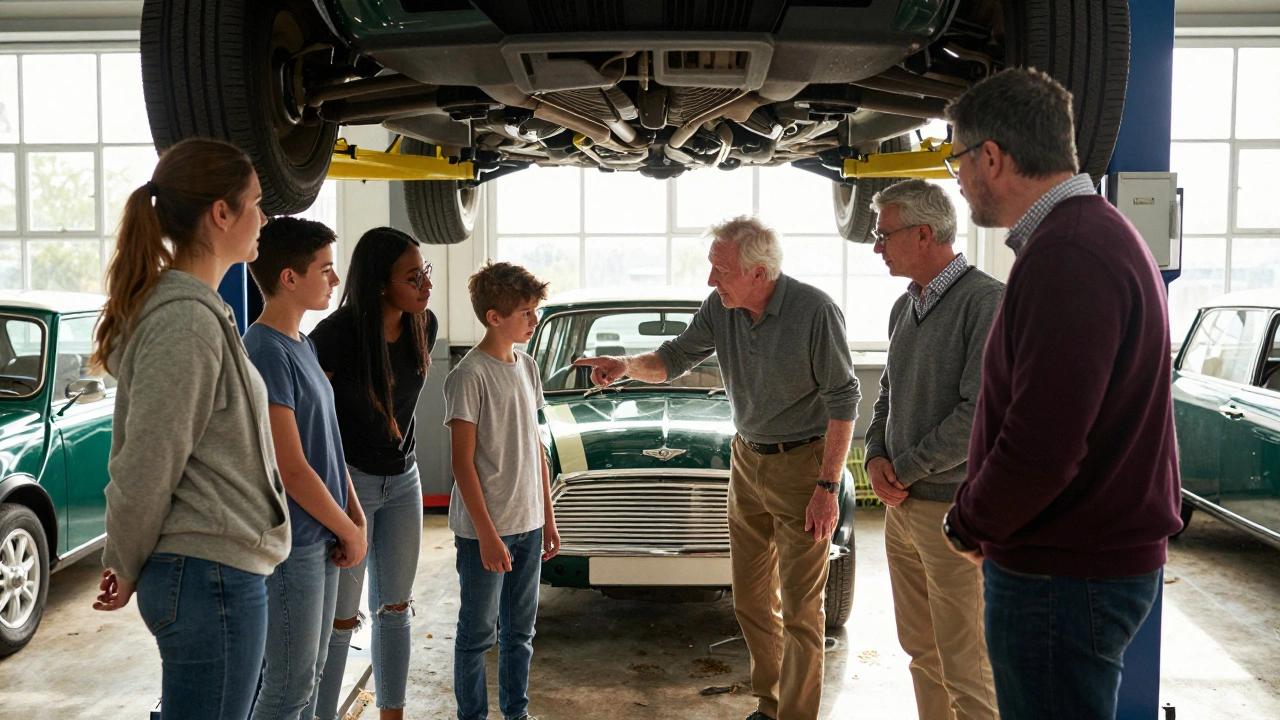
In a world dominated by screens and remote interactions, British car clubs offer a robust form of face-to-face community. The shared goal of restoring a vehicle creates a natural bond between people of different ages, backgrounds, and professions. You’ll find university professors working alongside plumbers, all united by the common language of torque specifications and bolt patterns. This cross-pollination of perspectives fosters a unique social environment where hierarchy dissolves in favor of practical expertise.
The social aspect is not just about friendship; it’s about resilience. During times of economic uncertainty or supply chain disruptions, these communities prove their worth. Members share parts, lend specialized tools, and offer labor to help each other get back on the road. This mutual aid network reduces the financial burden of ownership and strengthens local ties. It’s a model of cooperative economics that operates outside the traditional retail framework. When a member needs a rare spring for a suspension rebuild, they don’t wait weeks for a shipping notification. They call a friend who has one in his garage. This immediacy and reliability build trust and deepen relationships.
Furthermore, these clubs often serve as entry points for younger generations into STEM fields. Seeing a complex mechanical system come to life through human effort can inspire curiosity about physics, chemistry, and engineering. Parents bring their children to track days and shows, exposing them to problem-solving in real-time. The child learns that failure is part of the process-a broken piston doesn’t mean the end, it means a chance to investigate, analyze, and improve. This mindset is invaluable in education and career development.
The Economic Reality of Classic Ownership
Let’s be honest: owning a classic British car is expensive. Parts prices have skyrocketed over the last decade. A new clutch kit for a vintage sports car can cost more than the entire car was worth thirty years ago. Insurance, storage, and maintenance add up quickly. So why do people keep doing it? And why do clubs matter so much in this context?
The answer lies in collective bargaining power and resource sharing. Individual owners struggle to source affordable parts. Clubs, however, can negotiate bulk discounts with suppliers, sponsor reproduction part manufacturers, and organize group buys. This economies-of-scale approach makes ownership more sustainable for the average enthusiast. Additionally, the secondary market for classic cars has matured. Vehicles that were once considered junk are now valuable assets. Clubs play a role in educating members on proper valuation, documentation, and investment strategies, helping them navigate this complex market.
However, there is a risk of elitism creeping in. As values rise, the barrier to entry increases. Newcomers may feel intimidated by the costs or the perceived exclusivity of certain clubs. To maintain their cultural relevance, organizations must actively work to remain inclusive. This means supporting first-time restorers, offering scholarships for young members, and celebrating budget builds alongside concours-quality examples. The strength of the community depends on its diversity and accessibility.
| Attribute | Modern Vehicle Ownership | Classic British Car Ownership |
|---|---|---|
| Maintenance Approach | Dealership-dependent, software-diagnosed | Owner-performed, mechanical intuition-based |
| Skill Development | Limited to basic checks (oil, tires) | Comprehensive mechanical and fabrication skills |
| Community Structure | Online forums, isolated experience | Local clubs, hands-on mentorship, events |
| Parts Availability | High volume, standardized, cheap | Low volume, specialized, often expensive |
| Financial Risk | Rapid depreciation, loan dependency | Potential appreciation, cash-heavy transactions |
Bridging Generations Through Shared Passion
One of the most powerful aspects of British car culture is its intergenerational appeal. Grandfathers pass down stories of touring the coast in a Land Rover to their grandchildren, who then decide to restore a similar vehicle themselves. This transmission of oral history preserves not just technical details, but cultural narratives. The car becomes a vessel for family memories and national identity.
Clubs facilitate this exchange by organizing events that cater to all ages. Younger members might focus on digital marketing and social media promotion, bringing fresh energy and visibility to the organization. Older members contribute deep technical knowledge and historical context. This symbiotic relationship ensures the longevity of both the hobby and the community. It prevents stagnation by constantly integrating new ideas while respecting tradition.
Moreover, these interactions break down age-related stereotypes. Young people are often dismissed as lacking patience or respect for craftsmanship. Conversely, older individuals may be seen as resistant to change. Working together on a restoration project forces both groups to appreciate each other’s strengths. The teenager learns the value of precision and patience. The senior citizen learns the utility of modern research tools and digital communication. This mutual respect enriches the broader social fabric.
The Future of Analog Enthusiasm
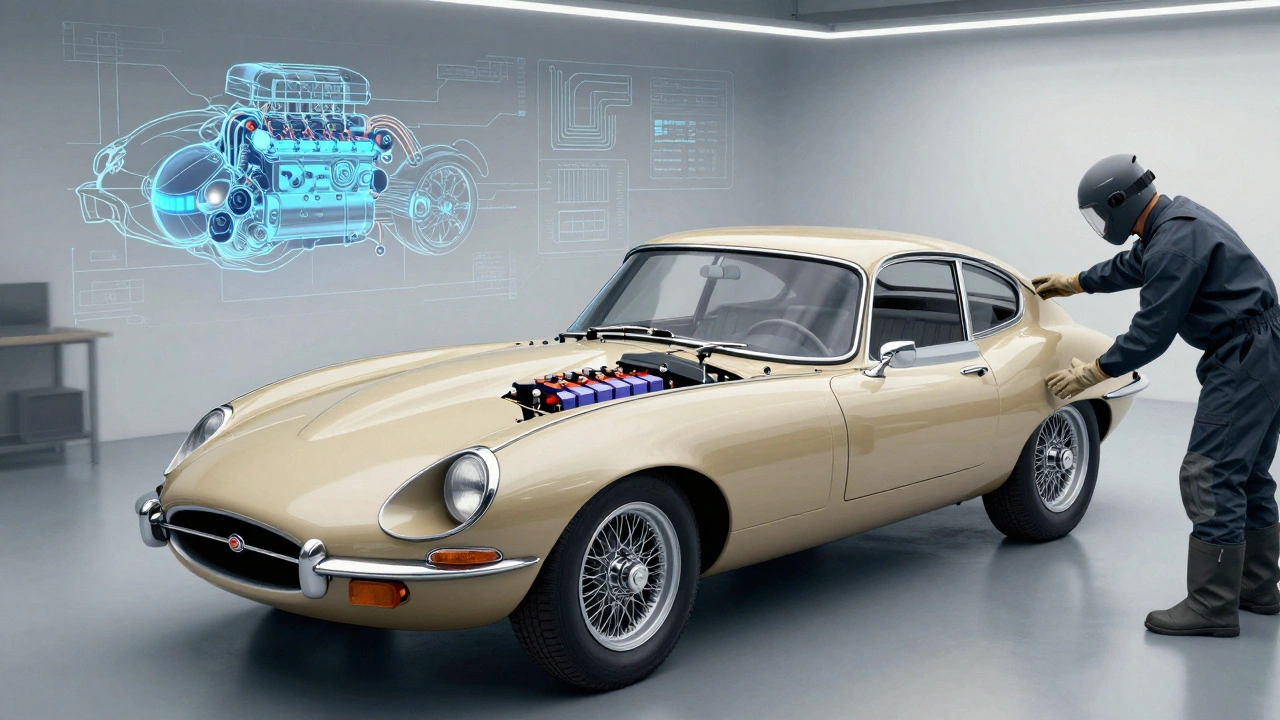
As electric vehicles dominate the future landscape, the role of British car clubs will evolve. They won’t disappear, but they will adapt. We are already seeing interest in electrifying classic chassis-retaining the aesthetic and driving dynamics while swapping out the internal combustion engine for electric propulsion. Clubs are becoming centers for innovation in this space, hosting workshops on battery integration and motor control systems.
This adaptation ensures that the core values of preservation and skill-building remain relevant. Even if the powertrain changes, the need for mechanical literacy, community support, and historical appreciation persists. The clubs are positioning themselves as bridges between the past and the future, ensuring that the spirit of motoring survives regardless of the technology powering the wheels.
Ultimately, the cultural power of British car clubs is not about the cars themselves. It’s about the people who gather around them. It’s about the shared struggle against entropy, the joy of creation, and the comfort of belonging. In a rapidly changing world, these communities offer a stable anchor, rooted in steel, rubber, and human connection.
How do British car clubs preserve mechanical skills?
They act as informal training grounds where experienced members mentor newcomers in hands-on tasks like carburetor tuning, sheet metal repair, and engine rebuilding. This direct transfer of tacit knowledge ensures that complex mechanical skills are passed down rather than lost to automated diagnostics.
Is joining a British car club expensive?
Membership fees vary, but many clubs offer tiered pricing for students and families. While owning the car itself can be costly, the club structure helps mitigate expenses through group buys, shared tool libraries, and volunteer labor exchanges, making participation more accessible than solo ownership.
What types of cars are typically featured in these clubs?
Clubs often specialize in specific brands or eras, such as Mini, MG, Jaguar, Triumph, or Morris. However, many generalist clubs welcome any British-made vehicle from the post-war era to the early 1990s, fostering a diverse range of projects and interests.
Can beginners join if they don't own a classic car yet?
Yes, most clubs encourage prospective owners to join first. This allows new members to learn about reliable models, avoid common pitfalls, and connect with sellers or mentors before making a purchase. Many clubs also have "project car" programs for aspiring restorers.
How are these clubs adapting to electric vehicles?
Many clubs are embracing EV conversions, offering workshops on battery safety, motor mounting, and electronic control units. This allows members to preserve the aesthetic and handling characteristics of classic designs while utilizing modern, cleaner powertrains.