Sustainability with Soul: How British Luxury Aligns Ethics and Experience
 Aug, 16 2026
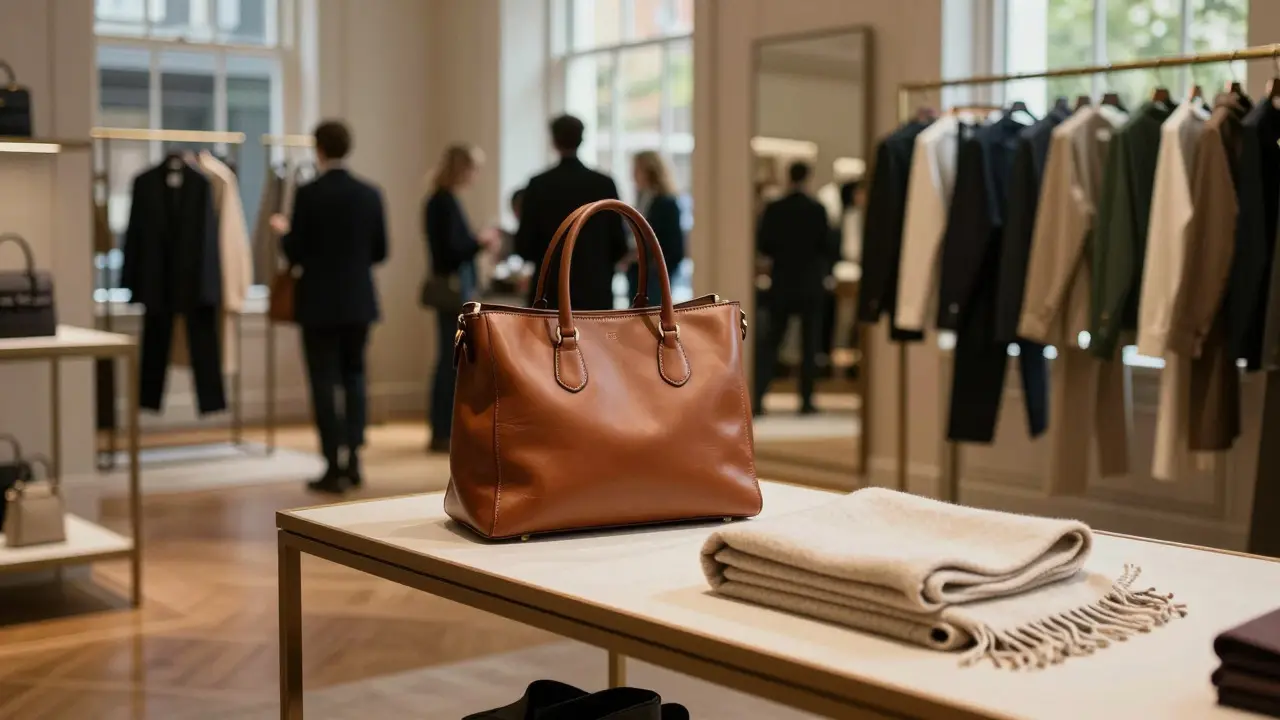
Walk into a high-end boutique in Mayfair or browse the online store of a heritage label in Savile Row, and you might expect to see only polished leather and pristine wool. But something has shifted. The modern definition of British luxury is no longer just about exclusivity or price tags; it’s increasingly about the story behind the stitch. For decades, "luxury" and "sustainable" felt like opposites-one implied excess, the other restraint. Today, they are merging into a new category often described as having "soul." This isn't a marketing gimmick. It’s a structural change in how top-tier British brands operate, driven by consumers who want their purchases to reflect their values without sacrificing quality.
The Shift from Excess to Enduring Influence
To understand this shift, we have to look at why the old model broke down. Traditional luxury relied on planned obsolescence and seasonal hype. You bought a bag because it was "in," not because it would last twenty years. But the economic climate and environmental awareness of the 2020s changed the calculus. Buyers started asking harder questions: Who made this? Where did the materials come from? Will this end up in a landfill in five years?
British brands, with their deep roots in craftsmanship, had an advantage here. Unlike fast-fashion giants struggling to retrofit sustainability onto assembly-line production, houses like Burberry, Mulberry, and smaller artisanal labels could lean into their heritage. Their core competency was already durability. The challenge wasn't learning how to make things last; it was proving that making things last was also good for the planet. This alignment of ethics and experience is what gives the sector its "soul." It transforms a transaction into a relationship between the consumer and the maker.
Craftsmanship as a Sustainability Strategy
At the heart of this movement is the concept of "slow luxury." In practice, this means prioritizing material integrity over volume. Take the case of cashmere. A standard mass-market sweater might use low-grade fibers that pill after three washes. A British brand using traceable Mongolian cashmere uses finer, longer staples that create a fabric dense enough to last a decade. When you buy one item that lasts ten years instead of four items that last two, your total carbon footprint drops significantly, even if the unit price is higher.
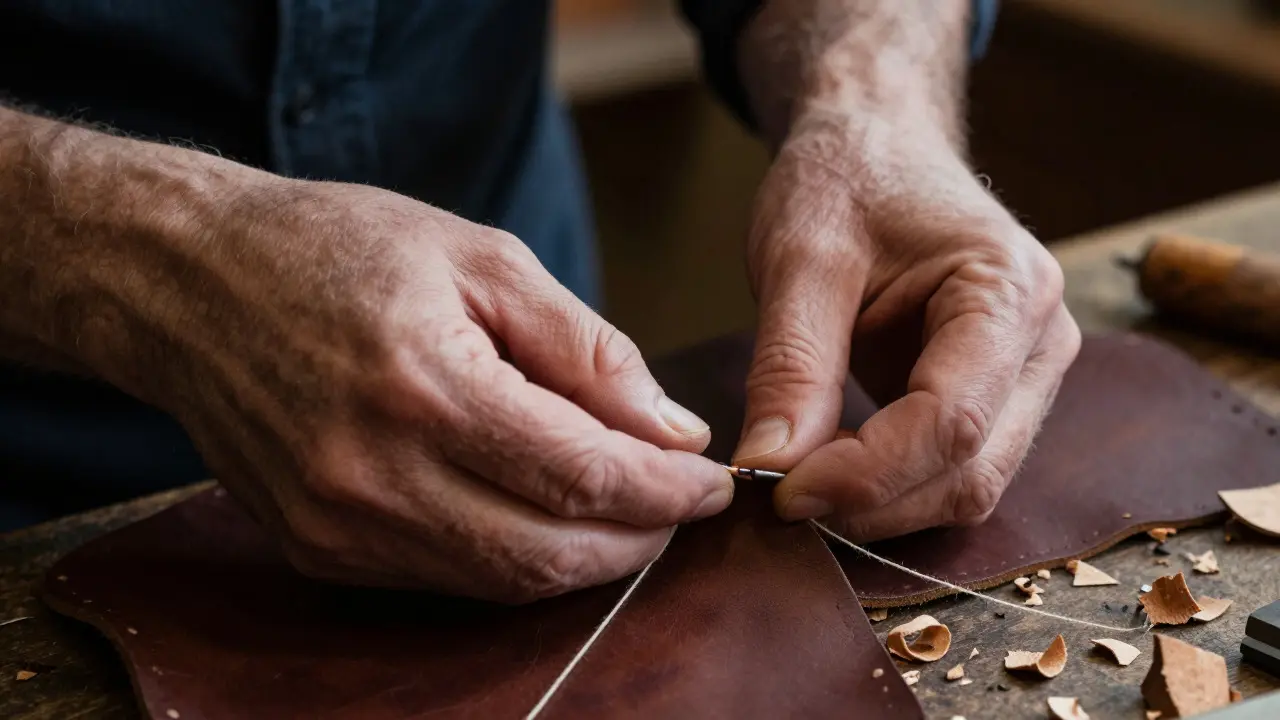
This approach requires transparency. Brands are now publishing supply chain maps, showing exactly which farms provide the wool and which tanneries treat the leather. For example, vegetable-tanned leather, a traditional method used in British shoemaking, avoids the toxic chromium salts used in conventional tanning. While it takes longer to produce, the result is a material that ages gracefully, developing a patina rather than cracking. This is where the "experience" part of the equation comes in. The customer isn't just buying a shoe; they are investing in an object that improves with time, a tangible connection to skilled hands in places like Northampton or London's East End.
Material Innovation and Circular Design
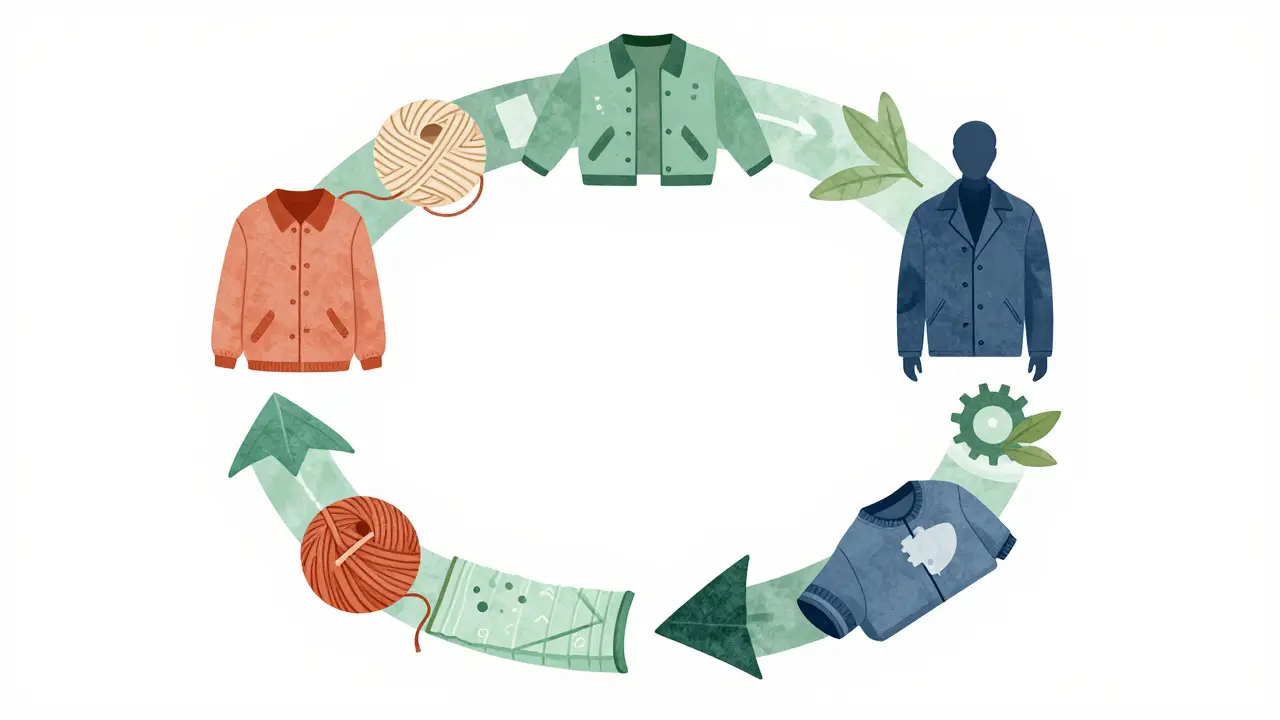
Beyond traditional craftsmanship, British luxury is leading in material innovation. The goal is to close the loop on waste. One prominent example is the rise of recycled technical fabrics. Brands are partnering with textile recyclers to break down old garments into raw fibers, which are then spun into new yarns. This process, known as mechanical recycling, is energy-intensive but eliminates the need for virgin resources.
Another key area is circular design. Instead of designing products that are difficult to disassemble, designers are creating items with modular components. Imagine a handbag where the hardware can be swapped out if it breaks, or a jacket where the lining can be replaced without discarding the outer shell. This extends the product life cycle and reduces waste. Major British houses are integrating these principles into their mainlines, not just in niche eco-collections. This signals that sustainability is a core design constraint, not an afterthought.
| Feature | Traditional Luxury Model | Sustainable "Soul" Model |
|---|---|---|
| Primary Value Driver | Brand prestige and scarcity | Durability and ethical provenance |
| Production Pace | High-volume, seasonal drops | Lower volume, made-to-order or small batch |
| Material Sourcing | Global, opaque supply chains | Traceable, local or certified origins |
| End-of-Life Plan | Landfill or donation (often) | Repair, resale, or recycling programs |
| Consumer Relationship | Transactional | Long-term stewardship |
The Role of Repair and Resale
A truly sustainable luxury ecosystem doesn't stop at the point of sale. It recognizes that the greenest product is the one already in existence. This is why repair services and resale platforms have become central to British luxury strategy. Many heritage brands now offer free or discounted repairs for life. If your belt buckle snaps, you don't throw away the belt; you send it back for a new buckle. This service reinforces the idea that the product is an asset, not disposable clutter.
Resale markets are also maturing. Platforms dedicated to pre-owned luxury goods are seeing double-digit growth, particularly among younger demographics who view buying second-hand as a savvy and ethical choice. By supporting official resale channels, brands retain control over pricing and authenticity while extending the life of their products. This creates a circular economy where value is preserved, and waste is minimized. For the consumer, it offers access to high-quality items at lower price points, democratizing access to British craftsmanship.
Challenges and Authenticity Checks
However, not all claims of sustainability are equal. Greenwashing remains a risk. Some brands slap a "eco" label on a single product line while continuing to pollute through their main operations. To navigate this, buyers should look for specific certifications and third-party audits. Look for GOTS (Global Organic Textile Standard) certification for organic cotton, or LWG (Leather Working Group) Gold status for tanneries. These aren't just badges; they represent rigorous testing of water usage, chemical management, and labor conditions.
Transparency is the ultimate test. Does the brand publish its annual sustainability report? Can you trace the origin of the materials? If the answer is vague, proceed with caution. The "soul" of sustainable luxury lies in honesty. It’s about admitting that perfection is impossible but progress is measurable. Brands that share their failures alongside their successes tend to earn more trust than those projecting flawless images.
What This Means for the Consumer
For the average buyer, this shift changes how you shop. It encourages a mindset of "buy less, buy better." Instead of filling a closet with trends that fade, you invest in pieces that serve you well for years. This requires patience and research, but the reward is a wardrobe that reflects your identity and values. It’s a move away from passive consumption to active curation.
British luxury is positioning itself at the forefront of this change because it has the history and the skill set to back it up. It’s not just selling clothes or accessories; it’s selling a philosophy of endurance. In a world obsessed with speed and novelty, the enduring influence of a well-made, ethically sourced object is a powerful statement. It suggests that true luxury isn't about having more, but about having things that matter.
Is sustainable luxury actually more expensive?
Often, yes, the upfront cost is higher due to better materials and fairer wages. However, when calculated on a cost-per-wear basis, sustainable items are frequently cheaper because they last longer. Additionally, the rise of resale markets allows consumers to access these items at lower prices.
How can I verify if a British brand is truly sustainable?
Look for third-party certifications like GOTS, OEKO-TEX, or B Corp status. Check if the brand publishes detailed supply chain information and annual impact reports. Avoid brands that rely solely on vague terms like "eco-friendly" without specific data or audit trails.
Why is Britain a leader in this space?
Britain has a long history of artisanal craftsmanship in textiles, leather, and tailoring. This heritage aligns naturally with sustainability principles, which prioritize durability and quality over mass production. The country's regulatory environment also pushes companies toward greater transparency and environmental accountability.
What is "circular design" in fashion?
Circular design involves creating products with their entire lifecycle in mind. This includes using materials that can be easily recycled, designing for repair, and planning for eventual return to the manufacturer or recycler. It aims to eliminate waste by keeping materials in use for as long as possible.
Does buying second-hand count as sustainable luxury?
Yes, arguably it is the most sustainable option. Buying second-hand extends the life of an existing garment, reducing the demand for new resource extraction and manufacturing. It supports the circular economy and allows high-quality British-made items to remain in circulation rather than ending up in landfills.