Survivors and Spin-offs: How Jaguar and Land Rover Escaped British Leyland
 Oct, 30 2026
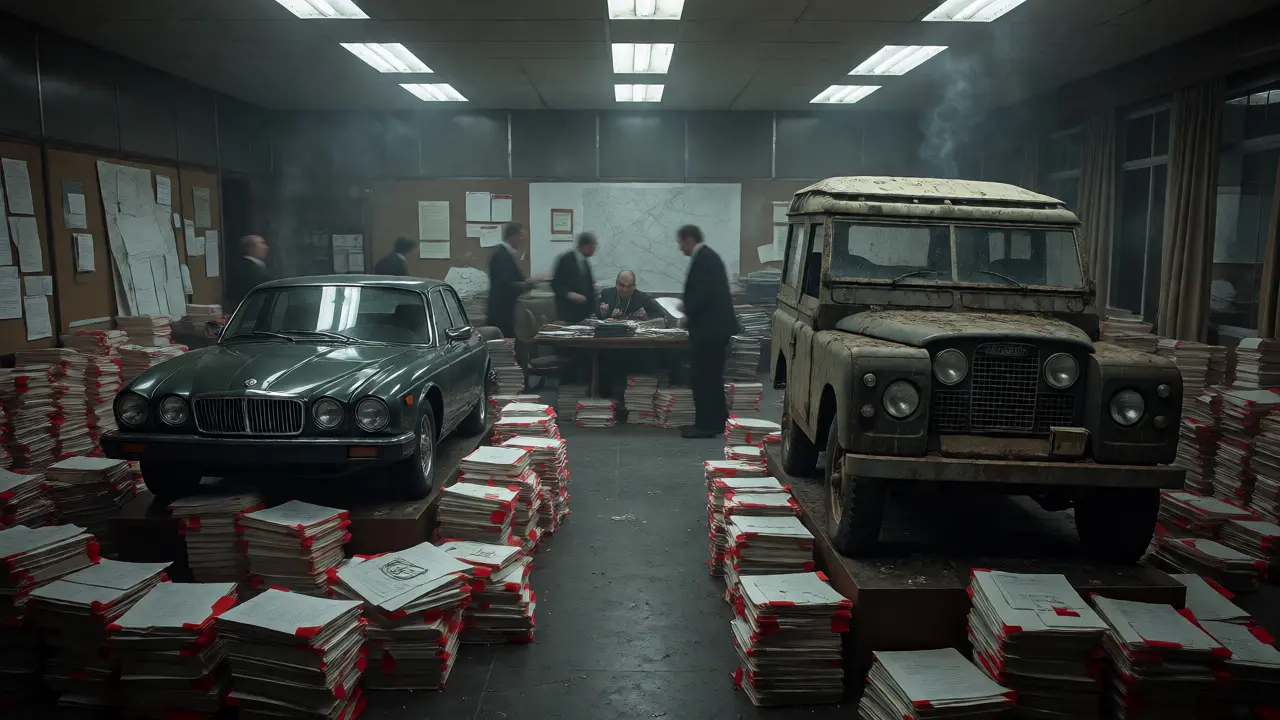
You probably know Jaguar for its sleek sedans and Land Rover for its rugged off-road capability. But if you rewind the clock to the late 1970s, these two iconic brands were drowning in a sea of bureaucratic incompetence known as British Leyland (BL). It wasn't just a bad quarter; it was a national embarrassment that required repeated government bailouts totaling billions. The story of how Jaguar and Land Rover survived isn't about superior engineering alone-it's about ruthless management changes, strategic spin-offs, and a bit of luck with foreign buyers.
Most people think of Jaguar Land Rover (JLR) as a single entity today, thanks to Tata Motors. But getting there involved a messy divorce from the rest of the British auto industry. If you're interested in how corporate survival actually works in the real world-not just in business school case studies-this is one of the best examples. We'll look at why BL failed, how the "survivors" separated themselves, and what lessons remain for modern automakers facing disruption.
The Perfect Storm: Why British Leyland Imploded
To understand the escape, you have to understand the prison. British Leyland was formed in 1968 by merging several historic manufacturers, including Leyland Motor Corporation, Rootes Group, and later Jaguar and Rover. The idea was to create a British giant that could compete with Ford and General Motors. In practice, it created a monster.
The problems weren't just technical; they were cultural. BL suffered from chronic labor disputes, outdated factories, and a management style that ignored quality control. By the mid-1970s, the company was hemorrhaging money. The UK government stepped in with massive subsidies, essentially keeping the lights on through taxpayer money. This created a moral hazard: managers didn't need to fix deep-seated issues because the state would always cover the losses. Products like the Austin Allegro became symbols of this failure-cars that looked odd, drove poorly, and broke down frequently.
Within this chaotic environment, Jaguar and Land Rover occupied unique niches. Jaguar had prestige but poor reliability. Land Rover had utility but terrible rust issues. Both were profitable enough to be valuable assets, yet both were dragged down by the shared overhead and inefficiencies of the larger BL structure. They needed a way out.
The First Break: Separating Jaguar from the Mass Market
The first major step toward independence came not from a grand strategy, but from necessity. In the early 1980s, under pressure from lenders and the public, BL began restructuring. The goal was to shed unprofitable divisions and focus on brands with export potential. Jaguar was seen as the crown jewel of the luxury segment, but it was being held back by mass-market production lines designed for economy cars.
Enter John Egan. Hired in 1980, he implemented a radical plan often called the "Egan Era." He stopped chasing volume and started chasing quality. He cut waste, improved dealer networks, and crucially, pushed for the development of new models like the XJ40 (which became the XJ6). More importantly, he began decoupling Jaguar's operations from the broader BL bureaucracy. While still legally part of the group, Jaguar operated almost like a separate company, focusing on premium customers who cared about brand image more than price.
This separation allowed Jaguar to rebuild its reputation. By isolating the brand from the negative perception associated with Austin or Morris badges, Jaguar could charge higher margins. This financial health made them attractive to private investors, setting the stage for their eventual sale. It wasn't an overnight success, but it proved that premium brands could survive independently if shielded from low-margin mass-market failures.
Land Rover’s Unique Path: From Military Utility to Global Icon
Land Rover faced different challenges. Its core product, the Defender, was beloved for its simplicity but hated for its lack of comfort and safety features. Unlike Jaguar, which competed on elegance, Land Rover competed on capability. However, within BL, Land Rover struggled to fund the R&D needed to modernize without diluting its rugged identity.
The turning point for Land Rover was less about internal reform and more about external partnership. Recognizing that they couldn't afford to develop new platforms alone, BL sought joint ventures. This led to collaborations with BMW and eventually Daimler-Benz. These partnerships provided access to better engines and electronics, helping to refine the Discovery and later the Freelander.
Crucially, Land Rover’s global appeal meant it had markets outside the UK where its reputation for toughness outweighed its reliability flaws. Farmers in Australia, explorers in Africa, and military units worldwide kept buying Defenders regardless of BL’s domestic struggles. This cash flow gave Land Rover leverage during the breakup negotiations. It wasn't just a burden; it was a globally recognized asset that other companies wanted.
The Great Unbundling: Creating the Rover Group
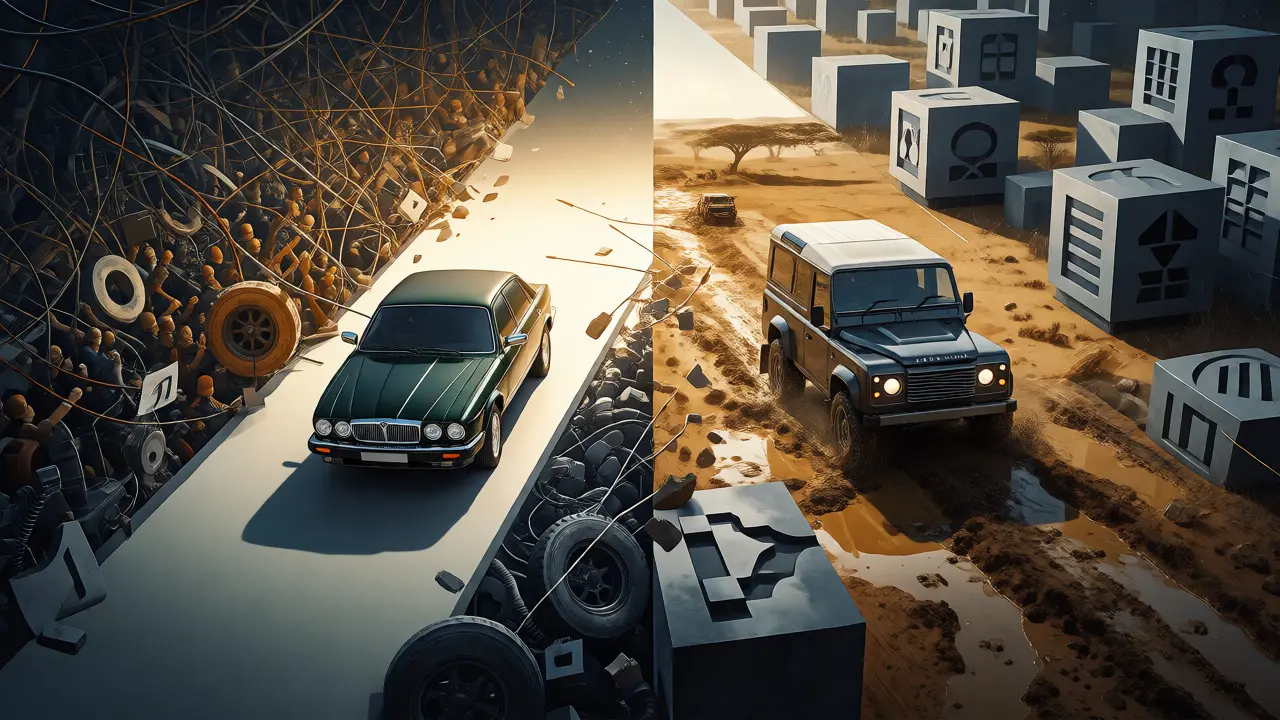
By the mid-1980s, the UK government realized that keeping all these disparate brands under one roof was unsustainable. The solution was privatization. In 1988, the bulk of BL’s car manufacturing operations were sold to British Aerospace (BAe), forming the Rover Group. This new entity included Rover, Triumph, and MG, but notably, Jaguar and Land Rover were initially treated differently due to their distinct market positions.
Jaguar was floated on the stock market separately in 1984, becoming the first major BL brand to go public independently. This was a huge signal: the market believed Jaguar had value apart from the BL baggage. Land Rover remained within the Rover Group umbrella for a while longer, largely because its future depended on finding a partner willing to invest in its expensive platform updates.
The creation of the Rover Group was messy. BAe lacked automotive expertise, leading to further mismanagement. Yet, this period also saw the introduction of the Honda alliance, which brought Japanese efficiency methods to some Rover plants. This mixed bag of ownership structures meant that while Jaguar was free, Land Rover was still tethered to a struggling parent company. The final break for Land Rover would come only when the right buyer appeared.
Foreign Rescue: BMW, Ford, and the Final Split
The end of the British era for these brands came via foreign acquisition. In 1994, BMW bought the Rover Group, including Land Rover. For a few years, it seemed like a match made in heaven: German engineering meeting British heritage. But BMW quickly grew frustrated with Land Rover’s aging technology and high costs. They invested heavily in the Range Rover line but neglected the base models.
When BMW decided to divest, they sold Land Rover to Ford in 2000. Ford already owned Volvo and Aston Martin, creating a portfolio of premium brands. Under Ford’s Premier Automotive Group, Land Rover received much-needed investment, launching the Discovery Sport and refining the Range Rover Evoque.
Meanwhile, Jaguar had been acquired by Ford in 1989, before the Rover Group sale. This placed both survivors under the same American roof for over a decade. While critics argued that American ownership diluted British character, the reality was that Ford’s capital allowed both brands to modernize safely. Without this foreign intervention, it’s unlikely either brand would have survived the transition into the 21st century intact.
Reunification and the Tata Takeover
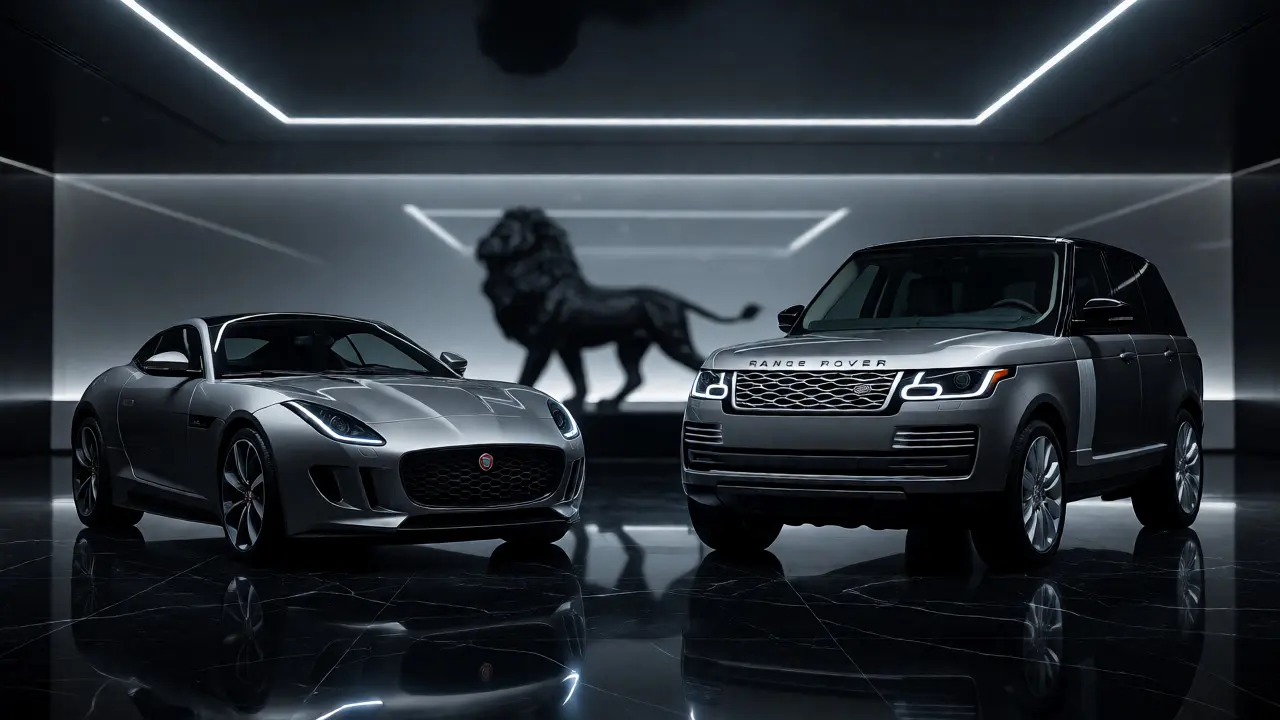
The irony of the BL story is that after decades of separation, Jaguar and Land Rover ended up together again. In 2008, amid the global financial crisis, Ford sold both brands to Tata Motors of India. This merger created Jaguar Land Rover (JLR), effectively reversing the original split caused by BL’s collapse.
Tata’s approach differed significantly from previous owners. Instead of treating JLR as a cash cow to milk, they invested heavily in R&D. They developed new lightweight aluminum architectures, launched electric vehicles, and expanded into China aggressively. Today, JLR is one of the most successful British automotive entities, despite having no direct lineage to the old BL management structure.
This reunification highlights a key lesson: sometimes, breaking things apart is necessary for survival, but bringing them back together can unlock synergies once stability returns. The brands retained their distinct identities-Jaguar remains sporty and luxurious, Land Rover remains adventurous and capable-but now share resources efficiently.
| Period | Owner/Parent Company | Status of Brand | Key Development |
|---|---|---|---|
| 1968-1984 | British Leyland | Integrated Division | Shared resources, chronic losses, labor strikes. |
| 1984-1989 | Publicly Traded (Jaguar) | Independent Public Co. | Egan reforms, quality improvements, XJ40 launch. |
| 1989-2000 | Ford Motor Company | Premier Automotive Group | Modernization, new platforms, global expansion. |
| 1994-2000 | BMW / Rover Group | Subsidiary of Rover | Mixed results, Range Rover L322 launch. |
| 2000-2008 | Ford Motor Company | Premier Automotive Group | Evoque concept, Discovery refinement. |
| 2008-Present | Tata Motors | Jaguar Land Rover (JLR) | Reunification, EV strategy, Chinese market growth. |
Lessons for Modern Automakers
What does the fall of BL and the rise of JLR teach us today? First, heritage doesn’t guarantee survival. Brands like Saab and Pontiac disappeared despite loyal followings because they failed to adapt financially. Jaguar and Land Rover survived because they were allowed to operate independently when possible, freeing them from the drag of weaker siblings.
Second, foreign capital isn't inherently bad. The narrative that "foreign ownership kills British soul" is overstated. In many cases, it provided the lifeline needed to innovate. When local governments try to protect failing industries with endless subsidies, they often delay inevitable restructuring. Letting the market decide-through sales or mergers-often leads to healthier outcomes.
Finally, niche strength matters. Land Rover survived because it owned the off-road segment. Jaguar survived because it owned the accessible luxury segment. Companies that try to be everything to everyone, like the original BL, tend to fail. Focus beats breadth when resources are scarce.
Why did British Leyland fail?
British Leyland failed due to a combination of poor management, frequent labor strikes, outdated manufacturing processes, and a lack of coherent strategy. The merger of diverse brands created internal competition rather than synergy, leading to significant financial losses that required constant government bailout.
Was Jaguar ever part of Land Rover?
Not historically until recently. Originally, they were separate companies merged into British Leyland. After BL collapsed, Jaguar was sold to Ford in 1989, while Land Rover went through various hands including BMW and Ford. They were reunited under Tata Motors in 2008 to form Jaguar Land Rover.
Who owns Jaguar Land Rover today?
Jaguar Land Rover is owned by Tata Motors, an Indian multinational automotive manufacturing company. Tata acquired the brands from Ford in 2008 and has since invested heavily in their product lines and electrification efforts.
Did the Rover Group include Jaguar?
No, the Rover Group primarily consisted of Rover, Triumph, and MG brands after being sold to British Aerospace in 1988. Jaguar had already been floated as a separate public company in 1984 and was subsequently sold to Ford in 1989, remaining outside the Rover Group structure.
How did John Egan save Jaguar?
John Egan, hired in 1980, focused on improving build quality, reducing waste, and enhancing dealer relations. He shifted Jaguar’s strategy from volume production to premium positioning, allowing the brand to command higher prices and rebuild its reputation for excellence independent of British Leyland’s mass-market failures.