Safety and Reliability in 1910s British Cars: What Technology Moved the Needle
 May, 21 2026
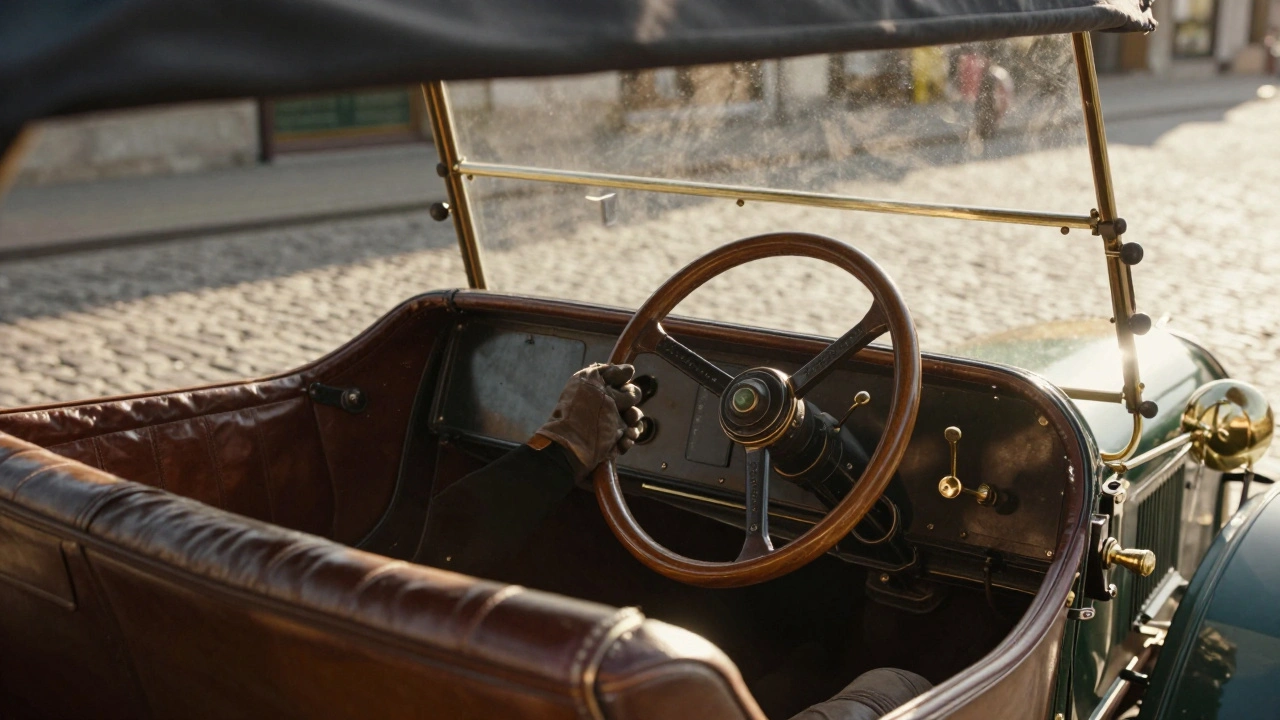
Imagine sitting behind the wheel of a 1912 Daimler. You are not just driving; you are operating a complex, loud, and potentially dangerous machine. The leather seat is stiff, the steering wheel requires two hands to wrestle, and there is no dashboard cluster to tell you if the engine is overheating. In the 1910s, British cars were transitioning from luxury toys for the ultra-rich to practical machines for the growing middle class. But this shift came with a massive problem: reliability was poor, and safety was virtually non-existent by modern standards.
So, what actually changed? It wasn't one single invention that saved drivers. Instead, it was a combination of mechanical tweaks, material improvements, and a cultural shift toward standardization. This era, often overlooked between the Victorian age and the post-WWI boom, saw the birth of technologies we now take for granted. From better braking systems to more durable engines, these innovations moved the needle significantly on both safety and reliability.
The Shift from Luxury Toys to Practical Machines
To understand why technology improved, we first need to look at who was buying these cars. At the start of the decade, a Rolls-Royce Silver Ghost cost more than a large house. Only the wealthy could afford them, and they had chauffeurs. If the car broke down, the driver simply waited or sent for help. Reliability mattered less because human labor compensated for mechanical failure.
By 1914, however, the landscape changed. The rise of smaller, cheaper models like the Austin Seven meant that owners were driving themselves. When you are the one holding the steering wheel, you suddenly care about whether the brakes work or if the radiator leaks. This demand for self-reliance forced manufacturers to rethink their designs. They couldn't rely on craftsmanship alone; they needed engineering precision.
| Feature | Early 1910s (1910-1913) | Late 1910s (1914-1919) |
|---|---|---|
| Braking System | Rear-wheel only, hand-operated lever | Foot-operated brakes, some four-wheel adoption |
| Engine Cooling | Tubular radiators, prone to freezing | Improved finned radiators, thermostatic valves |
| Suspension | Leaf springs, rigid axles | Refined leaf springs, shock absorbers emerging |
| Ignition | Magneto-based, sensitive to vibration | Battery ignition systems becoming common |
| Body Material | Wooden frames, heavy steel panels | Lighter alloys, standardized metal bodies |
Braking Systems: From Hand Levers to Foot Pedals
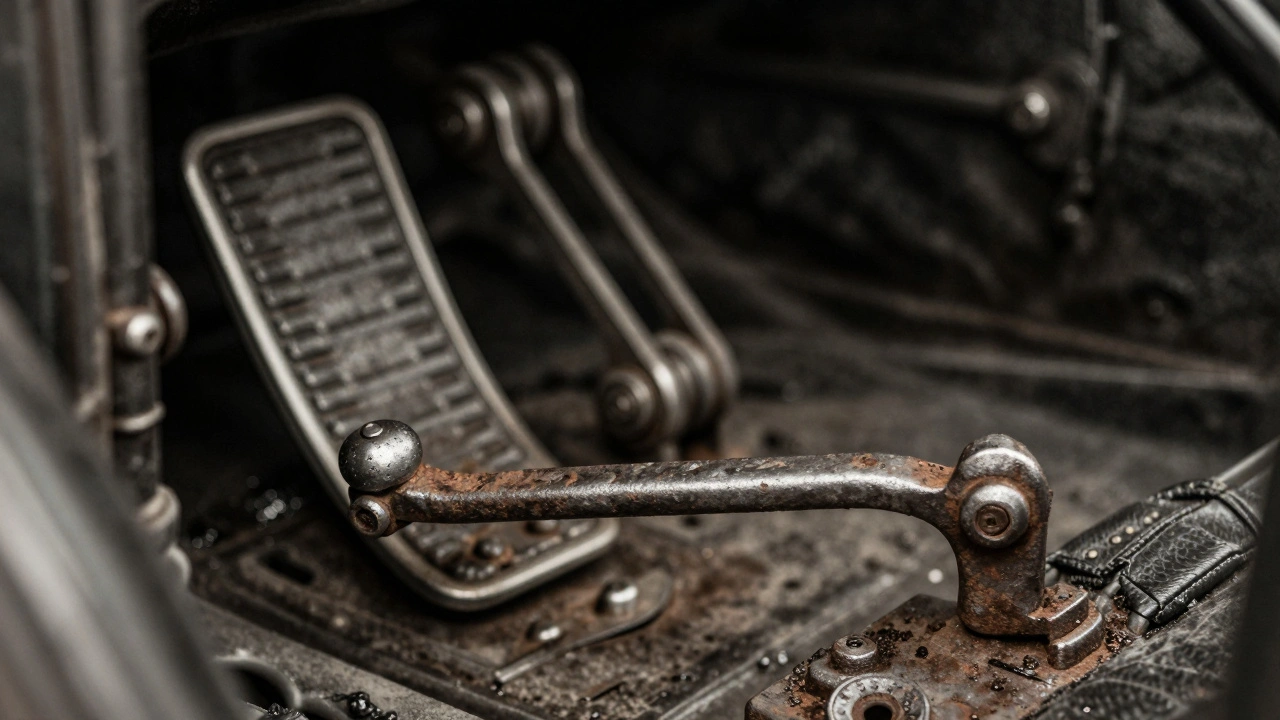
If you ask any historian about the biggest safety leap in the 1910s, they will point to the brakes. In 1910, most British cars used a hand-operated lever to squeeze brake bands around the rear wheels. This system was weak. Stopping a heavy vehicle required immense strength, and the front wheels contributed nothing to stopping power. This led to frequent accidents where cars would skid sideways or fail to stop in time.
The game-changer was the introduction of foot-operated brakes. By moving the control to the floor, drivers could use their leg muscles, which are stronger than their arms. More importantly, it freed up the hands to steer while slowing down. Companies like Morris Motors began experimenting with hydraulic systems towards the end of the decade, though mechanical linkages remained dominant. The real breakthrough, however, was the gradual move toward four-wheel braking. While full four-wheel brakes didn't become standard until the 1920s, late-1910s prototypes showed that distributing braking force across all wheels drastically reduced stopping distances.
This change wasn't just about convenience; it was about survival. As roads became busier, especially in urban centers like London and Manchester, the ability to stop quickly became a necessity. The transition from hand to foot brakes also paved the way for synchronized clutch-brake systems, allowing for smoother stops without stalling the engine.
Engine Reliability: Taming the Temperamental Powerplant
Engines in the early 1910s were temperamental beasts. They ran hot, vibrated excessively, and often failed due to poor lubrication. One of the biggest headaches for mechanics was the cooling system. Tubular radiators, made of copper or brass, were prone to leaking and freezing in winter. A burst pipe meant a stranded driver, often miles from civilization.
The solution came in the form of improved radiator design and the introduction of antifreeze additives. Engineers started using finned surfaces to increase heat dissipation, allowing engines to run cooler and more efficiently. Additionally, the development of more robust water pumps ensured consistent coolant circulation. These changes reduced the frequency of breakdowns significantly.
Lubrication was another critical area. Early cars relied on splash lubrication, where oil splashed onto moving parts. This method was inefficient and left many components dry. The 1910s saw the widespread adoption of pressure lubrication systems, where an oil pump forced lubricant directly to bearings and camshafts. This innovation extended engine life and reduced wear, making cars more reliable for long-distance travel.
Ignition systems also evolved. Magneto-based ignitions, which generated their own electricity, were unreliable at low speeds and sensitive to vibration. The shift toward battery ignition systems provided a more consistent spark, improving starting reliability and overall engine performance. This was particularly important as cars became heavier and required more torque to get moving.
Suspension and Ride Quality: Comfort Meets Control
Ride quality in the 1910s was rough. Most cars used simple leaf spring suspensions attached to rigid axles. This setup transmitted every bump and pothole directly to the chassis and passengers. While effective for durability, it offered little comfort or control. High-speed corners were dangerous, as the body would roll excessively, leading to rollovers.
Engineers began refining leaf spring designs, using multiple layers of steel with varying curvatures to absorb shocks better. Some manufacturers experimented with semi-elliptical springs, which provided a smoother ride without sacrificing load-bearing capacity. Although true independent suspension was still years away, these improvements marked a significant step forward.
Shock absorbers, or dampers, began to appear in high-end models. These devices controlled the oscillation of the springs, preventing the car from bouncing uncontrollably after hitting a bump. While not yet standard equipment, their presence in luxury cars like the Bentley demonstrated the industry's direction. Better suspension meant better tire contact with the road, which improved handling and safety.
Standardization and Mass Production Techniques
Perhaps the most profound change in the 1910s was the shift toward standardization. Before this period, each car was often built individually, with parts made to fit specific vehicles. This bespoke approach led to inconsistencies and high costs. The influence of American mass production techniques, pioneered by Henry Ford, began to impact British manufacturers.
Companies like Austin Motor Company adopted assembly line methods, producing interchangeable parts. This meant that if a part broke, it could be replaced easily without custom fitting. Standardization also improved quality control, as parts were manufactured to precise specifications. This reduction in variability enhanced both reliability and safety, as components performed consistently under stress.
The establishment of industry standards for bolts, nuts, and fasteners further streamlined maintenance. Mechanics no longer needed specialized tools for every brand. This democratization of repair made car ownership more accessible and encouraged wider adoption.
The Impact of World War I on Automotive Technology
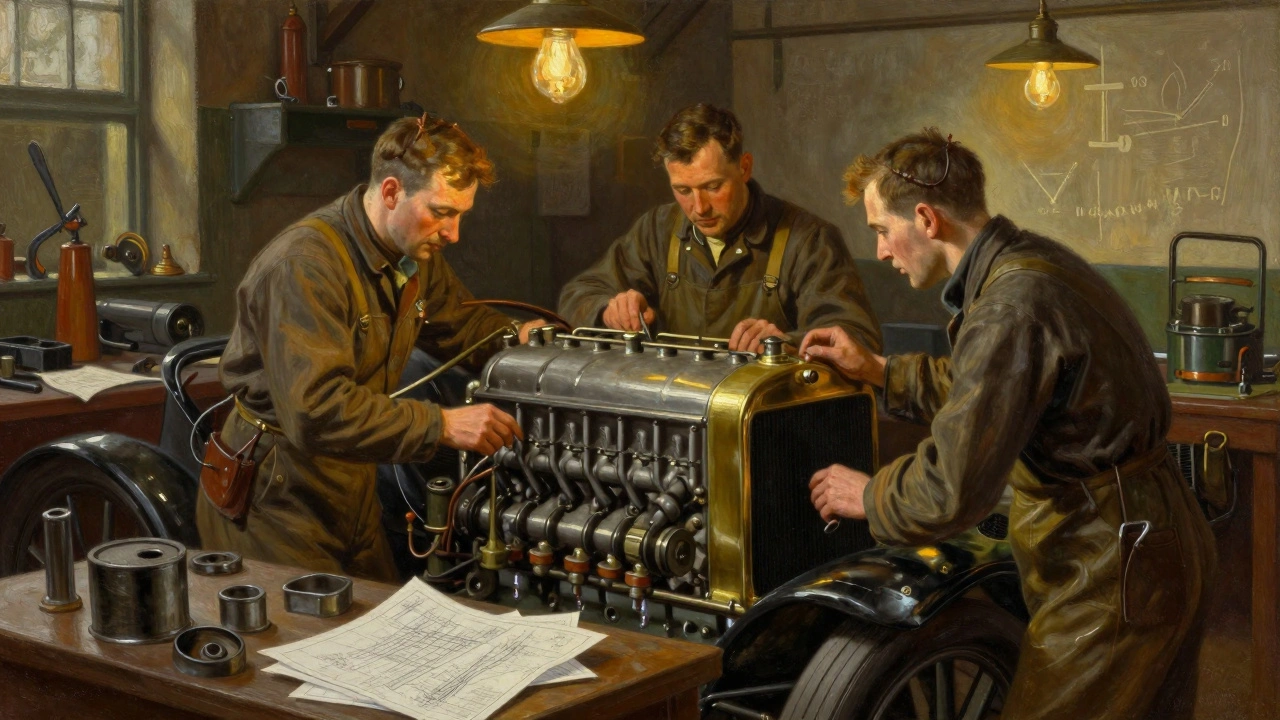
World War I accelerated technological advancements in automotive engineering. The war effort demanded reliable vehicles for transport, communication, and logistics. Manufacturers were pushed to produce sturdy, durable cars that could withstand harsh conditions. Military contracts funded research into better materials, such as lighter alloys and stronger steels.
The war also highlighted the importance of safety features. Armored vehicles required reinforced cabins, leading to developments in structural integrity. Post-war, these lessons translated into civilian cars, with stronger frames and improved crash resistance becoming priorities. The experience gained during the war helped bridge the gap between experimental prototypes and mass-produced reliability.
Legacy of the 1910s Innovations
The technological strides made in the 1910s laid the foundation for modern automotive safety and reliability. Foot-operated brakes, pressure lubrication, and standardized parts became industry norms. These innovations not only made cars safer but also more affordable and accessible to the general public.
Today, when we discuss active safety systems like anti-lock brakes or electronic stability control, we are building upon the mechanical principles established over a century ago. The 1910s were a pivotal decade where cars transformed from fragile novelties into dependable machines. Understanding this history helps us appreciate the complexity of modern automotive engineering and the continuous pursuit of safety.
Were 1910s British cars safe by today's standards?
No, they were not. By modern standards, 1910s cars lacked seatbelts, airbags, crumple zones, and effective braking systems. However, compared to earlier models, they represented significant improvements in mechanical reliability and basic safety features like foot brakes.
What was the most important safety invention of the 1910s?
The transition from hand-operated to foot-operated brakes is widely considered the most critical safety improvement. It allowed for stronger braking force and freed up the driver's hands for steering, reducing accident rates.
How did World War I affect car technology?
WWI accelerated the development of durable materials, standardized parts, and robust engines. Military demands forced manufacturers to prioritize reliability and ease of maintenance, benefits that carried over to civilian vehicles after the war.
Why were engines so unreliable in the early 1910s?
Early engines suffered from poor lubrication (splash lubrication), inefficient cooling (tubular radiators), and inconsistent ignition (magnetos). These issues led to frequent overheating, wear, and breakdowns.
Did all British car manufacturers adopt new technologies at the same rate?
No. Luxury brands like Rolls-Royce and Bentley often adopted new features first, while mass-market producers like Austin and Morris took longer to implement costly innovations. However, by the end of the decade, many standards had trickled down to affordable models.