Rover P6: How David Bache Redefined British Luxury in the 1960s
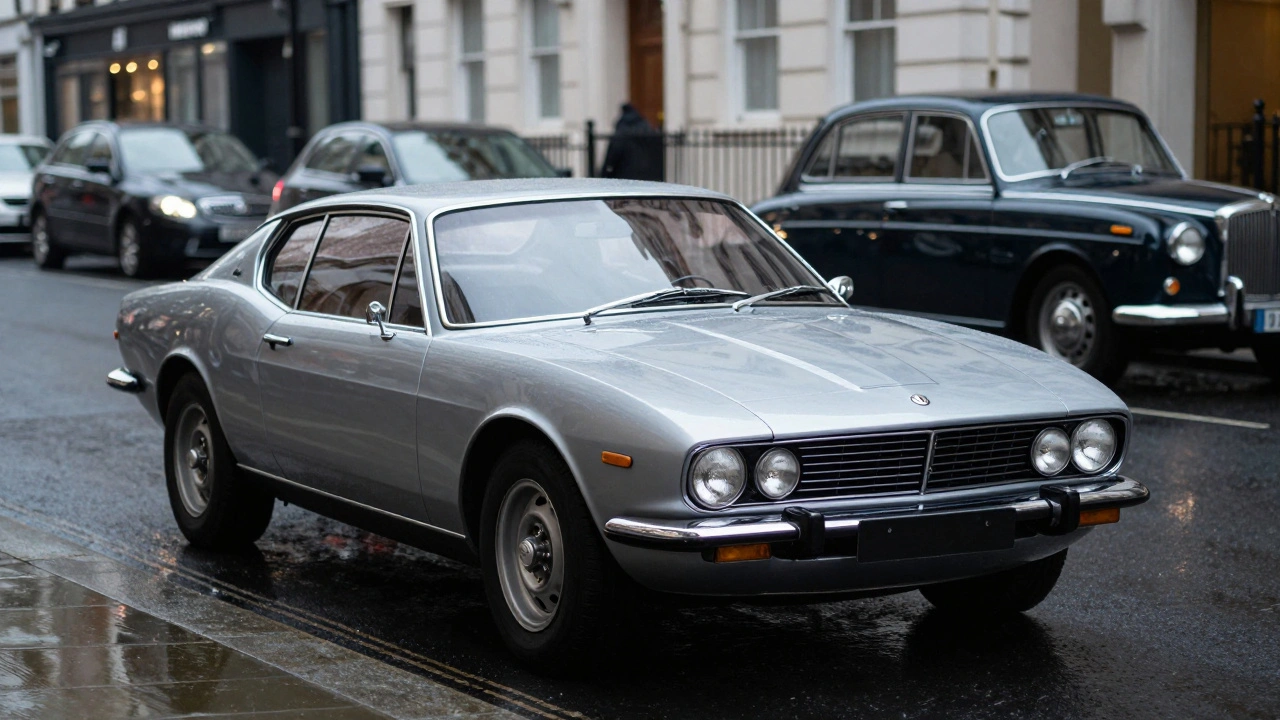 Apr, 17 2026
Quick Wins: The P6 Legacy
- The Look: Shifted from bulbous curves to a clean, linear aesthetic.
- The Tech: Introduced disc brakes as standard and a sophisticated independent rear suspension.
- The Man: David Bache moved Rover from conservative luxury to modern executive style.
- The Impact: Proved that British cars could compete with the sleekness of Italian and American trends.
The Architect of Change: David Bache
Before the P6, the Rover Company was known for making solid, respectable cars for doctors and lawyers. They were great, but they were visually stagnant. Enter David Bache, a designer who understood that the 1960s were about speed, space, and optimism. Bache wasn't just sketching pretty lines; he was rethinking the entire architecture of the executive sedan.
Bache's approach was a departure from the 'coachbuilt' feel. He leaned into the emerging trend of the three-box design-a clear engine bay, a passenger cabin, and a distinct boot. By stripping away the chrome overkill and focusing on sharp edges and a lower profile, he created a car that felt aerodynamic even when standing still. He didn't just design a car; he designed a brand identity that screamed 'modern professional.'
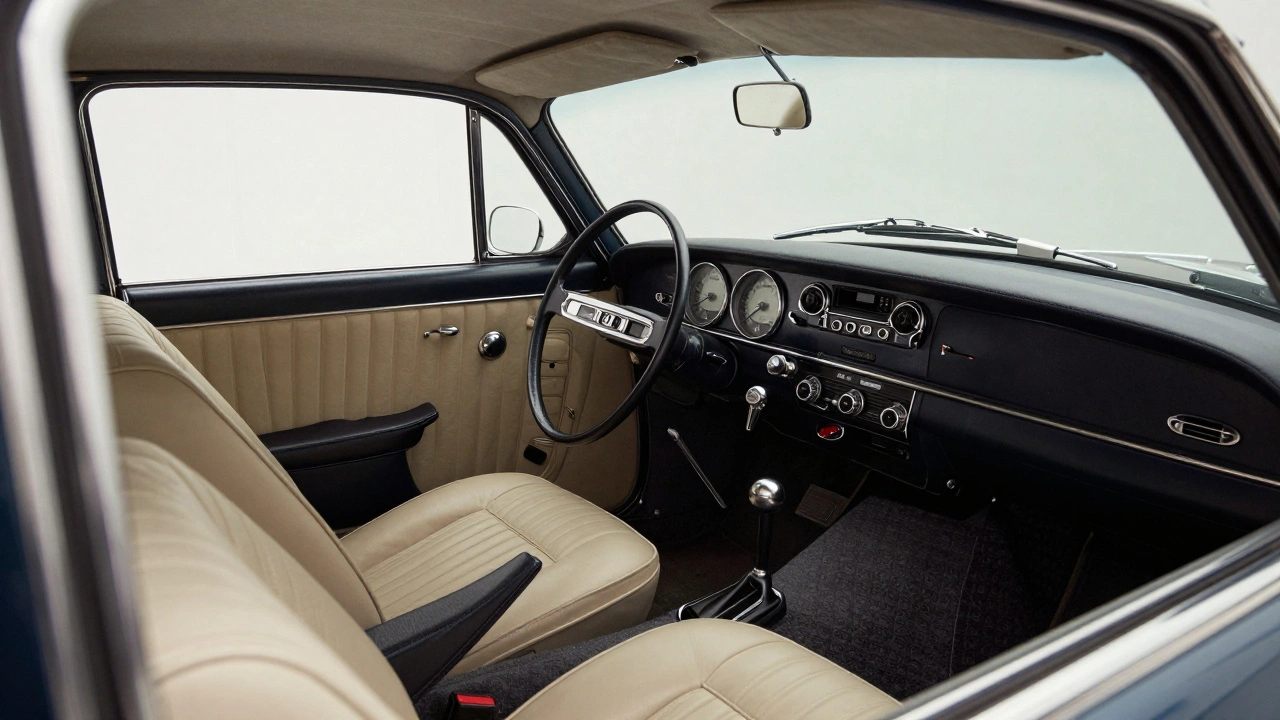
Breaking the Mold with the Rover P6
The P6 wasn't just a styling exercise. Under the skin, it was a technical marvel for its time. While other luxury brands were clinging to leaf springs and drum brakes, Rover went all-in on innovation. The P6 featured a chassis that prioritized safety and handling, which was a rarity in the early 60s. One of the most striking features was the interior, which felt more like a lounge than a cockpit, utilizing a wide dashboard that gave the driver a sense of space and control.
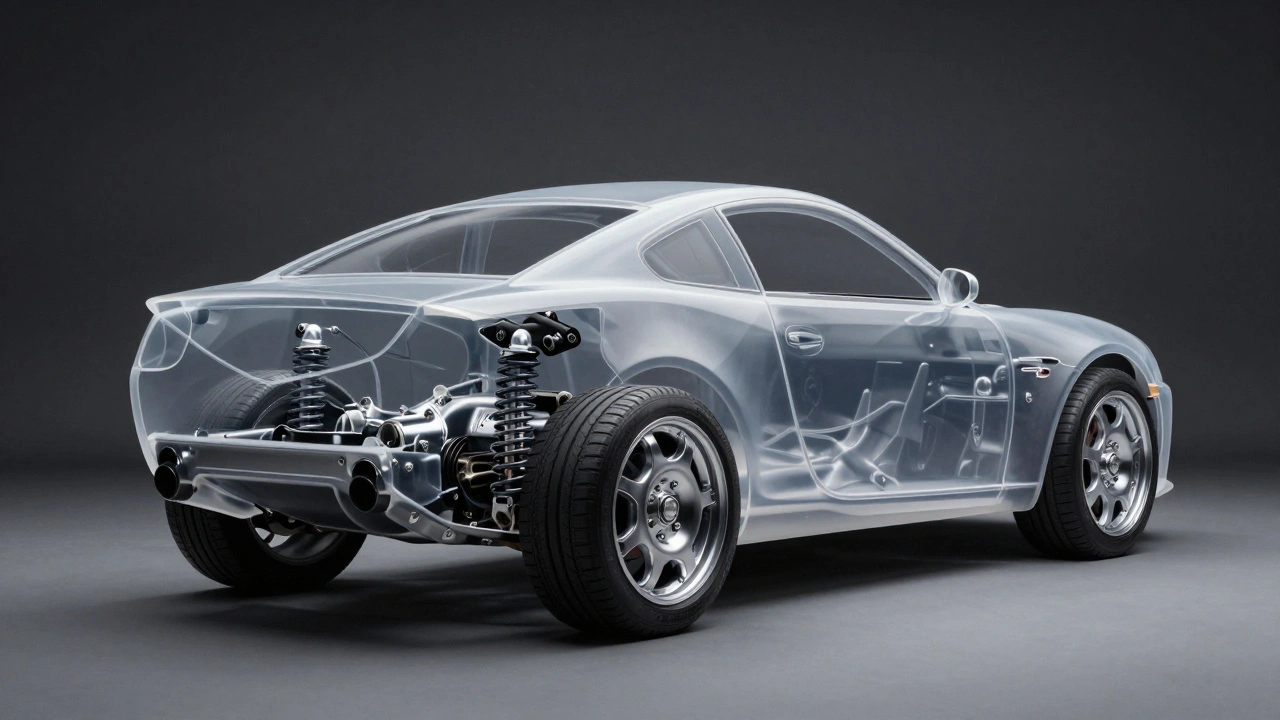
If you look at the specs, the P6 was ahead of its time. It used a de Dion tube rear suspension, which kept the wheels vertical during cornering, meaning the car didn't wander like a boat on a choppy sea. For the average buyer in 1964, this level of precision was shocking. It made the car feel planted and secure, turning a boring commute into something genuinely engaging.
| Feature | Traditional Luxury | Rover P6 |
|---|---|---|
| Suspension | Leaf Springs / Solid Axle | Independent / de Dion Tube |
| Braking | Drum Brakes (Common) | Four-Wheel Disc Brakes |
| Design Language | Curvy / Chrome-Heavy | Linear / Minimalist |
| Interior Focus | Wood and Leather | Ergonomics and Space |
The British Leyland Era: Success and Struggle
As the 60s progressed, the corporate landscape shifted. The Rover Company eventually became part of the massive conglomerate known as British Leyland. On paper, this merger was supposed to create a global powerhouse to rival Ford and GM. In reality, it was a bureaucratic nightmare that often stifled the very creativity that David Bache had fostered.
Despite the corporate chaos, the P6 remained a beacon of quality. It proved that the British industry could produce a world-class executive car if they stopped playing it safe. The P6 didn't just sell cars; it saved the image of the brand. Without the P6's success, Rover might have faded into obscurity long before the 21st century. It gave the company a halo effect, making everything else they produced seem more desirable by association.

Why the Design Actually Worked
Why do we still talk about the P6 today? Because it hit the sweet spot between luxury and utility. It wasn't an ostentatious display of wealth, but it was clearly an expensive machine. The use of a monocoque construction-where the body and chassis are one-allowed for a lower floor and more legroom. This meant a family could actually fit inside comfortably without the car becoming a behemoth.
Bache also played with proportions. The P6 had a shorter overhang at the front and back, which gave it a poised, athletic stance. While competitors were building cars that looked like houses on wheels, the P6 looked like a precision tool. It appealed to the 'new money' of the 60s-engineers, architects, and creative directors who wanted something that reflected their forward-thinking nature.
Lessons from the P6 Story
The story of the P6 is a masterclass in brand pivoting. Rover didn't try to beat the ultra-luxury brands at their own game; instead, they defined a new category: the modern executive car. By focusing on engineering and a clean aesthetic, they captured a market that was tired of the status quo. The risk David Bache took by abandoning the traditional 'Rover look' paid off because it was backed by genuine technical substance.
When we look at today's electric vehicles, which often prioritize a minimal, 'tech-first' aesthetic, we can see the DNA of the P6. The idea that a car's exterior should communicate its technological sophistication is a concept Bache championed decades ago. He proved that simplicity is often the most sophisticated form of luxury.
What made the Rover P6 so innovative for the 1960s?
The P6 was revolutionary because it combined a modern, linear design by David Bache with cutting-edge engineering, such as standard disc brakes and a de Dion tube rear suspension, which provided significantly better handling and safety than the leaf springs common in other luxury cars of that era.
Who was David Bache and why is he important?
David Bache was the lead designer at Rover who transitioned the brand from conservative, bulbous styling to a modern, executive aesthetic. His vision for the P6 defined the look of British luxury in the 1960s and moved the company toward a more international, sleek design language.
How did British Leyland affect the Rover brand?
British Leyland brought Rover into a massive corporate structure intended to scale production. While this provided more resources, it also introduced significant bureaucracy and management issues that often conflicted with the agile, design-led approach that had made the P6 a success.
Was the Rover P6 a commercial success?
Yes, the P6 was highly successful, positioning Rover as a leader in the executive car market. Its combination of style, comfort, and advanced safety features made it a favorite among professionals and high-income buyers throughout the 60s and early 70s.
What is a de Dion tube suspension?
A de Dion tube is a suspension system that combines the benefits of a solid axle (keeping the wheels parallel) with the benefits of independent suspension (reducing unsprung weight). In the P6, this resulted in a much smoother ride and better cornering stability compared to traditional setups.