Rover P6: How a 1960s British Icon Redefined Car Safety and Style
 Apr, 28 2026
Quick Takeaways: The P6 Legacy
- Pioneered the use of crumple zones and safety glass to protect passengers.
- Introduced a sophisticated four-wheel disc brake system when most cars still used drums.
- Shifted British luxury design from "stodgy" upright shapes to a modern, aerodynamic look.
- Used a lightweight aluminum engine to balance power with efficiency.
Engineering a Safer Ride Before it Was Cool
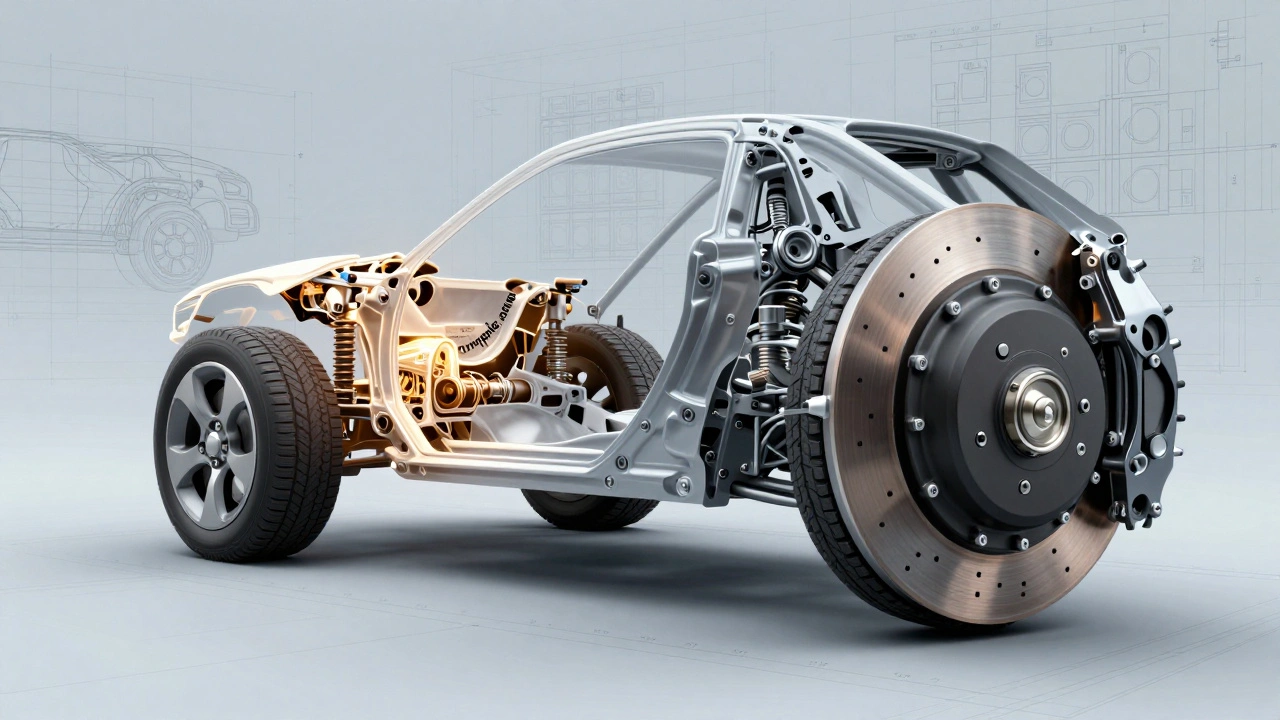
Back in the 60s, the general consensus was that a car should be as rigid as a tank. The logic was simple: a strong frame protects the people inside. But the designers of the P6 realized something critical-if the car doesn't deform, the passengers absorb all the impact energy. This led to the implementation of Crumple Zones, structural areas of a vehicle designed to deform and absorb energy during a collision. By making the front and rear ends slightly collapsible, the P6 saved lives long before the industry caught on.
They didn't stop at the frame. The P6 was one of the first cars to lean heavily into safety glass and an interior designed to minimize sharp edges. While other luxury cars of the era were essentially mahogany-lined drawing rooms on wheels, the P6 was a calculated attempt to keep the driver alive in a wreck. It was a radical shift in philosophy that moved the focus from the car's survival to the passenger's survival.
The Suspension Secret: Why it Handled Differently
Driving a Rover P6 felt like a revelation compared to the wallowing ride of a traditional British saloon. The secret lay in its sophisticated suspension setup. It used a combination of coil springs and telescopic dampers that allowed the car to stay flat through corners without sacrificing the "wafting" quality expected of a luxury ride.
The real game-changer, however, was the braking. While competitors were still struggling with fading drum brakes, the P6 came with four-wheel disc brakes as standard. This gave the driver immense confidence, especially on the rain-slicked roads of the English countryside. When you combine a lightweight chassis with precise stopping power, you get a car that doesn't just cruise-it performs. It bridged the gap between a lumbering executive car and a sports sedan.
A Masterclass in 1960s Style
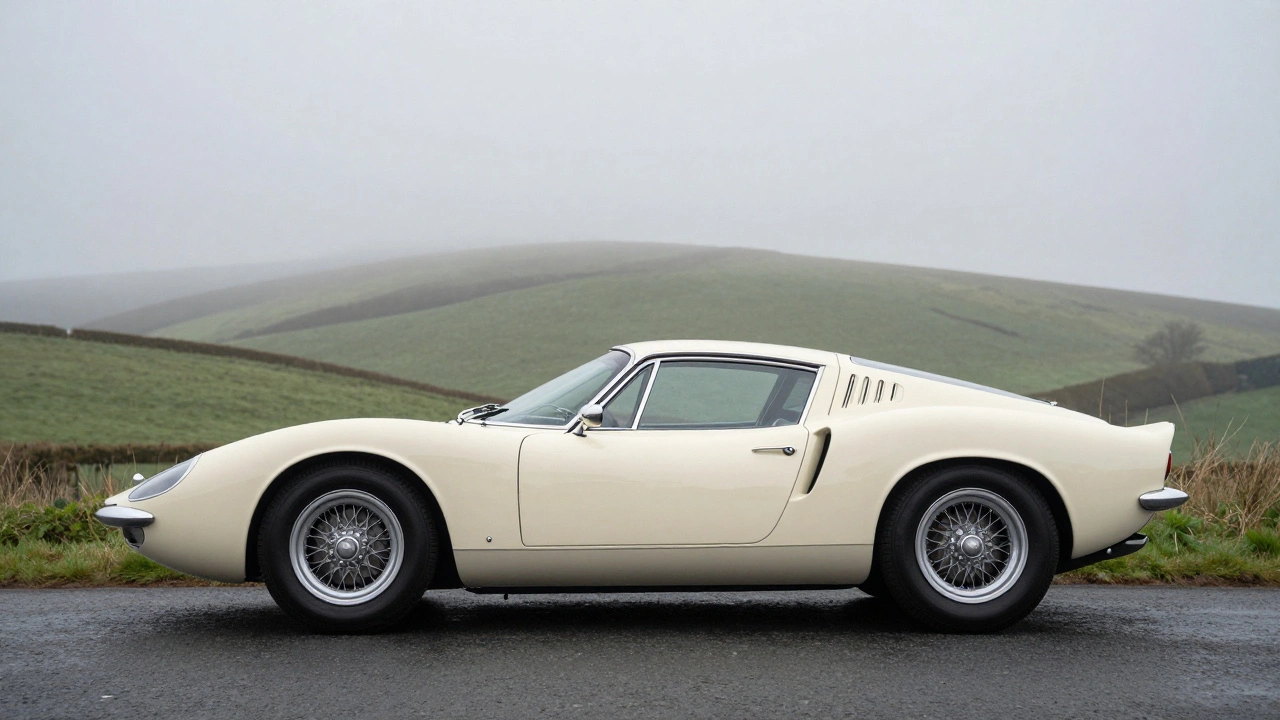
Visually, the P6 was a shock to the system. It abandoned the chrome-heavy, upright look of the previous P5 model for something far more streamlined. The lines were clean, the roof was low, and the overall silhouette looked fast even when parked. This wasn't just about aesthetics; it was about efficiency. The sharper, more integrated shape helped the car cut through the air, which was essential for the performance of its modest engine.
Inside, the P6 abandoned the stuffy leather and wood for a more functional, modern approach. The dashboard was ergonomic, putting controls exactly where the driver needed them. It felt like a cockpit rather than a lounge. This transition signaled a broader change in British Car Design, moving away from the Victorian influence toward a space-age, international aesthetic that could compete with the likes of Mercedes-Benz.
The Aluminum Heart: The Engine and Performance
Under the hood, the P6 featured the Rover V8 in later models, but early versions relied on a clever four-cylinder unit. The key was the use of aluminum. By using an aluminum alloy for the engine block and head, Rover managed to keep the weight down, which improved the car's weight distribution. This meant the front end didn't plow into corners as much as its heavier rivals.
The performance was adequate for the time, providing a smooth, linear power delivery that suited the executive persona. It wasn't designed to win drag races, but it was designed to sustain high speeds on the emerging motorway network without shaking the driver's teeth loose. This reliability and refinement were exactly what the growing class of British managers and professionals were looking for in the mid-60s.
| Feature | Rover P6 | Standard 60s Sedan |
|---|---|---|
| Braking System | 4-Wheel Disc Brakes | Drum Brakes (Front/Rear) |
| Body Construction | Crumple Zones | Rigid Steel Frame |
| Engine Material | Aluminum Alloy | Cast Iron |
| Design Philosophy | Aerodynamic/Modern | Upright/Traditional |
The Shadow of British Leyland
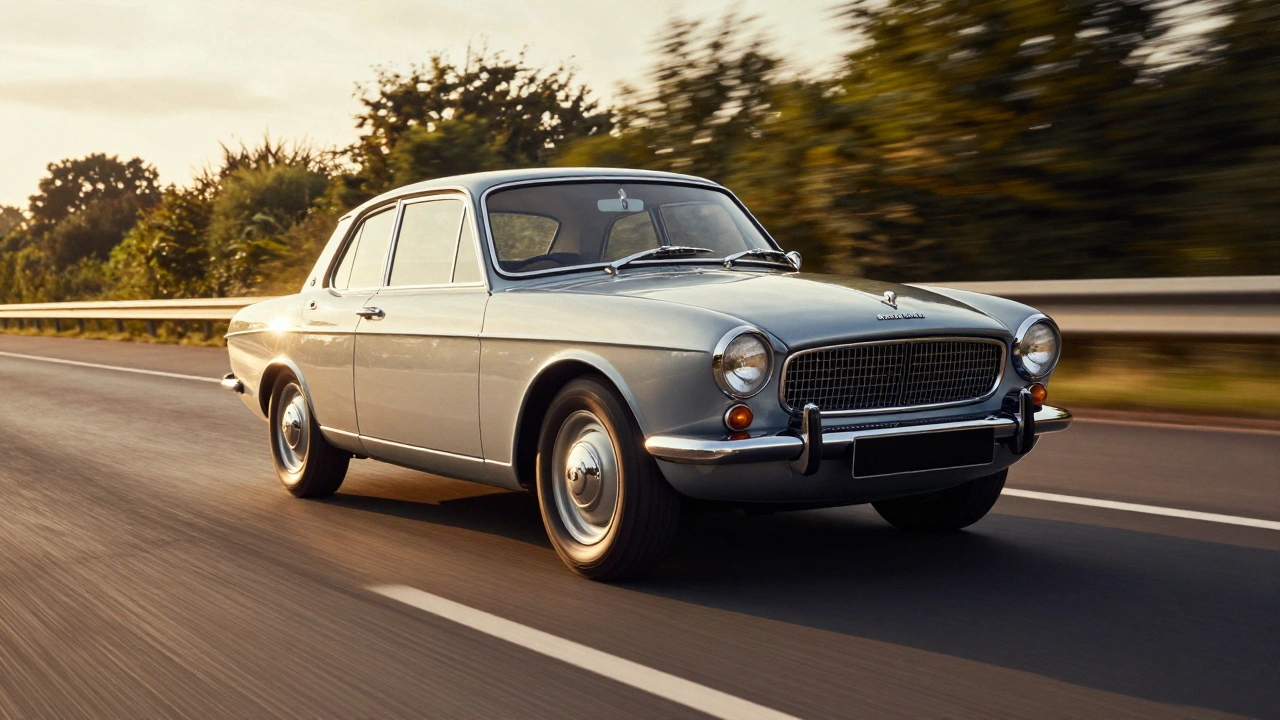
You can't talk about the P6 without mentioning British Leyland, the massive state-owned automotive conglomerate formed by the merger of several British brands in 1968. The P6 was born in an era of corporate chaos. As Rover was absorbed into the larger BL machine, the P6's development suffered from the typical bureaucracy and labor unrest that plagued the company.
Despite the corporate turmoil, the P6 remained a beacon of quality. It proved that British engineers were among the best in the world, even if the management was a disaster. The car stayed in production for over a decade because the original design was so fundamentally sound that it didn't need radical changes to remain competitive. It survived the worst of the BL years through sheer engineering brilliance.
The Lasting Impact on Today's Cars
If you look at a modern Volvo or Tesla, you see the DNA of the P6. The obsession with safety as a primary selling point started here. The idea that a car should be an engineered safety cell rather than just a metal shell is a direct evolution of the P6's early experiments. Moreover, the shift toward a more integrated, aerodynamic look paved the way for the fuel-efficient shapes we see today.
The P6 also taught the industry a lesson about the "all-rounder." It showed that you didn't have to choose between a car that was comfortable and a car that was safe, or a car that was stylish and a car that was practical. By integrating all three, Rover created a blueprint for the modern executive car.
Was the Rover P6 actually safer than other cars of its time?
Yes, significantly. While most cars of the 1960s focused on structural rigidity, the P6 utilized early crumple zone technology and safety glass, which reduced the impact force on passengers during a crash.
What happened to the P6 after British Leyland took over?
The P6 continued to be produced, but it faced challenges with quality control and a lack of investment due to the corporate instability within British Leyland. However, its strong design kept it popular until it was replaced by the Rover SD1.
Why were the disc brakes such a big deal in the 60s?
Most cars used drum brakes, which were prone to "fade" (losing stopping power) when they got hot. Disc brakes dissipate heat much more effectively, allowing for shorter, more consistent stopping distances.
Is the Rover P6 still collectible today?
Absolutely. It is highly prized by enthusiasts for its unique styling and historical significance as a pioneer of automotive safety.
How did the P6 influence modern car design?
It shifted the industry toward aerodynamics and a "safety-first" mentality, moving away from the boxy, heavy designs of the early 20th century.
Next Steps for Enthusiasts
If you're looking to get into P6 ownership, start by hunting for cars with the 3.5L V8 engine-it's the most desirable and reliable version. Be wary of rust in the sills and wheel arches, as the early coatings weren't as effective as today's. Finding a specialist mechanic who understands the unique suspension setup is also key, as modern generic shops may struggle with the specific geometry of the P6's ride.