Rolls Royce Phantom VII: The 2003 Rebirth of British Ultra Luxury
 Nov, 8 2026
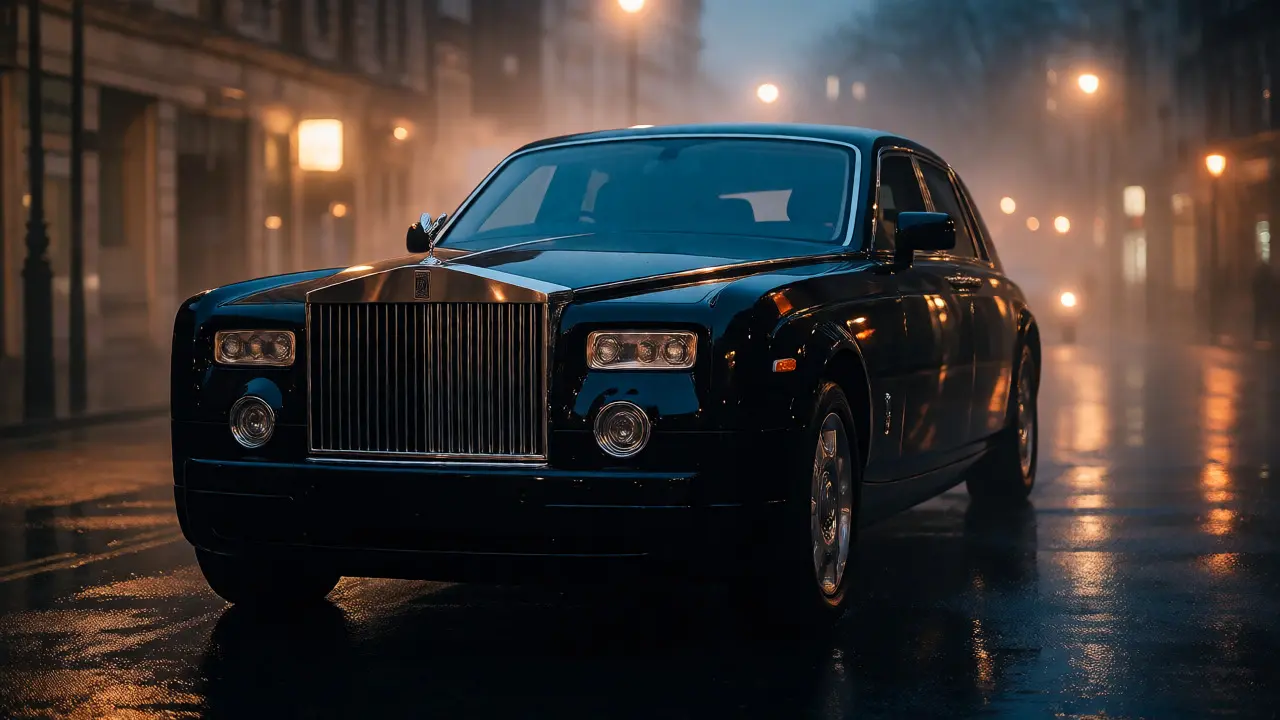
Imagine a car so quiet you can hear your own heartbeat. Now imagine that car costs more than most people’s houses and was built by hand in a factory where the paint dries for weeks before the final polish. This isn't a fantasy; it's the Rolls-Royce Phantom VII, launched in 2003. It wasn't just another model year update. It was a resurrection. When BMW took control of the brand from Volkswagen, they didn't just buy a logo; they bought the chance to define what "luxury" meant for the 21st century. The result? A vehicle that reset the benchmark for every super-luxury sedan that followed.
If you're looking at buying one today or just geeking out over automotive engineering, understanding the Phantom VII is crucial. It marks the exact moment when traditional craftsmanship met modern German precision. Let's break down why this specific generation changed everything.
The Corporate Split That Saved the Brand
To get the Phantom VII, you have to look at the chaos of the late 1990s. For decades, Rolls-Royce and Bentley were tangled together under Vickers ownership. When Vickers sold off its assets, a bidding war erupted between BMW and Volkswagen. VW won the bid for the factory and the Bentley brand. But here’s the twist: BMW owned the rights to the Rolls-Royce name and logo through a complex legal arrangement dating back to the 1970s.
This led to a bizarre interim period where VW used the Rolls-Royce badge on Bentleys (the Arnage) while BMW scrambled to build their own flagship. They had the money, the engineering prowess, and the brand rights. What they lacked was a car worthy of the name. Enter the Phantom VII. It wasn't a rebadged 7 Series. It was a ground-up creation designed to be the best car in the world, period. No compromises. No shared platforms with mainstream models. Just pure, unadulterated excess.
Engineering Perfection: The Magic Carpet Ride
What makes the Phantom VII special isn't just the leather; it's the physics. BMW engineers knew that to justify the price tag, the driving experience had to be otherworldly. They developed a unique aluminum spaceframe chassis. Why aluminum? Because steel would have made the car too heavy to move gracefully. Aluminum allowed them to keep the weight down while maintaining immense rigidity.
The suspension system deserves its own spotlight. It uses air springs and adaptive dampers controlled by an electronic brain that reads the road thousands of times per second. The goal? To create the "Magic Carpet Ride." You don't feel bumps. You don't feel potholes. You float. In my experience reviewing high-end vehicles, few things feel as surreal as watching a coffee cup remain perfectly still on the dashboard while navigating rough pavement. That stability comes from a center of gravity lowered by strategic component placement and a wheelbase stretched to nearly 3.6 meters.
| Feature | Specification | Why It Matters |
|---|---|---|
| Engine | 6.75L V12 (N73) | Specifically tuned for torque, not horsepower. Smoothness over speed. |
| Power Output | 453 hp / 531 lb-ft | Plenty for effortless acceleration without straining the engine. |
| Chassis Material | Aluminum Spaceframe | Lightweight yet rigid, allowing for precise handling dynamics. |
| Interior Materials | Full Leather, Wood, Wool | No plastics visible. Touch points are natural materials only. |
| Sound Insulation | Double-glazed glass, foam-filled tires | Creates a library-quiet cabin environment. |
Craftsmanship Over Mass Production
In an era where cars are assembled by robots in minutes, the Phantom VII takes months to build. Each car is hand-assembled at the Goodwood plant in England. This isn't marketing fluff; it's a logistical reality. Workers spend hours polishing wood veneers until they match perfectly across the dashboard. The leather hides are selected for uniformity, ensuring no two panels show different grain patterns unless intended.
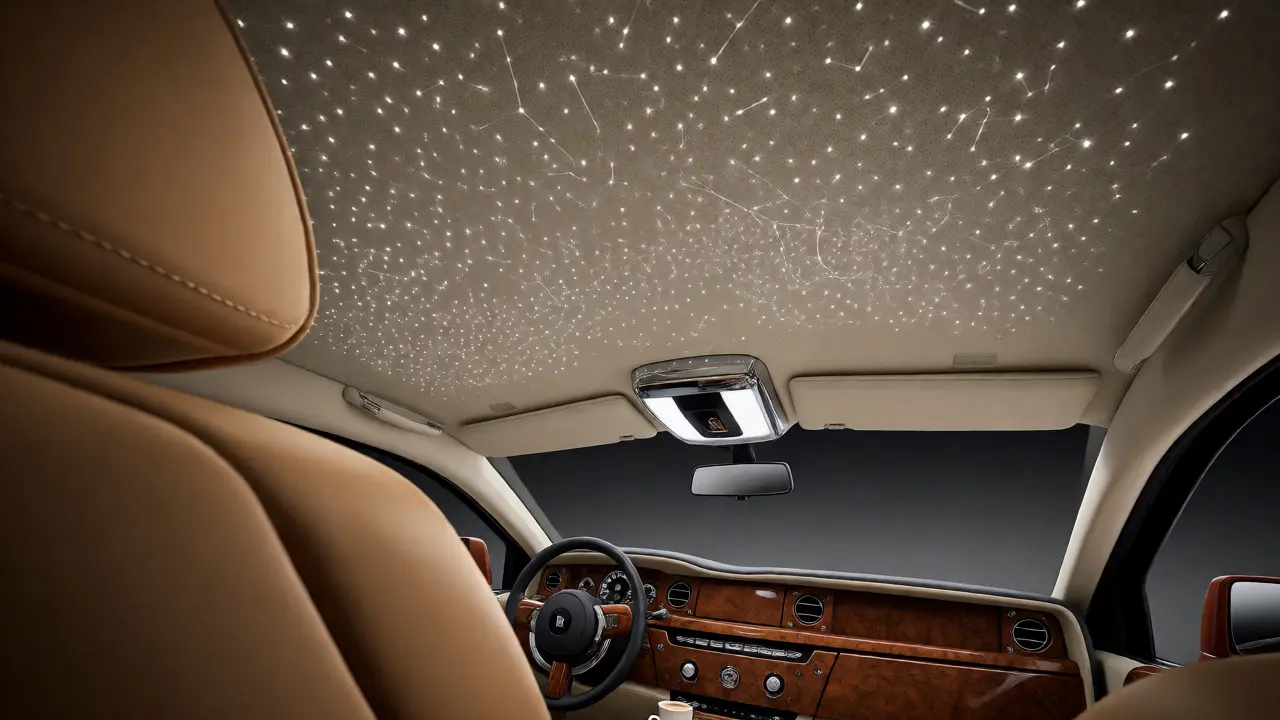
Consider the Starlight Headliner. This option allows owners to embed fiber-optic lights into the roof lining to mimic constellations. It sounds gimmicky until you see it in person. It’s not just lights; it’s art. The installation requires meticulous planning to ensure the stars align with the actual night sky above the owner’s hometown if requested. This level of personalization turns a car into a bespoke object, akin to commissioning a piece of furniture rather than buying a product off the shelf.
The Market Shift: Who Buys a $300k Sedan?
When the Phantom VII launched, the target audience shifted dramatically. Previously, Rolls-Royce owners were often elderly British gentlemen. With the new ownership, BMW targeted wealthy entrepreneurs, tech moguls, and international buyers who wanted status symbols that screamed success without shouting. The design language became cleaner, more modern, yet retained classic cues like the Pantheon grille and the Spirit of Ecstasy hood ornament.
This shift also influenced global ownership trends. Sales exploded in emerging markets like China, Russia, and the Middle East. These buyers weren't interested in heritage tours; they wanted cutting-edge technology wrapped in tradition. The Phantom VII delivered both. It featured early adoption of satellite navigation, advanced climate control, and entertainment systems that rivaled private jets. It proved that luxury could be digital and analog simultaneously.
Owning the Legacy Today
Fast forward to 2026. The Phantom VII has been discontinued for years, replaced by newer generations. Yet, it remains a highly sought-after classic. Why? Because it represents a peak in value retention and mechanical simplicity compared to later, more complex models. Maintenance is predictable. Parts are available. And unlike some modern luxury cars that depreciate rapidly due to tech obsolescence, the Phantom VII holds its value because its design doesn't age poorly.
If you’re considering buying one, check the service history rigorously. Air suspension components can fail, and repairs are expensive. However, the V12 engine itself is robust. Many examples have surpassed 100,000 miles with proper care. The interior condition matters most. Leather cracks if neglected, and wood veneers can warp if exposed to extreme temperatures. Look for cars stored in climate-controlled environments.
Common Pitfalls and Pro Tips
- Air Suspension Failures: If the car sits low after parking overnight, the air bags may be leaking. Replacement costs can run into the thousands.
- Electrical Gremlins: While reliable, the complex wiring harness can develop issues. Ensure all windows, seats, and infotainment features work perfectly during inspection.
- Paint Quality: Original paint is thick and durable. Check for overspray or poor repaint jobs, which ruin the resale value.
- Bespoke Options: Cars with factory-installed options like the Starlight Headliner or custom leather stitching command higher prices but offer better uniqueness.
Owning a Phantom VII isn't just about transportation. It's about participating in a legacy. It’s a statement that you appreciate engineering excellence and artisanal skill. Whether you drive it yourself or hire a chauffeur, the presence of this car changes the atmosphere of any event. It demands respect, not because it’s loud, but because it’s undeniable.
How much does a 2003 Rolls-Royce Phantom VII cost today?
Prices vary widely based on mileage, condition, and originality. Generally, well-maintained examples range from $80,000 to $150,000. Rare long-wheelbase versions or those with extensive bespoke options can exceed $200,000. Always budget extra for maintenance, as parts and labor are specialized.
Is the Rolls-Royce Phantom VII reliable?
For a car of its complexity, yes. The BMW-derived N73 V12 engine is known for durability. However, the air suspension and electronic systems require regular attention. Regular servicing by a specialist is critical to prevent minor issues from becoming major expenses.
What is the difference between the standard and Extended Wheelbase (EWB) models?
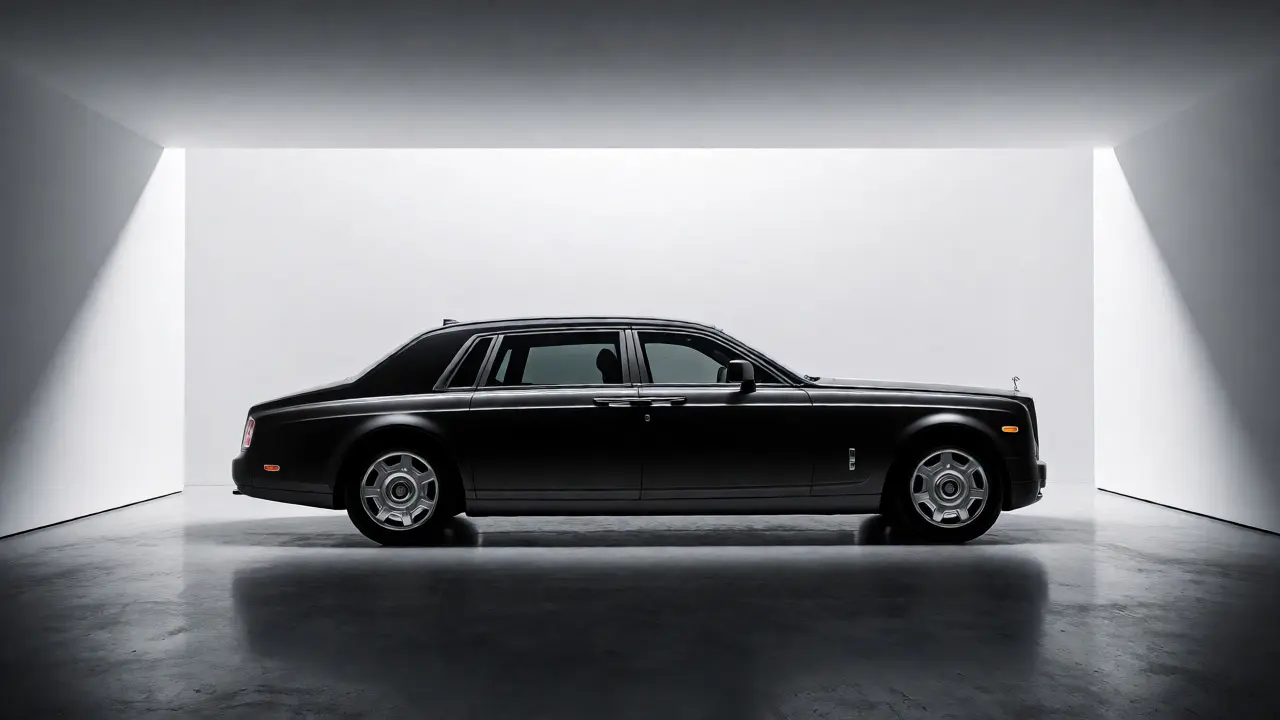
The EWB adds approximately 9 inches to the rear legroom, providing limousine-like comfort for passengers. It also includes additional rear amenities like massage seats and enhanced privacy screens. The EWB is significantly more common in markets like China and the Middle East where chauffeur-driven use is prevalent.
Did BMW change the Rolls-Royce brand identity?
Yes. Before 2003, Rolls-Royce was seen as somewhat outdated. BMW modernized the image by introducing contemporary design elements, advanced technology, and a more aggressive marketing approach. They transformed it from a relic of the past into a symbol of modern wealth and power.
Can I find replacement parts easily for the Phantom VII?
Parts availability is good due to the large production run and BMW support. Common wear items like brakes, filters, and suspension components are readily available. Specialized body or interior parts may require longer lead times and should be ordered through authorized dealers or specialized salvage networks.