Restoring a Morris Minor or Ford Cortina: Real Costs & Pitfalls
 Aug, 17 2026
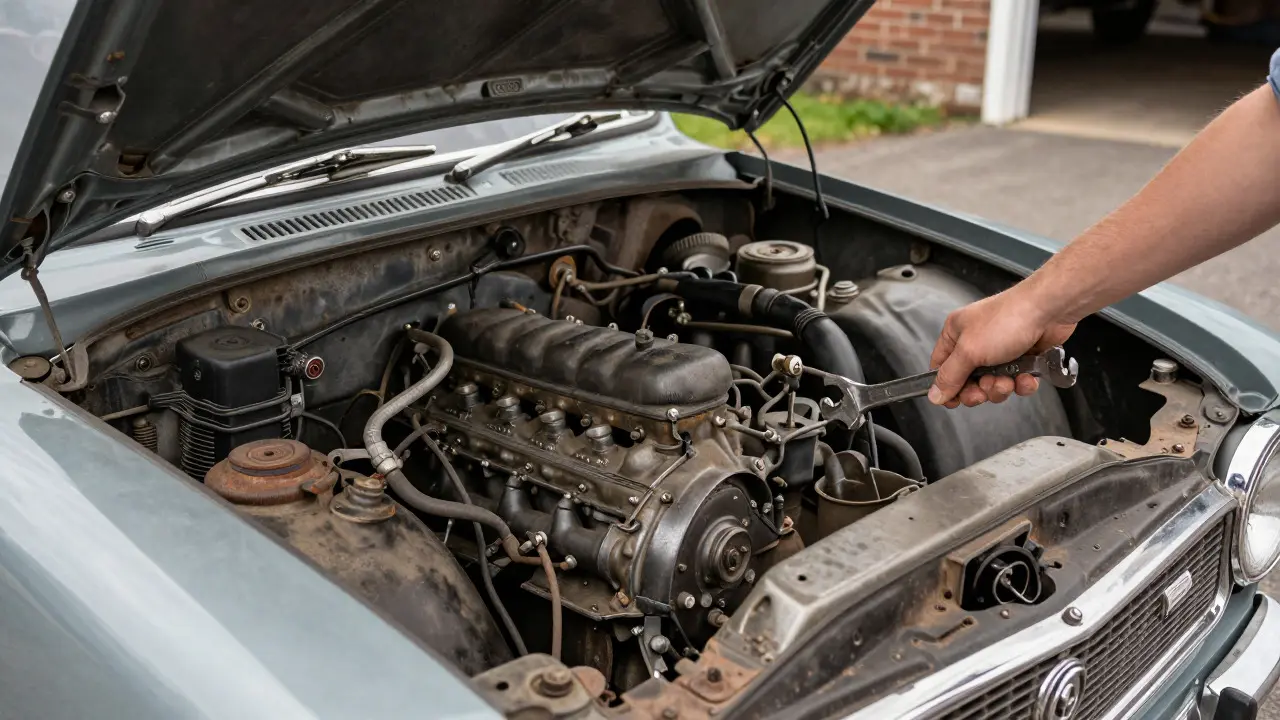
There is a specific kind of heartbreak that hits when you open the hood of your dream classic and realize the engine isn't just dirty; it's seized. You bought a Morris Minor or a Ford Cortina because they are affordable entry points into British motoring history. But "affordable to buy" does not mean "cheap to fix." The difference between a weekend project and a money pit often lies in understanding what these cars actually need before you start wrenching.
This guide breaks down the real-world financials of restoring these two iconic 1960s family cars. We are looking at the hidden costs, the common traps, and how to keep your budget from exploding while you bring these machines back to life.
The Reality of Buying a Project Car
Before you spend a dime on parts, you need to understand what you are buying. A Morris Minor is a compact British car produced by BMC from 1953 to 1971, known for its robust engineering but aging components. A Ford Cortina is a mid-size sedan manufactured by Ford of Europe from 1962 to 1982, offering more power but also more complex systems. Both are popular in the United States, particularly in regions like the Pacific Northwest where rust is less aggressive than in the Midwest, but corrosion still exists.
The biggest mistake buyers make is judging value based on mileage. These cars have rubber seals, plastic bushings, and electrical wiring that degrade with time, not miles. A car with 40,000 miles that sat in a barn for twenty years will likely need more work than one with 80,000 miles that was driven weekly. When inspecting a vehicle, check the following areas immediately:
- Rust: Look under the sills, around the wheel arches, and inside the boot (trunk). Surface rust can be treated, but structural rot means expensive fabrication.
- Engine Condition: Turn the engine over by hand if possible. If it feels gritty or locked, assume the block needs machining or replacement.
- Interior Wear: Vinyl seats and carpets are replaceable, but missing trim pieces for rare models can cost hundreds of dollars each.
Cost Breakdown: Morris Minor vs. Ford Cortina
While both cars share a similar era, their restoration profiles differ significantly. The Morris Minor is mechanically simpler, which usually keeps labor costs lower. The Ford Cortina has more features-power steering, automatic transmission options, and complex suspension setups-that add to the price tag.
| Component | Morris Minor (Typical Budget) | Ford Cortina (Typical Budget) | Notes |
|---|---|---|---|
| Engine Rebuild | $1,500 - $3,000 | $2,500 - $5,000 | Minor engines are simple; Cortina requires more precision parts. |
| Suspension & Brakes | $800 - $1,500 | $1,200 - $2,500 | Cortina independent rear suspension is more complex to service. |
| Bodywork & Paint | $2,000 - $6,000 | $3,000 - $8,000 | Depends heavily on rust extent. Professional paint adds significant cost. |
| Electrical System | $500 - $1,000 | $800 - $1,500 | Old wiring harnesses often need full replacement for reliability. |
| Interior Refit | $1,000 - $2,500 | $1,500 - $3,500 | Original materials are scarce; reproduction parts vary in quality. |
These figures assume you are doing the mechanical work yourself. If you hire a shop, multiply labor estimates by 2x to 3x. A local mechanic in Portland might charge $80-$120 per hour, but specialized classic car shops can charge upwards of $150 per hour for diagnostic work alone.
Common Pitfalls That Blow Up Budgets
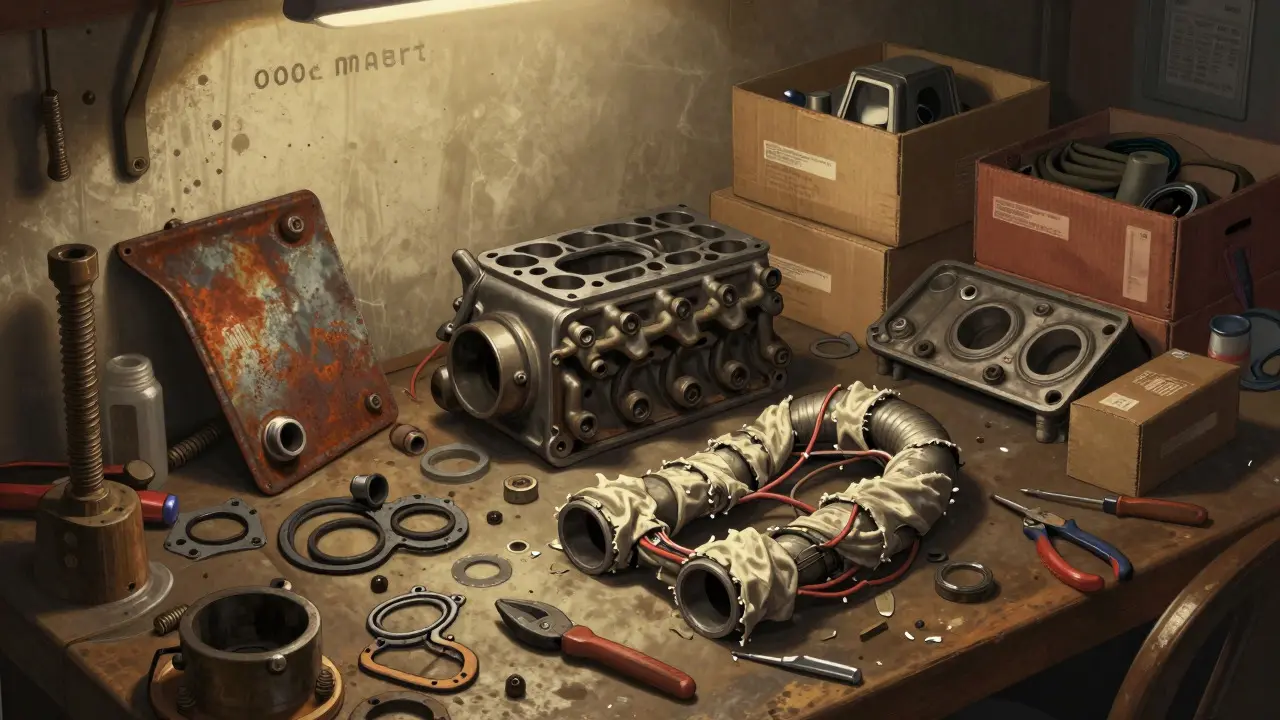
Even with a solid plan, unexpected issues arise. Here are the three most frequent traps that turn a $5,000 project into a $15,000 nightmare.
1. The "Just One More Part" Syndrome
You order a gasket set, then realize the head is warped. You order a new head, then find the camshaft is worn. This chain reaction is common in older engines. To mitigate this, always buy a complete overhaul kit rather than individual parts. It ensures all wear items are replaced simultaneously, preventing future failures.
2. Ignoring the Electrical Harness
British cars from the 1960s often used cloth-wrapped wires that become brittle and short out. Replacing an entire wiring harness is tedious but necessary for long-term reliability. For a Morris Minor, a reproduction harness costs around $400-$600. For a Cortina, expect to pay more due to additional circuits for lights and gauges. Skipping this step leads to intermittent faults that are incredibly difficult to diagnose later.
3. Underestimating Bodywork Time
If the body has any dents or rust, do not underestimate the time required to fill and sand. Filler shrinks as it dries, requiring multiple coats. If you are not experienced in metalwork, consider sending panels out for professional repair. A single quarter panel repair can cost $500-$1,000 depending on the complexity and whether the inner structure is compromised.
Where to Find Quality Parts
The availability of parts varies wildly between manufacturers. Morris Minor parts are generally easier to find because the model ran longer and had a larger production run. Many suppliers in the UK ship to the US, but shipping costs can add up. Ford Cortina parts are also widely available, especially for early models, but later variants may require sourcing from European dealers.
When ordering parts, always verify compatibility with your specific model year. A 1965 Cortina Mark I has different suspension components than a 1970 Mark III. Using the wrong part can lead to poor handling or even safety hazards. Keep a detailed record of every part number you purchase. This creates a valuable maintenance log that increases the resale value of your car.
DIY vs. Professional Labor: Making the Call
Should you do it yourself? If you have basic mechanical skills and access to tools, tackling the engine rebuild and brake system yourself can save thousands. However, bodywork and painting are high-skill tasks. Mistakes here are visible forever. If you are confident in your welding and sanding abilities, go for it. Otherwise, invest in professional help for the body shell and paint job. The mechanical work is forgiving; the cosmetic work is not.
Consider joining online forums dedicated to these specific models. Communities for Morris Minors and Ford Cortinas are active and helpful. Members often sell surplus parts, offer technical advice, and can warn you about known defects in certain batches of components. This peer support network is invaluable when you hit a wall during the restoration process.
Final Thoughts on Value and Satisfaction
Restoring a classic car is rarely about making money. It is about the satisfaction of bringing something old back to life. Whether you choose the charming simplicity of a Morris Minor or the sportier feel of a Ford Cortina, the key is realistic planning. Set aside a 20% contingency fund for unexpected repairs. Buy quality parts from reputable suppliers. And remember, the journey is as important as the destination. Enjoy the process, learn from the mistakes, and drive the result with pride.
Is it cheaper to restore a Morris Minor or a Ford Cortina?
Generally, the Morris Minor is cheaper to restore due to its simpler mechanical design. The Ford Cortina has more complex systems like independent rear suspension and more electrical features, which increase parts and labor costs.
What is the biggest hidden cost in classic car restoration?
Rust repair and bodywork are typically the most expensive hidden costs. Surface rust looks manageable, but once you cut into the metal, you often find structural damage that requires extensive fabrication and painting.
Do I need to replace the wiring harness in a 1960s car?
It is highly recommended. Old cloth-wired harnesses degrade over time, leading to shorts and intermittent failures. Replacing the harness ensures reliable electrical performance and prevents frustrating diagnostics later.
How much should I budget for a full restoration including labor?
For a professional-grade restoration, expect to spend between $15,000 and $30,000 depending on the condition of the car. A DIY mechanical restoration with professional bodywork might range from $8,000 to $15,000.
Are original parts better than reproduction parts?
Original parts are ideal for concours-level restorations, but they are often unavailable or extremely expensive. High-quality reproduction parts are acceptable for daily drivers and show cars, provided they match the original specifications closely.