Racing to Road Again: How British Motorsport DNA Shapes Next-Gen Performance
 Jun, 1 2026
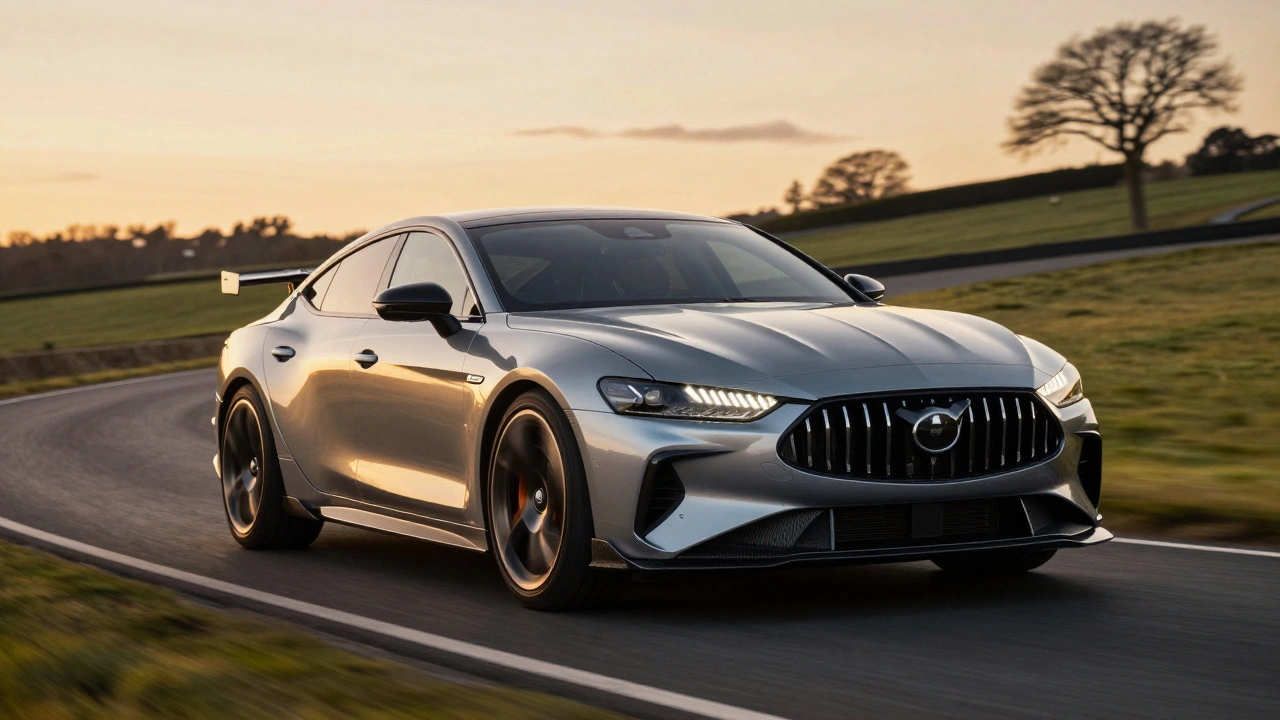
There is a specific sound that defines British engineering. It’s not just the roar of an engine; it’s the mechanical symphony of precision under pressure. When you look at the latest generation of high-performance road cars, you are not just looking at consumer products. You are seeing the direct result of decades of obsession with lap times, aerodynamics, and reliability in the harshest conditions on earth. The phrase "racing to road" is often used as marketing fluff, but in Britain, it is a literal pipeline. The technology developed for Formula 1, Le Mans, and World Rally Championship events trickles down into your garage, changing how we drive, brake, and accelerate every single day.
This isn't about nostalgia. It’s about current reality. In 2026, the transition from electric powertrains to hybrid systems in motorsport has forced engineers to rethink everything. British teams, with their deep roots in both traditional combustion and new electrification strategies, are leading this charge. They are taking the complex energy recovery systems used by drivers like Lewis Hamilton or Charles Leclerc and simplifying them for daily commuters. The result? Cars that feel alive, responsive, and incredibly efficient.
The Blueprint: Why British Engineering Dominates
To understand why British motorsport DNA is so influential, you have to look at the history. Britain has been the heart of global motorsport since the early 20th century. Companies like Cosworth a renowned engineering company specializing in motorsport engines and electronics didn’t just build engines; they built standards. Their DFV engine won more Grand Prix races than any other unit in history. That legacy of reliability and power density is still present today. When a modern manufacturer designs a turbocharged four-cylinder engine for a sports sedan, they are often using simulation software and material science principles pioneered by these British firms.
The culture here is different. In many parts of the world, engineering is about meeting specifications. In Britain, particularly in places like Silverstone, Goodwood, and the West Midlands, engineering is about solving problems that shouldn’t be solvable. This mindset creates a unique type of innovation. It’s not just about making things faster; it’s about making them lighter, stronger, and more durable. This "DNA" is passed down through generations of engineers who start their careers working on race cars before moving to production vehicle development.
- Lightweighting: Using advanced composites and aluminum alloys to reduce weight without sacrificing safety.
- Aerodynamic Efficiency: Designing body shapes that manage airflow to reduce drag and increase stability.
- Thermal Management: Keeping engines and batteries at optimal temperatures during extreme stress.
From the Track to Your Driveway
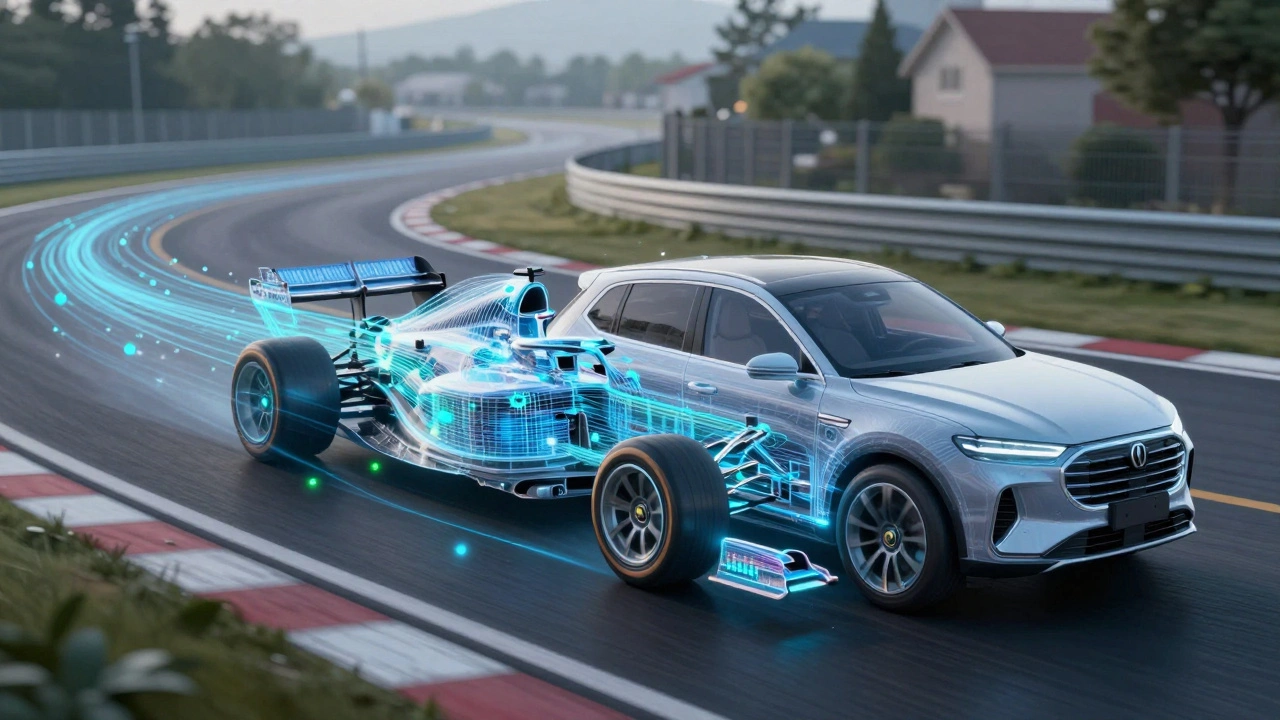
How does a piece of technology go from a cockpit at 200 mph to a family SUV? It starts with validation. Race cars are the ultimate testing ground. If a tire compound fails at Spa-Francorchamps, it fails catastrophically. This forces rapid iteration. Tire manufacturers like Pirelli and Michelin work closely with British teams to develop compounds that offer grip and durability. These insights then feed into the development of road tires that provide better wet weather handling and longer life for everyday drivers.
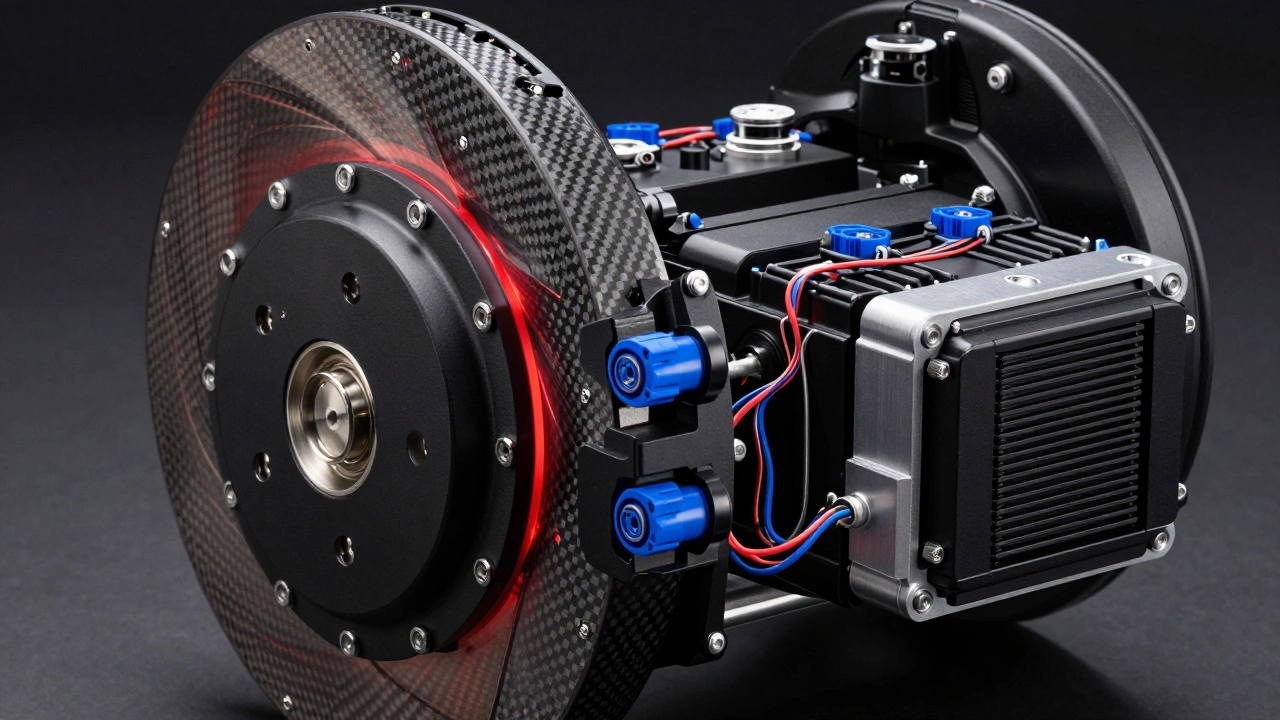
Consider the braking systems. Carbon-ceramic brakes were once exclusive to supercars and race cars due to their cost. But as British suppliers scaled up production for GT racing and endurance events, the price dropped. Now, you can find carbon-ceramic options in high-end sedans and SUVs. The benefit? Brakes that don’t fade after repeated hard stops. Whether you’re coming down a mountain pass or navigating city traffic, the confidence comes from track-proven technology.
| Technology | Racing Application | Road Car Adaptation | Benefit to Driver |
|---|---|---|---|
| Kinetic Energy Recovery (KERS) | Boost acceleration out of corners | Hybrid assist for low-speed torque | Smoother起步, improved fuel economy |
| Active Aero | Adjustable wings for downforce/drag | Auto-deploying spoilers and grille shutters | Better stability, reduced wind noise |
| Data Telemetry | Real-time engine monitoring | Predictive maintenance alerts | Preventative care, less downtime |
| Carbon Fiber Monocoque | Driver survival cell | Structural chassis reinforcement | Higher crash safety ratings |
The Electric Shift and Hybrid Heritage
The biggest change in recent years is the move toward electrification. Formula E proved that electric cars could be exciting to watch and drive. But it was the hybrid era in Formula 1 that truly changed the game for road cars. The complexity of managing internal combustion engines alongside electric motors required new levels of software sophistication. British companies like McLaren Applied and Williams Advanced Engineering became leaders in this space.
They developed battery management systems that could handle rapid charging and discharging cycles. This technology is now found in plug-in hybrid vehicles. When you drive a modern PHEV, the seamless switch between electric and gas power is thanks to algorithms refined on the racetrack. The goal is always the same: maximize efficiency while maintaining performance. For the driver, this means you can commute silently on electricity and then unleash full power when you need it, all without worrying about range anxiety.
Moreover, the focus on sustainability in motorsport has influenced material choices. Recycled carbon fiber and bio-based resins are being tested in race cars. As these materials prove their worth, they will eventually appear in road cars, reducing the environmental footprint of manufacturing. This is a subtle but significant shift. It shows that racing isn’t just about speed; it’s about pushing the boundaries of what’s possible in a sustainable way.
Driving Dynamics: The Feel of the Machine
Numbers on a spec sheet don’t tell the whole story. What matters most is how the car feels. British engineering has long prioritized "driver engagement." This means the car should communicate with you. You should feel the road through the steering wheel, hear the engine rev, and sense the balance shifting as you corner. This is harder to achieve with electric vehicles, which are often silent and smooth.
However, British brands are finding ways to bring that connection back. Synthetic engine sounds, haptic feedback in steering wheels, and precise suspension tuning are all tools used to create an emotional link. Brands like Jaguar Land Rover and Aston Martin are investing heavily in this area. They want their customers to feel like they are driving a machine that was born on the track, even if they are just going to the grocery store.
This focus on dynamics also extends to safety. Electronic stability control systems were initially developed for racing to help drivers keep the car on the track. Today, these systems save lives every day by preventing skids and rollovers. The underlying logic remains the same: keep the car stable under extreme conditions. By applying this logic to road cars, manufacturers ensure that even inexperienced drivers can handle unexpected situations safely.
Future Trends: What’s Next?
Looking ahead, the integration of artificial intelligence and autonomous driving features will be shaped by motorsport data. Self-driving cars need to make split-second decisions. Race cars generate terabytes of data every race weekend. Analyzing this data helps AI learn how to react to unpredictable scenarios. While fully autonomous road cars are still some time away, the foundation is being laid by British motorsport teams.
We are also seeing a rise in personalized performance. With advances in manufacturing, cars can be tailored to individual driving styles. Suspension settings, throttle response, and even infotainment layouts can be customized. This level of personalization was once reserved for bespoke race cars. Now, it’s becoming available to enthusiasts who want a car that fits them perfectly.
The enduring influence of British motorsport DNA is clear. It’s not just about winning championships. It’s about creating technology that improves the driving experience for everyone. From safer brakes to more efficient hybrids, the lessons learned on the track are transforming the roads. As we move further into the era of electrification and autonomy, this legacy will continue to evolve, ensuring that the thrill of driving remains alive and well.
What exactly is "motorsport DNA"?
Motorsport DNA refers to the core values, techniques, and technologies developed through competitive racing. It includes a focus on lightweight construction, aerodynamic efficiency, thermal management, and driver-centric design. These elements are transferred from race cars to production vehicles to enhance performance and safety.
How do race car batteries differ from road car batteries?
Race car batteries are designed for extreme power delivery and rapid discharge rates, often sacrificing longevity for performance. Road car batteries prioritize energy density, safety, and lifespan. However, the battery management systems developed for racing help optimize charging and cooling in road cars, improving overall efficiency.
Why is British engineering considered superior in motorsport?
Britain has a long history of innovation in motorsport, with companies like Cosworth, McLaren, and Williams setting global standards. The culture emphasizes problem-solving, precision, and relentless testing. This environment fosters breakthroughs in materials, software, and mechanical design that benefit both racing and road cars.
Can I get racing technology in an affordable car?
Yes, many technologies trickle down to mainstream models over time. Features like electronic stability control, advanced braking systems, and efficient hybrid powertrains started in racing but are now common in mid-range vehicles. As production scales, costs decrease, making high-performance tech accessible to more buyers.
How does aerodynamics affect my daily driving?
Better aerodynamics reduce drag, which improves fuel efficiency and reduces wind noise at highway speeds. It also enhances stability, making the car feel more planted and secure during lane changes or windy conditions. Active aero features, derived from racing, can automatically adjust to optimize performance based on speed and driving mode.