Racing Sponsorship ROI: How British Automakers Maximize Motorsport Budgets
 Aug, 17 2026
Imagine handing over £10 million for a logo on a race car. Would you expect that money to buy you direct sales, or just a feeling of prestige? For British automakers, the answer has shifted dramatically in the last decade. The era of blind faith in motorsport visibility is over. Today, every pound spent on racing sponsorship is scrutinized against hard metrics like lead generation, customer acquisition cost, and long-term brand equity.
This isn't just about winning trophies anymore. It's about proving that the halo effect of racing actually translates into showroom visits and digital engagement. Whether it's Jaguar Land Rover in Formula E or McLaren in Formula 1, the strategy is no longer about "being seen" but about being understood by a specific, high-value demographic. Let's break down how these budgets are structured and how return on investment (ROI) is actually calculated in the modern automotive landscape.
The Shift from Vanity Metrics to Hard Data
Gone are the days when a marketing director could justify a sponsorship deal solely because the car looked fast. In the current market, stakeholders demand proof. The core problem with traditional motorsport marketing was the inability to isolate the impact of the campaign from other marketing channels. If sales went up, was it the race win, the TV ad, or the new model launch?
To solve this, British manufacturers have adopted multi-touch attribution models. These systems track user journeys across digital platforms, linking online interactions triggered by race content to eventual purchases. For example, if a viewer watches a live stream of a championship race and then searches for the same model within 48 hours, that interaction is tagged. This allows finance teams to assign a specific value to the sponsorship exposure.
- Direct Response Tracking: Unique QR codes on pit walls and digital assets that drive users to dedicated landing pages.
- Media Value Calculation: Estimating the cost of equivalent advertising space based on impressions generated during broadcast coverage.
- Sentiment Analysis: Using AI tools to gauge public perception shifts post-race compared to pre-race baselines.
How British Automakers Structure Their Budgets
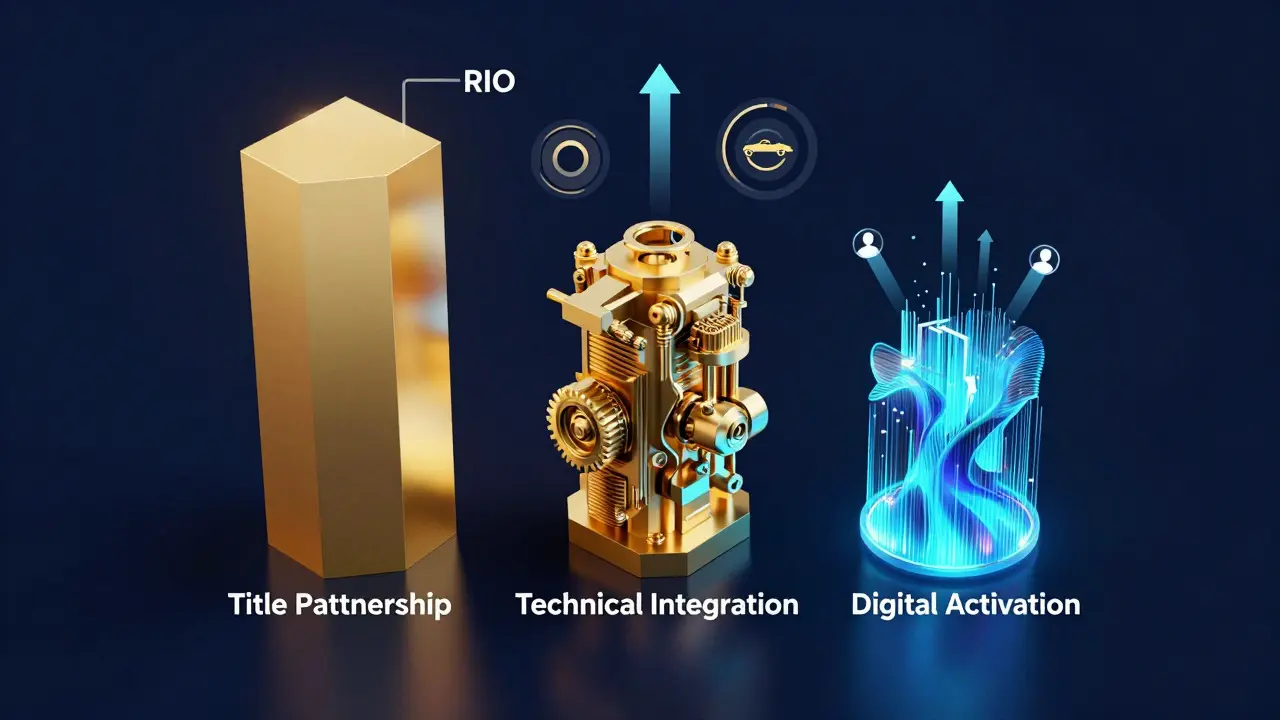
Budget allocation in motorsport is rarely a single line item. It is usually split into three distinct buckets: Title Partnership, Technical Integration, and Digital Activation. Understanding this split is crucial for evaluating where the real value lies.
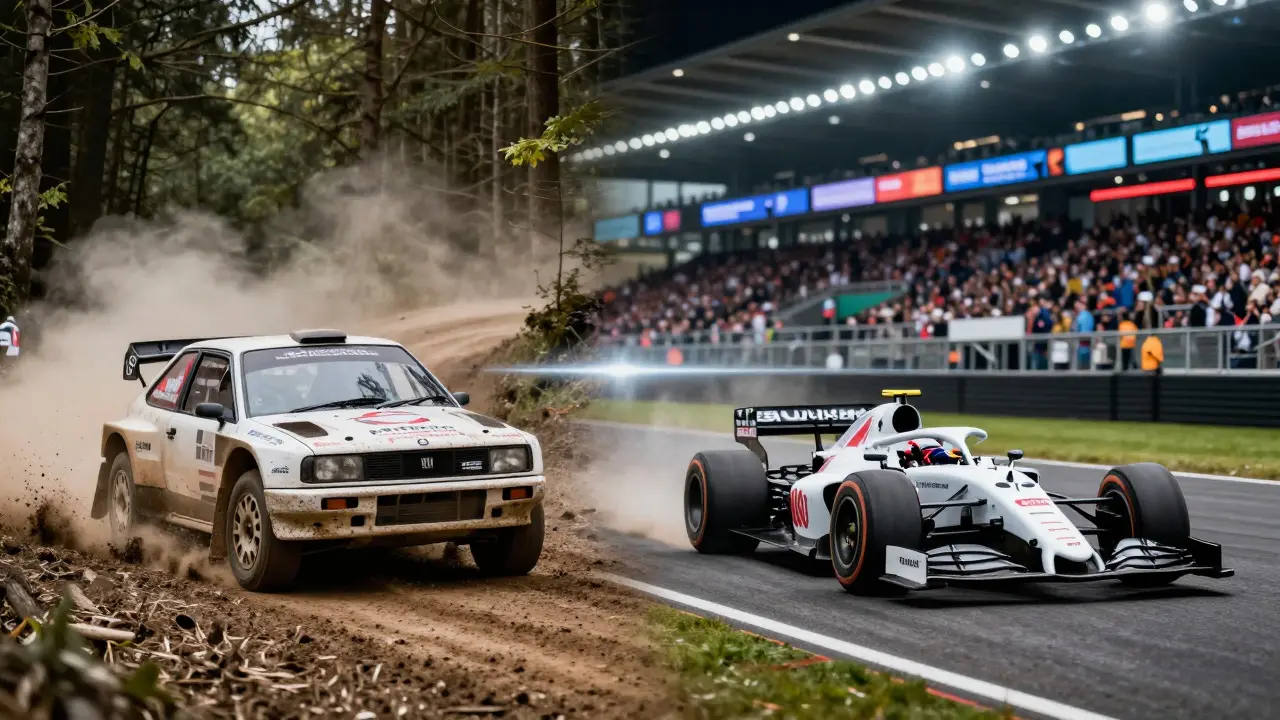
- Title Partnerships: This is the headline fee paid to the team or series. For top-tier categories like Formula 1, this can range from £50 million to over £100 million annually. However, most mid-sized British brands focus on lower-cost entry points like WRC (World Rally Championship) or national touring car series, where fees might sit between £2 million and £10 million.
- Technical Integration: Money spent on developing parts for race cars that later trickle down to production vehicles. This is often framed as R&D spending rather than pure marketing. For instance, braking systems or aerodynamic tweaks tested on track can be sold as performance upgrades for road cars.
- Digital Activation: This is where the modern ROI magic happens. Brands invest heavily in creating exclusive content behind the scenes, influencer collaborations with drivers, and interactive fan experiences. This segment typically consumes 30-40% of the total sponsorship budget.
Case Studies: Jaguar, McLaren, and the EV Transition
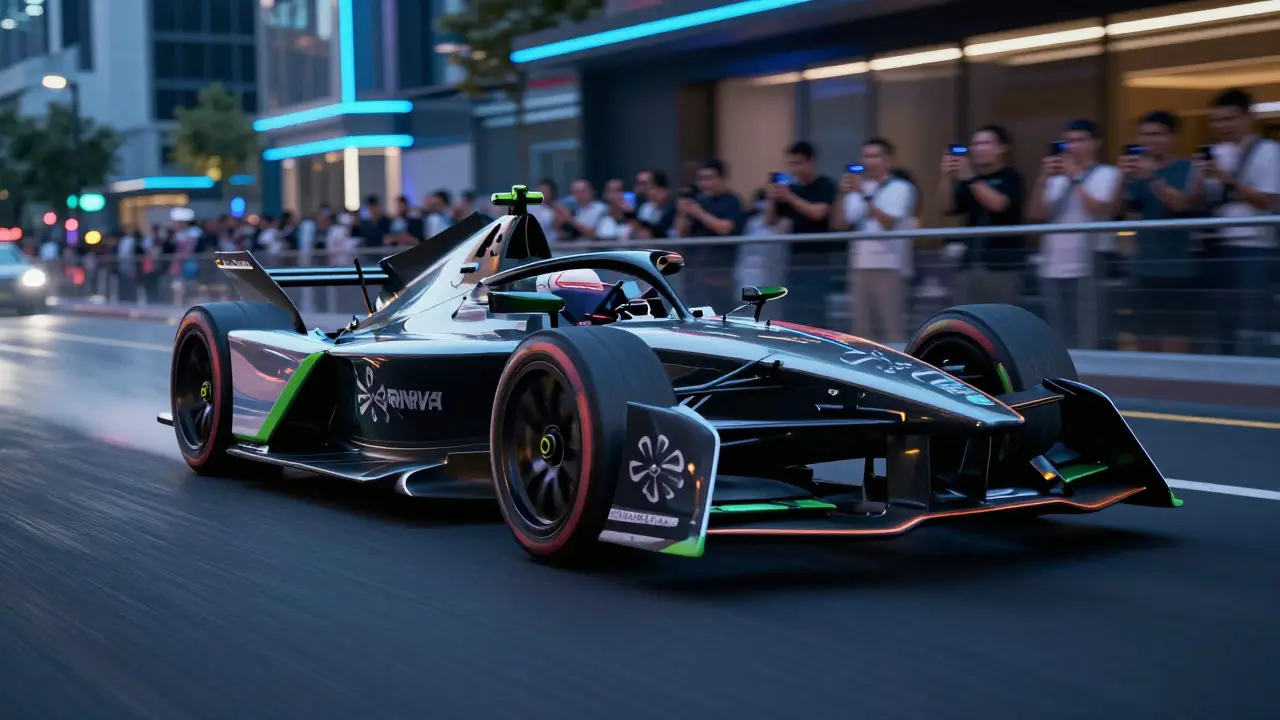
The transition to electric vehicles (EVs) has forced a complete re-evaluation of motorsport strategies. Internal combustion engine (ICE) heritage doesn't always translate to EV credibility. This is where Jaguar Land Rover is a major player in the shift towards electric mobility through its involvement in Formula E. By backing the all-electric Formula E series, JLR positions itself not just as a car maker, but as a technology leader. The ROI here isn't measured in immediate car sales, but in B2B contracts and government subsidies related to sustainable transport infrastructure.
On the other end of the spectrum, McLaren Automotive maintains its presence in Formula 1, the highest profile open-wheel racing category. For McLaren, the sponsorship is less about introducing the brand and more about reinforcing its engineering pedigree. The data shows that during seasons where McLaren performs competitively, search volume for their hypercar models increases by an average of 15-20%. This correlation is strong enough to justify the massive title fees involved.
| Brand | Primary Series | Budget Focus | Key ROI Metric |
|---|---|---|---|
| Jaguar Land Rover | Formula E | Technology & Sustainability | B2B Contracts & Brand Sentiment |
| McLaren | Formula 1 | Prestige & Engineering | Search Volume & Lead Quality |
| Mini (BMW Group) | WRC / Junior Categories | Accessibility & Fun Factor | Social Engagement & Young Demographic Reach |
The Hidden Costs: Why ROI Often Looks Worse Than It Is
One common pitfall is ignoring the "opportunity cost." When a brand spends £5 million on a race team, they aren't just losing that cash; they're losing the potential returns from alternative investments like digital ads or product development. To get a true picture of ROI, analysts must compare the sponsorship results against a control group-customers who were exposed to standard marketing but not race content.
Furthermore, there are indirect costs that don't show up on the P&L statement immediately. These include:
- Logistics: Transporting personnel and equipment globally.
- Staff Time: Marketing teams working overtime during race weekends.
- Opportunity Cost: Capital tied up in long-term contracts that limit flexibility.
When these factors are included, the net ROI of many mid-tier sponsorships drops significantly. This is why we see a consolidation trend: fewer brands sponsoring at the top level, but with deeper, more integrated partnerships.
Measuring Brand Equity vs. Direct Sales
For luxury British brands, direct sales attribution is often too narrow. The real value lies in Brand Equity is the intangible value derived from consumer perception of a brand name and reputation. A win in a prestigious race can elevate a brand's perceived status, allowing it to charge premium prices for non-racing models.
Consider the concept of "halo effect." If a driver wins a championship wearing a certain badge, consumers associate that success with the entire product line. This is difficult to quantify in a spreadsheet but measurable through brand lift studies. These surveys ask consumers before and after a race season how they perceive the brand's innovation, reliability, and desirability. A 5-point increase in desirability can translate to millions in margin improvement over time, even if no direct leads are tracked.
Future Trends: Hybrid Models and Data Integration
Looking ahead, the boundary between sponsorship and product development will blur further. We are seeing the rise of "co-development deals" where the manufacturer pays for the right to use race-derived technology in road cars, effectively turning the sponsorship fee into an R&D invoice. This makes the ROI calculation much clearer because the asset (the technology) remains with the company.
Additionally, artificial intelligence is playing a growing role in optimizing sponsorship spend. AI algorithms can now predict which races will generate the highest engagement for specific demographics, allowing brands to allocate media buying budgets dynamically. Instead of paying a flat fee for all races, some deals are moving towards performance-based structures where payment is linked to viewership numbers or social media impressions.
Frequently Asked Questions
What is the average ROI for automotive motorsport sponsorship?
There is no single average, but industry benchmarks suggest a healthy ROI ranges from 1:1 to 1:3 when including both direct sales and brand equity gains. Top-tier Formula 1 deals often rely heavily on brand equity, while lower-tier rally or touring car deals aim for higher direct response ratios.
How do British automakers differ from German rivals in sponsorship strategy?
German manufacturers like BMW and Mercedes tend to dominate Formula 1 with massive budgets focused on global prestige. British brands often adopt a more niche approach, targeting specific categories like Formula E (for sustainability) or WRC (for agility and heritage), allowing them to compete on narrative rather than sheer financial power.
Is motorsport sponsorship still worth it for small British car brands?
Yes, but only if they target grassroots or regional series. Small brands cannot afford the visibility of F1. Instead, they should focus on local rallying or karting championships where community engagement is high and costs are manageable. The key is proximity to the customer, not global fame.
What is the biggest mistake companies make when calculating sponsorship ROI?
The biggest mistake is ignoring opportunity cost and indirect expenses. Many companies calculate ROI based only on direct sales attributed to the campaign, failing to account for the money that could have been earned elsewhere or the hidden costs of logistics and staff time. This inflates the perceived success of the partnership.
How does the shift to electric vehicles affect motorsport sponsorship budgets?
It forces a reallocation of funds from traditional ICE-focused series to electric categories like Formula E or Extreme E. While these series may have lower global viewership, they align better with the future product lineup. The budget shifts from buying prestige to buying technological relevance and regulatory favor.