Pre-War British Car Landscape: Who Dominated UK Roads Before 1914
 Sep, 3 2026
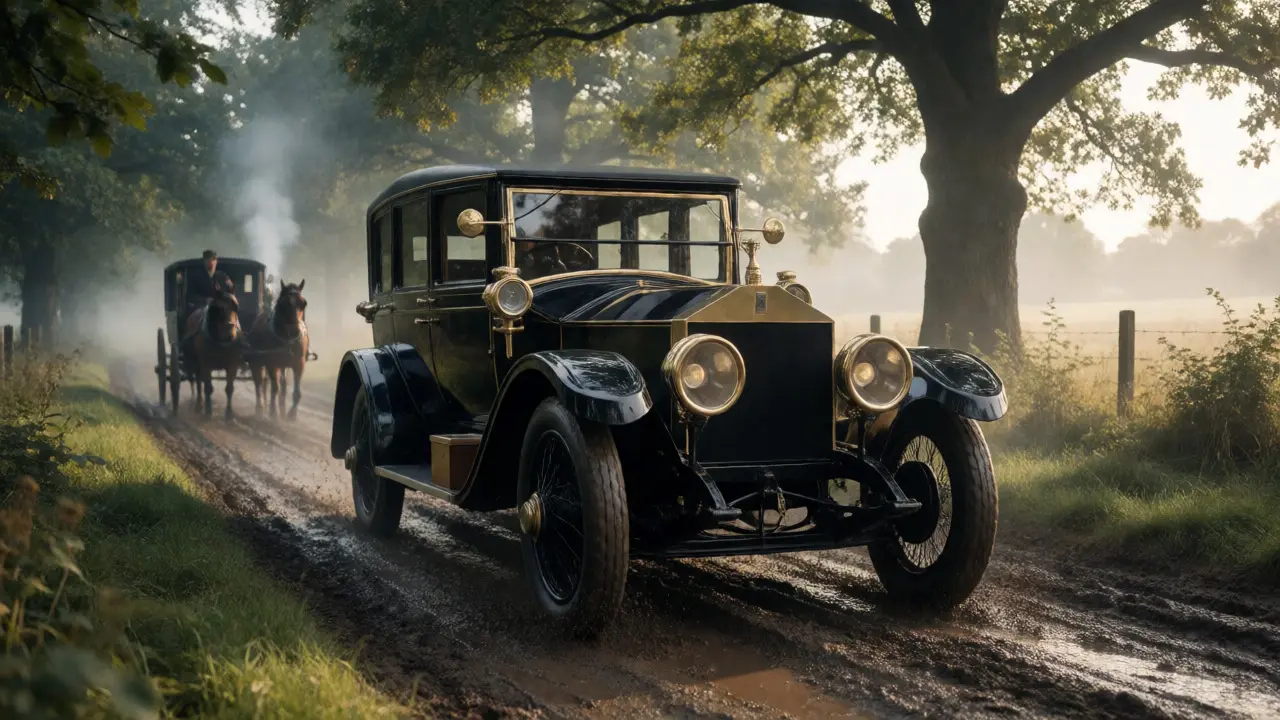
Imagine standing on a muddy lane in Surrey in the summer of 1913. The air smells of coal smoke and wet wool. Suddenly, a low growl breaks the silence. It’s not a horse. It’s a Rolls-Royce Silver Ghost, a luxury automobile known for its near-silent operation and exceptional reliability. In that moment, you are witnessing the peak of a very specific era: the pre-war British car landscape. This wasn’t just about getting from point A to point B. It was a status symbol, a technological marvel, and a growing industry fighting for dominance against imported German machines.
Most people think of the Edwardian era as a time of slow carriages and top hats. But by 1914, Britain had one of the most dynamic automotive markets in the world. The question isn't just "what cars existed?" but "who actually ruled the roads?" The answer is more complex than you might think. It involves a mix of aristocratic prestige, industrial grit, and a fierce battle against foreign imports.
The Status Symbols: Luxury at Its Peak
If you had money in 1910, you didn’t buy a Ford. You bought British craftsmanship. Two names dominated the high end: Rolls-Royce and Bentley. Well, Bentley wasn’t quite there yet in terms of mass recognition before the war, but Rolls-Royce was already legendary. Henry Royce and Charles Rolls built a reputation on perfection. Their cars weren’t just vehicles; they were engineering statements.
Why did they dominate? Because they solved the biggest problem of early motoring: unreliability. Early cars broke down constantly. The Silver Ghost changed the game. It was quiet, smooth, and rarely failed. For the wealthy elite, this meant you could drive from London to Scotland without worrying about being stranded in a ditch. This reliability created brand loyalty that lasted decades.
But it wasn’t just about Rolls-Royce. Other luxury makers like Daimler (the British arm, distinct from the German parent) catered to royalty. Queen Victoria herself had owned Daimlers. By 1914, owning a British luxury car was a way to assert national pride while showcasing personal wealth. These cars were hand-built, expensive, and produced in small numbers. They didn’t fill the roads, but they defined what a "car" should be for the upper classes.
The Working Class Heroes: Mass Production Arrives
While Rolls-Royce catered to dukes, a different kind of revolution was happening for the middle class. Enter Austin Motor Company, founded by Herbert Austin. If Rolls-Royce was the suit-and-tie of the auto world, Austin was the practical workhorse. Austin understood something crucial: to dominate the market, you needed volume.
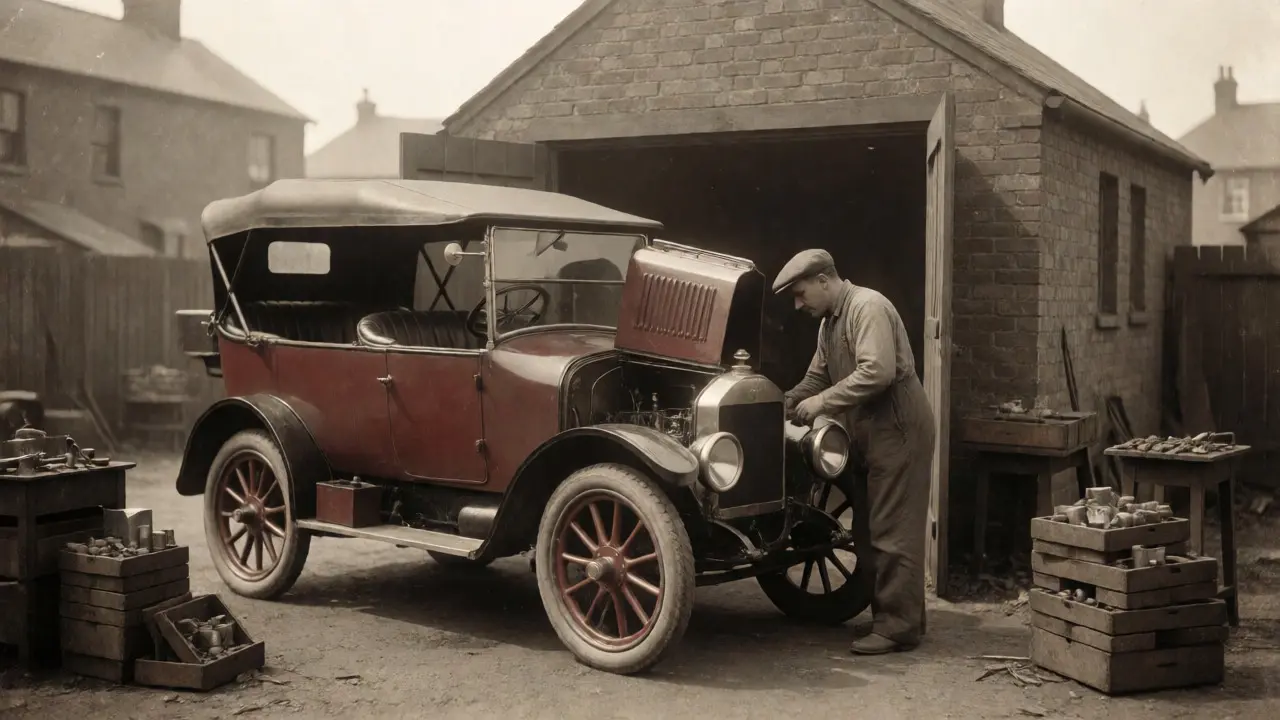
Herbert Austin looked at the American model-Henry Ford’s assembly line-and adapted it for Britain. He launched the Austin Seven in 1922, but his earlier models like the Austin 12/4 were laying the groundwork before 1914. These cars were affordable, simple, and easy to repair. They appealed to doctors, lawyers, and successful shopkeepers who wanted independence from public transport but couldn’t afford a Rolls-Royce.
Austin’s strategy was smart. He focused on standardization. Parts were interchangeable. Repairs were cheap. This made him a direct competitor to imported French and German cars. By 1914, Austin was producing thousands of units annually. He proved that British engineering could compete with continental Europe on price and practicality, not just prestige.
The Sports Enthusiasts: Speed and Style
Not everyone wanted a luxury barge or a utilitarian box. Some drivers wanted speed. This niche was dominated by companies like Vauxhall Motors, originally a British company acquired by General Motors later and Sunbeam Motor Car Company. These brands targeted the enthusiast driver who cared about handling and power.
Vauxhall, based in Luton, started making cars in 1903. By 1914, they had developed a reputation for robust, sporty vehicles. The Vauxhall Prince Henry was a standout model. It was fast, durable, and surprisingly stylish. Sunbeam, based in Wolverhampton, pushed even harder into racing. They set land speed records and won races across Europe. This gave them credibility. When you saw a Sunbeam on the road, you knew it was built by racers.
These companies filled a gap between the ultra-rich and the practical masses. They offered performance without the exorbitant price tag of Rolls-Royce. They attracted young professionals and hobbyists who enjoyed driving as a pastime, not just a necessity. This segment grew rapidly because the roads were improving. Better surfaces meant faster speeds, which meant better brakes and engines were needed. Vauxhall and Sunbeam delivered exactly that.
| Manufacturer | Target Market | Key Model Example | Primary Advantage |
|---|---|---|---|
| Rolls-Royce | Ultra-Wealthy / Elite | Silver Ghost | Unmatched Reliability & Prestige |
| Austin | Middle Class / Practical | Austin 12/4 | Affordability & Standardization |
| Vauxhall | Enthusiast / Sport | Prince Henry | Performance & Durability |
| Sunbeam | Racing / High Performance | Grand Prix Models | Racing Heritage & Speed |
| Daimler (UK) | Royalty / Aristocracy | Daimler Majestic | Royal Warrant & Tradition |
The Foreign Threat: Why Imports Struggled
You might wonder why we’re talking so much about British brands. Wasn’t Germany dominating automotive technology? Yes, technically. Companies like Mercedes-Benz and Opel were building excellent cars. But here’s the twist: they struggled to dominate UK roads before 1914.
Why? Tariffs and logistics. Importing a car from Germany or France was expensive. Spare parts were hard to get. If your Mercedes broke down in rural England, you waited weeks for a part from Stuttgart. Meanwhile, an Austin or Vauxhall owner could fix their car locally within days. This practical disadvantage hurt foreign brands significantly.
Additionally, there was a cultural preference. The British upper class preferred British goods. Buying a French Panhard or a German Benz felt slightly unpatriotic to some. While these cars were respected for their engineering, they never achieved the sales volumes of domestic competitors. The local supply chain simply favored homegrown manufacturers.
The Infrastructure Problem: Cars vs. Horses
Let’s be real: in 1914, horses still outnumbered cars. Most Britons didn’t own a vehicle. The "dominance" of these car brands refers to visibility and influence among those who could afford them. But infrastructure played a huge role in shaping this landscape.
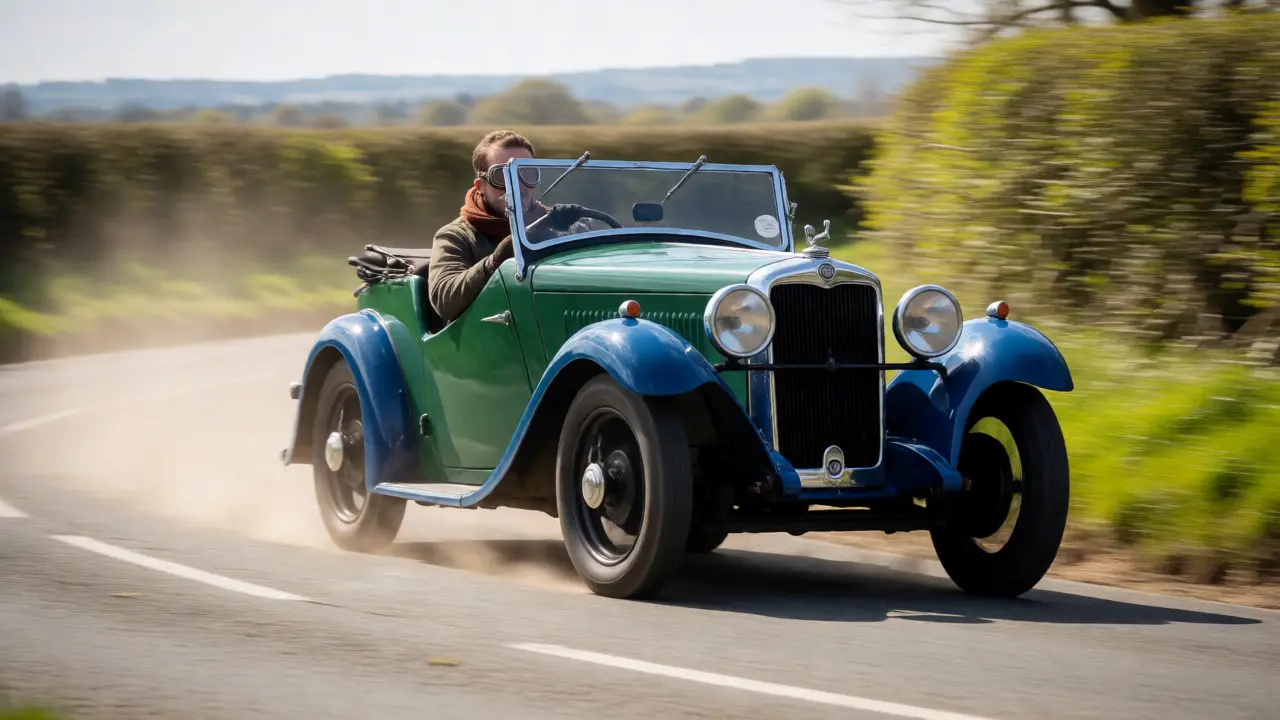
Roads were terrible. Many were still rutted dirt tracks designed for carts, not rubber tires. Rain turned them into mud pits. This favored cars with high ground clearance and robust suspension. Rolls-Royces handled this well due to their superior build quality. Cheaper cars often got stuck. This reinforced the idea that "cheap cars break," pushing buyers toward reliable British brands like Austin, which improved their chassis designs specifically for poor road conditions.
Gas stations were rare too. You couldn’t just pull over anywhere. You needed planning. This limited long-distance travel for ordinary people. Only those with resources and support networks could use cars freely. This kept the market small but exclusive, allowing premium brands to maintain high prices without fear of undercutting.
What Changed After 1914?
The outbreak of World War I shattered this landscape. Factories switched from passenger cars to trucks and ambulances. Austin built thousands of military vehicles. Rolls-Royce shifted to aircraft engines. Private car production nearly halted.
When peace returned in 1918, the market had changed. Technology had advanced rapidly due to war demands. New players emerged. The old guard survived, but the balance of power shifted. However, the foundation laid between 1900 and 1914 ensured that Britain remained a major automotive force. The brands we know today-Rolls-Royce, Austin (later BMC), Vauxhall-all trace their lineage to this pivotal period.
So, who dominated? There was no single winner. Instead, there were clear winners in each segment. Rolls-Royce owned prestige. Austin owned practicality. Vauxhall and Sunbeam owned performance. Together, they created a diverse ecosystem that resisted foreign competition through local adaptation and strategic positioning.
Did Ford dominate UK roads before 1914?
No, Ford did not dominate. While the Model T was popular globally, it arrived in significant numbers in the UK after 1914. Before the war, American cars faced import tariffs and lacked local service networks, giving British manufacturers a strong advantage.
Were pre-war British cars reliable?
It depended on the brand. Rolls-Royce was famously reliable, earning the nickname "The Best Car in the World." Cheaper models were less dependable and required frequent maintenance. However, brands like Austin improved reliability significantly by focusing on standardized, easy-to-repair designs.
Why did German cars fail to dominate the UK market?
German cars faced high import tariffs, long shipping times, and difficult access to spare parts. British consumers preferred local brands because repairs were faster and cheaper. Additionally, there was a cultural preference for British-made goods among the wealthy elite.
How many cars were there in the UK in 1914?
Estimates suggest there were around 200,000 to 250,000 motor cars in the UK by 1914. This was a small fraction of the population, meaning cars were still primarily a luxury item or a professional tool, not a household necessity.
Did women drive cars in the pre-war era?
Yes, though it was uncommon. Wealthy women drove, and some became famous rally participants. However, societal norms restricted many women from independent mobility. Driving was seen as a technical skill, and few garages welcomed female customers initially.