Patent Power: How British Rights to Daimler Engines Seeded UK Auto Growth
 Nov, 14 2026
You might think the British motor industry started with Rolls-Royce or Austin. But before those names hit the headlines, a different kind of engine was running in the background: patent law. In the 1890s, while Germany and France were busy building cars, Britain sat on a goldmine of intellectual property rights that shaped who could build what, and how fast they could do it.
The story begins not in a factory, but in a lawyer’s office. The key player here wasn’t an engineer, but a man named Frederick Richard Simms, a British entrepreneur who recognized the commercial potential of internal combustion engines before most others did. He didn’t invent the car, but he bought the rights to make it work in Britain. This move set the stage for decades of industrial maneuvering.
The German Connection and the Patent Shield
To understand why Britain lagged in actual manufacturing despite having the technology, you have to look at Gottlieb Daimler and his high-speed petrol engine, which revolutionized personal transport in the late 19th century. Daimler’s designs were superior, but his company, Daimler-Motoren-Gesellschaft (DMG), was aggressive about protecting its innovations globally.
Simms traveled to Germany, met Daimler, and secured exclusive licenses for the British Empire. This wasn’t just a handshake deal; it was a legal fortress. By controlling the patents, Simms effectively held a veto over who could legally produce a modern automobile in the UK. If you wanted to build a car with a Daimler-style engine, you had to pay Simms. Period.
| Entity | Role | Impact on Industry |
|---|---|---|
| Frederick Simms | Patent Holder & Entrepreneur | Controlled entry into the market via licensing fees |
| Panhard et Levassor | French Manufacturer | Licensed Daimler patents, creating a rival patent pool |
| Daimler-Motoren-Gesellschaft | German Inventor Company | Originator of core engine technology |
The French Loophole and the Rise of Panhard
Here is where things get messy. While Simms held the Daimler license, another French firm, Panhard et Levassor, a pioneering automobile manufacturer that adopted the Daimler engine design under license, also secured rights to use Daimler’s engine concepts. They improved upon them, notably moving the engine to the front and placing the driver behind it-the layout we still use today.
This created a conflict. Did Simms’ license cover all Daimler-derived engines? Or did Panhard’s modifications create new intellectual property? The courts got involved. For years, the ambiguity stalled investment. Why build a factory if you don’t know if you’ll be sued next Tuesday? This uncertainty slowed down the establishment of large-scale assembly lines in Britain compared to the US or France.
From Licenses to Local Factories
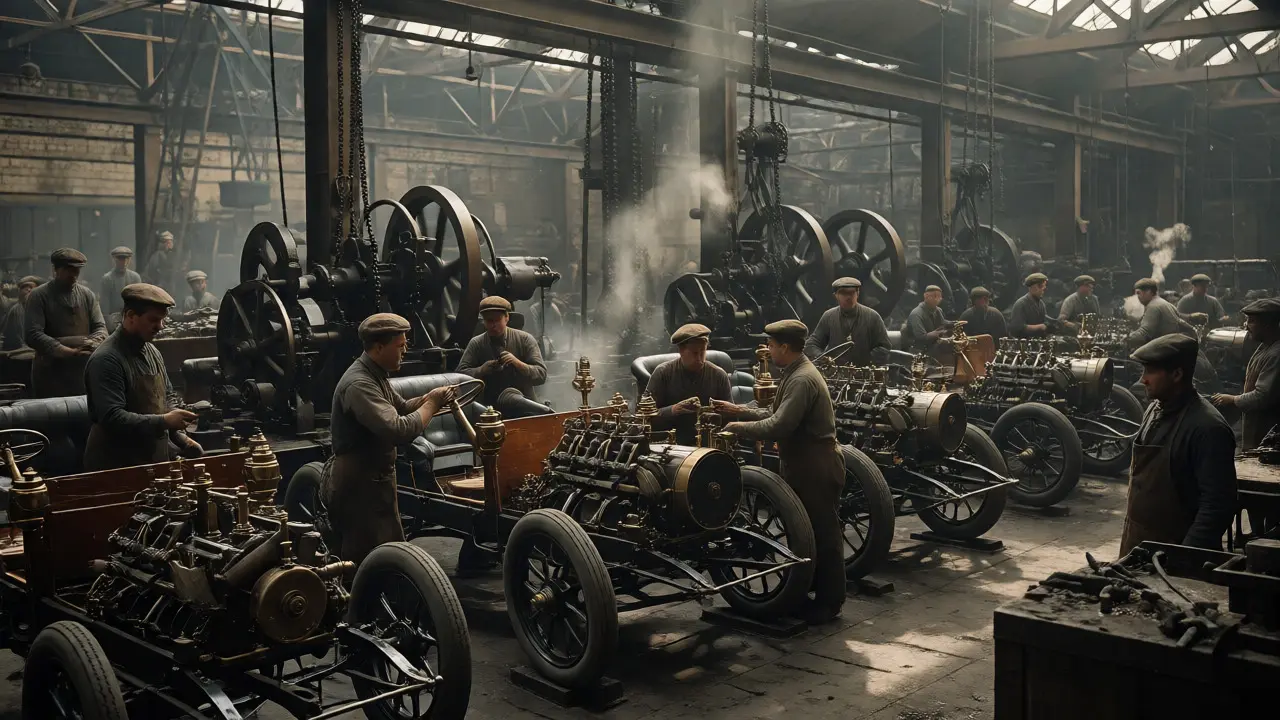
Despite the legal fog, the pressure to manufacture locally grew. Importing finished cars from Germany or France was expensive due to shipping costs and tariffs. Simms realized that holding patents wasn’t enough; he needed production capacity. He founded the Daimler Motor Company Limited, the first mass-production car manufacturer in the United Kingdom in Coventry in 1896.
This was a pivotal moment. It shifted the model from "import and sell" to "build and brand." However, this transition wasn’t smooth. Early Daimlers built in Coventry were often criticized for being too heavy and complex. They were engineering marvels, but not necessarily practical daily drivers for the average British family. Yet, their existence proved that Britain could compete in hardware, even if the software-legal and business strategy-was tangled.
The Impact on Independent Manufacturers
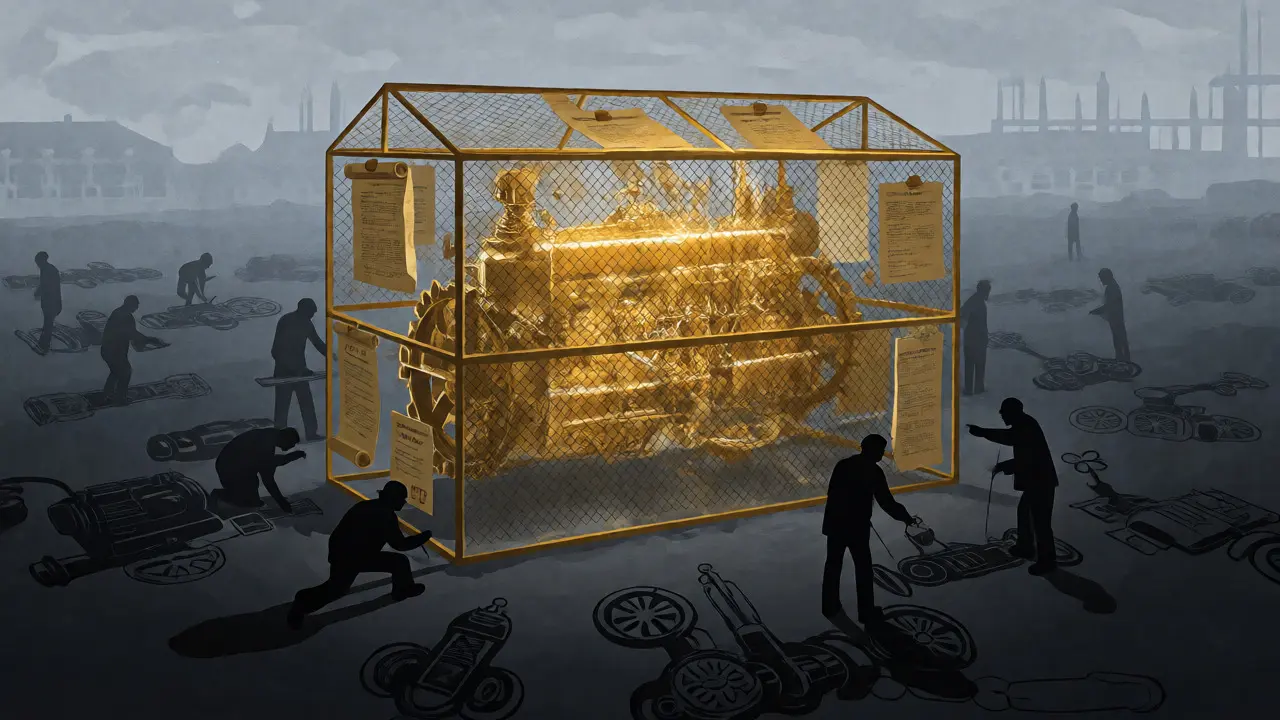
What happened to the smaller guys? The Lanchesters, the Napier brothers, the early pioneers in Birmingham and London? They faced a tough choice. Either they paid hefty royalties to Simms, or they developed their own unique engine designs to bypass the Daimler patents entirely.
This forced innovation. Companies like Lanchester, a British automobile manufacturer known for innovative engineering solutions, invested heavily in original research because they couldn’t rely on licensed tech. As a result, some British cars featured advanced disc brakes and independent suspension long before they became standard elsewhere. The patent wall, ironically, pushed British engineers to become more creative rather than just copying German blueprints.
Why This Matters Today
We tend to view the early auto industry as a race of horsepower. But the 1890s were really a race of paperwork. The control of Daimler patents dictated the pace of growth. When the patent wars eventually cooled down around the turn of the century, the market exploded. But by then, the groundwork had been laid by men like Simms who understood that owning the idea was just as important as owning the machine.
If you’re interested in how these legal battles evolved into the corporate giants of the 20th century, looking at the merger history of Daimler and Benz provides a fascinating follow-up. The seeds sown in those smoky Coventry workshops didn’t just grow cars; they grew the concept of the multinational automotive corporation.
Who owned the Daimler patents in the UK?
Frederick Richard Simms acquired the exclusive rights to the Daimler engine patents for the British Empire in the early 1890s. He later used these rights to establish the Daimler Motor Company Limited in Coventry.
Did Daimler patents stop other British companies from making cars?
Not entirely, but it made it difficult and expensive. Smaller manufacturers either had to pay licensing fees to Simms or develop proprietary engine designs that avoided infringing on Daimler's specific claims, which actually spurred some unique British engineering innovations.
What role did Panhard et Levassor play?
Panhard et Levassor licensed Daimler engine technology and modified it significantly, particularly regarding chassis design. Their success created competition for Simms' monopoly and led to complex legal disputes over the scope of the original patents.
When was the first British Daimler car made?
The first cars produced under the Daimler name in Britain were manufactured in Coventry starting in 1896, following the formation of the Daimler Motor Company Limited by Frederick Simms.
How did patent laws affect early car prices?
Licensing fees added significant overhead to the cost of production. Additionally, the lack of standardized parts due to fragmented patent ownership meant manufacturers couldn't achieve economies of scale quickly, keeping prices high until the early 1900s.