Montlhéry and Brooklands: How Interwar Circuits Shaped Modern Car Engineering
 Aug, 17 2026
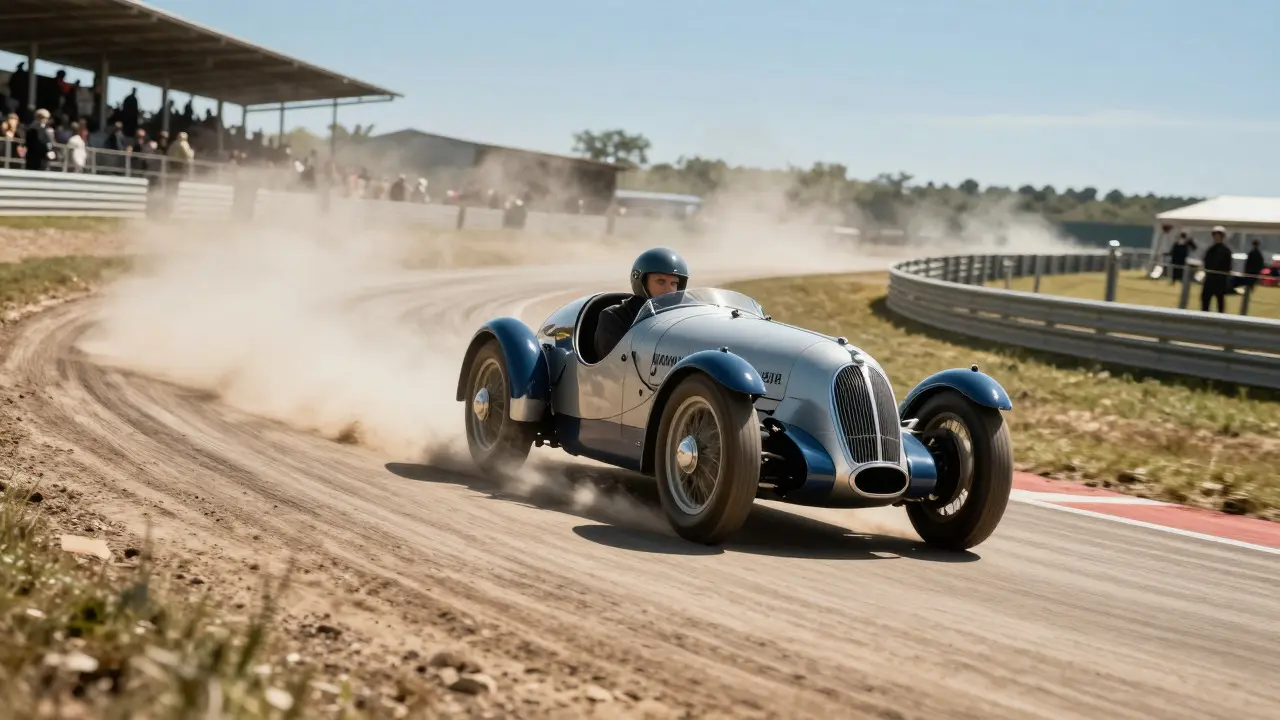
Before the era of wind tunnels and computer simulations, two dirt ovals defined the limits of speed. Montlhéry in France and Brooklands in England were not just race tracks; they were laboratories where engineers learned what it takes to build a fast car. During the interwar period (1918-1939), these circuits forced manufacturers to abandon brute force in favor of aerodynamics, structural rigidity, and efficient engine management. The lessons learned on their banks directly influenced the design of post-war sports cars and even modern production vehicles.
Most people think of racing as a test of driver skill, but in the 1920s and 30s, it was primarily an engineering challenge. A car that could survive the high-speed banking at Montlhéry without disintegrating had solved problems that would take decades to fix in other contexts. This article breaks down how these specific venues drove technological innovation, changed safety standards, and established the performance benchmarks we still use today.
The Engineering Pressure Cooker: Why Ovals Demanded Innovation
Unlike twisty mountain roads or flat circuits, high-speed ovals create constant lateral G-forces. At Montlhéry, which featured a steeply banked oval section, cars reached speeds exceeding 250 km/h (155 mph) in the early 1930s. This sustained speed exposed weaknesses that short sprints never did. Engineers realized that horsepower alone wasn't enough; they needed stability.
This environment accelerated the adoption of several key technologies:
- Aerodynamic Bodywork: To reduce drag and lift, designers began smoothing out fenders and integrating radiators into the body. The Bugatti Type 57, developed partly with Montlhéry testing in mind, became one of the first mass-produced cars with a fully streamlined body.
- Structural Rigidity: High speeds caused chassis flex. Manufacturers moved from ladder frames to more rigid tubular structures or stressed-skin designs to keep the car intact under load.
- Tire Development: Dunlop and Michelin competed fiercely to create tires that could withstand the heat buildup from cornering at high velocity. This led to improvements in rubber compounding and tire casing strength that benefited all road users.
Brooklands offered a different but equally demanding challenge. As the world's first purpose-built motor racing circuit, its 2.5-mile (4 km) oval included a straightaway long enough for top-speed records. This focused attention on peak power output and transmission efficiency rather than just cornering grip. The result was a push for higher compression ratios and better fuel injection systems, which eventually trickled down to luxury sedans.
Montlhéry: The French Laboratory for Speed
Montlhéry is a former racing circuit located near Paris, known for its steeply banked oval track that allowed cars to reach extreme speeds with minimal steering input. Built in 1926, it quickly became the benchmark for European speed records. The track's design meant that drivers could maintain high throttle application through corners, turning the entire lap into a straight-line acceleration event.
For manufacturers like Bugatti, Delahaye, and Talbot-Lago, Montlhéry was the proving ground. If a prototype survived a full day of testing there, it was considered ready for production. The data collected from these sessions was invaluable. Engineers measured fuel consumption at sustained high speeds, monitored brake fade over dozens of laps, and tested the durability of cooling systems. This level of rigorous, real-world testing was rare outside of dedicated racetracks at the time.
One specific outcome of Montlhéry testing was the refinement of the Bugatti Royale and later the Type 57. Ettore Bugatti famously used the circuit to validate his theories about weight distribution and aerodynamic balance. The result was a car that was not only fast but also surprisingly stable and safe for its era. This focus on "speed with grace" became a hallmark of French automotive engineering during the 1930s.
Brooklands: Setting the Global Standard
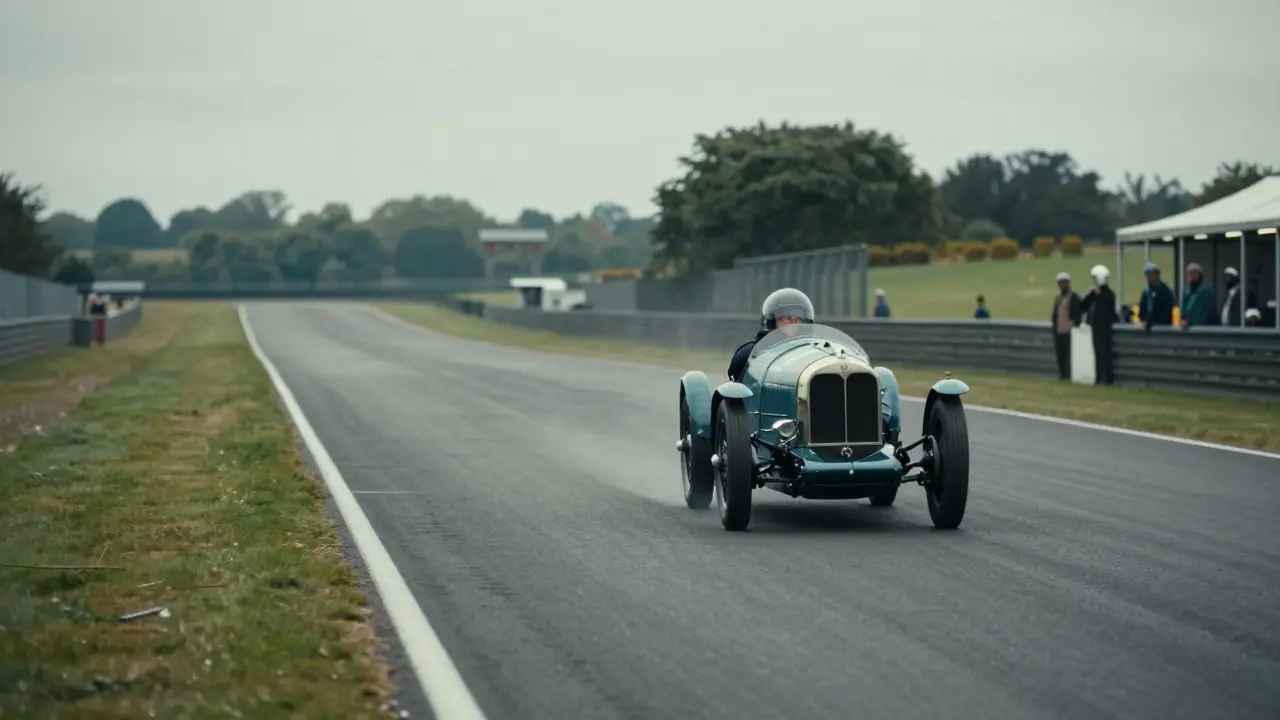
Brooklands is a historic motor racing circuit in Weybridge, Surrey, England, which held the title of the fastest place in the world for much of the 1920s and 30s. Opened in 1907, it predated most other major circuits and served as the global reference point for speed records. When a manufacturer claimed a new land speed record, it almost always happened at Brooklands.
The impact of Brooklands on car development was profound because it attracted the best minds in the industry. Companies like Rolls-Royce, Bentley, and Aston Martin sent their top engineers to test prototypes there. The competition was intense, leading to rapid iteration. For example, the quest to break the 150 mph barrier at Brooklands drove significant advancements in supercharger technology and gear ratio optimization.
Brooklands also played a crucial role in standardizing racing regulations. Because so many different types of cars raced there, officials had to create clear rules regarding engine capacity, weight classes, and driver safety. These regulations often mirrored what was happening in Grand Prix racing, creating a feedback loop where circuit rules influenced factory development programs. The "Bentley Boys," for instance, refined their 4½-liter engine specifically to handle the demands of Brooklands' long straights and tight corners, resulting in a model that was both a racing champion and a desirable road car.
Comparative Impact: What Each Circuit Taught the Industry
While both circuits pushed engineering boundaries, they emphasized different aspects of vehicle performance. Understanding this distinction helps explain why certain design trends emerged in Europe during the interwar years.
| Feature | Montlhéry (France) | Brooklands (England) |
|---|---|---|
| Primary Focus | Sustained high-speed cornering and aerodynamic stability | Peak top speed and straight-line acceleration |
| Key Technological Driver | Chassis rigidity and tire durability under lateral load | Engine power density and transmission efficiency |
| Influence on Production Cars | Streamlined bodies and improved handling dynamics | Higher-performance engines and advanced cooling systems |
| Notable Beneficiaries | Bugatti, Delahaye, Talbot-Lago | Rolls-Royce, Bentley, Aston Martin |
| Legacy in Modern Design | Focus on stability and comfort at highway speeds | Emphasis on raw performance metrics and brand prestige |
This table highlights how geography and track layout dictated engineering priorities. French manufacturers, dealing with the complex physics of the Montlhéry oval, prioritized holistic vehicle integration. British firms, competing for absolute speed records at Brooklands, often focused on maximizing engine output. Both approaches contributed to the rich diversity of European automotive design in the 1930s.
Safety and Human Factors: An Unintended Legacy
Racing in the interwar era was dangerous. Accidents at both Montlhéry and Brooklands were common, and fatalities were a grim reality. However, these tragedies drove innovations in safety that went far beyond racing. The need to protect drivers led to the development of better seat belts, reinforced cockpit structures, and standardized safety helmets.
Moreover, the public visibility of these races meant that safety improvements were quickly adopted by road car manufacturers. Features like stronger door hinges, better glass retention, and more reliable braking systems were marketed as "racing-derived" technologies. This created a positive feedback loop: safer cars sold better, which funded further R&D, which made cars even safer. The interwar period thus marked the beginning of the modern relationship between motorsport and consumer vehicle safety.
Long-Term Influence on Post-War Automotive Design
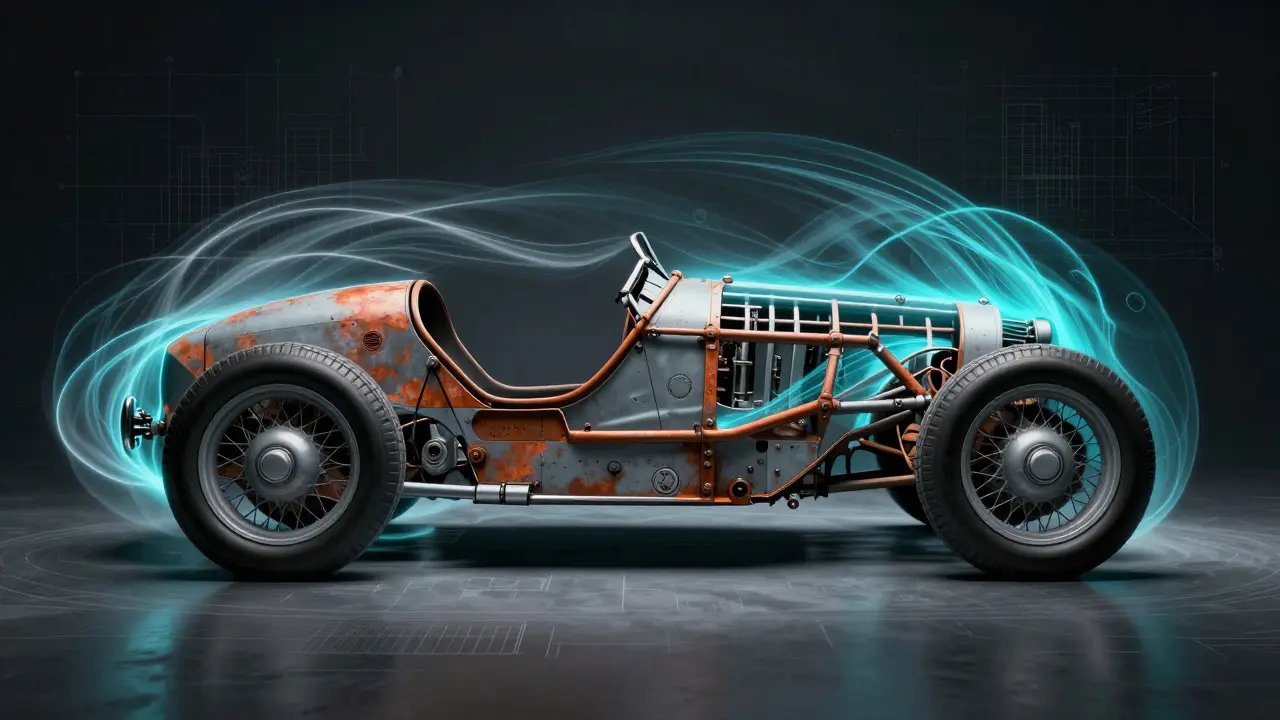
The direct impact of Montlhéry and Brooklands faded after World War II, when the focus shifted to smaller, more economical cars. However, the engineering principles validated on these tracks remained embedded in the industry's DNA. The emphasis on aerodynamic efficiency, structural integrity, and balanced performance became foundational to the design of post-war sports cars and executive sedans.
Today, while we use computational fluid dynamics (CFD) and crash simulation software, the core questions remain the same: How do you make a car fast, stable, and safe? The interwar engineers who spent countless hours at Montlhéry and Brooklands answered those questions with ingenuity and courage. Their work laid the groundwork for the high-performance vehicles we enjoy today, proving that sometimes, the oldest tests yield the most valuable lessons.
Frequently Asked Questions
Which circuit was faster, Montlhéry or Brooklands?
It depends on the metric. Brooklands was generally faster for top-speed records due to its longer straightaways. Montlhéry was faster for average lap speeds because its banking allowed drivers to carry more speed through corners without lifting off the throttle. Both set world records in their respective categories during the 1920s and 30s.
Did ordinary road cars benefit from testing at these circuits?
Yes, significantly. Technologies developed for racing, such as improved suspension geometry, stronger chassis construction, and more efficient cooling systems, were adapted for production models. Marketing campaigns often highlighted these "racing heritage" features to appeal to consumers seeking reliability and performance.
Why did the influence of these circuits decline after WWII?
Post-war economic conditions favored smaller, cheaper cars with lower performance requirements. Additionally, the rise of international Grand Prix racing shifted focus to formula-based competitions rather than open-wheel or production car racing on ovals. The specific engineering challenges posed by Montlhéry and Brooklands became less relevant to the mass market.
Are Montlhéry and Brooklands still active racing venues?
Both are now historic sites. Montlhéry has been closed to regular racing since the 1960s but occasionally hosts events. Brooklands is part of the Brooklands Museum and hosts vintage car gatherings and demonstrations, serving as a living museum of automotive history.
What was the most significant technological breakthrough from these circuits?
The integration of aerodynamic design with structural engineering stands out. Before the interwar period, streamlining was often cosmetic. Testing at Montlhéry proved that smooth bodywork could reduce drag enough to improve top speed and fuel economy, leading to the widespread adoption of integrated, streamlined designs in the 1930s.