Modern British Automotive Landscape: Premium Specialists, Heritage, and Technology
 Sep, 28 2026
You might think the days of British dominance in the global auto industry are long gone. That’s a half-truth. While mass-market giants like Ford or Toyota own the volume game, Britain has carved out a different kind of empire. It’s not about selling millions of economy sedans; it’s about precision, prestige, and pushing the boundaries of what a machine can do. If you look at the modern British automotive landscape, you see a fascinating mix of deep-rooted heritage and cutting-edge technology. This isn’t just nostalgia for old MGs or Mini Coopers. It’s a high-stakes business where premium specialists compete on engineering brilliance rather than price tags.
The Shift from Mass Market to Niche Prestige
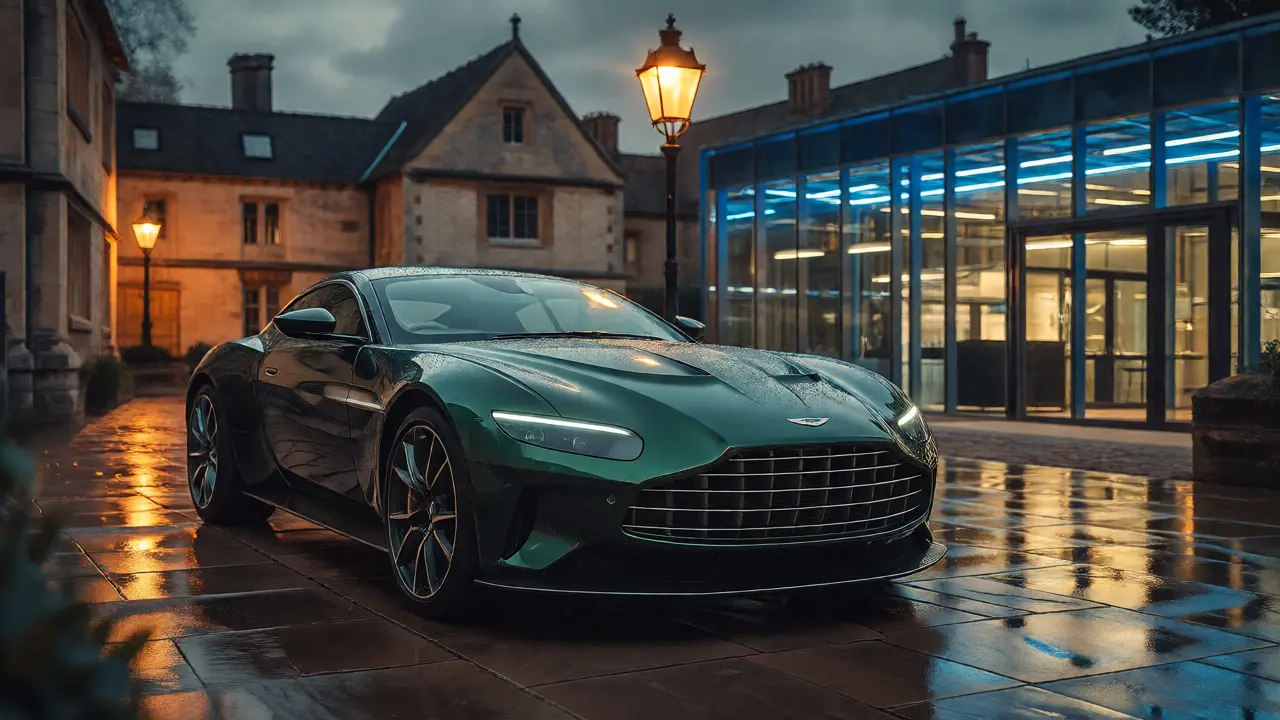
Let’s be real: Britain stopped trying to beat Japan on reliability and Germany on volume decades ago. Instead, manufacturers doubled down on character. Take Aston Martin. Unlike its competitors that chase fleet sales, Aston Martin focuses on exclusivity. Their recent pivot to hybrid powertrains shows how they’re blending traditional craftsmanship with electric future-proofing. You aren’t just buying a car; you’re buying into a brand story that dates back to 1913. This strategy works because wealthy buyers want distinction. They don’t want their garage to look like everyone else’s.
This shift requires a different type of expertise. You need engineers who understand hand-stitched leather as well as carbon fiber chassis. It demands designers who respect tradition but aren’t afraid to break rules. The result? Cars that feel alive. When you drive a new Jaguar Land Rover (JLR) model, you notice the attention to detail in the cabin materials. JLR, now part of the Tata Motors group, illustrates how global capital can support local heritage without erasing it. They’ve maintained their design DNA while integrating tech features that rival anything coming out of Silicon Valley.
Premium Specialists Define the New Standard
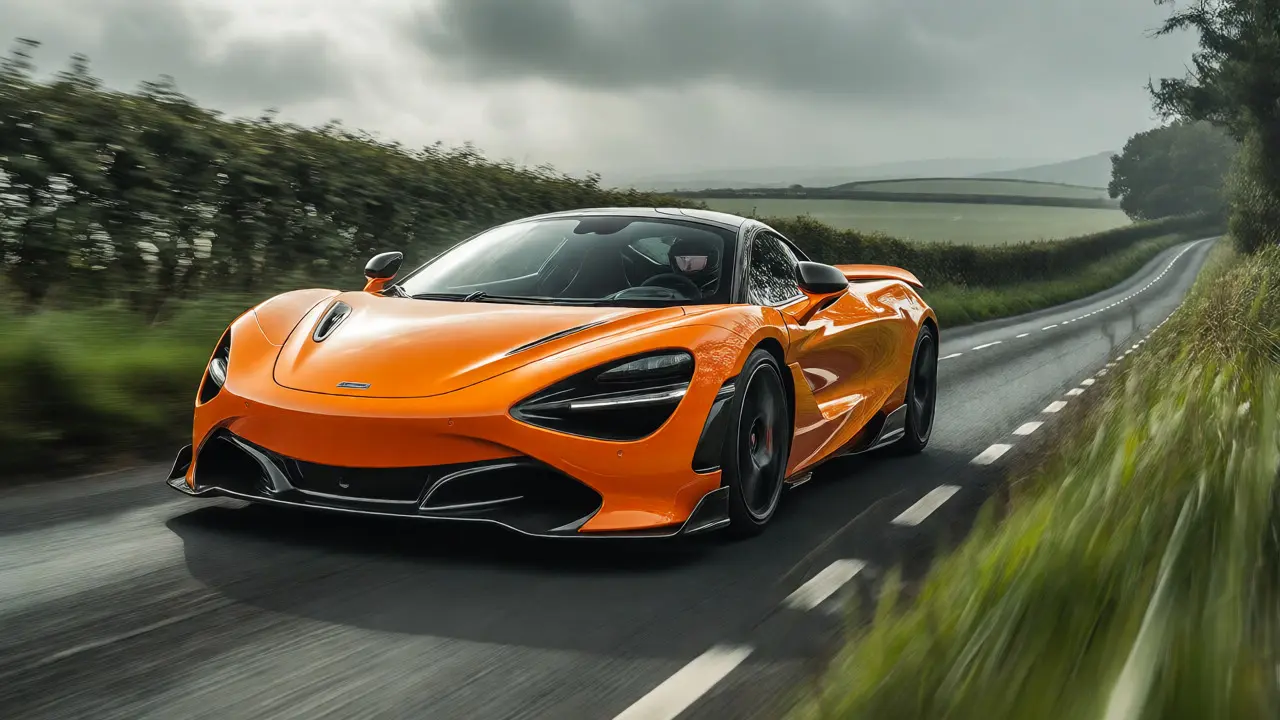
What exactly makes a company a "premium specialist" in this context? It’s not just about high prices. It’s about vertical integration and bespoke options. Look at McLaren. They started in Formula 1 racing, so their road cars are essentially track weapons with license plates. McLaren doesn’t have a massive dealer network in every small town. They rely on specialized centers where staff know the intricacies of active aerodynamics and carbon tub construction. This creates a tighter community around the brand. Owners often become ambassadors because they feel part of an exclusive club.
| Brand | Primary Focus | Key Technology | Heritage Element |
|---|---|---|---|
| Aston Martin | Luxury Grand Tourers | Hybrid Powertrains | James Bond Association |
| Bentley | Ultra-Luxury SUVs/Sedans | W12 Engine Legacy/EV Transition | Le Mans Racing History |
| Lotus | Lightweight Sports Cars | Electric Hypercars | Racing Pedigree |
| McLaren | Supercars/Hypercars | Active Aerodynamics | F1 Engineering Roots |
Bentley offers another angle. Once known for slow, heavy luxury, they’ve transformed into performance-luxury leaders. The Bentayga proved that an SUV could handle a racetrack. Now, they’re pushing hard into electrification with plans for a fully electric lineup by 2030. This transition is risky. Purists hate losing the sound of a V8 or W12 engine. But Bentley understands that their customers care about sustainability as much as speed. Balancing these demands is the core challenge for any premium specialist.
Technology Meets Tradition
How do you keep a century-old brand relevant? You integrate tech without letting it overshadow the driving experience. In many modern cars, screens dominate the dashboard. British makers resist this trend. They prefer physical controls for key functions because drivers shouldn’t have to dig through menus to adjust climate settings. However, under the hood, the tech is advanced. Rolls-Royce, owned by BMW, introduced the Spectre, their first all-electric coupe. It uses satellite-aided transmission to predict road conditions and adjust gear shifts before the driver even notices. This is "magic carpet ride" technology updated for the digital age.
It’s not just big names doing this. Smaller firms like Caterham or TVR focus on analog purity. TVR’s Griffith, for instance, ditched electronic aids to give drivers raw feedback. This appeals to enthusiasts who find modern cars too sanitized. These niche players prove that there’s still room for mechanical simplicity in a world obsessed with software updates. They cater to a specific segment that values engagement over convenience.
The Role of Global Ownership in Local Identity
You might wonder if foreign ownership dilutes British identity. Consider Mini. Owned by BMW since 2000, it remains quintessentially British in design philosophy. The compact footprint and go-kart handling are preserved. BMW provided the platform and resources to scale production globally, but the creative direction stayed rooted in Oxfordshire. This partnership model allows brands to access global supply chains while retaining local charm.
Similarly, Land Rover thrives under Indian ownership via Tata. They expanded into China and North America, boosting sales volumes significantly. Yet, the rugged off-road capability and luxurious interiors remain hallmarks of the brand. Global capital brings stability, allowing these companies to invest in R&D that smaller independent firms couldn’t afford. It’s a symbiotic relationship. The parent company gets a prestigious badge; the subsidiary gets financial muscle.
Challenges Facing the Industry Today
Despite the glamour, the sector faces headwinds. Supply chain disruptions hit everyone, but low-volume manufacturers feel them more acutely. A shortage of semiconductors delays deliveries for months. For a brand like McLaren, waiting six months for a car is acceptable. For a mass-market brand, it’s fatal. This resilience gives British specialists an edge during crises.
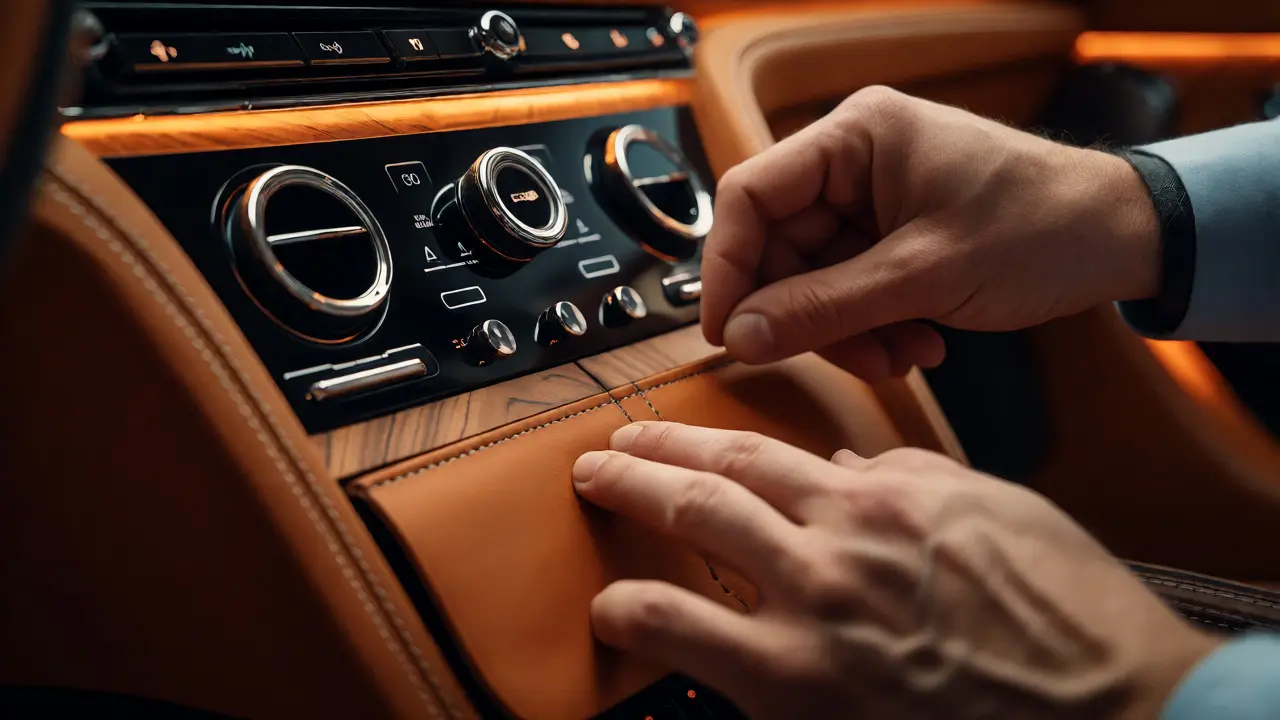
Another issue is talent retention. Skilled artisans who hand-build engines are aging out. Training new workers takes years. Companies are investing in apprenticeships to preserve skills like wood veneer matching and leather stitching. Without these human touches, the product loses its value proposition. Automation can build a car, but it can’t craft a masterpiece. The balance between efficiency and artistry is delicate.
Looking Ahead: Electrification and Beyond
The next decade will define whether these brands survive the EV transition. Customers love the instant torque of electric motors, but they miss the emotional connection of combustion engines. British makers are experimenting with synthetic sounds and haptic feedback to bridge this gap. Imagine feeling the vibration of a virtual exhaust note through your seat. That’s the kind of innovation happening now.
Ultimately, the modern British automotive landscape is about adaptation. These companies aren’t resting on laurels. They’re reinventing themselves while honoring their past. Whether you’re a buyer, investor, or enthusiast, understanding this dynamic helps you appreciate why these cars command such loyalty. It’s not just metal and rubber. It’s history, technology, and passion rolled into one package.
Why are British cars considered premium?
British cars are considered premium due to their focus on craftsmanship, unique design language, and historical prestige. Brands like Rolls-Royce and Bentley emphasize hand-built quality and exclusive materials, differentiating them from mass-produced vehicles.
How has global ownership affected British car brands?
Global ownership, such as BMW owning Mini or Tata owning Jaguar Land Rover, has provided financial stability and access to global markets. This allows brands to maintain their distinct British identity while scaling production and investing in new technologies.
What role does technology play in modern British cars?
Technology enhances performance and comfort without compromising driving dynamics. Features like satellite-aided transmissions, active aerodynamics, and hybrid powertrains allow brands to meet modern efficiency standards while preserving the engaging driving experience.
Are British cars reliable?
Reliability varies by brand and model. Modern British cars have improved significantly compared to older models, thanks to better manufacturing processes and shared platforms with larger conglomerates. Regular maintenance by specialists is crucial for longevity.
Which British car brand is best for enthusiasts?
For pure driving engagement, brands like Lotus, Caterham, and TVR appeal to enthusiasts who prefer lightweight, analog experiences. For those wanting both performance and luxury, McLaren and Aston Martin offer compelling options with advanced technology.