Mini Rally Legends: How BMC Turned a Small Car into a Giant Killer
 Oct, 8 2026
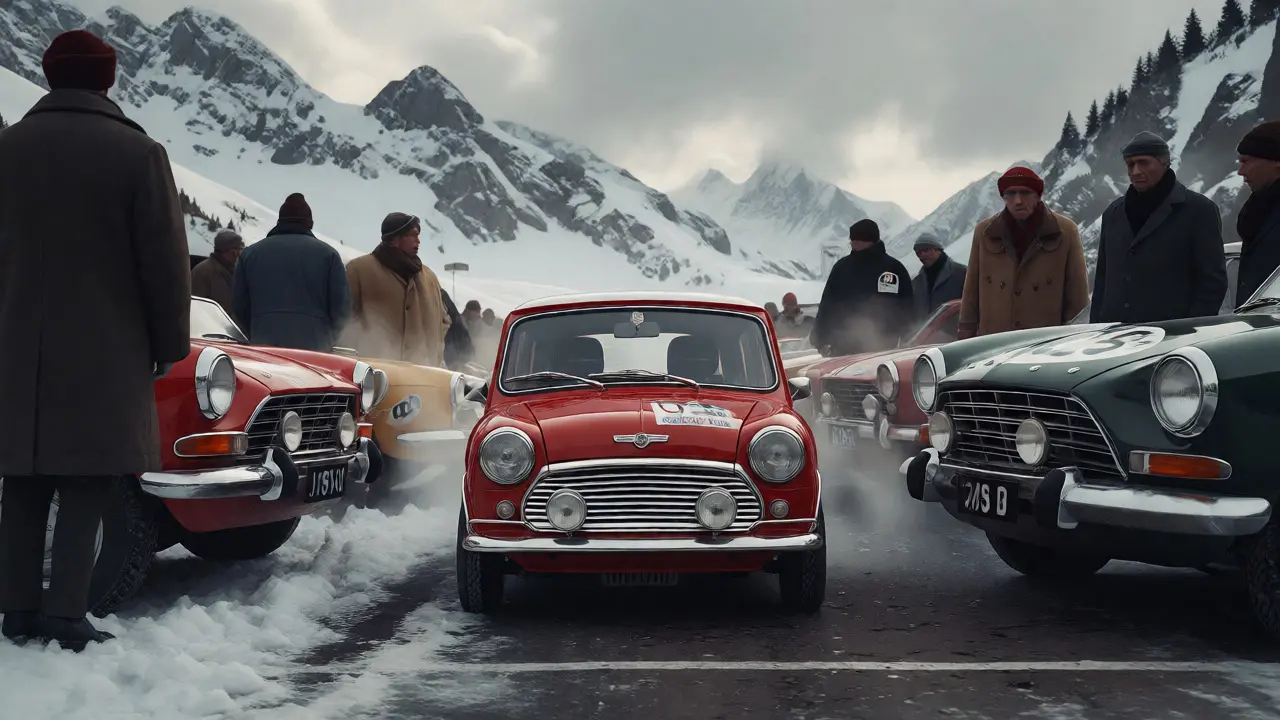
Imagine standing at the start line of the 1965 Monte Carlo Rally. The air is freezing, the roads are slick with ice, and around you sit massive Ford Falcons and sleek Citroëns. Then there’s the Mini Cooper, a tiny box on wheels that looks like it belongs in a nursery rhyme rather than a race. Yet, when the dust settled, this underdog didn’t just finish; it won. This isn’t just a feel-good story about David beating Goliath. It’s a masterclass in engineering ingenuity and strategic risk-taking by the British Motor Corporation (BMC). How did they turn a budget commuter car into one of the most feared machines in rallying history?
The Engineering Miracle: Transverse Engine Magic
To understand how a small car dominated big rallies, you have to look under the hood. In the early 1960s, most rally cars were rear-wheel-drive beasts with longitudinal engines. They were heavy, complex, and often unwieldy on tight, twisty mountain passes. BMC’s engineer Alec Issigonis had designed the original Mini for city commuting, prioritizing space efficiency over power. But racing driver and engineer John Cooper saw potential where others saw limitations.
Cooper collaborated with BMC to create the Mini Cooper S. The genius lay in the layout. By mounting the engine transversely (sideways) across the front of the car, they freed up 80% of the vehicle's footprint for passengers and luggage. For rallying, this meant a shorter wheelbase and incredibly low center of gravity. When you throw a long wheelbase car into a hairpin, it wants to plow wide. The Mini? It pivots. It darts. It handles corners with a agility that larger cars simply couldn’t match on narrow Alpine roads.
But agility alone doesn’t win races against 3-liter V8s. You need traction. The Mini’s light weight-around 1,400 pounds compared to the 2,500+ pounds of its competitors-meant less inertia. Less inertia means faster acceleration out of corners. On snow and ice, where grip is scarce, lighter cars often fare better because they break traction later and recover faster. It was physics working in favor of the little guy.
The Monte Carlo Shockwave: 1964 and 1965
The first real shock came in 1964. A team of Minis entered the Monte Carlo Rally, an event known for its brutal mix of tarmac, snow, and ice. Most experts dismissed them as novelty entries. Then, Paddy Hopkirk, driving a Mini Cooper S, began setting blistering times on the special stages. He wasn’t just keeping up; he was posting the fastest times against cars twice his size and power.
The result? Third place overall. It was a wake-up call. The motoring press went wild. How could a car with a modest 1,071cc engine challenge the mighty Ford Falcon Sprint? The answer was simple: the rally route favored technical skill and cornering speed over raw horsepower. The Mini exploited every twist and turn while heavier cars struggled to carry their momentum through the bends.
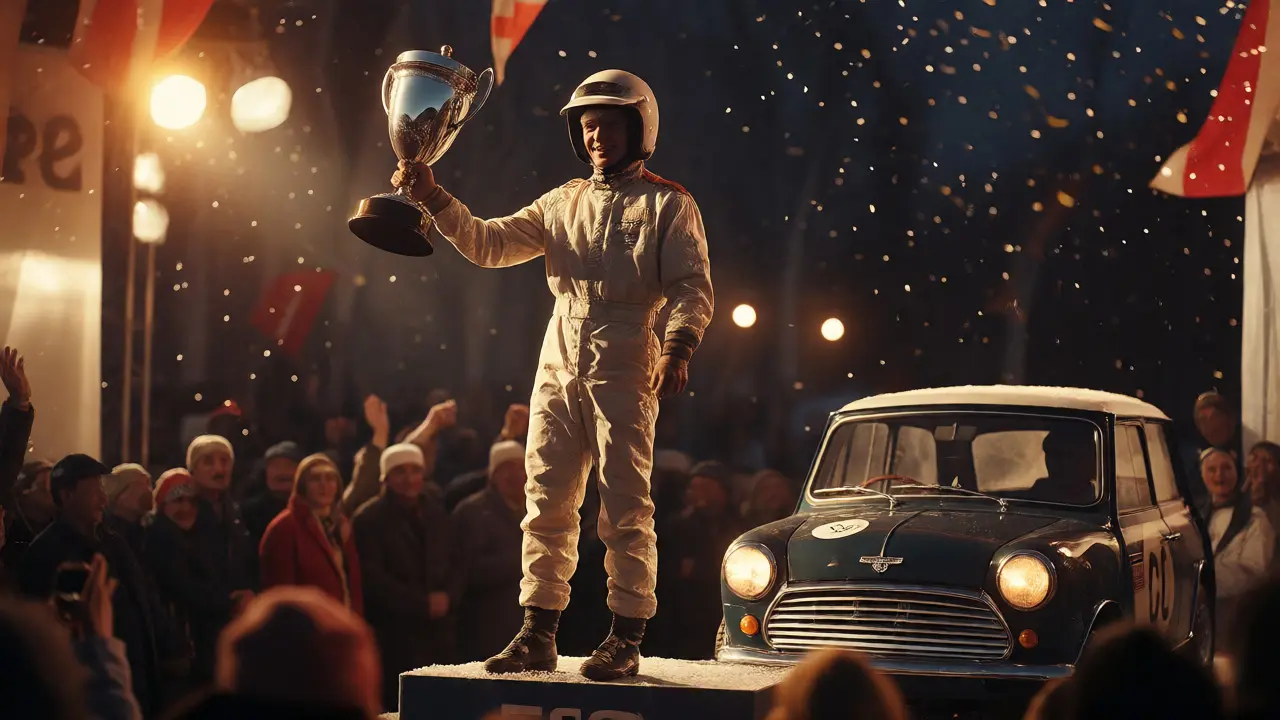
By 1965, BMC was ready to prove it wasn’t a fluke. They backed three factory-supported Minis. The star of the show was Paddy Hopkirk again, paired with navigator Henry Liddon. They drove with surgical precision, navigating the treacherous conditions that claimed many favorites. When the final results were posted, Hopkirk stood atop the podium. He had done the impossible. A sub-1,100cc car had beaten the world’s best rally drivers in their most powerful machines.
| Driver | Car | Engine Size | Weight (approx.) | Result |
|---|---|---|---|---|
| Paddy Hopkirk | Mini Cooper S | 1,071 cc | 1,400 lbs | 1st Place |
| Timo Mäkinen | Volvo PV544 | 1,600 cc | 2,200 lbs | 2nd Place |
| Pauli Toivonen | Citroën DS21 | 2,175 cc | 2,600 lbs | 3rd Place |
| Bo Ljungfeldt | Volvo PV544 | 1,600 lbs | 2,200 lbs | 4th Place |
BMC’s Marketing Genius: Selling Victory
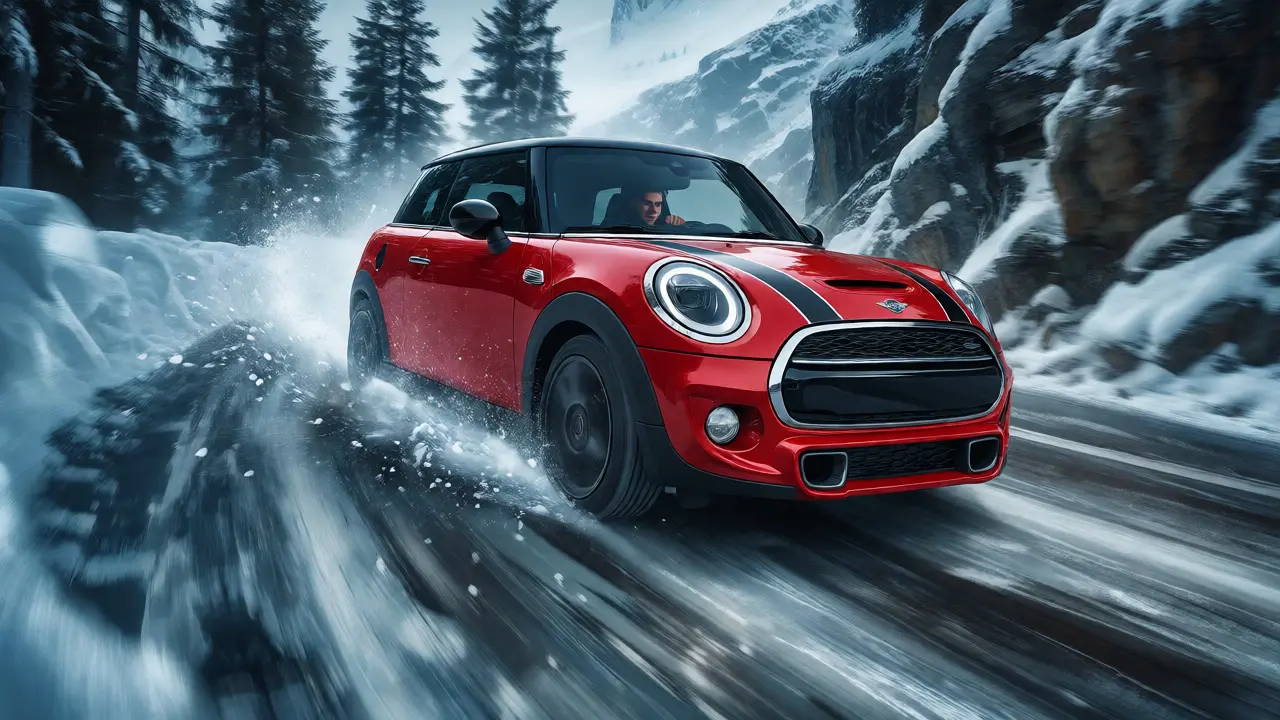
Winning a rally is hard. Making people care about it is harder. This is where BMC’s marketing department earned their keep. They didn’t just sell a car; they sold a narrative. The "Giant Killer" image stuck because it resonated with the public’s love for underdogs. Every victory was framed not just as a sporting achievement, but as a triumph of clever design over brute force.
They leveraged the media aggressively. Newspapers ran headlines like "The Little Car That Could." Television coverage highlighted the dramatic moments when Minis slid past larger competitors on icy corners. This visibility translated directly into sales. In the years following the Monte Carlo wins, Mini production skyrocketed. People wanted to own a piece of that winning spirit. The car became a cultural icon, featured in films like *The Italian Job*, cementing its status beyond the racetrack.
It wasn’t just about advertising spend. It was about authenticity. The cars winning rallies were nearly identical to the ones sold in dealerships. If you bought a Mini Cooper S, you were buying the same fundamental machine that Paddy Hopkirk drove. This connection between consumer product and racing success built immense brand loyalty. BMC understood that in motorsport, perception is reality. And the reality was that the Mini was fast, fun, and fearless.
The Controversy: Why Was It Disqualified?
If the story ended in 1965, it would be perfect. But motorsport loves drama. After the 1965 win, other manufacturers complained. They argued that the Mini’s disc brakes gave it an unfair advantage. The rules stated that cars must use components available to the general public. While disc brakes were available, some rivals claimed the specific setup used by BMC’s works team was too specialized.
In 1966, after another strong performance, the FIA (the governing body) disqualified the Mini from the Monte Carlo Rally results. The official reason cited discrepancies in the headlamp specifications, though many suspected political pressure from larger manufacturers like Ford and Volvo. This decision sparked outrage among fans and journalists. It felt like the establishment was trying to crush the upstart.
Despite the disqualification, the legend grew. Fans knew what they had seen. The Mini had proven itself repeatedly. The controversy only added to its mystique, painting BMC as the plucky outsider battling a rigged system. This narrative further strengthened the emotional bond between the car and its owners.
Legacy: More Than Just Wins
The impact of the Mini’s rally success extends far beyond trophy cabinets. It changed how engineers thought about car design. The transverse engine layout became the standard for almost all modern front-wheel-drive cars. Today, whether you drive a Honda Civic, a Volkswagen Golf, or a Toyota Corolla, you’re benefiting from the architecture pioneered by the Mini.
For BMC, the success validated their approach to manufacturing. They proved that efficiency and economy didn’t have to mean boring or slow. This philosophy influenced future models, including the Austin Maxi and later Rover vehicles. Even today, BMW (which owns the Mini brand now) leans heavily on this heritage. Every new Mini generation markets itself on agility and go-kart-like handling, a direct nod to those snowy Alpine victories.
The John Cooper Works division continues to produce high-performance versions of the modern Mini, keeping the spirit alive. When you see a red Mini speeding through city traffic, remember: it carries the DNA of a car that once terrified giants on the world’s toughest rally stages.
Frequently Asked Questions
Why was the Mini Cooper so successful in rallying despite having a small engine?
The Mini’s success came from its lightweight construction, short wheelbase, and low center of gravity. These features provided superior agility and cornering speed, which are crucial on twisty rally stages. Additionally, the transverse engine layout improved weight distribution and traction, allowing the car to accelerate quickly out of corners, compensating for its lack of top-end power.
Who drove the Mini Cooper to victory in the 1965 Monte Carlo Rally?
Paddy Hopkirk, an Irish rally driver, drove the Mini Cooper S to victory in the 1965 Monte Carlo Rally. He navigated the challenging winter conditions with remarkable skill, beating larger and more powerful cars. His co-driver was Henry Liddon.
What role did John Cooper play in the Mini’s racing success?
John Cooper, a renowned Formula One constructor, recognized the Mini’s potential for racing. He collaborated with BMC to enhance the standard Mini’s performance, adding larger brakes, upgraded suspension, and a more powerful engine. The resulting Mini Cooper and Cooper S models were significantly more capable than the standard commuter version, making them competitive in rallies.
Why was the Mini disqualified from the 1966 Monte Carlo Rally?
The Mini was disqualified due to alleged irregularities in its headlamp specifications. Competitors argued that the modifications gave the car an unfair advantage. Although the ruling was controversial and widely criticized by fans and media, it led to rule changes regarding homologation requirements in future seasons.
How did the Mini’s rally success affect its sales?
The rally victories significantly boosted Mini sales. The "Giant Killer" reputation attracted buyers who valued performance and character. BMC effectively marketed these wins, linking the everyday car’s appeal to its racing prowess, which helped establish the Mini as a cultural icon and a bestseller throughout the 1960s.