MG Under SAIC: From Oxford Roots to Chinese Backing and Electric Futures
 Nov, 7 2026
You might think MG is just another badge on a dashboard, but its story is one of the most fascinating twists in modern automotive history. Once a symbol of British sporting elegance, this brand has traveled from the factories of Abingdon to the boardrooms of Shanghai. Today, it’s not just surviving; it’s thriving as a major player in the global electric vehicle market, all thanks to SAIC Motor.
Why does this matter? Because understanding how a dormant British icon was revived by a Chinese giant reveals exactly how the global auto industry works today. It’s no longer about where a car is designed or who owns the logo-it’s about supply chains, technology transfer, and smart branding. If you’re curious about how MG went from near-bankruptcy to selling more EVs than some legacy European brands, you need to look at the partnership between British heritage and Chinese industrial might.
The Golden Age of Abingdon
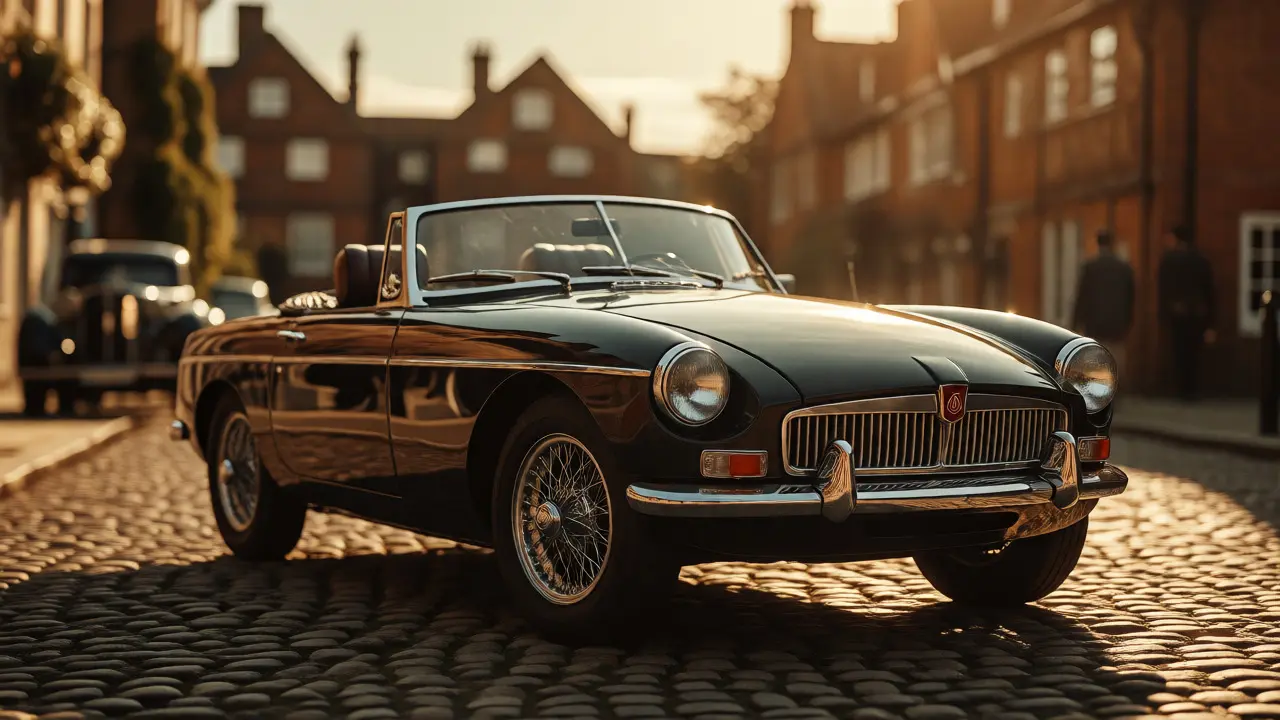
To get why MG means something, you have to rewind to the early 20th century. The brand started life in 1924 when Cecil Kimber modified Morris Garages cars. But it wasn’t until the post-war era that MG became legendary. Think of the MG MGB, a classic roadster known for its simple engineering and open-top fun. These weren’t luxury limos; they were affordable sports cars that let regular people feel like racing drivers. They were exported worldwide, becoming a cultural touchstone in the US and Europe.
But success brought complacency. By the 1970s, British Leyland, the conglomerate that owned MG, was drowning in debt and labor disputes. Quality control plummeted. Rust became synonymous with British cars. When production finally stopped in 1980, it felt like the end of an era. For decades, MG existed mostly in the memories of enthusiasts and the collections of classic car dealers. It was a ghost of its former self, waiting for someone to breathe life back into the nameplate.
Nanoo’s Short-Lived Revival
Before SAIC stepped in, there was Nanjing Automobile Group. In 2005, this Chinese state-owned enterprise bought the rights to MG from the bankrupt MG Rover Group. Their plan? Build cheap versions of old models in China and sell them globally. It worked, sort of. They launched the MG3 and MG6, which were decent budget cars. But Nanjing lacked the financial muscle and technological depth to compete with giants like Toyota or Volkswagen.
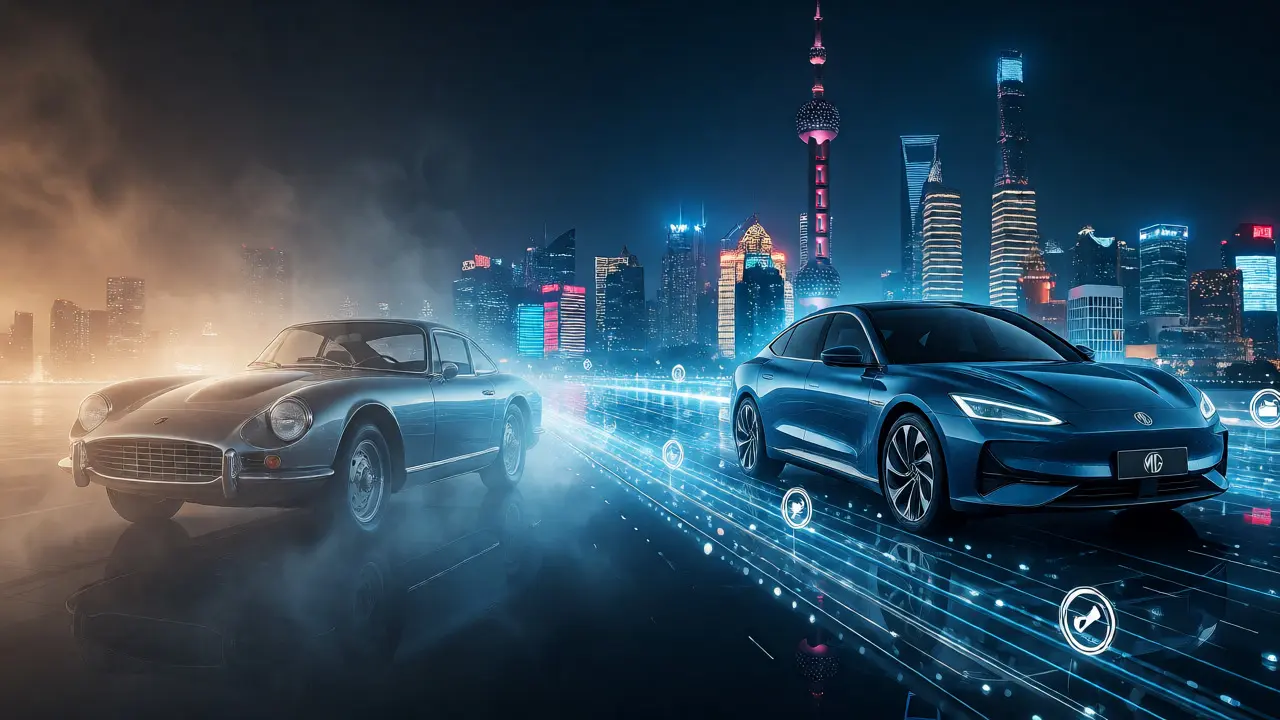
Then came 2007, and everything changed. SAIC Motor, China’s largest automobile manufacturer by sales volume, acquired a controlling stake in Nanjing Auto. This wasn’t just a purchase; it was a strategic masterstroke. SAIC didn’t just want a brand; they wanted access to Western design sensibilities and a foothold in international markets without building their own reputation from scratch. They had the cash, the manufacturing capacity, and the ambition. What they lacked was a story. MG gave them that.
How SAIC Transformed MG
SAIC didn’t try to turn MG into a copy of BMW or Mercedes. Instead, they positioned it as a youthful, value-driven alternative. Here’s how they did it:
- Design Center in London: SAIC kept the design studio in Longbridge, UK. This ensured the cars still looked "British"-stylish, sharp, and distinctive. You can see this in the MG ZS and MG HS.
- Platform Sharing: They used proven platforms from other partners. Early models relied on architecture from Rover and later, shared tech with General Motors through their joint venture.
- Aggressive Pricing: MG cars undercut competitors on price while offering similar features. Why pay extra for a badged Japanese SUV when you can get the same specs in an MG for thousands less?
This strategy paid off. Sales skyrocketed in emerging markets like Thailand, Australia, and India. But the real game-changer was electrification.
The Electric Pivot: MG’s New Identity
If the first decade under SAIC was about survival, the second has been about dominance in the EV space. SAIC invested heavily in battery technology and electric drivetrains. They realized that MG’s affordable image was perfect for bringing EVs to the masses. Enter the MG4 Electric.
The MG4 isn’t just another electric hatchback. It’s built on SAIC’s dedicated NEBULA platform, which allows for flexible battery sizes and rear-wheel-drive configurations. That last part matters. Most budget EVs are front-wheel drive because it’s cheaper. MG stuck with RWD, giving the car better handling and balance-a nod to its sports car roots. In Europe, the MG4 often comes in at €30,000-€35,000, significantly cheaper than rivals like the VW ID.3 or Renault Megane E-Tech.
| Model | Type | Key Feature | Market Position |
|---|---|---|---|
| MG ZS | Compact SUV | Affordable entry-level EV option | Budget-conscious families |
| MG4 Electric | Hatchback | Rear-wheel drive, NEBULA platform | Value-focused EV buyers |
| MG Cyberster | Electric Roadster | Soft-top convertible, performance focus | Enthusiasts seeking nostalgia |
| MG Marvel R | Crossover SUV | All-wheel drive, high-tech interior | Tech-savvy urban drivers |
Global Impact and Controversies
Owning MG hasn’t been without headaches. In countries like the UK and Australia, there’s ongoing debate about whether MG is truly "British." Critics argue that slapping a historic badge on a Chinese-made car dilutes the heritage. Supporters counter that the jobs in the UK design center and the economic activity generated by sales justify the label.
Geopolitics plays a role too. As trade tensions rise between the West and China, brands like MG walk a tightrope. Tariffs on Chinese-made EVs in the EU could hit MG hard, since most of its vehicles are shipped from Shanghai. To mitigate this, SAIC is exploring local assembly options in Southeast Asia and potentially Europe. It’s a chess match, and MG is a key piece.
Yet, consumer behavior tells a different story. People don’t buy MG because of its passport; they buy it because it delivers value. In a world where inflation squeezes household budgets, a reliable, well-equipped EV for under $30,000 is irresistible. MG has tapped into that demand perfectly.
What’s Next for MG?
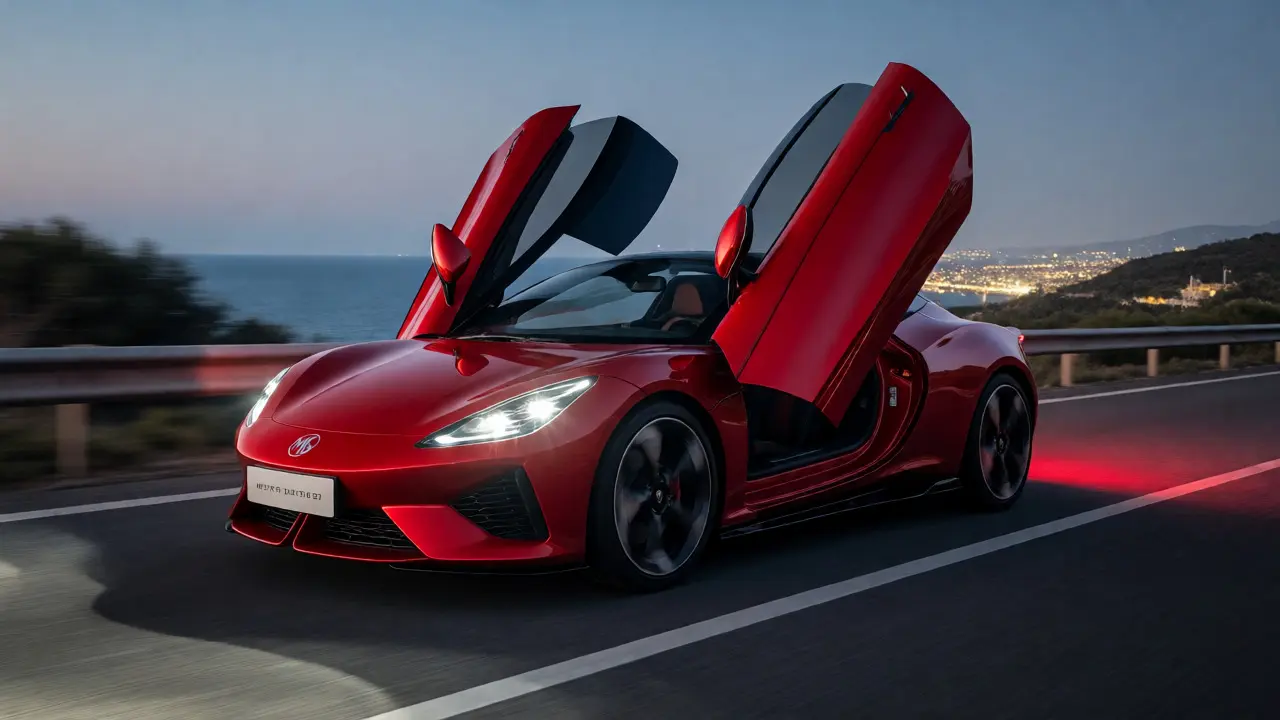
SAIC isn’t slowing down. The upcoming MG Cyberster is a direct callback to the MGB-a two-seater electric roadster with scissor doors. It’s expensive compared to other MGs, but it serves a purpose: keeping the brand’s sporty DNA alive. Meanwhile, SAIC is pushing into hybrid territory with plug-in models for markets where charging infrastructure lags behind.
The long-term goal? Make MG a global mainstream brand, not just a niche player. With SAIC’s resources, they can iterate faster than traditional automakers. If they continue to balance affordability with innovation, MG could become the Toyota of the EV era-ubiquitous, dependable, and everywhere.
Is MG really a British car company?
Historically, yes. Founded in the UK in 1924, MG has deep British roots. However, since 2007, it has been owned by SAIC Motor, a Chinese state-owned enterprise. While design and marketing retain a British flavor, most vehicles are manufactured in China.
Who currently owns MG Motor?
MG Motor is a subsidiary of SAIC Motor Corporation Limited, headquartered in Shanghai, China. SAIC acquired the brand after purchasing Nanjing Automobile Group, which had previously bought the assets from the defunct MG Rover Group.
Are MG electric cars reliable?
Early MG models faced criticism for build quality issues common to budget cars. However, recent EVs like the MG4 have received positive reviews for reliability and value. SAIC has improved manufacturing standards significantly, leveraging experience from partnerships with GM and Volkswagen.
Why did SAIC buy MG?
SAIC sought a recognizable international brand to facilitate global expansion. Owning MG allowed them to enter Western markets with a product that had historical prestige, avoiding the steep cost of building a new brand identity from scratch.
Where are MG cars made?
The majority of MG vehicles are produced in China, primarily at SAIC facilities in Shanghai and Ningbo. Some models are also assembled in Thailand and India to serve regional markets and avoid import tariffs.