MG’s Global Love Story: How a British Brand Built Communities on Every Continent
 Oct, 25 2026
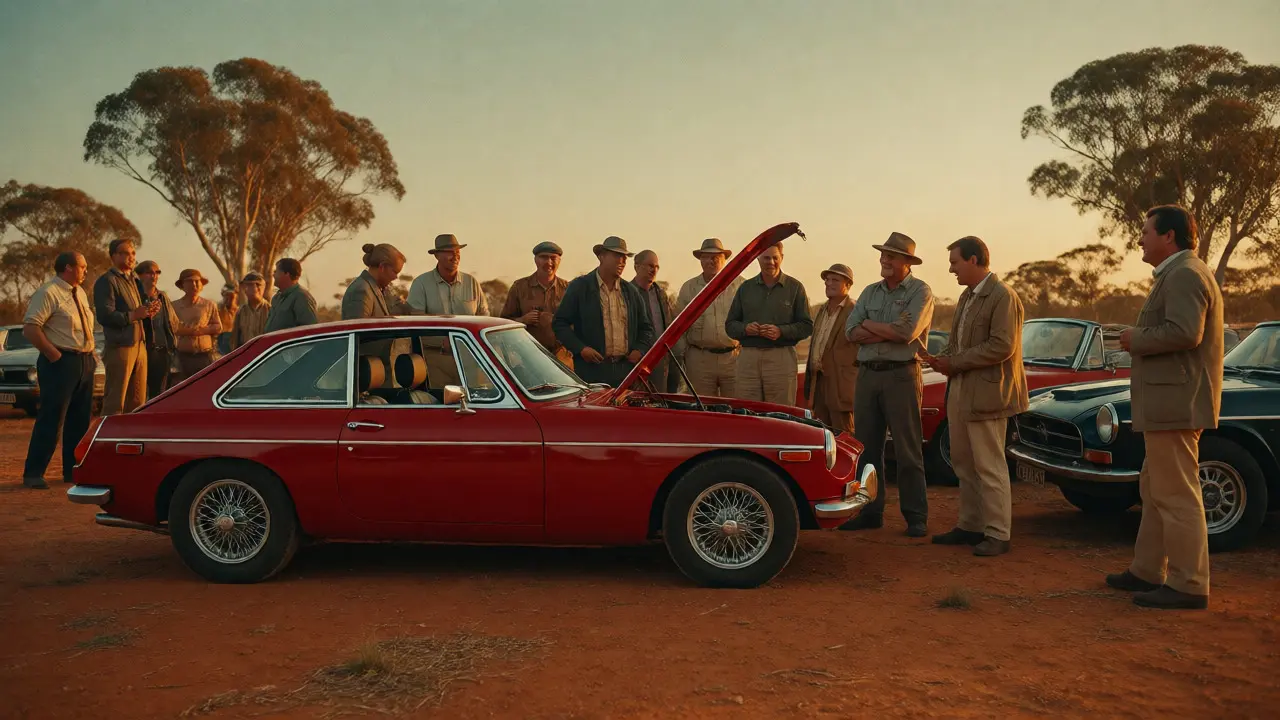
Imagine finding your tribe in the most unlikely places. You’re standing in a dusty paddock in rural Australia, surrounded by people who speak different dialects but share the same obsession with a specific badge on a grille. Or you’re navigating the tight streets of Bangkok, dodging tuk-tuks while trying to keep an old MGB from overheating, only to realize the guy next to you is facing the exact same problem. This isn’t just about cars. It’s about MG, a historic British automotive marque that has transcended its origins to become a global cultural phenomenon. Today, we’re looking at how this brand didn’t just sell vehicles; it built communities on every continent.
Most car brands have customers. MG has believers. The difference is subtle but massive. Customers buy a product and move on. Believers join a movement. If you’ve ever wondered why a brand that spent decades changing hands-going from British ownership to Chinese acquisition-still commands such fierce loyalty, you need to look beyond the spec sheets. You need to look at the human connections forged under the hood.
The DNA of Accessibility and Fun
To understand the global reach, you have to understand the core value proposition. From its early days as Morris Garages, the tuning arm of Morris Motors founded by Cecil Kimber in 1924, MG was never about luxury for the elite. It was about performance for the people. This philosophy created a unique demographic mix. In the 1950s and 60s, an MGA or classic MG roadster model wasn’t just a car; it was a ticket to adventure for teachers, doctors, and engineers who couldn’t afford an Aston Martin but wanted the open-top thrill.
This accessibility is the first pillar of its community strength. Because the cars were affordable, they spread fast. They went where other sports cars couldn’t. A Jaguar E-Type might stay in wealthy suburbs, but an MGB could be found in working-class neighborhoods across the UK, Europe, and eventually the US. This widespread distribution meant that when these owners met, they weren’t separated by class barriers. They were united by a shared experience of driving something simple, mechanical, and engaging.
Surviving the Dark Ages Through Community Support
Let’s be honest: MG had some rough patches. The merger into British Leyland, the state-owned conglomerate formed in 1968 led to quality control issues and a tarnished reputation. By the 1980s, many thought the brand was dead. But here’s the twist: the community kept it alive. While corporate giants struggled with bureaucracy, local clubs stepped up.
In the UK, the MG Car Club, one of the world’s largest single-marque clubs, became more than a social group. It became a technical support network. Members shared parts, knowledge, and labor. If you bought a rusty Midget, you didn’t just get a car; you got access to hundreds of experts who knew exactly which bolt to tighten. This grassroots support system preserved the brand’s relevance during years when sales figures were low. The brand survived because its fans refused to let it die.
| Region | Key Community Activity | Popular Models | Cultural Impact |
|---|---|---|---|
| United Kingdom | Classic restoration meets, national rallies | MGB, MGF, MGA | Preservation of industrial heritage |
| Australia | Outback touring, hot climate modifications | MGB GT, Metro Turbo | Symbol of rugged reliability |
| China | New generation EV adoption, tech-focused forums | MG ZS EV, MG4 | Bridging British heritage with modern tech |
| Thailand | Mass-market sales, motorsport events | MG3, MG ZS | Mainstream acceptance of British styling |
The Australian Connection: A Second Home
If there is one country outside Britain where MG feels like home, it’s Australia. Why? Geography and temperament. Australians love open roads, and they love cars that can handle a bit of abuse. The MGB GT, a coupe version of the classic roadster became a cult icon down under. It wasn’t just about speed; it was about the ability to drive from Sydney to Melbourne without needing a mechanic on every corner (well, mostly).
Australian MG clubs are known for their resilience. They’ve adapted these British classics to harsh outback conditions, adding air conditioning, upgrading cooling systems, and reinforcing suspensions. This adaptation story is powerful. It shows that the community doesn’t just preserve the car; they evolve it to fit their lifestyle. When a British owner sees an Australian MGB thriving in the desert heat, it reinforces the idea that the car is tough, not fragile. This cross-continental validation strengthens the global brand identity.
The Chinese Renaissance: New Tech, Old Soul
Fast forward to 2007. SAIC Motor, a major Chinese state-owned automobile manufacturer acquired the MG brand. Purists panicked. Would the soul of the car disappear? Would it become just another generic appliance?
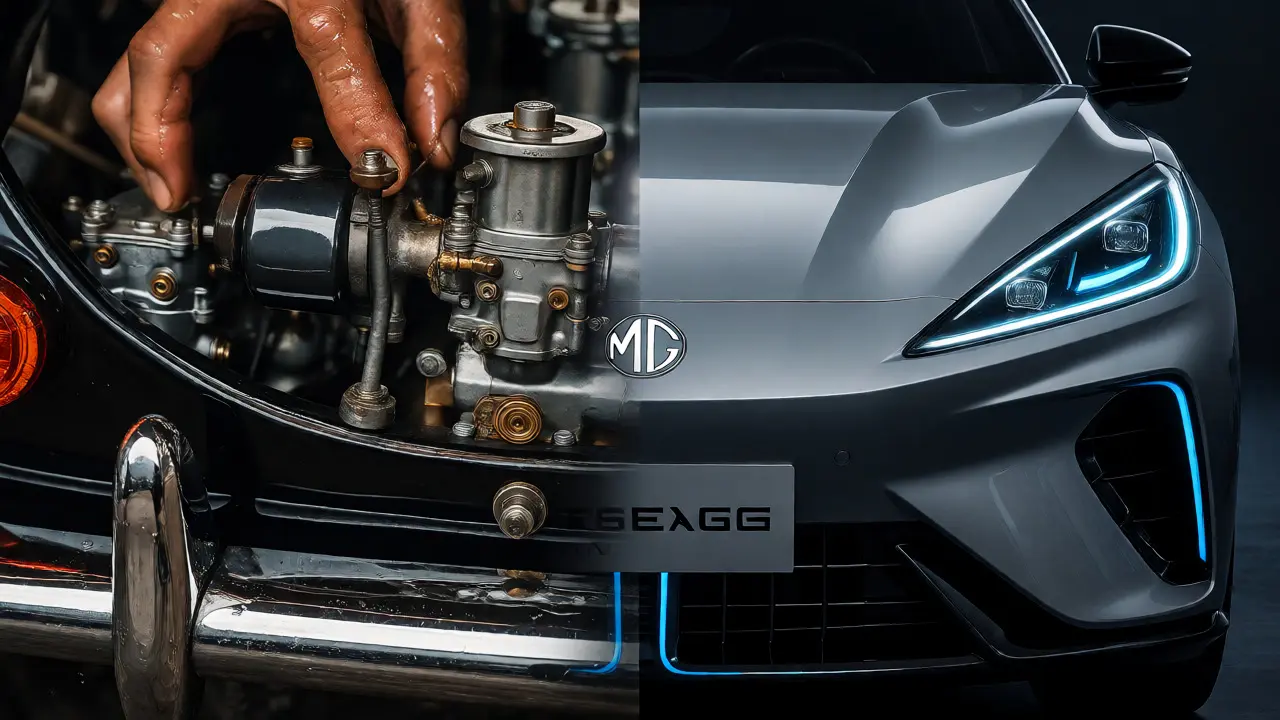
The answer was no, largely because SAIC understood the power of the community. Instead of erasing the past, they leveraged it. They launched models like the MG TF and later the MG Cyberster, an electric roadster paying homage to the original MGB, directly referencing the brand’s sporting roots. More importantly, they engaged the existing fanbase. In China, MG became a gateway for young buyers interested in European design aesthetics without the European price tag.
The new MG community in Asia is digital-first. Forums, WeChat groups, and Instagram pages buzz with discussions about battery range and infotainment software. Yet, the emotional connection remains similar to the classic era: pride in owning something distinctive. The MG4 Electric, a hatchback praised for its handling dynamics, has been hailed by reviewers as a return to form for MG’s driving character. This proves that the community values driving feel over pure specs, keeping the brand’s spirit alive even in the EV age.
Building Bridges Across Continents
What ties all these diverse groups together? It’s the shared language of mechanical sympathy. Whether you’re in Portland, Oregon, or Perth, Australia, talking about MG means talking about carburetors, oil leaks, and the joy of a manual gearbox. These topics create instant rapport.
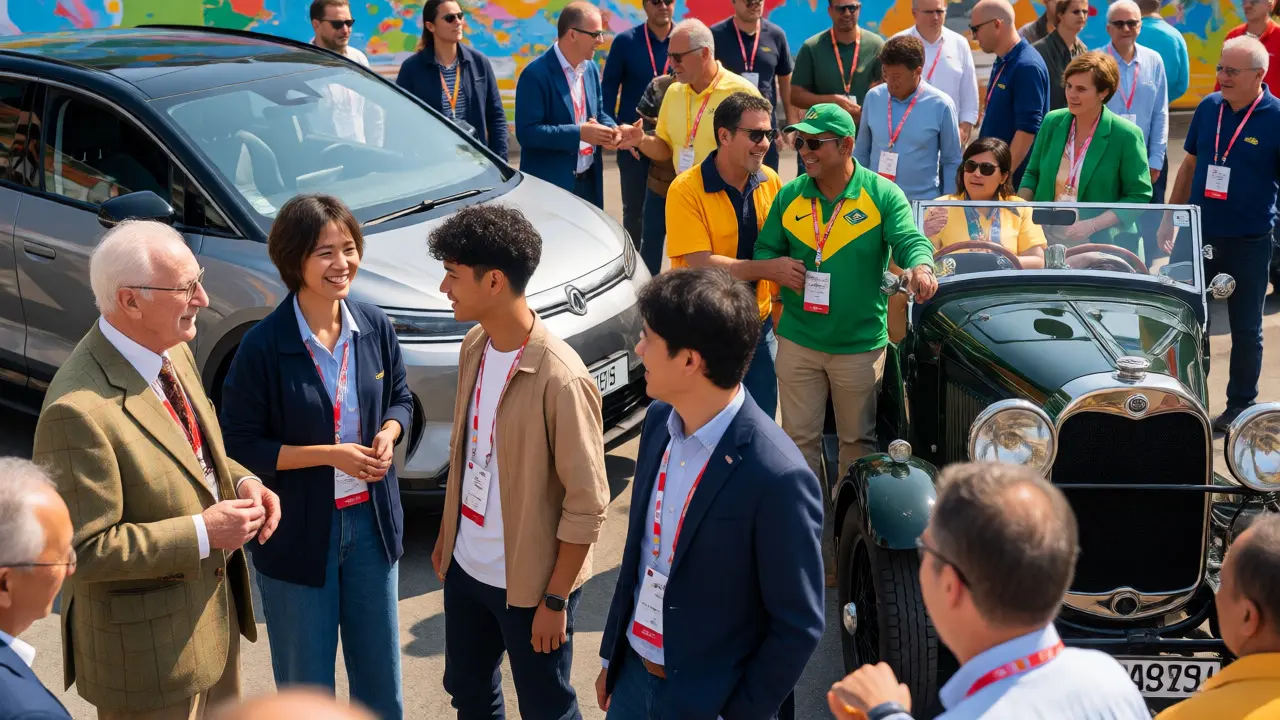
International events play a huge role here. The MG World Conference, a biennial gathering of enthusiasts from around the globe, brings together thousands of owners. At these events, you see the true scope of the brand’s influence. You’ll find a Japanese owner discussing rust prevention techniques with a Brazilian counterpart. You’ll see a young Chinese couple showing off their new EV to an elderly British gentleman who remembers buying his first Midget in 1975. These interactions aren’t just nice anecdotes; they are the glue holding the global brand together.
Furthermore, social media has democratized this connection. Hashtags like #MGCommunity and #DriveMG allow owners to share stories instantly. A breakdown in rural France can lead to advice from a mechanic in Detroit within hours. This real-time global support network makes owning an MG less isolating and more communal.
Why This Matters for Modern Brands
So, what can other companies learn from MG’s journey? First, authenticity matters. MG never tried to pretend it was perfect. It embraced its quirks. Second, empower your users. The brand grew because fans took ownership-literally and figuratively. Third, adaptability wins. From petrol engines to electric motors, the community stayed loyal because the core promise-fun, accessible driving-remained intact.
As we move further into the electric era, the definition of a car community is changing. It’s less about fixing things yourself and more about sharing experiences. But the underlying desire for connection hasn’t changed. People still want to belong to something bigger than themselves. For MG, that “something” is a century-old badge that promises adventure. And as long as people crave that adventure, the community will keep growing, one mile at a time.
Is MG still considered a British brand?
Technically, MG is owned by the Chinese company SAIC Motor. However, the brand retains strong British heritage elements, including design centers in London and historical ties to Abingdon. Most enthusiasts view it as a global brand with British roots rather than strictly British or Chinese.
Which MG model has the largest global community?
The MGB is widely regarded as having the largest and most active classic community worldwide due to its production run from 1962 to 1980 and its affordability. Among modern models, the MG ZS and MG4 are rapidly building large user bases, particularly in Europe, Australia, and Southeast Asia.
How do MG clubs operate internationally?
While there are national clubs like the MG Car Club in the UK, international interaction happens through online forums, social media groups, and events like the MG World Conference. Owners often travel to attend regional meets, fostering cross-border friendships and knowledge exchange.
Did the change in ownership affect MG's reliability?
Reliability perceptions vary by era. Classic MGs required regular maintenance and tolerance for minor faults. Modern MGs, produced under SAIC, generally offer better build quality and reliability comparable to mainstream competitors, though early modern models faced teething issues that were largely resolved in recent years.
Why is MG popular in Thailand and Australia?
In Australia, MG gained popularity due to the durability of models like the MGB GT and the brand's focus on value-for-money sports cars. In Thailand, MG's success is driven by competitive pricing, stylish designs, and aggressive marketing that positions the brand as a premium yet accessible option in a market dominated by Japanese manufacturers.