McLaren Automotive Since 2010: How the British Supercar Startup Scaled Fast
 Aug, 24 2026
Most people think of McLaren Automotive as a legacy brand with decades of racing pedigree. But if you look at the corporate timeline, it is actually a young company. The current entity was spun off from McLaren Group in 2010, making it one of the most aggressive "startups" in the high-performance vehicle sector. It didn't just enter the market; it disrupted the established order of Ferrari and Lamborghini by leveraging modern software architecture and lean manufacturing principles.
The 2010 Spin-Off: A Clean Slate Strategy
In 2010, Ron Dennis and the McLaren Group decided to separate the road car division from the Formula One team. This wasn't just an administrative change; it was a strategic pivot. By creating McLaren Automotive as a standalone entity, leadership could focus purely on consumer profitability rather than racing sponsorship. The goal was clear: build a brand that could compete on technology and design, not just heritage.
This separation allowed the new company to adopt a "startup mindset." They weren't burdened by the historical debt of older manufacturers. Instead, they treated every model as a product launch, focusing on user experience, digital integration, and global distribution networks. This approach set the stage for their rapid expansion over the next decade.
Engineering First: The MP4-12C Foundation
The first major product from this new era was the MP4-12C, launched in 2011. Unlike its competitors who often relied on aluminum or steel, McLaren bet big on carbon fiber. The MonoCell II chassis made the car lighter and stiffer than anything else on the road. This wasn't just marketing fluff; it translated directly into performance metrics that surprised even seasoned journalists.
- Weight Reduction: The carbon monocoque saved approximately 15% weight compared to aluminum equivalents.
- Performance: It hit 60 mph in under 3 seconds, matching cars that cost significantly more.
- Manufacturing: The production line in Woking was designed for flexibility, allowing for custom orders without slowing down standard builds.
This engineering-first philosophy became the core identity of the brand. Every subsequent model built upon this foundation, proving that a "new" company could out-engineer giants with 80 years of history.
Scaling Production Without Losing Quality
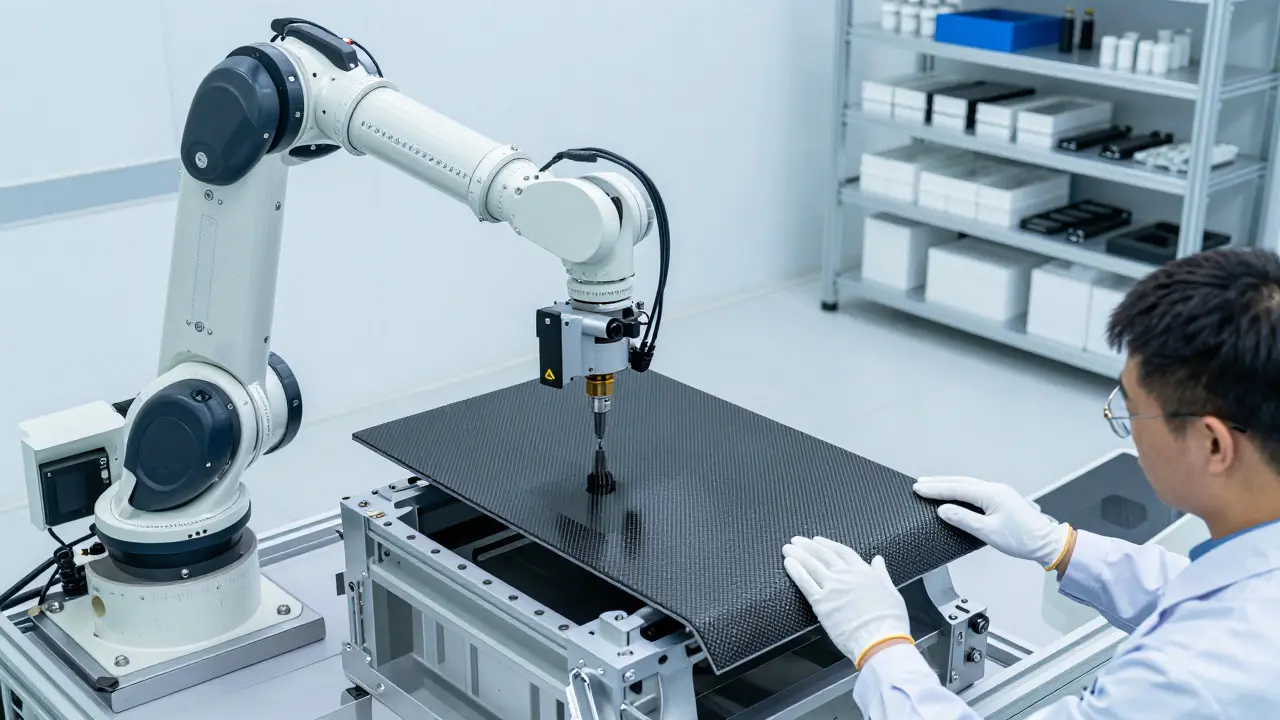
The biggest challenge for any luxury startup is scale. How do you increase output without diluting the exclusivity? McLaren solved this by automating the carbon fiber layup process. Traditional methods required hand-laying fibers, which was slow and prone to human error. McLaren invested heavily in robotic automation for the initial stages, then used skilled artisans for the final assembly.
This hybrid approach allowed them to ramp up production from a few hundred units a year to over 3,000 within five years. For context, many traditional supercar makers struggle to exceed 5,000 units annually. McLaren achieved this growth while maintaining waitlists, a sign of strong demand management. They didn't chase volume; they chased margin and brand equity.
Diversifying the Lineup: From Road Cars to SUVs
By the mid-2010s, the supercar market was maturing. To sustain growth, McLaren needed to broaden its appeal. The introduction of the 570S in 2015 marked a shift toward accessibility. It was cheaper, easier to drive, and targeted a younger demographic. This move doubled the potential customer base without alienating purists.
Then came the controversial but successful entry into the SUV segment with the Artura (hybrid) and later the dedicated SUV models. Critics called it a betrayal of the brand's DNA, but the data told a different story. SUVs accounted for a significant portion of revenue, providing the cash flow needed to fund R&D for hypercars like the Speedtail. This financial resilience is a hallmark of successful scaling strategies.
Global Expansion and Digital Transformation
Scaling fast also means going global. McLaren established direct sales centers in key markets like the US, China, and the Middle East. Unlike traditional dealerships, these centers offered a curated experience, blending retail with hospitality. Customers could customize their cars in real-time using digital configurators, reducing lead times and increasing satisfaction.
The company also embraced digital ownership. Connected car features, over-the-air updates, and a robust app ecosystem kept owners engaged long after delivery. This focus on the post-purchase experience helped build a loyal community, driving word-of-mouth referrals that are crucial in the luxury sector.

Financial Performance and Market Position
The results of this strategy are visible in the financial reports. Since 2010, McLaren Automotive has consistently posted positive EBITDA margins, a rarity in the automotive industry. Their stock price, listed on the London Stock Exchange, reflects investor confidence in their ability to sustain growth. Compared to peers, they offer a higher return on assets due to their lean overhead and high-margin products.
| Metric | McLaren Automotive | Ferrari | Lamborghini |
|---|---|---|---|
| Founded (Current Entity) | 2010 | 1947 | 1963 |
| Primary Chassis Material | Carbon Fiber | Aluminum/Steel | Aluminum/Steel |
| Annual Production Capacity | ~4,000+ | ~13,000 | ~10,000 |
| Key Differentiator | Technology & Agility | Heritage & Brand | Design & Volume |
Lessons for Modern Business Leaders
McLaren’s journey offers valuable insights for any organization looking to scale quickly. First, define your core competency clearly-in this case, carbon fiber engineering. Second, invest in technology that improves both product quality and operational efficiency. Third, don’t be afraid to expand into adjacent categories if the core business provides enough cash flow. Finally, prioritize the customer experience from day one, especially in premium markets where loyalty drives long-term success.
As we look toward 2026, McLaren continues to evolve with electrification and hybrid powertrains. The startup spirit remains intact, proving that age doesn't matter when you have the right strategy and execution.
Why is McLaren considered a startup despite its racing history?
While the McLaren name dates back to the 1960s, the current road car division, McLaren Automotive, was legally separated and restructured as a distinct business entity in 2010. This fresh start allowed them to adopt modern startup methodologies, such as agile development and digital-first sales, distinguishing them from their longer-established competitors.
What makes McLaren's carbon fiber technology superior?
McLaren uses a proprietary carbon fiber monocoque that is lighter and stiffer than traditional aluminum or steel structures. This reduces overall vehicle weight, improving acceleration, braking, and handling. Additionally, their automated manufacturing process ensures consistent quality across all units, unlike hand-built components which can vary.
How did McLaren scale production so quickly?
They combined robotic automation for heavy structural parts with skilled manual labor for finishing touches. This hybrid approach increased throughput without sacrificing the bespoke feel expected by customers. Strategic investments in supply chain logistics also minimized downtime, allowing them to double output within five years of launch.
Is McLaren profitable compared to other luxury car brands?
Yes, McLaren Automotive has consistently reported positive EBITDA margins since its inception. Their high-price-point vehicles and low-volume, high-margin strategy contribute to strong profitability, often outperforming larger rivals in terms of return on assets due to lower overhead costs.
What is the future outlook for McLaren Automotive?
The company is currently transitioning toward electrification, introducing hybrid and fully electric models. With a solid financial base and a growing global footprint, analysts expect continued growth as they capture the emerging market for sustainable high-performance vehicles.