Lotus and Geely: How a British Performance Brand Re-tools for Electrification
 Aug, 17 2026
Imagine holding the keys to a car that feels like it was built by monks in Hethel, yet runs on software developed in Ningbo. That is the reality of Lotus today. It is no longer just the lightweight sports car icon from the 1950s; it is now a global entity deeply integrated into the Geely Holding Group ecosystem. For enthusiasts and buyers alike, this shift raises a critical question: does Chinese ownership kill the soul of a British brand, or does it provide the fuel needed to survive the electric transition?
The Strategic Pivot: Why Lotus Needed a Partner
To understand the current dynamic, we have to look at the financial tightrope Lotus walked before 2017. The brand had iconic models like the Elise and Exige, but its revenue was capped by low production volumes. Building high-performance cars requires massive R&D investment, something a niche manufacturer struggles to fund alone. Enter Geely, which acquired a controlling stake in 2017. This wasn't just a cash injection; it was an access pass to one of the world's most advanced automotive supply chains.
Geely is a major Chinese automotive conglomerate known for owning brands like Volvo, Polestar, and Lynk & Co. By joining this family, Lotus gained immediate access to shared platforms, battery technology, and manufacturing expertise. The strategy was clear: leverage Geely’s scale to lower costs while maintaining Lotus’s distinct engineering identity. It is a classic case of using corporate muscle to protect creative independence.
The Engineering Shift: From Lightness to Software
Historically, Lotus’s magic formula was simple: make it light, then add power. Colin Chapman’s philosophy relied on reducing weight to improve handling. But electrification changes the rules. Batteries are heavy. To keep the driving experience sharp, Lotus had to rethink its approach entirely. They couldn’t just bolt batteries onto old chassis designs; they needed new architectures.
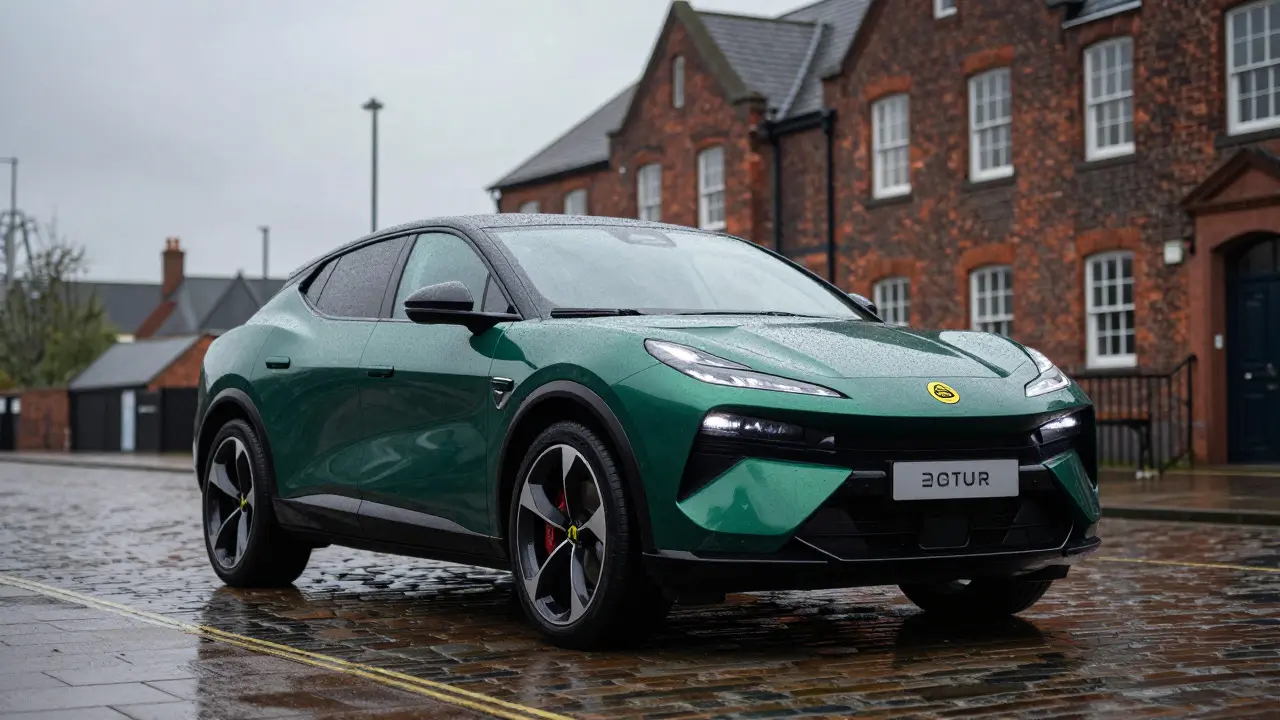
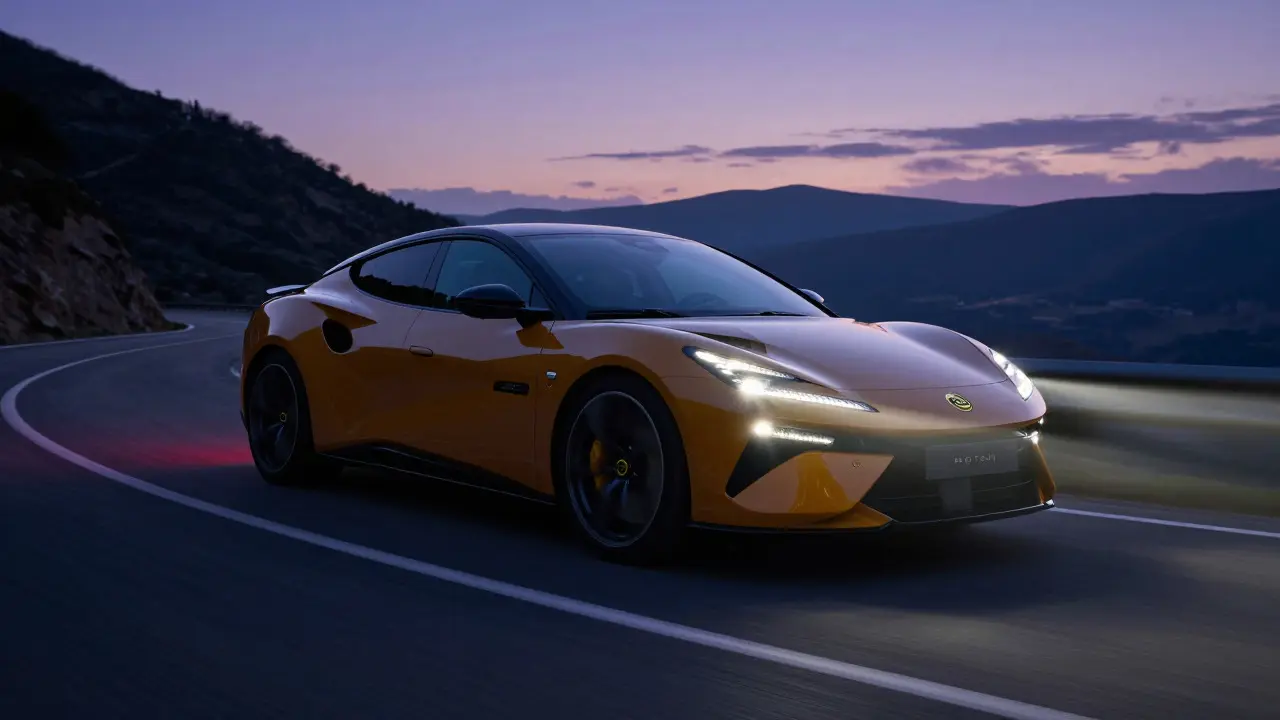
This is where the partnership with Geely proved crucial. Lotus developed the Eletre, their first fully electric SUV, and the upcoming Emeya, a grand tourer. Both vehicles utilize a dedicated electric architecture that allows for optimized weight distribution. The Eletre, for instance, features dual-motor all-wheel drive capable of accelerating from 0 to 60 mph in under three seconds. These aren’t just numbers; they represent a fundamental shift in how Lotus engineers performance. Instead of focusing solely on curb weight, the focus has expanded to torque vectoring, software-defined handling, and thermal management of battery packs.
Ownership Experience: What Changes for the Buyer?
If you are considering buying a modern Lotus, the ownership experience looks different than it did twenty years ago. You are no longer buying a car that requires constant mechanical tinkering. Modern Lotuses come with extensive warranty coverage, connected services, and over-the-air update capabilities. This is largely due to the digital infrastructure provided by the Geely group.
However, the exclusivity remains. While Geely owns mass-market brands, Lotus positions itself as a premium performance marque. The service network is expanding globally, but parts availability can still be a consideration for older models. For new EV owners, the situation is more straightforward. Charging infrastructure is handled through standard public networks, and home charging solutions are increasingly standardized. The key takeaway here is reliability. Early reports suggest that the integration of Geely’s quality control processes has reduced early-stage defects compared to previous Lotus generations. You get the badge prestige without the historical maintenance headaches.
| Feature | Legacy Models (e.g., Elise) | Electric Models (e.g., Eletre) |
|---|---|---|
| Powertrain | Naturally aspirated engines | Dual-motor electric drivetrain |
| Primary Focus | Weight reduction | Software and battery efficiency |
| Warranty Support | Basic mechanical coverage | Extended battery and electronics warranty |
| Update Mechanism | Physical modifications only | Over-the-air software updates |
| Target Audience | Purist track drivers | Performance commuters and families |
The Global Supply Chain Reality
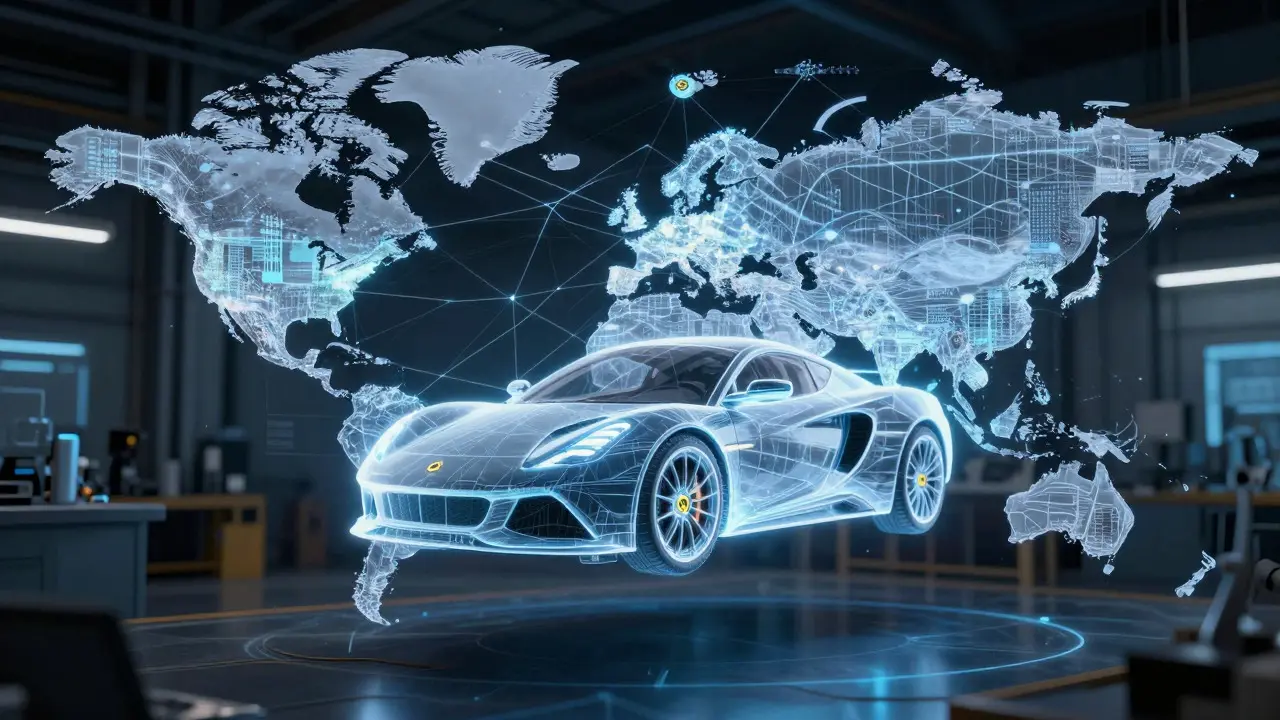
Critics often argue that “British” is just a marketing label if the cars are built elsewhere. And they have a point. The Eletre is manufactured in Wales, but many components come from across Asia. Batteries may be sourced from CATL, a Chinese giant, while electronic systems might originate from other Geely affiliates. Does this matter? For the driver, probably not. What matters is the final assembly quality and the tuning of the car. The real advantage of the Geely connection is speed. In the EV market, iteration is everything. A standalone brand might take five years to develop a new battery management system. With Geely’s resources, Lotus can test, fail, and refine faster. This agility is essential in a market where competitors like Porsche and Tesla are constantly updating their offerings. The result is a car that feels more “finished” out of the box, with fewer bugs in the infotainment or driving dynamics software.
Future Outlook: Can Lotus Keep Its Identity?
The challenge ahead is balancing volume with exclusivity. Geely wants growth, but Lotus needs to remain desirable. If they start producing too many cars, the sense of rarity disappears. The brand is currently walking a fine line, introducing SUVs and GTs to broaden its appeal while keeping the core sports car spirit alive in its design language. For the owner, this means a stable future. The risk of bankruptcy that haunted independent manufacturers is gone. You are buying into a backed brand with deep pockets. However, you must accept that the car is part of a larger corporate machine. The raw, unpolished charm of the old days is replaced by polished, tech-heavy precision. Whether that is a loss or a gain depends on what you value in your driving experience. If you want a project car, look at used classics. If you want a reliable, high-performance daily driver with a storied heritage, the new Lotus is ready.
Frequently Asked Questions
Is Lotus still a British company?
Yes, Lotus Cars Ltd is headquartered in the UK and manufactures its vehicles in Hethel, England. However, it is owned by the Chinese Geely Holding Group, which provides significant financial and technical support.
Are Lotus EVs better than their gas predecessors?
They offer different strengths. Gas models like the Emira are praised for their analog driving feel and weight. EVs like the Eletre offer superior acceleration, quietness, and modern technology, making them more practical for daily use while retaining performance credentials.
Does Geely interference affect Lotus design?
Design remains largely in-house in the UK. Geely influences platform choices and cost structures, but the aesthetic and aerodynamic signature is controlled by Lotus designers to maintain brand distinctiveness.
What is the warranty on a new Lotus electric vehicle?
New electric Lotuses typically come with a comprehensive warranty covering the vehicle for several years and the battery pack for a longer period, often around eight years, ensuring long-term reliability for owners.
Can I buy a Lotus in countries outside Europe and the US?
Yes, Lotus has a global dealer network. Thanks to Geely’s international reach, Lotus is available in many Asian, Middle Eastern, and European markets, though specific model availability may vary by region.