Lotus 79: How British Ground Effect Mastery Changed F1
 Nov, 25 2026
Imagine driving a car that feels glued to the road, not because of grip from the tires alone, but because the air itself is pushing it down. That was the terrifying and exhilarating reality for drivers in the late 1970s. The Lotus 79 wasn't just another race car; it was the machine that proved ground effect was the future of racing. Before this black-and-gold beast hit the track, engineers treated aerodynamics as an afterthought-something you added if you had time. After the Lotus 79 dominated the 1978 season, everyone knew they were wrong.
This isn't just a story about winning races. It's about how a small team in Hethel, England, outsmarted the giant manufacturers by understanding physics better than anyone else. If you've ever wondered why modern cars look so low and wide, or why spoilers actually work, you need to understand what happened with the Lotus 79. It changed the fundamental rules of motorsport success.
The Physics of Sticking to the Road
To get why the Lotus 79 was such a big deal, you have to forget everything you know about spoilers on street cars. Most people think a spoiler works like an airplane wing upside down. Air flows over the top, creating high pressure that pushes the car down. While that’s true for a rear wing, it’s only half the story. The real magic of the Lotus 79 came from underneath.
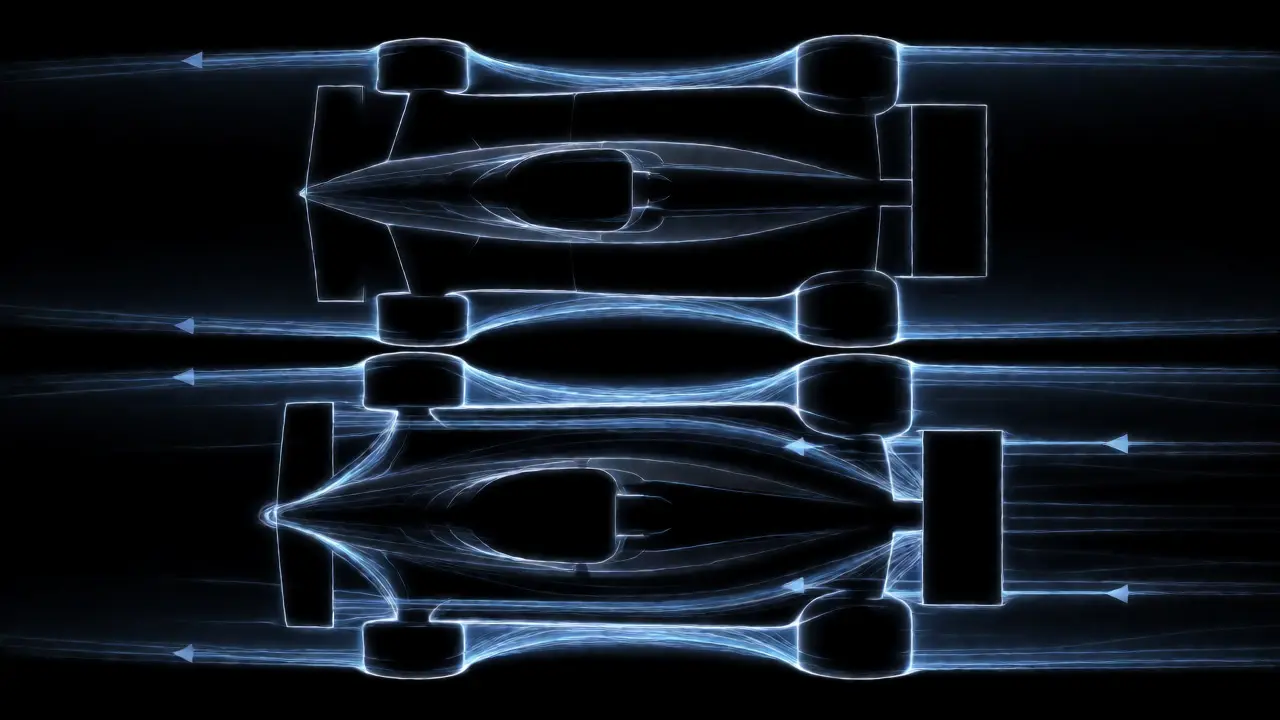
Ground effect is a phenomenon where aerodynamic downforce increases significantly when a vehicle operates close to the ground. Think of it like two sheets of paper held parallel to each other. Blow air between them, and they snap together. Why? Because the fast-moving air between the papers creates lower pressure than the still air outside. Nature hates a vacuum, so the higher pressure outside pushes the papers inward.
Engineers realized that if they could create a similar low-pressure zone under a race car, the weight of the atmosphere above would press the car into the asphalt. This meant more grip without adding heavy weights. More grip means faster cornering speeds. Faster cornering speeds mean lap times drop dramatically. But there was a catch: the gap between the car and the track had to be tiny. Too big, and you lose the effect. Too small, and you crash into a bump. Balancing this was the engineering nightmare that defined the era.
Colin Chapman’s Obsession with Weight
You can’t talk about the Lotus 79 without talking about Colin Chapman. He was the founder of Team Lotus and arguably the most brilliant, difficult engineer in racing history. His philosophy was simple: "Simplify, then add lightness." While other teams were building massive V12 engines and complex chassis, Chapman was shaving grams off bolts.
Chapman saw ground effect not just as a way to go faster, but as a way to make lighter cars viable. If you can generate enough downforce from the shape of the car, you don't need huge wings at the back. Huge wings create drag, which slows you down on straights. By moving the downforce generation to the underside, Chapman created a package that was fast in corners *and* fast on straights. It was a masterstroke of efficiency.
He didn't do it alone, though. The actual implementation of the ground effect tunnels fell to his team of designers, including Martin Ogilvie and Tony Rudd. They worked tirelessly to refine the shape of the sidepods. Early attempts were clumsy. Cars would lift off the ground at speed, losing all their grip instantly. Chapman demanded precision. He wanted the car to behave predictably. This obsession led to the development of active suspension systems later on, but for the Lotus 79, it started with static, carefully sculpted aluminum panels.
The Design That Changed Everything
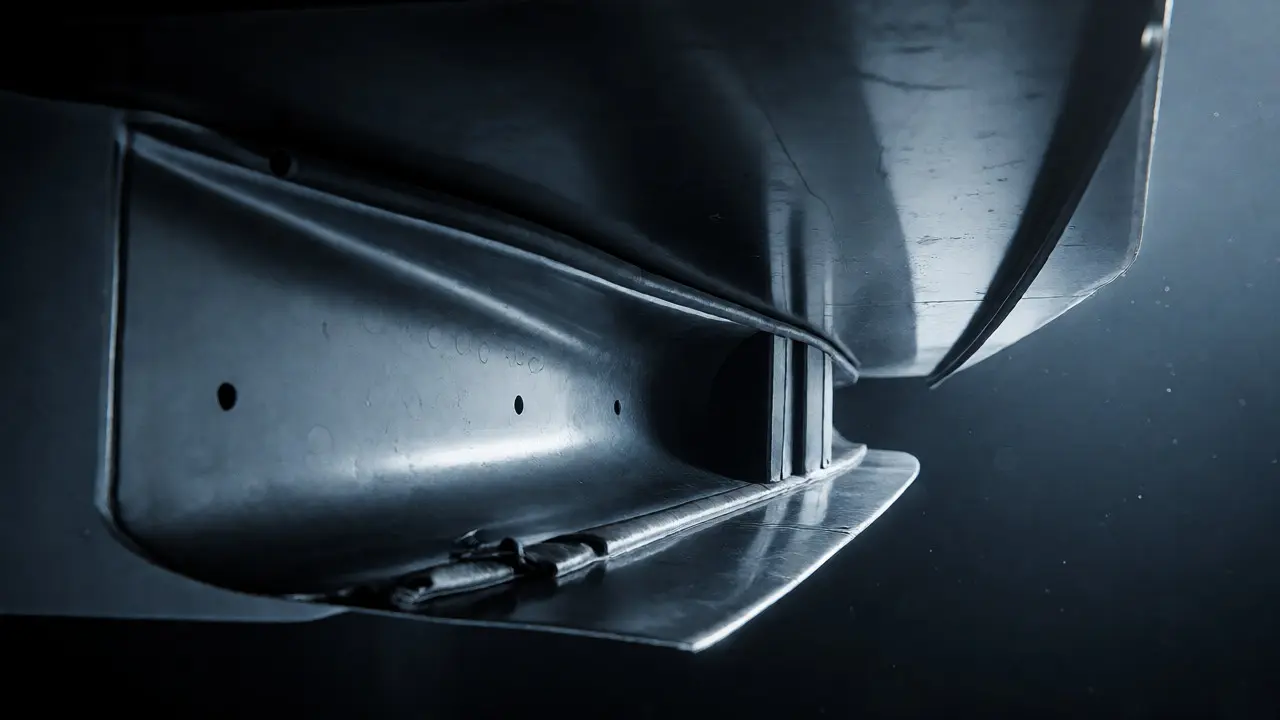
The Lotus 79 looked different from its predecessors. It sat incredibly low. Its sidepods were bulky, housing the Venturi tunnels that accelerated airflow beneath the car. These tunnels narrowed as they went toward the rear, speeding up the air and dropping the pressure. At the very back, flexible skirts sealed the edges. These rubber flaps dragged along the tarmac, preventing high-pressure air from sneaking underneath and ruining the low-pressure zone.
| Feature | Traditional F1 Car (Mid-70s) | Lotus 79 |
|---|---|---|
| Aerodynamic Focus | Rear Wing & Body Shape | Underbody Venturi Tunnels |
| Downforce Source | High Pressure on Top | Low Pressure Underneath |
| Drag Coefficient | Higher (due to large wings) | Lower (cleaner profile) |
| Suspension Complexity | Standard Springs/Dampers | Stiff Setup for Skirt Stability |
| Cornering Speed | Limited by Tire Grip | Boosted by Atmospheric Pressure |
The result was a car that felt alive. Drivers reported that the steering became heavier as they sped up-not because of power steering issues, but because the car was literally being sucked onto the track. Mario Andretti, one of the legends who drove the 79, described it as having no limits. You could push harder and harder, and the car just kept holding on.
Dominance in the 1978 Season
The numbers don't lie. In the 1978 Formula One World Championship, the Lotus 79 won 14 out of 16 races. That’s not a competitive edge; that’s a walkover. Mario Andretti took the driver's title, and Team Lotus secured the constructors' championship with ease. Teams like Ferrari and McLaren were left scrambling to copy the concept.
Why did it dominate so thoroughly? Because the competition was still trying to optimize traditional aerodynamics. They were tweaking wing angles and body shapes, chasing marginal gains. Meanwhile, Lotus had unlocked a new dimension of performance. When a rival team tried to replicate the sidepods, they often failed because they didn't understand the critical role of the skirts and the precise ride height. Copying the look was easy; copying the physics was hard.
There were risks, too. The skirts were fragile. A piece of debris could tear them off, causing the car to suddenly lose all downforce. Drivers had to learn to manage this fragility. It required a new kind of bravery. You weren't just managing speed; you were managing the integrity of your aerodynamic seal. One mistake, and the car would float away from the track like a leaf in the wind.
The Legacy of British Ingenuity
The impact of the Lotus 79 rippled through decades of automotive design. Once the secret was out, every major manufacturer jumped on board. Williams, Brabham, and eventually even the conservative giants like Mercedes adapted ground effect principles. But the core lesson remained: innovation comes from questioning assumptions.
Today, we see echoes of the Lotus 79 everywhere. Modern hypercars use diffusers that are direct descendants of those early Venturi tunnels. Even electric vehicles, which prioritize range, use underbody panels to smooth airflow and reduce drag, improving efficiency. The idea that the space *under* a car is just as important as the space *around* it is now standard practice.
British motorsport culture thrives on this kind of clever engineering. It’s not always about having the biggest budget; it’s about having the smartest solution. The Lotus 79 remains a symbol of that spirit. It proves that sometimes, the biggest breakthroughs come from looking where no one else is looking-in this case, right under your feet.
What exactly is ground effect in racing?
Ground effect is an aerodynamic phenomenon where a vehicle generates significant downforce by creating a low-pressure area underneath it. As air accelerates through narrow channels (Venturi tunnels) between the car's underside and the track, the pressure drops. The higher atmospheric pressure above the car then pushes it downward, increasing tire grip and allowing for much higher cornering speeds compared to cars relying solely on wings.
Why did the Lotus 79 use skirts?
The Lotus 79 used flexible rubber skirts attached to the sides of the car to seal the gap between the underbody and the track surface. Without these skirts, high-pressure air from the sides would rush underneath, disrupting the low-pressure zone created by the Venturi tunnels. The skirts maintained the necessary pressure differential, ensuring consistent downforce as long as the car remained close to the ground.
Who designed the Lotus 79?
The Lotus 79 was developed under the leadership of Colin Chapman, the founder of Team Lotus. Key technical contributions came from chief designer Martin Ogilvie and technical director Tony Rudd. Their collaboration focused on integrating the ground effect tunnels into a lightweight monocoque chassis, balancing aerodynamic efficiency with structural rigidity.
Was ground effect dangerous?
Yes, ground effect could be dangerous. If the car lifted off the ground due to a bump or crest, the low-pressure zone would collapse instantly, causing a sudden loss of downforce. This could lead to the car becoming unstable or airborne. Additionally, the rigid suspension required to maintain the correct ride height made the cars extremely uncomfortable and physically demanding for drivers.
Why was ground effect banned in F1?
The FIA introduced flat-bottom regulations starting in 1983 to curb excessive speeds caused by ground effect. Officials were concerned about safety, as cars were reaching unprecedented cornering speeds that pushed human and mechanical limits. By mandating a stepped floor, they reduced the ability to generate massive underbody downforce, bringing speeds back to a manageable level while preserving the spectacle of wheel-to-wheel racing.