JLR Integration: How Jaguar and Land Rover Became a British Luxury Powerhouse
 Sep, 10 2026
For decades, Jaguar and Land Rover existed in separate orbits. One was the soul of British sports car elegance; the other, the rugged backbone of off-road utility. They shared a factory floor occasionally, but rarely a philosophy. Then came 2008. When Tata Motors bought both brands from Ford for $2.3 billion, skeptics predicted a slow death for these British icons. Instead, something unexpected happened. The forced marriage didn’t dilute their identities-it sharpened them. Today, as we look at Jaguar Land Rover (JLR) in 2026, it’s clear that this integration wasn’t just about saving jobs or keeping factories open. It was a strategic masterclass in how global ownership can strengthen, rather than erase, local heritage.
The Pre-Integration Chaos
To understand why the reunion worked, you have to remember how broken things were before. In the late 1990s and early 2000s, under BMW and then Ford’s stewardship, Jaguar and Land Rover were treated like stepchildren. Ford owned them, sure, but its heart was in America. The focus was on volume, not prestige. Parts sharing between the two brands was minimal, leading to duplicated engineering costs and inconsistent quality control. If you owned a Jaguar X-Type back then, you knew it felt like a Mondeo in a tuxedo. It lacked the bespoke feel that defined true luxury.
Land Rover, meanwhile, struggled with reliability issues that tarnished its reputation despite its undeniable capability. The Range Rover Sport was a brilliant concept, but if your electronics failed every six months, the glamour faded fast. Both brands were bleeding cash, caught in a corporate tug-of-war where neither got the focused investment they needed. The idea of them operating as a single entity seemed less like a merger and more like a rescue mission gone wrong.
Tata’s Hands-Off Approach
When Tata Motors acquired JLR, many feared an Indian takeover would strip the brands of their Britishness. Would we see cheap plastics? Would the engines lose their growl? Ratan Tata’s strategy defied all expectations. He installed a dual-board structure that kept the operational headquarters firmly in Coventry, UK. More importantly, he gave the management team autonomy. This wasn’t micromanagement from Mumbai; it was capital injection with a directive to innovate.
This separation of ownership and operation is key to understanding modern global ownership. Tata provided the financial stability that allowed JLR to invest heavily in new platforms. Without that backing, Jaguar might have remained a niche player, and Land Rover might have been sold off piecemeal. Instead, they got the runway to develop the Ingenium engine family and the Pivi Pro infotainment system-technologies that now define their competitive edge.
Shared DNA, Distinct Personalities
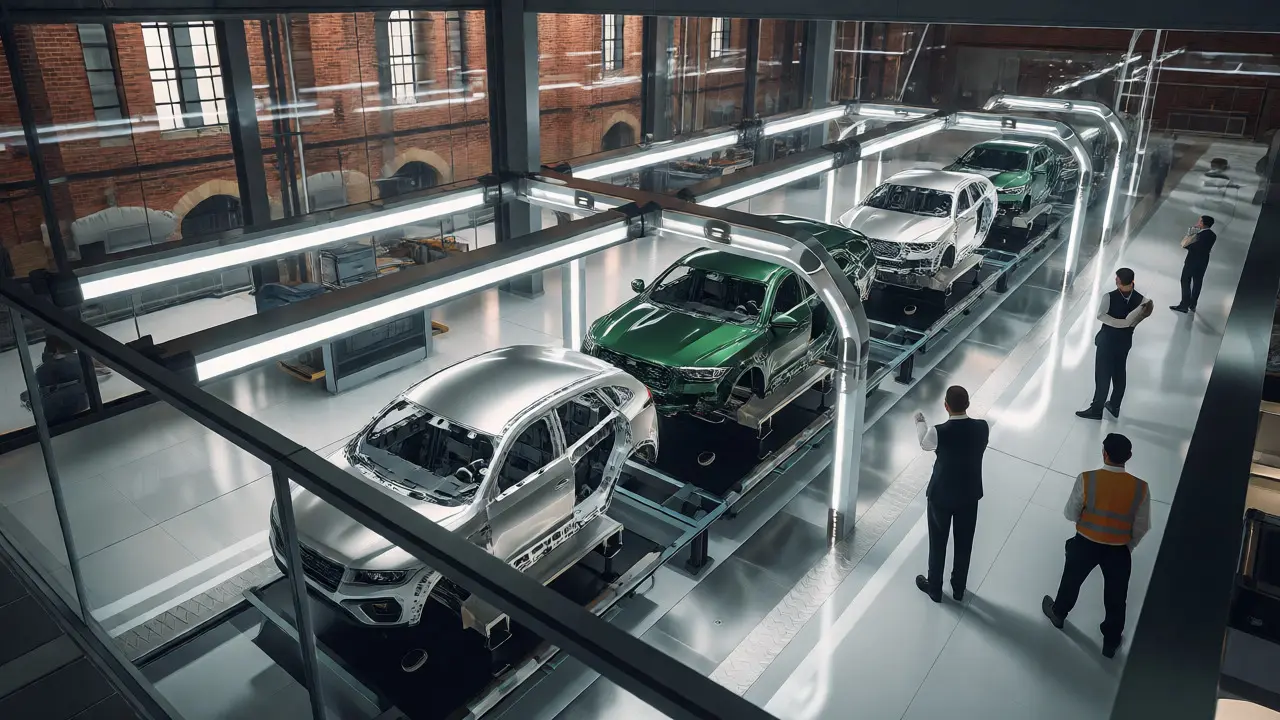
So, how did integrating the two strengthen them? By creating a unified backend while preserving distinct frontends. Think of it like a restaurant group owning both a Michelin-starred bistro and a high-end steakhouse. They share suppliers, logistics, and HR systems, but the menus and decor remain completely different.
In engineering terms, this meant the development of the MLA-Flex architecture. This modular platform supports everything from the electric Jaguar I-Pace to the massive Range Rover SV. By pooling resources, JLR reduced R&D costs by an estimated 20% compared to when they operated separately. But here’s the clever part: the tuning is entirely brand-specific. A Land Rover Defender uses the same underlying electrical architecture as a Jaguar F-Pace, but the software calibration ensures the Defender feels rugged and the Jaguar feels agile.
| Feature | Ford Era (Pre-2008) | Tata Era (Post-2008) |
|---|---|---|
| Engineering Focus | Cost-cutting via parts bin sharing | Premium differentiation via modular platforms |
| R&D Investment | Low, dependent on Ford priorities | High, autonomous budgeting ($5B+ annually) |
| Brand Identity | Diluted, generic luxury | Sharpened, distinct narratives |
| Market Reach | Niche, declining sales | Global expansion, especially in China and US |
The Electric Pivot and Modern Relevance
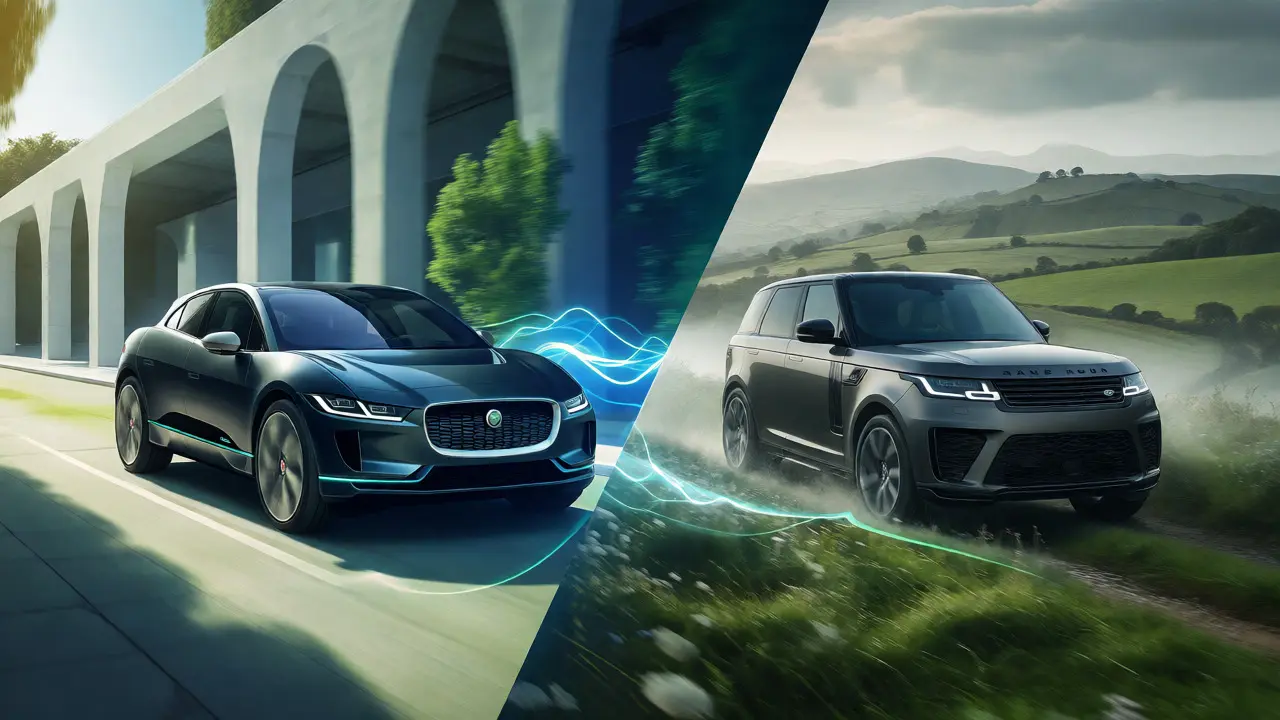
The real test of this integration came with the shift to electrification. Transitioning to EVs requires massive capital-more than either brand could likely afford alone in the mid-2010s. Because they were one company, JLR could leverage Land Rover’s massive profit margins to fund Jaguar’s risky leap into full-electric production. The I-Pace wasn’t just a car; it was a statement that Jaguar could lead, not follow.
Conversely, Jaguar’s design language influenced Land Rover’s evolution. The sleek, minimalist interiors seen in recent Range Rovers owe a debt to Jaguar’s cabin aesthetics. This cross-pollination is the hallmark of a healthy integration. It’s not about making the cars identical; it’s about raising the baseline quality across the board. When you buy a Land Rover today, you’re getting a level of fit-and-finish that simply didn’t exist in 2007.
Supply Chain Resilience
One underrated benefit of the merger is supply chain power. As a combined entity, JLR became a top-tier customer for suppliers like Bosch, Continental, and Magna International. This bargaining power secured better pricing and priority access to critical components during the semiconductor shortage of 2021-2023. While competitors scrambled for chips, JLR’s integrated procurement team could allocate inventory strategically, protecting high-margin models like the Range Rover Autobiography over lower-volume trims.
This resilience matters to buyers. It means shorter wait times for certain configurations and more consistent dealer experiences. It also allowed JLR to bring battery manufacturing closer to home, partnering with Envision AESC to build gigafactories in the UK. This localization reduces shipping emissions and costs, reinforcing the "British" aspect of their brand promise even under foreign ownership.
Challenges and Future Outlook
It hasn’t all been smooth sailing. The transition has faced criticism, particularly regarding Jaguar’s current identity crisis as it prepares for a full rebranding to a fully electric lineup. Some purists miss the V8 roar of the old days. There are also ongoing debates about whether the brands should eventually split again to maximize agility.
However, the data suggests otherwise. JLR’s revenue has grown consistently since 2008, reaching record highs in recent years. Their net zero strategy targets 2039, showing long-term commitment. The integration proved that two iconic brands can survive-and thrive-under a single umbrella if the parent company respects their heritage while providing the tools for modernization.
Did Tata Motors change the manufacturing location of JLR vehicles?
No, Tata Motors maintained the primary manufacturing operations in the United Kingdom. Key plants like Solihull, Castle Bromwich, and Halewood continue to produce the majority of Jaguar and Land Rover vehicles, ensuring they retain their "Made in Britain" status for most markets.
How does JLR integration affect vehicle reliability?
The integration led to the development of shared architectures like D7u and MLA-Flex, which standardized component quality. While early post-integration models still faced teething issues, the pooled engineering resources have significantly improved long-term reliability scores compared to the fragmented pre-2008 era.
Are Jaguar and Land Rover parts interchangeable?
While they share underlying platforms and some electronic modules, body panels, interior trim, and specific mechanical calibrations are unique to each brand. You cannot simply swap a Jaguar bumper onto a Land Rover without significant modification, preserving the distinct visual identity of each marque.
Why did Ford sell Jaguar and Land Rover?
During the 2008 financial crisis, Ford needed liquidity to save its core American business. Selling Jaguar and Land Rover was part of its "Way Forward" plan to reduce debt and focus on profitable mainstream brands like Ford and Lincoln, rather than sustaining loss-making luxury divisions.
What is the impact of JLR's electric strategy on the brand image?
The push toward electrification has positioned JLR as a leader in sustainable luxury. Models like the Range Rover Sport PHEV and the upcoming Jaguar EV range appeal to eco-conscious buyers who refuse to compromise on performance or prestige, modernizing the brand perception for younger demographics.