Jaguar Land Rover under Tata Motors: British Luxury and Utility in Indian Stewardship
 Aug, 16 2026
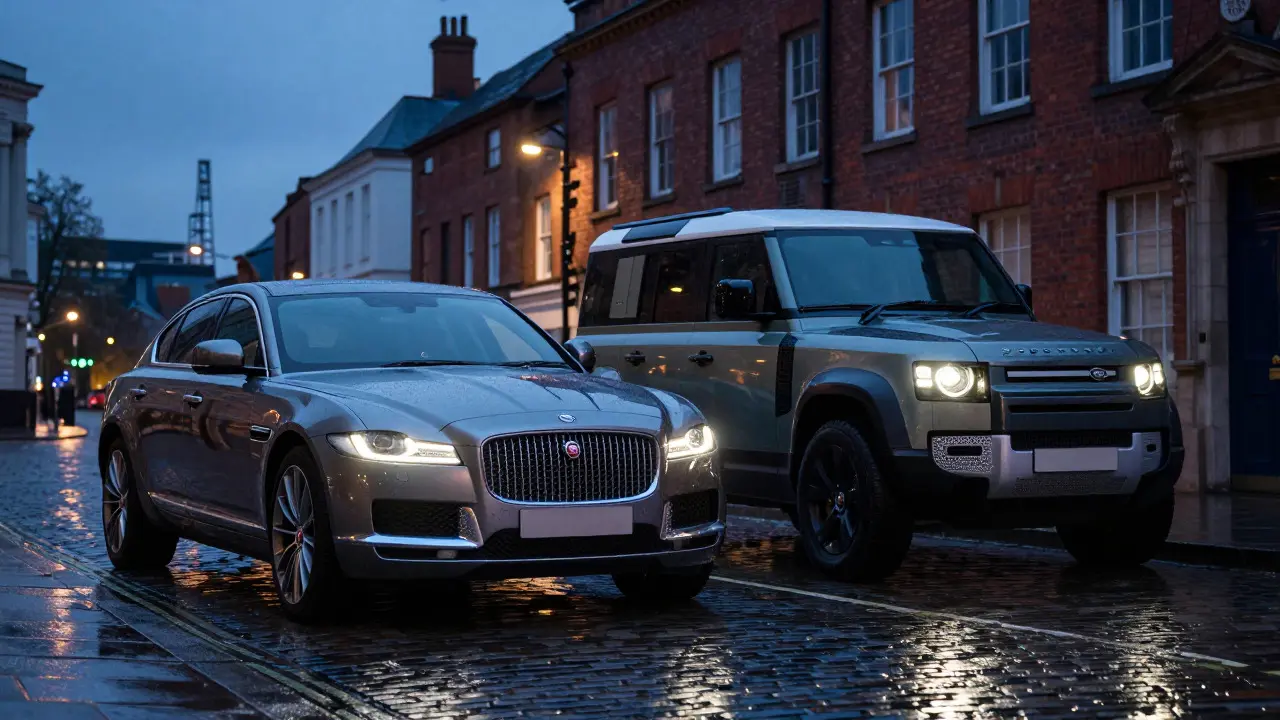
When Tata Motors acquired JLR in 2008 for roughly $2.3 billion, the global auto industry held its breath. Critics called it a reckless gamble by an Indian conglomerate to buy two iconic British brands that were bleeding cash. Today, with JLR generating over £30 billion in annual revenue and becoming one of the world's top luxury vehicle makers, the narrative has shifted from skepticism to admiration. This isn't just a story about money; it's a case study in how cultural stewardship can transform struggling heritage brands into profitable global giants.
The 2008 Rescue Mission
To understand the current success, you have to look at the chaos of 2008. Jaguar and Land Rover were separate entities before Ford merged them, but both were facing existential threats. The global financial crisis hit hard, and Ford decided to cut its losses. They needed a buyer fast. Most major automakers-General Motors, Volkswagen, even Chinese giants like Geely-were too busy saving themselves or saw the brands as liabilities rather than assets.
Tata Motors is an Indian multinational automotive manufacturing company headquartered in Mumbai, known for producing affordable vehicles and owning premium European brands. entered the negotiation table not as a giant, but as a determined outsider. The deal was structured with a significant portion of the payment in stock, which helped mitigate the immediate cash flow risk for Ford. For Tata, this was their first major international acquisition. It was a high-stakes move that required a complete shift in corporate culture, moving from a focus on mass-market affordability in India to high-end engineering and brand prestige in Europe.
Preserving Heritage While Injecting Capital
The biggest fear among consumers and employees was that the British soul of these brands would be diluted. Would the next Range Rover be built in Gujarat? Would the jaguar emblem lose its sharpness? Tata’s strategy was surprisingly conservative regarding brand identity. They kept the design centers in Coventry (for Land Rover) and Whitley (for Jaguar). They retained key engineers and designers who had been with the companies for decades. This wasn’t accidental; it was a deliberate "hands-off" approach to creative control.
However, behind the scenes, the operational changes were massive. Tata introduced stricter cost controls, streamlined supply chains, and modernized manufacturing processes without tearing down the historic plants. The Port Engine Plant in Wolverhampton, for example, received significant investment to improve efficiency while maintaining the hand-crafted feel of its engines. This balance allowed the brands to keep their premium pricing power while finally turning a profit. By 2015, JLR had returned to profitability, a milestone it hadn’t achieved in years prior to the acquisition.
The Electric Transition and Future-Proofing
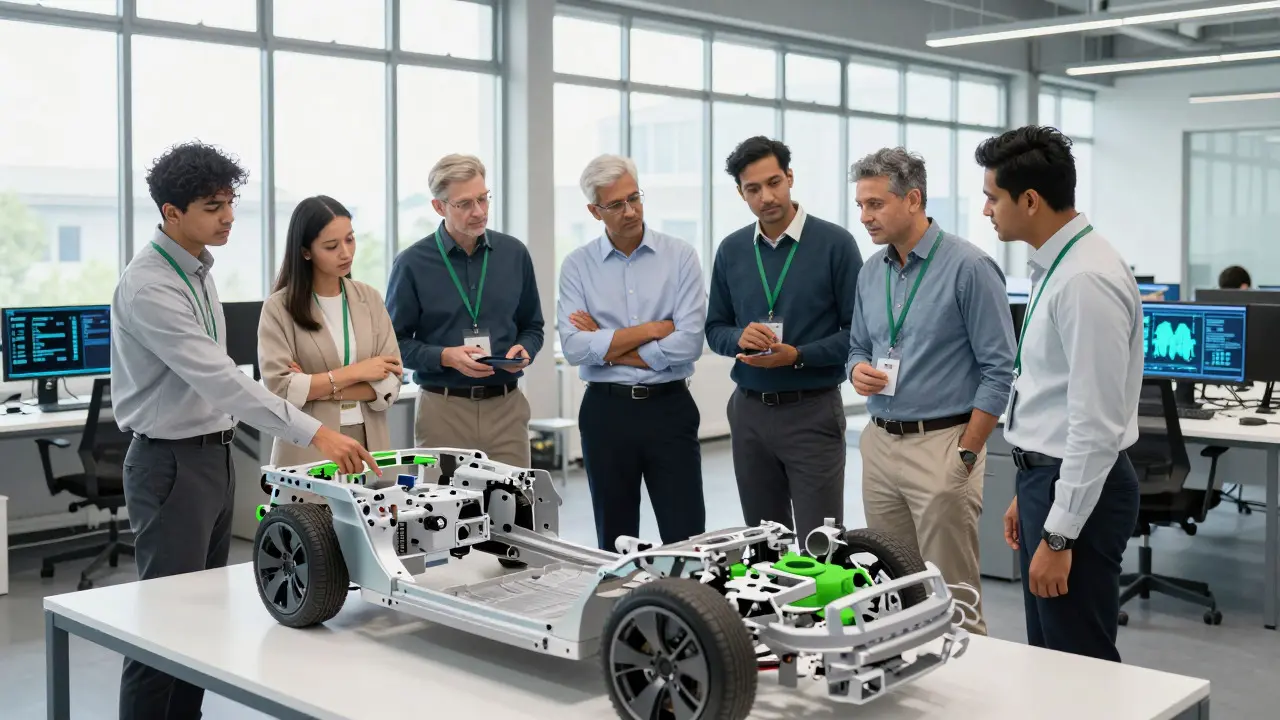
As the automotive world pivots toward electrification, JLR has found itself in a unique position. Unlike many legacy European brands struggling with internal combustion engine (ICE) infrastructure, JLR leveraged its parent company’s broader resources. Tata Motors also owns Nissan (through a partnership) and has strong ties to Renault, giving it access to shared electric vehicle platforms. But more importantly, JLR developed its own dedicated electric architecture, the JLR Global Architectural Electric (JAAE).
This platform allows for shorter development cycles and lower costs for new EV models. The recent launch of the all-electric Range Rover and the upcoming Jaguar I-Pace successors are direct results of this strategic alignment. Tata’s backing provides the capital buffer necessary for such expensive R&D, something that might have bankrupted a standalone JLR. Furthermore, Tata’s experience in emerging markets helps JLR navigate complex regulatory environments in Asia and the Middle East, where demand for luxury SUVs is growing fastest.
Comparing Ownership Models: Tata vs. Other Foreign Owners
It’s helpful to compare JLR’s trajectory under Tata with other foreign-owned European brands. Let’s look at how different ownership structures impact brand health and innovation speed.
| Brand | Owner | Ownership Type | Strategic Focus | Key Outcome Since Acquisition |
|---|---|---|---|---|
| Jaguar Land Rover | Tata Motors | Full Subsidiary | Brand Preservation + EV Transition | Return to profitability, strong EV pipeline |
| Volkswagen Group (Audi/Porsche) | Volkswagen AG | Consolidated Group | Platform Sharing (MQB/MSB) | High volume, standardized tech, less distinct identity |
| Ferrari | Exor (Agnelli Family) | Family/Investor Owned | Prestige & Exclusivity | Record sales, extreme brand loyalty |
| Alfa Romeo | Stellantis (FCA/PSA Merger) | Mega-Merger Entity | Cost Cutting & Rebranding | Financial stabilization, delayed product refresh |
Notice the difference between Tata’s approach and the Volkswagen model. VW integrates brands deeply into shared platforms, which saves money but can blur brand identities. Tata keeps JLR relatively autonomous, allowing it to maintain a distinct engineering culture. This autonomy comes at a cost-higher R&D expenses-but it preserves the "magic" that customers pay a premium for. In contrast, Alfa Romeo under Stellantis has struggled with identity drift, showing what happens when a brand is absorbed into a larger corporate machine without clear differentiation.
Cultural Nuances and Workforce Dynamics
One aspect often overlooked is the human element. Managing a workforce in the UK with deep industrial history requires sensitivity. Tata didn’t impose Indian management styles directly onto the UK floor. Instead, they fostered a hybrid culture. Senior leadership includes both British veterans and Indian strategists, creating a bridge between Mumbai and Coventry. This has reduced turnover rates significantly compared to the pre-acquisition era, when uncertainty led to brain drain.
Additionally, Tata’s reputation for ethical labor practices in India has lent credibility to its operations in the UK. Unions, initially wary, have found that Tata honors existing contracts and invests in employee training. This stability is crucial for maintaining the high-quality craftsmanship associated with British luxury cars. A car like the Defender isn’t just assembled; it’s refined by skilled technicians whose confidence in their employer directly impacts the final product quality.
Market Performance and Global Reach
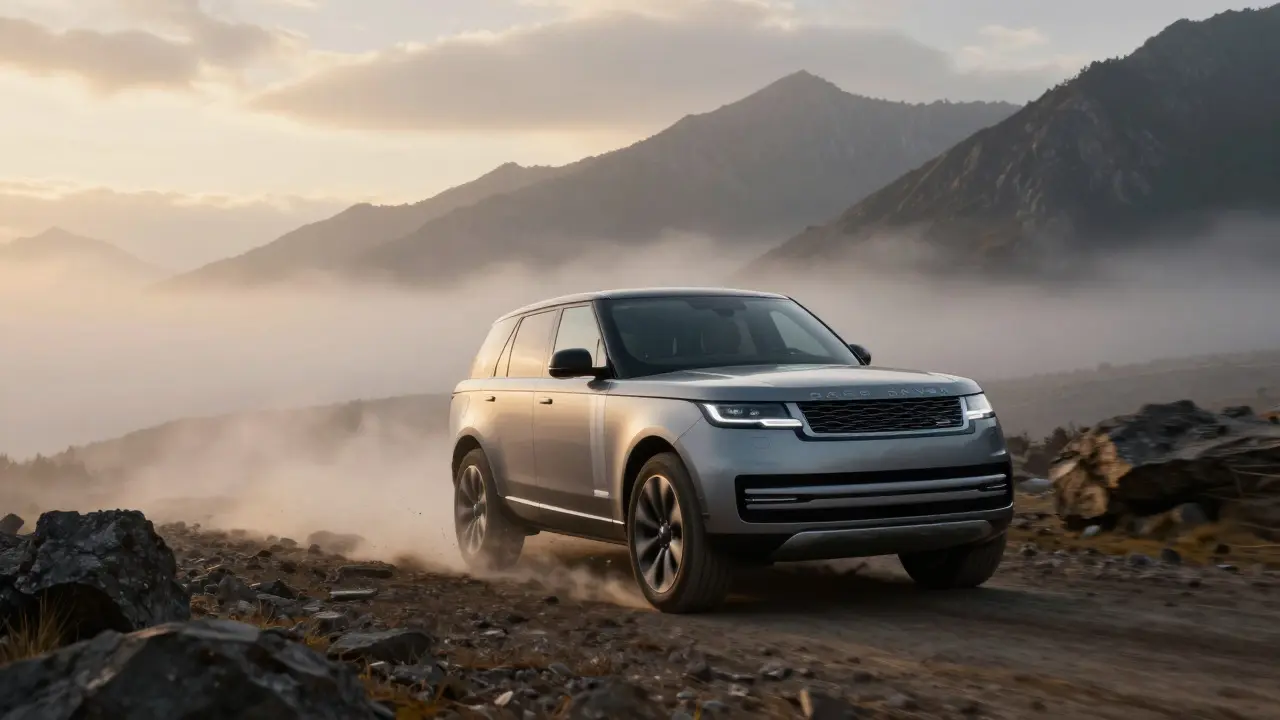
The numbers tell a compelling story. Under Tata, JLR has expanded its market share in key regions like China, the US, and the Middle East. The Land Rover Defender, relaunched in 2020, became a best-seller almost immediately, proving that heritage can drive modern sales. The brand has successfully moved upmarket, increasing average selling prices year over year. This isn’t just about selling more cars; it’s about selling *better* cars. The focus on utility and luxury has resonated with a new generation of buyers who value off-road capability alongside digital connectivity.
Meanwhile, Jaguar has faced a tougher challenge. As a pure luxury sedan/coupe maker, it competes against entrenched German rivals. However, the pivot to fully electric models aims to disrupt this space. By offering cutting-edge technology and sustainable performance, Jaguar hopes to attract younger, eco-conscious buyers who might otherwise choose Tesla or BMW i-series. The synergy here is critical: Land Rover’s robust SUV lineup funds Jaguar’s risky EV bets, ensuring the group remains financially stable during the transition.
Challenges Ahead: Supply Chains and Competition
Despite the successes, the road ahead isn’t smooth. Global supply chain disruptions, particularly semiconductor shortages, have affected production volumes. Tata’s diversified portfolio helps mitigate this risk, as parts can sometimes be sourced through other subsidiaries. However, competition is intensifying. New entrants like Rivian and Lucid are challenging traditional luxury brands in the EV space. To stay ahead, JLR must continue to innovate not just in hardware, but in software and user experience. The integration of advanced driver-assistance systems and connected services is no longer optional; it’s a baseline expectation for luxury buyers.
Moreover, geopolitical tensions could impact trade flows between India and Europe. Tariffs, regulatory changes, or diplomatic shifts could add complexity to cross-border operations. Tata’s strength lies in its agility; having a decentralized decision-making structure allows JLR to react quickly to local market changes without waiting for approval from distant headquarters. This flexibility is a key competitive advantage in today’s volatile automotive landscape.
Frequently Asked Questions
Did Tata Motors change the design of Jaguar and Land Rover?
No, Tata largely preserved the original design languages. Design centers remained in the UK, and key designers were retained. Changes have focused on modernization and electrification rather than altering the core aesthetic identity of the brands.
Is Jaguar Land Rover still profitable under Tata?
Yes, JLR returned to profitability in 2015 and has maintained strong financial performance since then, with record revenues in recent years driven by the success of the Land Rover Defender and Range Rover lines.
How does Tata support JLR’s electric vehicle development?
Tata provides significant capital investment for R&D and offers strategic insights from its partnerships with Nissan and Renault. This financial backing allows JLR to develop proprietary electric platforms like JAAE without the same budget constraints as standalone manufacturers.
What is the main difference between Tata’s ownership style and Volkswagen’s?
Tata maintains greater autonomy for JLR, allowing it to keep distinct engineering and design cultures. Volkswagen tends to integrate brands more tightly into shared platforms, which reduces costs but can dilute individual brand identities.
Are there any risks to JLR under Indian ownership?
Risks include potential geopolitical trade barriers, intense competition from new EV startups, and the ongoing challenges of transitioning away from internal combustion engines. However, Tata’s diversified portfolio and agile management structure help mitigate these risks.