Jaguar E-Type: The 1961 Icon That Stole Geneva
 Nov, 18 2026
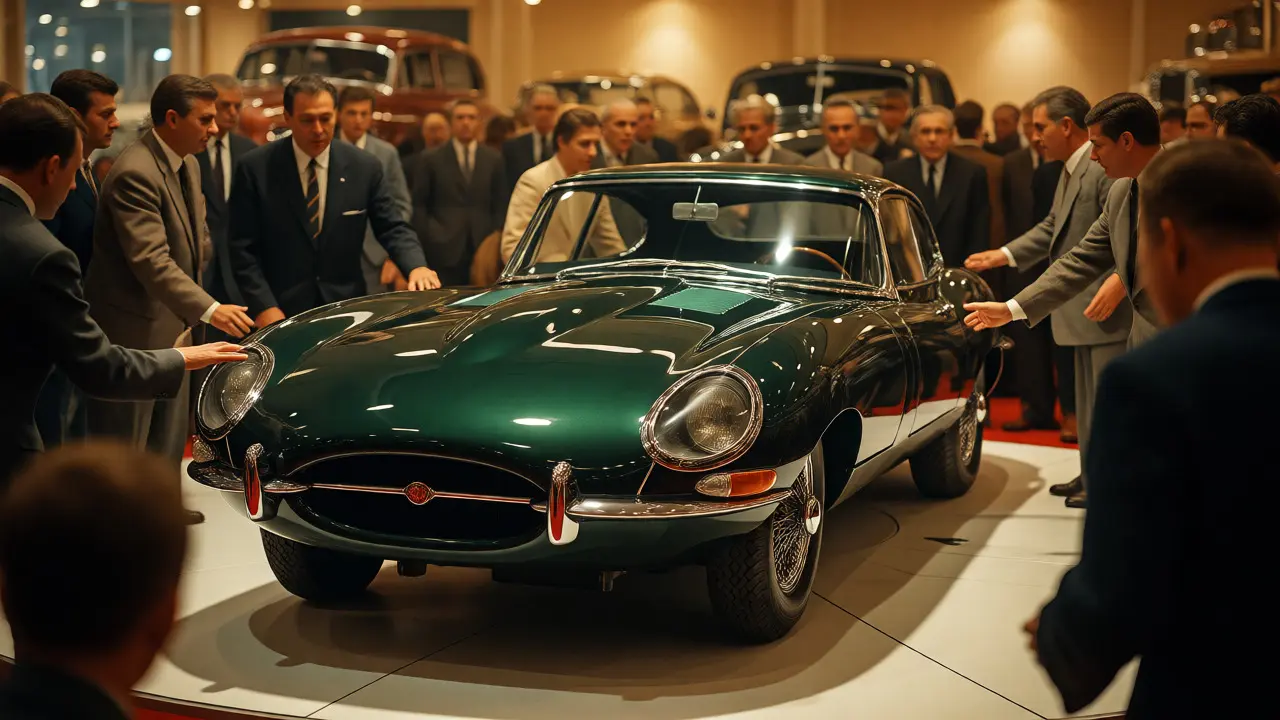
Jaguar E-Type is a British grand tourer and sports car produced by Jaguar Cars from 1961 to 1974. When it hit the floor at the Geneva Motor Show in March 1961, the reaction wasn't just applause. It was disbelief. People crowded around the stand, touching the bodywork as if expecting it to be made of plastic or papier-mâché. They couldn't believe a car with that kind of speed could look so delicate. Or that a car looking that elegant could actually go fast.
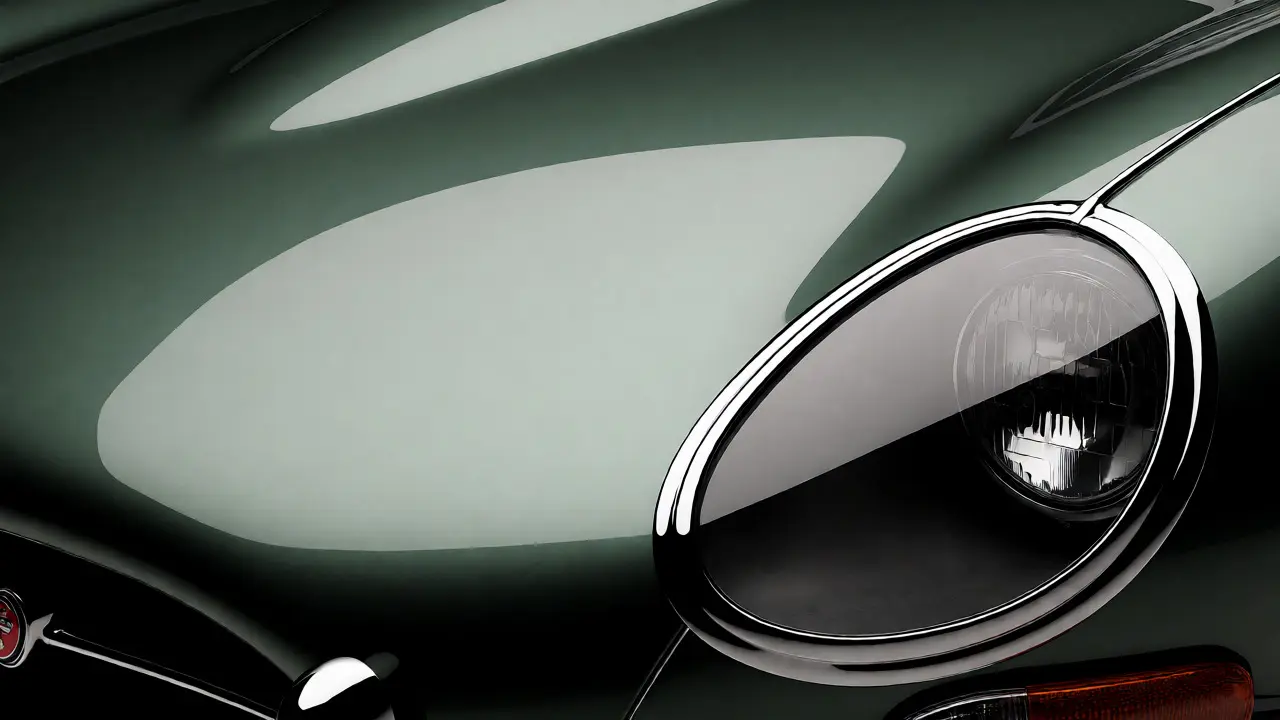
You have to understand the context. Before 1961, sports cars were mostly ugly tools. They were functional, loud, and built for racing, not for beauty. Then came this long-nosed beast with glass covers over the headlights and a profile that looked like it had been drawn with a single continuous line. It changed everything. It proved that engineering and art didn't have to fight each other.
The Design That Broke the Mold
Most people credit Malcolm Sayer, Jaguar’s aerodynamicist, for the shape. And he deserves it. He wasn’t an artist; he was a mathematician who understood airflow. But you can’t ignore the input of William Lyons, the company boss. Lyons had a vision. He wanted a car that felt alive. He famously sketched the front end on a napkin during a flight. The result was a monocoque construction that allowed for those sweeping curves without adding unnecessary weight.
The design wasn't just about looks. Every curve served a purpose. The long hood hid the massive inline-six engine, but it also helped balance the weight distribution. The rear wheels were tucked under flared arches to accommodate wider tires for better grip. Even the cockpit was designed for the driver, with minimal clutter and controls placed exactly where your hands naturally fell.
Performance That Shocked the Experts
Let’s talk numbers, because they are impressive even today. The Series 1 E-Type featured a 3.8-liter XK straight-six engine. In standard tune, it pushed out 265 horsepower. In the high-compression version, which most enthusiasts chased, it hit 265 hp but with much more torque. Top speed? Around 150 mph (241 km/h). Acceleration from 0 to 60 mph took just 7 seconds.
Why does this matter? Because in 1961, many supercars-cars costing ten times as much-couldn't keep up with it. It offered Ferrari-level performance at a fraction of the price. A new E-Type cost about $6,000 in the US. A comparable Ferrari 250 GT California Spyder cost upwards of $15,000. This value proposition scared established manufacturers. It forced them to rethink their pricing and their designs.
The Geneva Debut and Enzo Ferrari's Quote
The story goes that when Enzo Ferrari saw the E-Type at Geneva, he called it "the most beautiful car ever made." Whether he said it verbatim or paraphrased it later doesn't change the impact. Coming from the man who defined Italian automotive elegance, this endorsement was gold. It validated the British approach immediately.
But the real dazzle came from the public. Lines formed outside the Jaguar stand. Journalists scrambled for test drives. The press coverage was overwhelming. Within weeks, orders flooded in. The car became an instant cultural icon, appearing in films, magazines, and the garages of rock stars and royalty alike.
Engineering Details You Should Know
Beyond the engine, the chassis technology was advanced for its time. The front suspension used independent coil springs and wishbones, derived from racing experience. The rear suspension was a live axle with coil springs and radius arms. This setup gave the car a unique driving character. It was forgiving enough for daily use but sharp enough for track days.
Braking was another area where Jaguar led. The E-Type featured four-wheel disc brakes, a rarity in production cars then. However, early models suffered from brake fade due to poor ventilation. Later updates fixed this, proving that even icons need refinement.
Common Misconceptions About the E-Type
Many people think all E-Types are reliable. They aren't. Early Series 1 cars had electrical gremlins and cooling issues. If you're looking to buy one today, you need to know what you're getting into. Rust is the enemy. The thin gauge steel used for lightweight construction corrodes easily if not maintained properly.
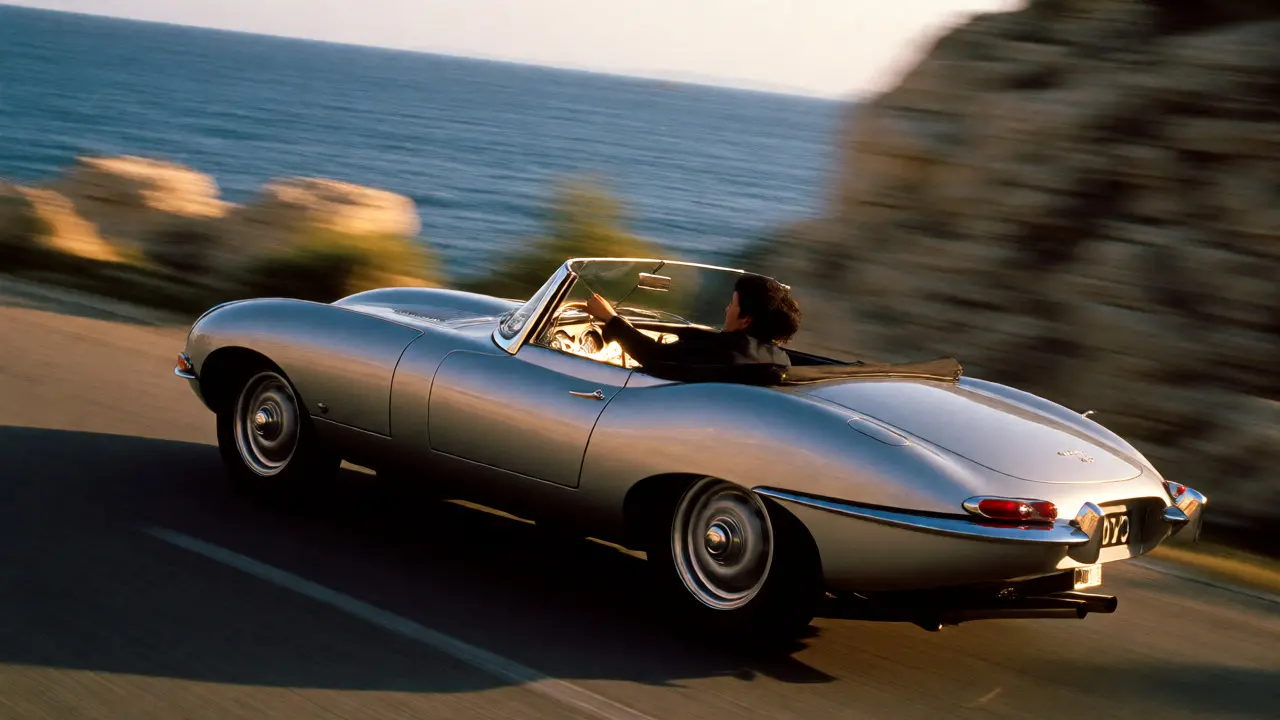
Another myth is that they are slow. While modern hot hatches might beat them in a straight line, the E-Type’s power-to-weight ratio and handling remain competitive. Driving one is less about lap times and more about connection. You feel every bump, hear every shift, and smell the fuel. It’s an analog experience in a digital world.
| Feature | Series 1 (1961-1967) | Series 2 (1968-1971) | Series 3 (1971-1974) |
|---|---|---|---|
| Engine | 3.8L / 4.2L Inline-6 | 4.2L Inline-6 | 5.3L V12 |
| Horsepower | 265 hp | 246 hp (US spec) | 272 hp |
| Headlights | Glass-covered | Open round lights | Open round lights |
| Collector Value | High | Moderate | Lower (V12 premium applies) |
Why It Still Matters Today
Sixty-five years later, the E-Type remains a benchmark for design. Car manufacturers still study its proportions. The ratio of wheelbase to length, the height of the roofline, the placement of the side vents-all these elements create a sense of motion even when the car is parked.
Owning one isn't just about investment. It's about participating in history. When you drive an E-Type, you're driving the same car that raced at Le Mans, that starred in 'Austin Powers,' and that redefined what a sports car could be. It’s a tangible link to an era when craftsmanship mattered more than efficiency ratings.
Was the Jaguar E-Type really the fastest car in 1961?
Not technically the absolute fastest, but it was among the fastest production cars available. With a top speed of approximately 150 mph, it outperformed many expensive European rivals while costing significantly less. Its acceleration was particularly notable for a road-going vehicle.
What makes the Series 1 E-Type different from later models?
The Series 1 features covered headlights, toggle switches, and a smaller grille opening compared to later series. These aesthetic details contribute to its cleaner, more streamlined look, which is why collectors often prefer Series 1 models despite their higher maintenance requirements.
Did Enzo Ferrari actually call the E-Type the most beautiful car ever made?
Yes, historical accounts confirm that Enzo Ferrari made this remark upon seeing the car at the 1961 Geneva Motor Show. His endorsement carried immense weight in the automotive world and helped cement the E-Type's reputation instantly.
Are Jaguar E-Types difficult to maintain?
They require regular attention. Common issues include rust formation, electrical system failures, and cooling problems in earlier models. However, parts availability has improved significantly, and many specialist shops now offer comprehensive support for owners.
How much does a good condition E-Type cost today?
Prices vary widely based on series, condition, and provenance. A decent Series 1 coupe might range from $100,000 to $250,000, while concours-quality examples can exceed $500,000. Series 3 V12 models generally trade lower unless they feature rare specifications.