Interwar Export Markets for British Cars: Where UK Automobiles Found Global Buyers
 Aug, 16 2026
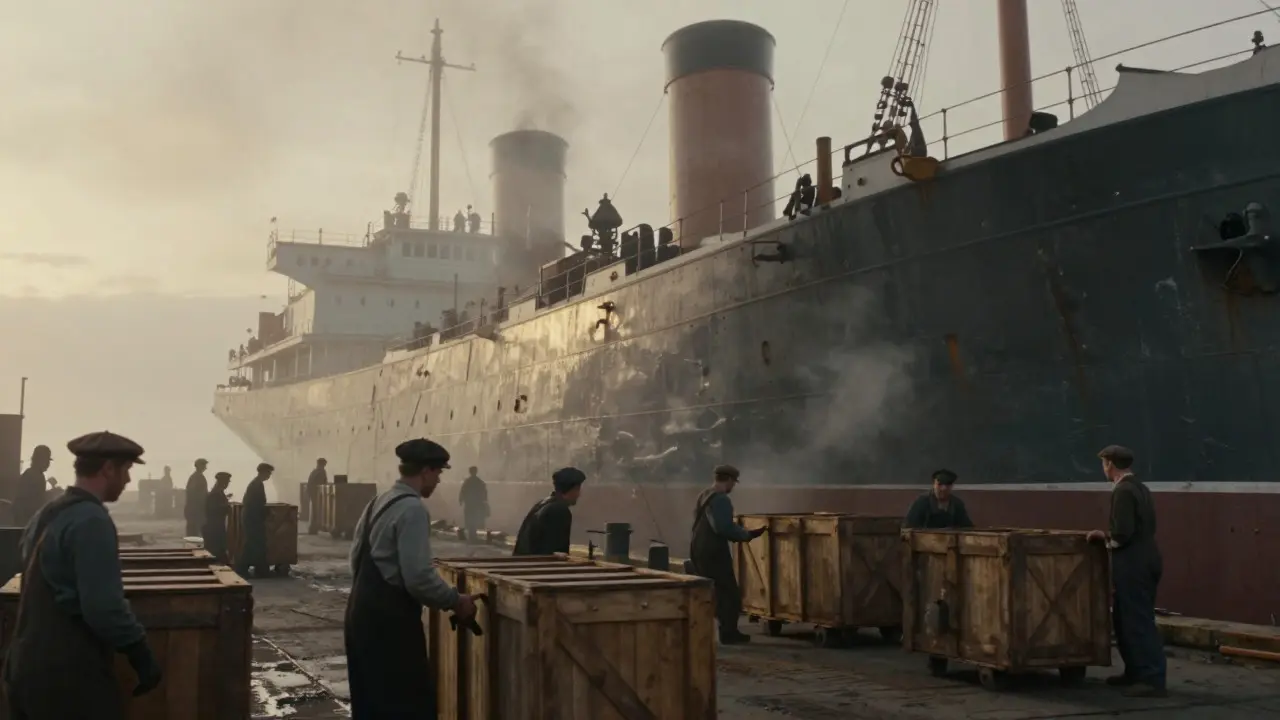
Imagine standing on the docks of Southampton in 1928. The air smells of coal smoke and salt. Around you, crates labeled Austin are being loaded onto steamships bound for Australia, South Africa, and India. This wasn't just a shipment; it was a lifeline. During the interwar period (1918-1939), Britain didn't just build cars for its own streets. It built them for the world. Understanding where these vehicles went reveals a complex web of colonial trade, economic necessity, and engineering pride that defined an era.
The story of British car exports between the wars is not just about moving metal from factory to port. It’s about how a nation recovering from World War I used its automotive industry as a primary engine for economic recovery. While American giants like Ford and Chevrolet dominated the mass market at home, British manufacturers carved out distinct niches abroad. They offered reliability, specific engineering suited to rough terrain, and a brand prestige that resonated in former colonies and emerging markets across the globe.
The Colonial Lifeline: Dominating Commonwealth Markets
The single largest destination for interwar British automobiles was the Commonwealth. This isn’t surprising when you consider the political and linguistic ties. In regions like India, Australia, and South Africa, British cars weren't just products; they were symbols of status and infrastructure development.
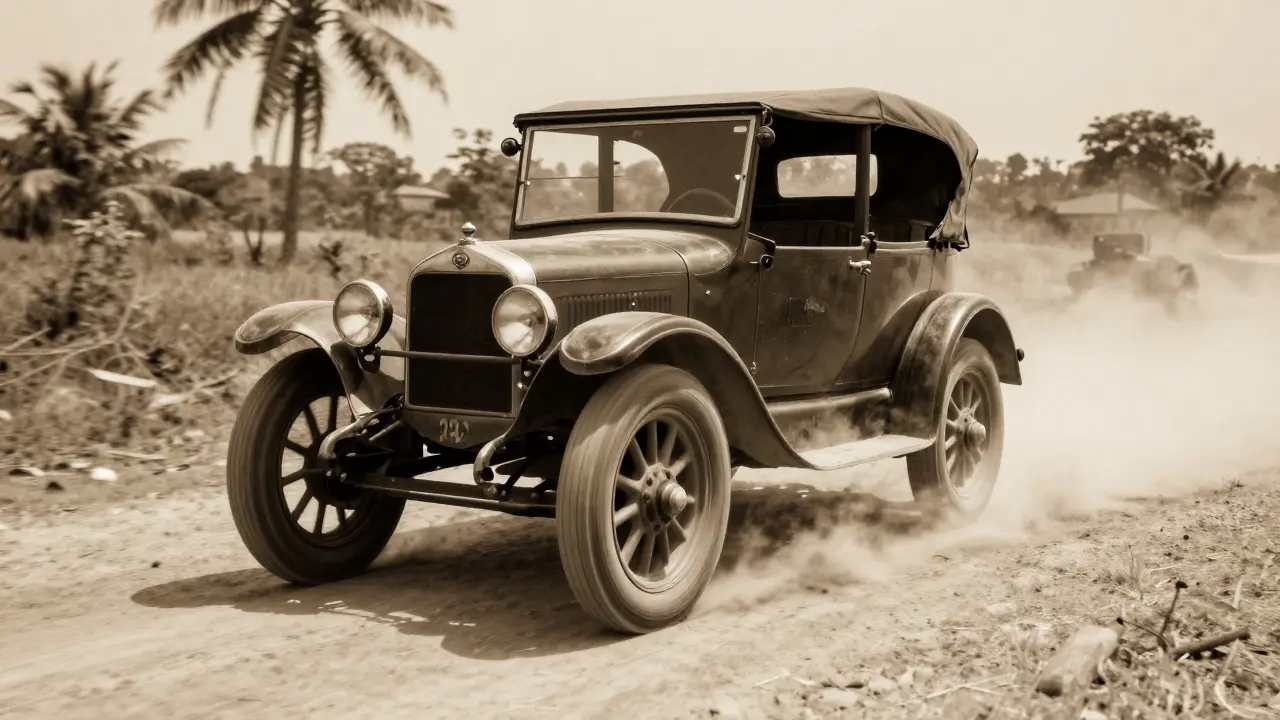
In India, the roads were often unpaved or poorly maintained. This created a specific demand for vehicles with high ground clearance and robust suspension systems. Brands like Hillman and Morris thrived here because their designs could handle the dust and potholes better than many sleeker European competitors. By the mid-1930s, Indian roads saw a significant surge in commercial vehicle usage, driven largely by British imports. The local assembly plants in Bombay and Calcutta began to take shape, but finished goods still flowed heavily from the UK until the very end of the decade.
Australia presented a different challenge. The distances were vast, and the climate was harsh. Here, the ruggedness of the Vauxhall range became a selling point. Australian buyers needed cars that could survive long hauls across rural landscapes without frequent breakdowns. The export data from this period shows that while passenger cars were popular, light commercial vans and trucks accounted for a massive portion of the volume, reflecting the agricultural and mining economies of the region.
Engineering for the Tropics: The Challenge of Heat and Humidity
Exporting cars to tropical climates required more than just shipping logistics. It demanded engineering adaptations that British manufacturers had to master quickly. The heat in places like Ceylon (now Sri Lanka) and Malaya (now Malaysia) posed serious threats to early automotive technology.
- Cooling Systems: Radiators needed larger surface areas to dissipate heat effectively. Engineers modified fan blades and water pump designs to ensure circulation didn't fail during slow traffic in hot cities.
- Electrical Components: High humidity corroded electrical connections. Manufacturers began using heavier gauge wiring and improved insulation for batteries and ignition coils destined for these markets.
- Paint and Rubber: Standard European paints faded quickly under intense UV exposure. Tropical-specific paint formulations were developed, and rubber components like tires and hoses were reinforced to prevent cracking.
These adjustments weren't always standardized initially. Early exports sometimes failed due to these environmental factors, leading to costly recalls and reputation damage. However, by the late 1920s, major firms like BMC (British Motor Corporation, formed in 1919, though the name solidified later, the constituent companies were active) had established dedicated 'tropical specification' lines. This specialization allowed them to compete against American brands that often shipped standard models without adequate adaptation.
The Rise of the Middle East and Latin America
While the Commonwealth provided volume, the Middle East and Latin America offered high-margin opportunities. In the Middle East, particularly in Iraq, Egypt, and Persia (Iran), oil wealth was beginning to translate into personal luxury. British cars held a strong cultural appeal here, seen as sophisticated and reliable.
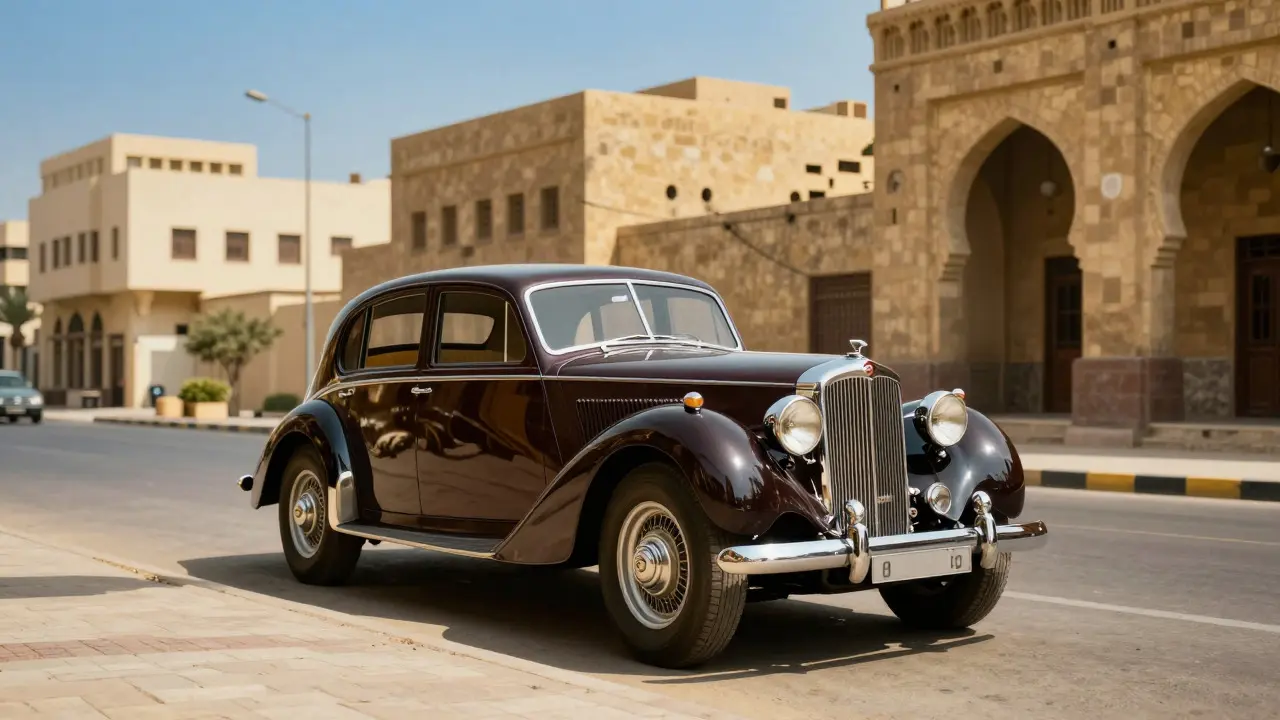
Egypt, with its well-paved urban centers in Cairo and Alexandria, became a hub for premium British marques. Models from Alvis and Daimler were favored by the diplomatic corps and wealthy locals. These cars were less about utility and more about presence. The smooth ride and quiet operation of these vehicles were critical selling points in a market where comfort was paramount.
In Latin America, specifically Argentina and Brazil, the dynamic was different. These countries had growing domestic manufacturing capabilities but lacked the scale of the US or UK. As a result, they imported a mix of complete vehicles and knock-down kits. The Brazilian market, in particular, showed a preference for American brands due to proximity and price, but British cars maintained a foothold in the upper-middle segment. The rugged terrain of the Andes in Argentina also favored the sturdy construction found in many British off-road capable models.
Logistics and the Role of Shipping Lines
You can’t talk about exports without talking about how the cars actually got there. The interwar period was the golden age of oceanic shipping. British shipping lines, such as Cunard and P&O, played a crucial role in this ecosystem. They didn't just carry passengers; they carried entire fleets of automobiles.
The process involved careful packaging. Cars were stripped of fluids, batteries, and other volatile components to prevent leaks or fires during the voyage. They were then crated or placed on specialized racks within the cargo holds. The cost of freight was a significant factor in the final price of the car. A car that cost £500 in Birmingham might sell for £700 in Sydney after accounting for shipping, insurance, and duties.
This logistical complexity meant that only established dealerships could afford to maintain inventory overseas. Small importers struggled to keep stock levels sufficient to meet demand, giving an advantage to the big five British manufacturers who had dedicated export departments. These departments handled everything from customs paperwork to post-sale service networks, ensuring that a buyer in Nairobi could find parts if something broke down.
Economic Shocks and the Great Depression
The 1920s boom gave way to the bust of the 1930s. The Great Depression hit the global economy hard, and automotive exports were no exception. However, the impact varied by region.In Europe, protectionist tariffs rose sharply. Countries like France and Germany imposed high duties on foreign cars to protect their nascent industries. This squeezed the British market in continental Europe. Conversely, the Commonwealth remained relatively open due to imperial preference policies, which offered lower tariffs on goods traded within the Empire. This policy shielded British exporters from some of the worst effects of the depression, allowing them to maintain sales volumes in Australia, Canada, and New Zealand even when European sales plummeted.
Domestically, the depression led to a shift in consumer preferences toward cheaper, more economical cars. This trend mirrored what was happening in export markets. Buyers in developing nations became more price-sensitive, leading to a rise in the popularity of smaller, lighter models from brands like Austin and Hillman, rather than the luxury sedans of the previous decade.
The Legacy of Interwar Exports
By the time World War II broke out in 1939, the landscape of global automotive trade had been fundamentally shaped by two decades of British expansion. The infrastructure for exporting cars-shipping routes, dealer networks, spare parts warehouses-was already in place. This foundation would be disrupted by the war but would serve as the backbone for the post-war export resurgence.
Moreover, the engineering lessons learned during this period had lasting impacts. The focus on durability, adaptability to different climates, and robust design influenced British car manufacturing for decades. Many of the features we take for granted today, such as improved corrosion protection and enhanced cooling systems, have roots in the challenges faced by interwar exporters.
For collectors and historians today, finding a surviving example of an interwar British car in its original export market offers a unique window into this era. A 1930s Morris in India or a 1920s Alvis in Egypt tells a story of global connectivity, economic ambition, and technological adaptation that goes far beyond the simple act of driving from point A to point B.
Which country imported the most British cars during the interwar period?
India was one of the largest single-country markets for British automobiles, followed closely by Australia and South Africa. The combination of colonial ties, lack of local competition, and suitable road conditions made these regions dominant destinations for UK exports.
Why did British cars struggle in the United States during the 1920s and 1930s?
The US market was dominated by mass-produced American brands like Ford and Chevrolet, which offered lower prices and easier maintenance. British cars were generally more expensive and perceived as exotic or difficult to repair locally. Additionally, the sheer size of the US market meant that British manufacturers could not achieve the economies of scale necessary to compete on price.
What was 'imperial preference' and how did it affect car exports?
Imperial preference was a system of reciprocal tariff reductions between the United Kingdom and its dominions (such as Canada, Australia, and New Zealand). This made British cars cheaper to import into these countries compared to cars from non-Commonwealth nations, giving UK manufacturers a significant competitive advantage in these markets during the 1930s.
How were cars shipped from the UK to overseas markets in the 1920s?
Cars were typically stripped of fluids and batteries, then crated or secured on racks in the cargo holds of ocean-going steamships. Major shipping lines like Cunard and P&O operated regular routes to key ports in Asia, Africa, and the Americas. The journey could take several weeks depending on the destination.
Did British manufacturers offer special models for tropical climates?
Yes, by the late 1920s, many manufacturers offered 'tropical specifications.' These included larger radiators, reinforced rubber components, heavier gauge electrical wiring, and special paint formulations to withstand high heat and humidity. These modifications were essential for reliability in markets like India and Southeast Asia.