Interwar British Car Advertising: How Automakers Sold Speed, Comfort, and Quality
 Aug, 17 2026
Imagine flipping through a glossy magazine in 1930. The pages are thick, the ink is crisp, and suddenly you see it: a sleek Rover gliding over a cobblestone street, its headlights cutting through the mist. Next to it, a Bentley roaring down a country lane, promising not just transport, but dominance. This wasn't just about selling metal and rubber; it was about selling a dream. During the interwar period (1918-1939), British car advertising transformed from simple product listings into sophisticated psychological campaigns. Automakers realized that to win in a crowded market, they had to sell feelings: speed for the thrill-seeker, comfort for the businessman, and quality for the traditionalist.
The Shift from Utility to Lifestyle
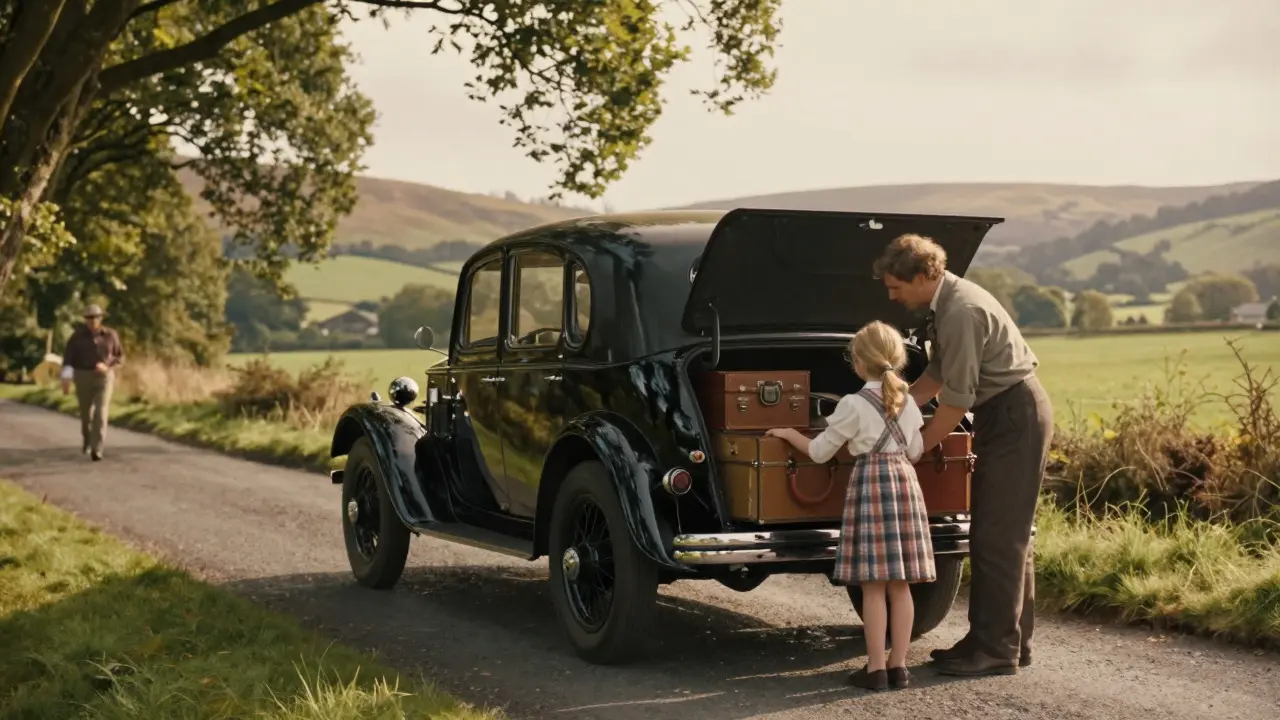
In the early 1920s, cars were still viewed largely as expensive novelties or necessary business tools. But by the mid-1920s, the narrative changed. Manufacturers like Austin and Morris began targeting the emerging middle class. They didn't just list horsepower figures; they described the feeling of independence. Advertisements often featured families loading luggage into trunks, suggesting that a car was the key to leisure travel. This was a crucial pivot. The car was no longer just a machine; it was an enabler of lifestyle. If you bought a Morris Oxford, you weren't just buying an engine; you were buying weekends in the Lake District without relying on train schedules.
Selling Speed: The Thrill of the Open Road
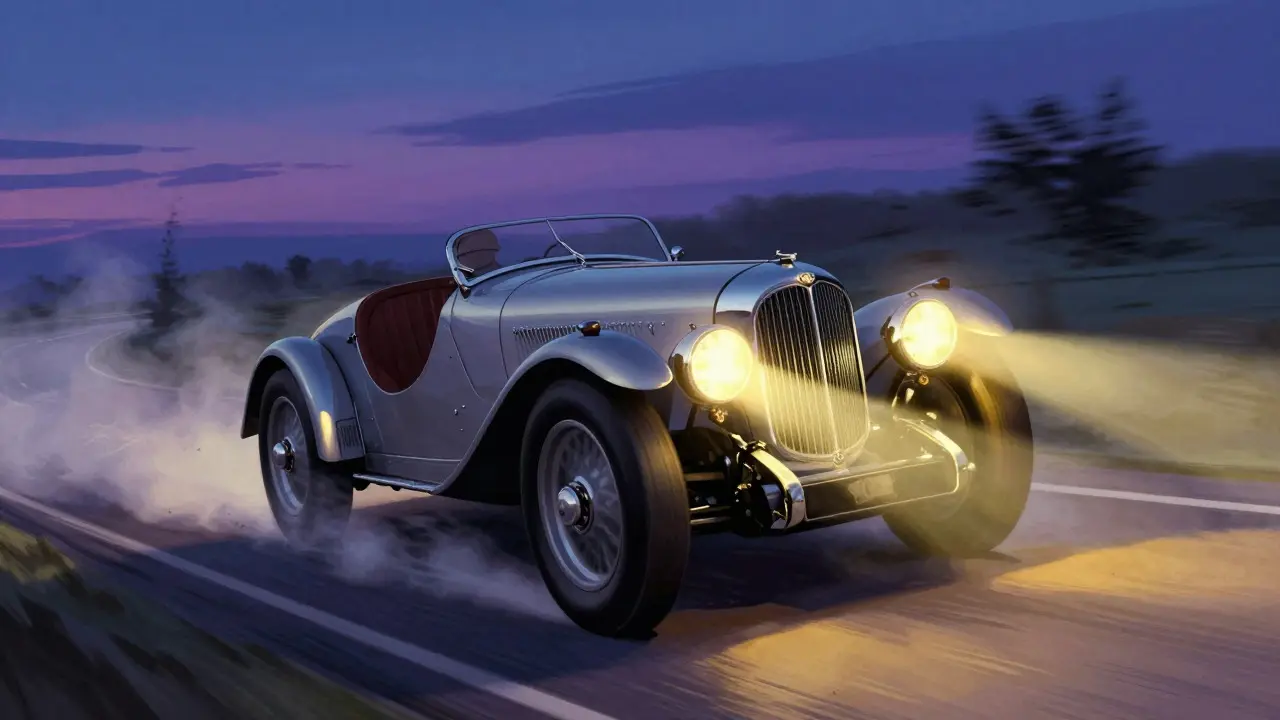
For the upper echelons of society, speed was the primary currency. Brands like Jaguar, which launched in 1935, immediately positioned themselves as fast, sporty, and modern. Their ads often used dynamic angles, showing cars leaning into curves or blurring past stationary objects. The language was visceral: "swift," "agile," "powerful." Meanwhile, established names like Bentley leveraged their racing heritage. Winning the Le Mans 24 Hours in the late 1920s gave them a halo effect that lasted decades. An ad for a Bentley might not explicitly say "fastest in the world," but the image of a race trophy next to the car spoke volumes. Speed wasn't just about getting there quicker; it was about the adrenaline rush of control and power.
The Promise of Comfort and Luxury
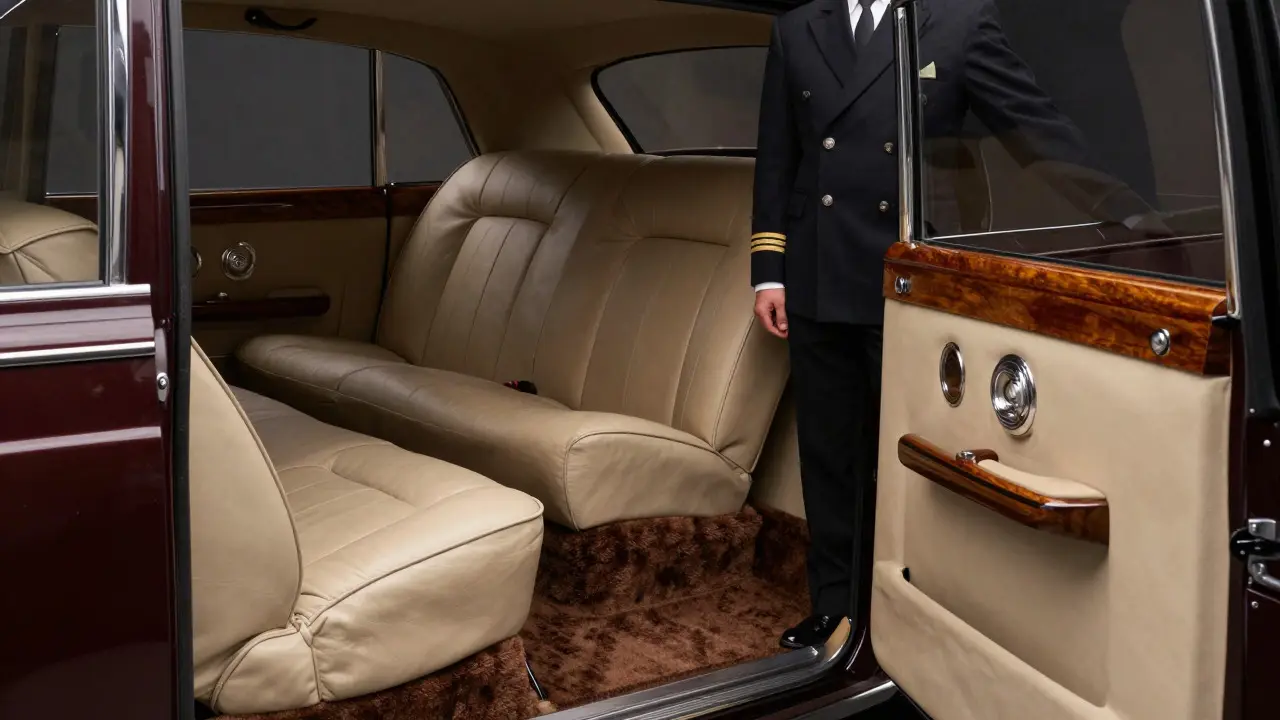
On the other end of the spectrum, comfort was king for executive buyers. Companies like Rolls-Royce perfected the art of understated luxury. Their advertising rarely shouted. Instead, it whispered. Phrases like "the best car in the world" became synonymous with silence, smoothness, and refinement. Ads often depicted chauffeurs in pristine uniforms, highlighting the social status of ownership rather than the driving experience. For these buyers, the car was a mobile office and a statement of success. The interior details-plush carpets, polished wood trim, and quiet engines-were emphasized more than top speed. This contrasted sharply with the sporty brands, creating distinct market segments that advertisers carefully maintained.
Quality as a Trust Signal
By the 1930s, reliability became a major selling point, especially as the Great Depression hit. Consumers were wary of expensive purchases that might break down. British manufacturers responded by emphasizing craftsmanship. Alfa Romeo (though Italian, heavily marketed in UK) and British rivals highlighted hand-built components. Ads would show close-ups of gears, brakes, and chassis frames, implying precision engineering. The message was clear: this car will last. In an era where service networks were sparse, a reputation for durability was worth its weight in gold. This focus on quality helped distinguish premium brands from cheaper imports, reinforcing the idea that British engineering was superior.
Visual Storytelling and Media Channels
How did these messages reach the public? Primarily through print media. Magazines like The Motor and Autocar were essential channels. These publications reached car enthusiasts and potential buyers who were already interested in the topic. Advertisers used full-page spreads with high-quality photography. The visual style evolved significantly during the interwar years. Early ads were static and text-heavy. By the late 1930s, they were cinematic, using lighting and composition to evoke emotion. Radio also played a growing role, with sponsorships of popular programs. A brand like Rover might sponsor a news bulletin, associating its name with reliability and authority. This multi-channel approach ensured that the brand story was consistent across different platforms.
The Role of Slogans and Brand Identity
Slogans became powerful tools for memorability. "The Best Car in the World" for Rolls-Royce is perhaps the most famous example, but many others used catchy phrases to stick in the mind. These slogans distilled complex engineering benefits into simple emotional promises. They created a brand identity that transcended individual models. When a consumer heard the slogan, they associated it with a specific feeling or status. This consistency was vital in a market where new models were introduced frequently. The brand name itself became a guarantee of certain attributes, whether that was speed, comfort, or quality. This strategy laid the groundwork for modern branding techniques still used today.
Legacy of Interwar Marketing Tactics
The strategies developed between 1918 and 1939 set the stage for post-war automotive marketing. The focus on lifestyle, emotional appeal, and brand differentiation remains central to car advertising today. While the media has shifted from print to digital, the core principles haven't changed. We still buy cars based on how they make us feel-whether that's freedom, status, or excitement. Understanding how British automakers navigated the interwar market offers valuable insights into the psychology of consumer behavior. It shows that selling a car has always been about selling a story, not just a product.
Frequently Asked Questions
What was the main difference between interwar and pre-war car advertising?
Pre-war ads focused heavily on technical specifications and utility, treating cars as industrial machines. Interwar ads shifted toward emotional appeals, lifestyle imagery, and brand identity, targeting consumers' desires for status, leisure, and performance.
Which British car brands were most successful in advertising during the 1930s?
Rolls-Royce dominated the luxury segment with its emphasis on quality and silence. Bentley and Jaguar captured the sporty market with speed-focused campaigns. Morris and Austin successfully targeted the mass market with value and family-oriented messaging.
How did the Great Depression affect car advertising in Britain?
The economic downturn made consumers more cautious. Advertisers responded by emphasizing durability, low maintenance costs, and long-term value. Luxury brands continued to target the wealthy, but mass-market brands highlighted affordability and reliability to reassure hesitant buyers.
Did radio play a significant role in interwar car marketing?
Yes, radio sponsorship became increasingly popular in the late 1920s and 1930s. Brands sponsored news programs and entertainment shows to associate their names with trust and popularity. This complemented print advertising and reached audiences who might not read automotive magazines.
Why was 'quality' such a strong selling point for British cars?
British manufacturing was known for hand-crafted precision and attention to detail. In an era with limited after-sales support, a reputation for build quality reduced buyer anxiety. It signaled that the car would perform reliably over time, protecting the consumer's investment.