How Volkswagen’s Global Ownership Transformed Bentley: Factories, Products, and Motorsport Wins
 May, 7 2026
Imagine a British luxury marque known for bespoke craftsmanship suddenly finding itself under the umbrella of a German mass-market giant. It sounds like a recipe for disaster, doesn’t it? Yet, this is exactly what happened when Volkswagen Group acquired a controlling stake in Bentley Motors, a move that reshaped the entire landscape of global automotive ownership.
Today, Bentley isn’t just surviving; it’s thriving. The brand has seen record profits, expanded its product lineup beyond traditional sedans, and even dominated endurance racing at the 24 Hours of Le Mans. But how did this transformation happen? It wasn’t magic. It was a calculated strategy involving factory upgrades, engineering synergies, and a bold shift in motorsport philosophy. Let’s break down how VW turned a niche luxury brand into a global powerhouse.
The Acquisition: A Strategic Masterstroke
To understand where we are, we need to look back at 1998. At that time, Bentley was struggling. Sales were flat, and the brand lacked the financial muscle to compete with rising rivals like Rolls-Royce (then owned by BMW) and Mercedes-Benz. Enter the Volkswagen Group. Under the leadership of Ferdinand Piëch, VW didn’t just buy Bentley; they bought its future.
This acquisition was part of a broader strategy to create a conglomerate of distinct brands sharing underlying technology. Think about it: why build three separate engines when you can build one excellent engine and adapt it for Audi, Porsche, Lamborghini, and Bentley? This concept, often called platform sharing, became the backbone of Bentley’s revival. By leveraging VW’s massive economies of scale, Bentley could invest heavily in design and marketing without going bankrupt on R&D costs.
The deal also secured Bentley’s independence in terms of branding. Unlike some acquisitions where the parent company strips away identity, VW allowed Bentley to keep its heritage alive while injecting modern efficiency. This balance between tradition and innovation is key to understanding the brand’s current success.
Factory Transformation: From Craftsmanship to Precision Manufacturing
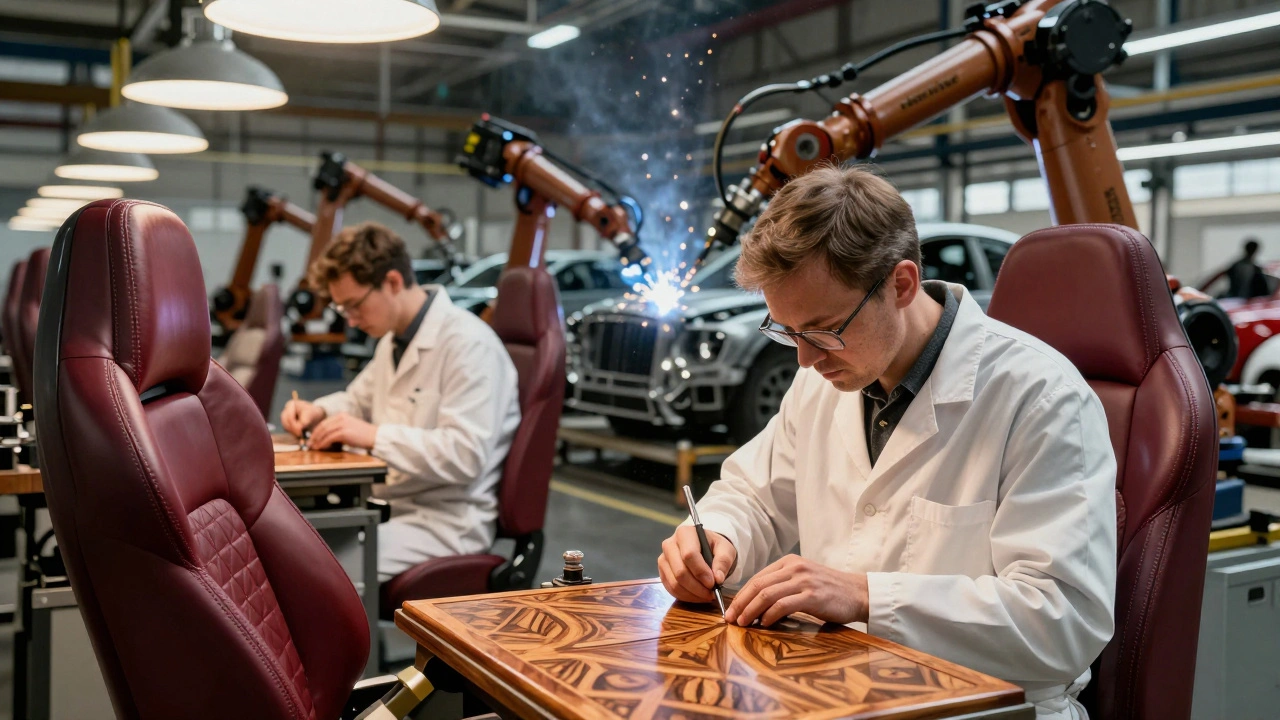
One of the first major changes happened right at the source: the Crewe factory in England. Before VW’s full integration, Bentley relied heavily on manual labor and artisanal techniques. While beautiful, this method was slow, expensive, and hard to scale. VW introduced advanced manufacturing technologies that didn’t replace the human touch but enhanced it.
They implemented robotic welding cells and automated paint shops that improved consistency and reduced waste. For example, the new body shop uses lasers to align chassis components with millimeter precision-something impossible to achieve manually every single time. This level of accuracy ensures that every Continental GT fits together perfectly, reducing rattles and improving structural rigidity.
But here’s the kicker: the robots don’t finish the car. Skilled craftsmen still hand-stitch leather seats, polish wood veneers, and assemble interiors. VW’s investment allowed Bentley to maintain this high level of customization while producing cars faster and more reliably than ever before. It’s a perfect blend of old-world charm and new-world tech.
Product Evolution: Expanding Beyond the Flying Spur
For decades, Bentley’s lineup was limited to a few models, primarily the Mulsanne and the Continental GT. While these cars were magnificent, they appealed to a narrow demographic. VW recognized that to grow, Bentley needed to reach younger buyers and those interested in SUVs.
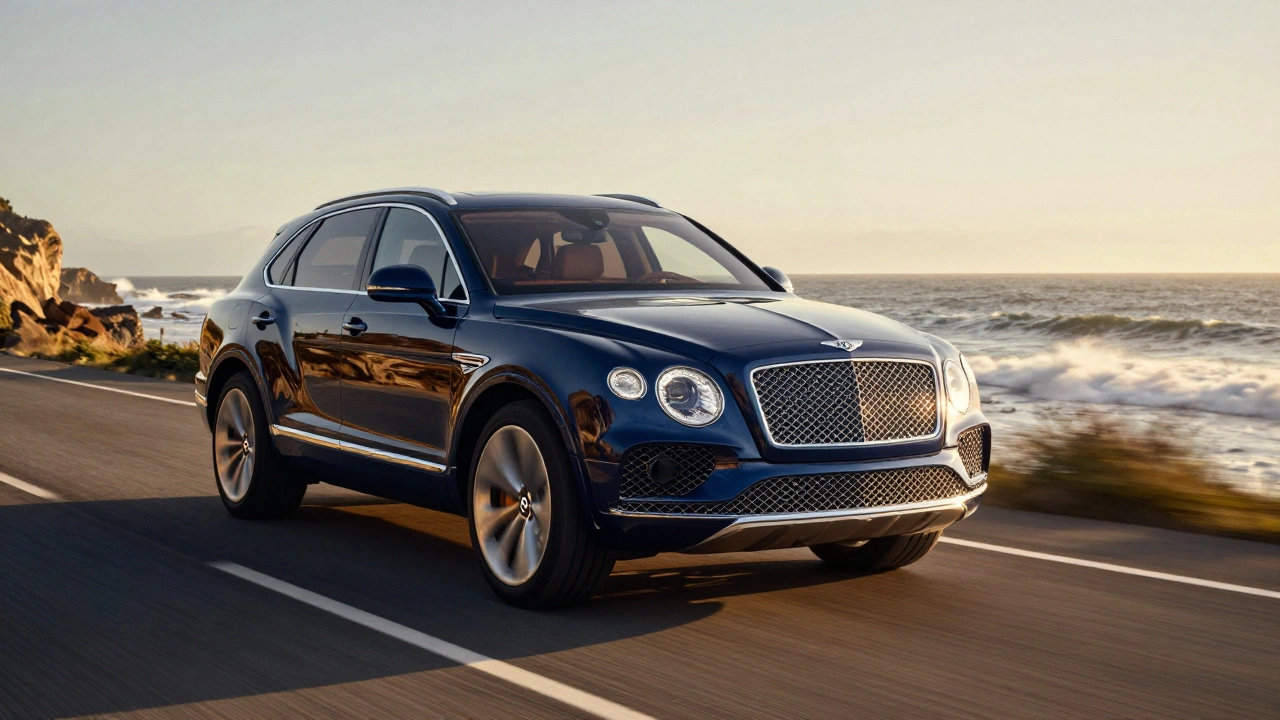
This led to the creation of the Bentayga, Bentley’s first SUV since the 1970s. Initially met with skepticism by purists, the Bentayga became a commercial juggernaut. Why? Because it combined Bentley’s luxurious interior with practicality and performance. Powered by engines derived from Audi’s V8 and W12 platforms, the Bentayga offered incredible acceleration without sacrificing comfort.
The introduction of hybrid technology also marked a significant shift. With stricter emissions regulations across Europe and globally, Bentley couldn’t rely solely on large combustion engines. The Mulliner Driving Coach series and later hybrid models showed that luxury and sustainability aren’t mutually exclusive. Today, Bentley offers plug-in hybrid options that deliver silent electric driving around town and powerful V8 performance on open roads.
| Year | Model Introduced | Key Innovation | Impact |
|---|---|---|---|
| 2003 | Continental GT | New W12 Engine | Revived brand image |
| 2012 | Bentayga | Luxury SUV Segment | Doubled sales volume |
| 2020 | Flying Spur Hybrid | Plug-in Hybrid Tech | Expanded market reach |
| 2025 | Next-Gen EV Platform | Full Electric Architecture | Future-proofing brand |
Motorsport Success: Dominance at Le Mans
If there’s one area where Bentley truly shined under VW’s influence, it’s motorsport. In the early 2000s, Bentley returned to the 24 Hours of Le Mans with the Speed 8 prototype. The result? Three consecutive victories from 2003 to 2005. These wins weren’t just about bragging rights; they proved that Bentley had the engineering prowess to compete at the highest level.
How did they do it? By leveraging resources from Audi Sport. Audi had a strong presence in Le Mans with their R8 and R10 models. Bentley used similar aerodynamic principles and engine technology, adapting them for their own chassis. The collaboration allowed Bentley to develop cutting-edge race cars without starting from scratch.
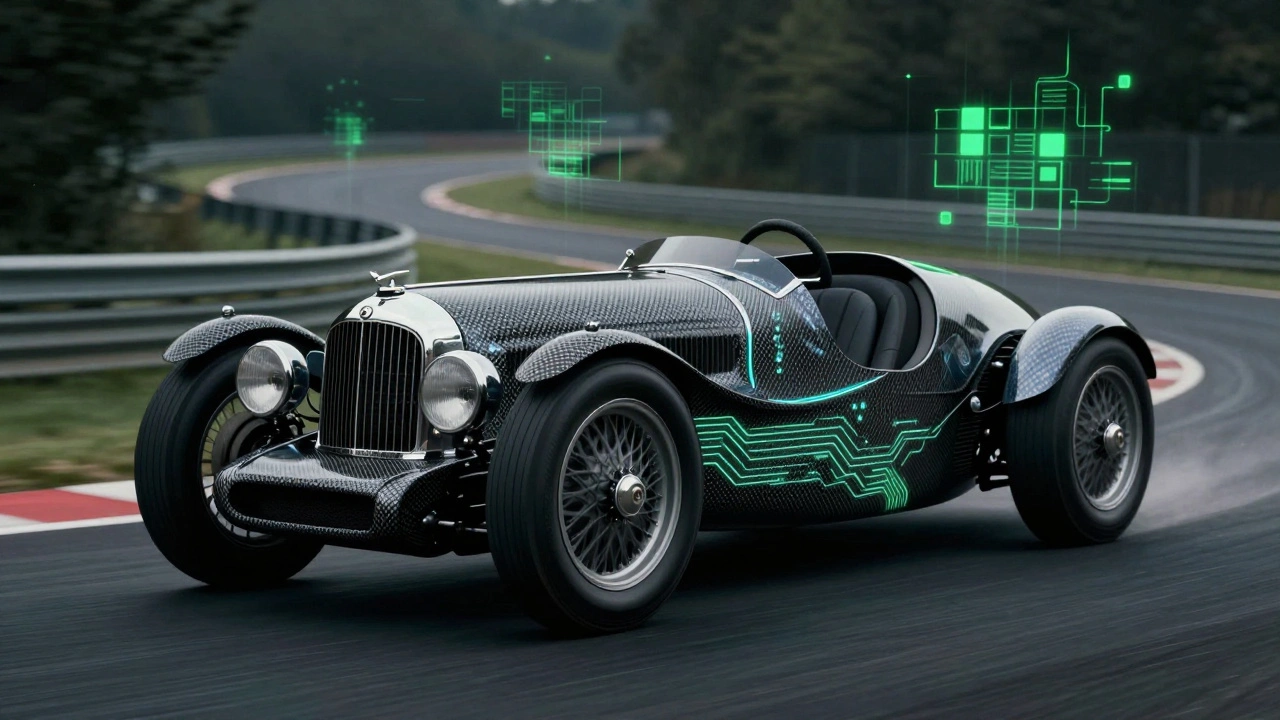
Even though Bentley no longer competes directly in Le Mans today, the legacy remains strong. The experience gained during those years influenced road car development significantly. Technologies like active suspension systems and lightweight carbon fiber structures trickled down from racing to production vehicles. This feedback loop between track and street is crucial for maintaining performance credibility.
The Role of Shared Technology Platforms
A common misconception is that shared platforms dilute brand identity. In reality, done correctly, they enhance it. Take the MLB (Modular Longitudinal Matrix) platform, which underpins the latest Continental GT and Bentayga. Developed jointly by Audi and Porsche, this platform allows for flexible packaging, meaning engineers can tweak wheelbase, ride height, and powertrain layout easily.
For Bentley, this means they can focus less on basic mechanical reliability and more on refining details unique to their brand. They spend extra time tuning dampers for smoother rides, sourcing exotic materials for interiors, and optimizing noise insulation. The platform provides a solid foundation, allowing Bentley to stand out through execution rather than invention.
Additionally, software integration has become critical. Modern cars run on complex codebases managing everything from infotainment to driver assistance systems. By sharing software architectures within the VW Group, Bentley benefits from continuous updates and security patches developed by thousands of engineers worldwide. This ensures that Bentley owners enjoy seamless connectivity and safety features comparable to premium competitors.
Challenges and Criticisms
Of course, not everyone loves the VW-Bentley relationship. Purists argue that mass-produced components undermine exclusivity. Some critics claim that Bentley’s soul lies in its individuality, something lost when parts come from shared supply chains. There’s truth to this concern, especially as automation increases.
Another challenge is balancing electrification with brand heritage. Transitioning to fully electric vehicles requires rethinking everything from battery placement to charging infrastructure. Bentley faces pressure to meet environmental goals while keeping customers happy who expect roaring engines and long-distance cruising capability. Striking this balance will define Bentley’s next decade.
Despite these challenges, Bentley continues to innovate responsibly. Their commitment to sustainability includes plans to phase out internal combustion engines entirely by 2030. This ambitious target shows willingness to evolve rather than cling to outdated practices.
Looking Ahead: What Does the Future Hold?
As we move further into the 2020s, Bentley stands at a crossroads. On one side sits tradition-the handcrafted elegance that defined generations. On the other lies progress-electric mobility, autonomous driving, and digital connectivity. Navigating this transition requires careful planning and execution.
Volkswagen’s support remains vital. With access to vast resources and expertise, Bentley can afford to take risks others might avoid. Whether launching new model lines or experimenting with sustainable materials, Bentley has the backing needed to succeed. And given past performance, optimism seems justified.
Ultimately, the story of Bentley under Volkswagen is one of adaptation. Rather than resisting change, the brand embraced it, using external strengths to amplify internal values. That approach has paid off handsomely, delivering both financial stability and cultural relevance.
Did Volkswagen save Bentley from bankruptcy?
While Bentley wasn’t technically bankrupt before the acquisition, it was financially strained. Volkswagen’s investment provided crucial capital for modernization, enabling Bentley to expand production capabilities and launch successful new models like the Continental GT and Bentayga.
Are all Bentley engines made by Volkswagen?
Most Bentley engines originate from shared VW Group platforms, particularly those developed by Audi and Porsche. However, Bentley engineers tailor each engine specifically for their vehicles, adjusting tuning parameters and adding bespoke components to ensure distinctive character.
Why did Bentley win Le Mans so consistently?
Bentley’s Le Mans success stemmed from strategic partnerships within the VW Group, especially with Audi Sport. Sharing technical knowledge and resources allowed Bentley to develop competitive prototypes quickly, leveraging proven technologies adapted for specific racing conditions.
Will Bentley stop making gas-powered cars soon?
Yes, Bentley plans to transition entirely to electric vehicles by 2030. Current models already include hybrid variants, signaling gradual shift toward zero-emission mobility while maintaining performance expectations associated with the brand.
How does platform sharing affect Bentley’s exclusivity?
Platform sharing allows Bentley to concentrate resources on differentiating factors like interior craftsmanship, exterior styling, and personalized service. Instead of reinventing core mechanics, they elevate aspects that matter most to discerning buyers, preserving perceived exclusivity despite underlying similarities.