How the 1970s UK Buyer Reaction Shattered British Leyland's Reputation
 Aug, 16 2026
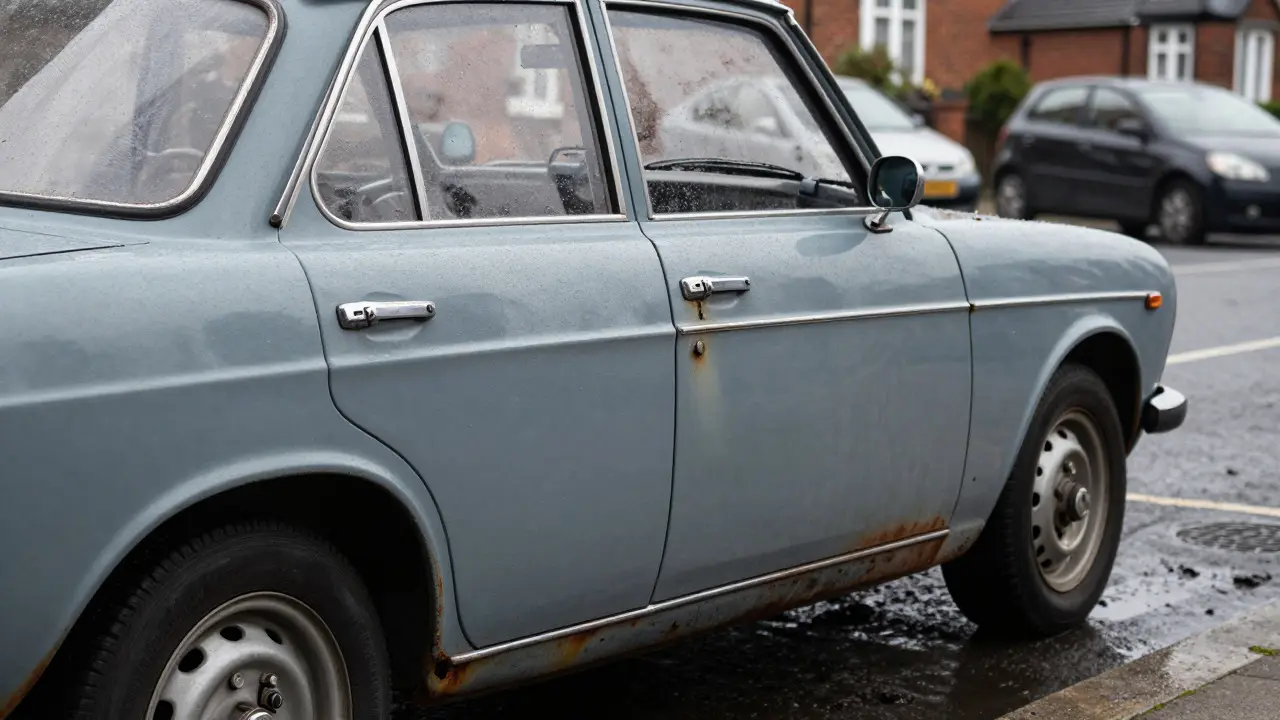
Imagine buying a new car in 1974. You hand over your hard-earned savings, expecting a machine that will last. Instead, you get a vehicle that rusts before the paint even settles and breaks down every few hundred miles. This wasn't just bad luck; it was the defining experience for millions of British drivers during the 1970s. The collapse of British Leyland is a complex industrial failure driven by chronic poor quality control, frequent labor strikes, and a total loss of consumer trust. By the mid-70s, the brand had become a punchline, synonymous with unreliability. Understanding why this happened requires looking past the headlines into the daily frustration of the average buyer.
The Erosion of Trust: What Buyers Actually Experienced
To understand the reputation damage, we have to look at the product itself. In the early 1970s, the Triumph Dolomite was a compact executive saloon intended to compete with German rivals like the Audi 80. On paper, it looked sleek. In reality, it was a nightmare for owners. Reports from owner forums and contemporary motoring magazines highlight specific failures: oil leaks, electrical gremlins, and body panels that didn't align. If you bought one, you weren't just buying a car; you were signing up for a part-time job as a mechanic.
This pattern repeated across the lineup. The MG B, once a symbol of fun and reliability, suffered from severe quality inconsistencies in its later years. Parts availability became a lottery. You might wait weeks for a simple gasket. For many buyers, the "British Leyland" badge stopped meaning engineering heritage and started meaning headache. The word-of-mouth effect was devastating. If your neighbor’s car broke down, you assumed yours would too. This social proof turned against the manufacturer faster than any advertising campaign could fix it.
The Perfect Storm: Strikes and Production Chaos
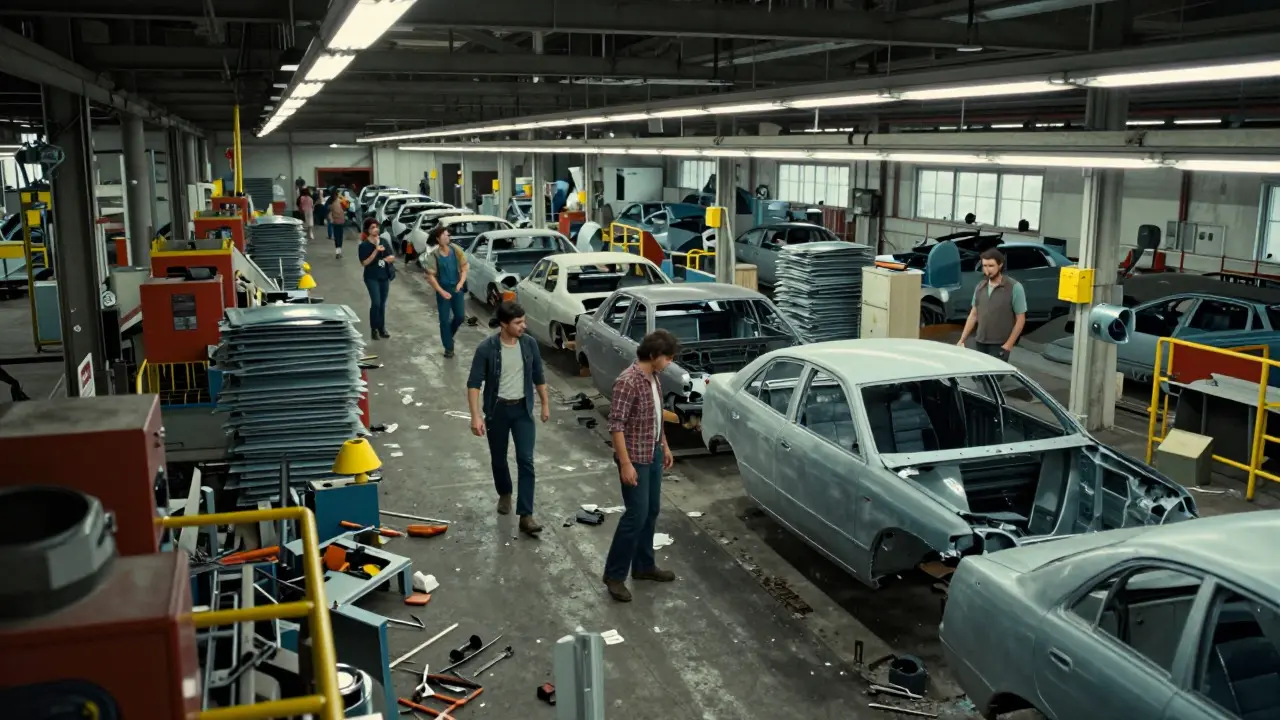
You can’t talk about 1970s British car quality without mentioning the unions. The period between 1970 and 1979 saw over 30 million lost workdays due to strikes. These weren't just walkouts; they were production stoppages that left factories idle. When workers returned, they often rushed to meet backlogs. This rush meant skipping quality checks. A panel might be fitted incorrectly because the line was moving too fast. An engine might not be torqued properly because time was short.
The result was a cycle of mediocrity. Poor quality led to more warranty claims, which strained resources, leading to further pressure on workers, which led to more strikes. It was a vicious loop. Consumers saw cars rolling off the line with visible defects. They saw dealerships arguing with customers instead of fixing cars. The perception solidified: British cars were built by angry people in chaotic environments. This narrative stuck long after the strikes ended, becoming part of the cultural memory of the era.
Shifting Preferences: Why Drivers Looked Elsewhere
As domestic options failed, where did the money go? The shift was dramatic. By the late 1970s, Japanese imports were no longer novelties; they were practical choices. Brands like Honda and Mazda offered cars that simply worked. The Ford Escort, while still British-owned, benefited from tighter American management standards compared to its Leyland siblings. Even the humble Vauxhall Vite began to see a preference shift away from its unstable counterparts due to better perceived durability.
Let’s look at the numbers. In 1975, British Leyland held roughly 30% of the UK market. By 1980, that share had eroded significantly, not just to foreign imports, but to other domestic players who managed their supply chains better. The average buyer in 1978 was making a rational decision. If Car A lasts five years and Car B lasts three, you buy Car A, regardless of national pride. The "shifting car preferences" mentioned in historical analyses aren't abstract concepts; they are the direct result of thousands of individual decisions made in frustration.
| Brand/Model | Common Complaints | Buyer Sentiment Shift | Market Consequence |
|---|---|---|---|
| British Leyland (General) | Rust, electrical faults, poor finish | From Pride to Skepticism | Loss of market share to imports |
| Triumph Dolomite | Oil leaks, alignment issues | Negative Word-of-Mouth | High return rates, low resale value |
| Honda Civic | Minimal (perceived) | Growing Trust | Entry point for Japanese dominance |
| Ford Escort | Basic build quality | Stable Preference | Maintained domestic relevance |
The Cost of Ignoring Feedback
Why didn't British Leyland fix it sooner? Partly, it was bureaucracy. The company was a massive amalgamation of different brands-Jaguar, Rover, Triumph, Austin-with conflicting cultures. Quality control was fragmented. One plant might do well; another might fail. There was no unified standard. Management often dismissed customer complaints as "griping" rather than data points. They believed the British public would always support the national champion. They were wrong.
The financial impact was staggering. Warranty costs ate into profits. Advertising budgets went up, but sales didn't follow. The company required multiple government bailouts to stay afloat. Each bailout came with conditions, but the core issue-quality-remained unresolved until it was almost too late. The reputation damage wasn't just a marketing problem; it was an existential threat. Once a brand is labeled "unreliable," it takes decades to change that mind. For British Leyland, the 1970s were the decade that broke the camel's back.
Lessons for Modern Automotive Buyers
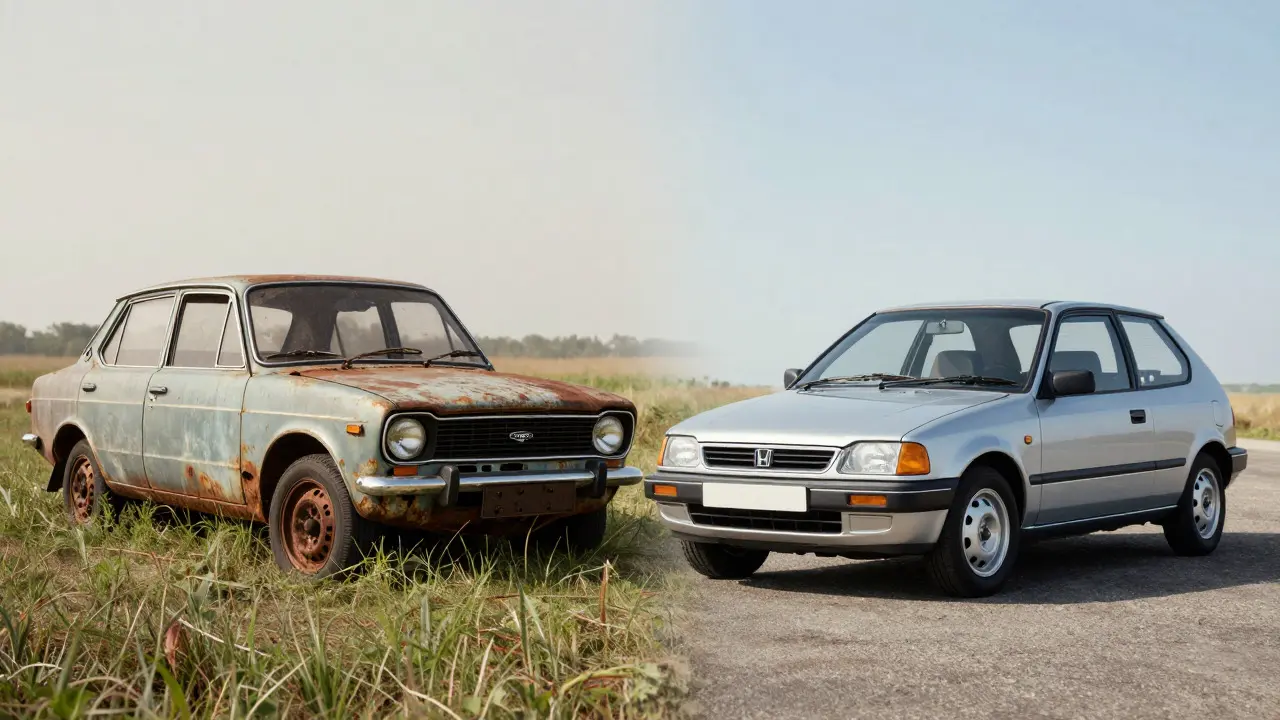
Does this history matter today? Absolutely. While modern manufacturing has improved globally, the principles remain. Buyers still rely heavily on reputation and peer reviews. A single viral video of a defect can tarnish a new model overnight. The 1970s taught the industry that consistency is king. It doesn't matter if your car is fast or stylish if it won't start on a cold morning. For collectors and enthusiasts today, this history adds context. When you see a rusty 1970s Leyland, you're not just seeing a sad car; you're seeing a snapshot of an industrial crisis. It reminds us that engineering excellence isn't guaranteed; it must be demanded and maintained.
Frequently Asked Questions
Why were 1970s British Leyland cars so unreliable?
The primary causes were frequent labor strikes that disrupted production schedules, leading to rushed assembly and skipped quality checks. Additionally, the merger of multiple distinct brands created inconsistent manufacturing standards across different plants, resulting in widespread issues like rust and electrical failures.
Did the poor reputation affect all British car brands equally?
No. While British Leyland suffered the most, other brands like Ford and Vauxhall also faced challenges but generally maintained better quality control. Ford, for instance, benefited from stricter management practices, allowing it to retain a stronger market position compared to the fragmented Leyland group.
Which cars replaced British Leyland models in the late 1970s?
Japanese imports such as the Honda Civic and Mazda 323 became popular alternatives due to their reliability. Domestically, the Ford Escort remained a strong choice. These vehicles offered consistent performance and lower maintenance costs, appealing to buyers tired of the unpredictability associated with Leyland products.
How did the government intervene in the British Leyland crisis?
The UK government provided several bailouts to prevent the complete collapse of the company, viewing it as vital to national employment. However, these interventions often focused on keeping jobs rather than enforcing strict quality improvements, which allowed the underlying problems to persist until the company's structure was eventually reorganized.
Is the reputation of 1970s British cars still relevant today?
Yes, particularly among classic car enthusiasts and historians. The era serves as a cautionary tale about the importance of quality control and customer feedback. It also influences the valuation of surviving vehicles, with certain models commanding higher prices due to rarity despite their historical reputation for unreliability.