How Rolls-Royce Defined Quality: The Pre-War Pursuit of Engineering Refinement
 Oct, 11 2026
You can hear it before you see it. Not the roar of a V12 or the clatter of a chain drive, but the silence. In the early 1900s, while other cars shook your teeth loose and smelled of unburnt fuel, a Rolls-Royce glided past like a ghost. This wasn't magic; it was a ruthless obsession with quality that started in a Manchester workshop and ended up defining what "luxury" meant for the next century.
If you think luxury is just leather seats and wood trim, you're missing the point. For Henry Royce, the engineer behind the machine, luxury was an engineering problem. It was about tolerances so tight they seemed impossible. It was about rejecting parts that were merely "good enough." How did two men-one a socialite, one a perfectionist-create a brand that became synonymous with excellence? And why does their pre-war philosophy still haunt modern car manufacturing?
The Unlikely Partnership That Changed Everything
It began in 1904, not in a boardroom, but through a mutual friend. Charles Rolls, a Cambridge-educated aristocrat who loved speed and marketing, met Henry Royce, a self-taught electrical engineer who hated noise and vibration. They had nothing in common except a shared frustration with the state of automobiles.
Royce was building small, quiet cars in his factory in Manchester. He wasn't trying to win races; he was trying to build a machine that didn't break. Rolls saw potential where others saw niche products. He told Royce, "You make the best car in the world, and I will sell it." That simple division of labor created a synergy that no amount of money could buy. Rolls brought the sales network and the prestige; Royce brought the uncompromising standards.
This partnership wasn't just business-it was a cultural clash that produced gold. Rolls wanted performance and elegance. Royce wanted reliability and silence. The result was a car that offered both, setting a new benchmark for the entire industry.
Royce’s Obsession: The Art of Over-Engineering
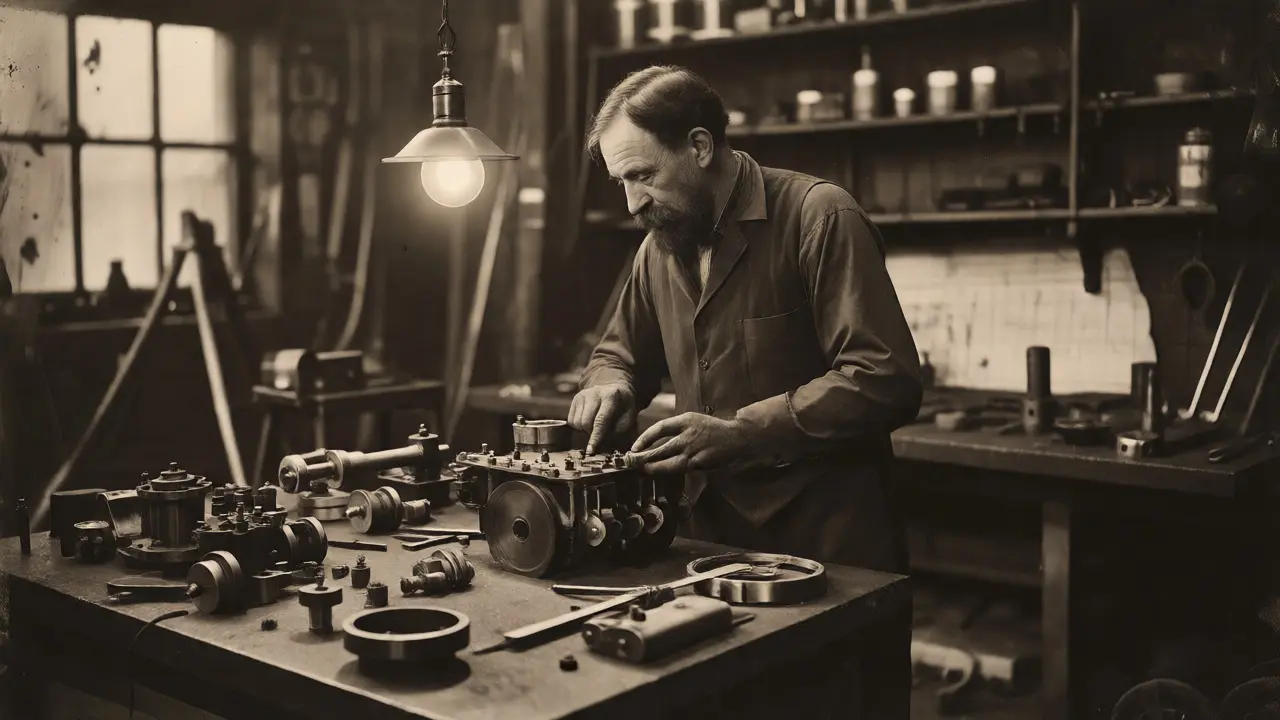
To understand how Rolls-Royce defined quality, you have to look at Royce’s workshop habits. He didn't just check parts; he interrogated them. If a component failed on the bench, it didn't go into the bin. It went back to the drawing board. Royce believed that if a part broke, it was his fault for designing it poorly, not the manufacturer's fault for making it badly.
He introduced practices that were unheard of at the time:
- Zero Tolerance for Noise: Royce spent hours listening to engines running on test beds. If he heard a tick or a hum, the design changed. He famously said, "Take the highest price you can get away with, minus the cost of the car, and put the rest into quality."
- Material Purity: While competitors used cast iron for engine blocks because it was cheap, Royce insisted on aluminum alloys for better heat dissipation and lighter weight, even though it was harder to work with.
- Testing Beyond Limits: Every engine was run for days before installation. If it didn't run perfectly after 100 hours, it was scrapped. No exceptions.
This wasn't just pedantry. It was a strategic decision. In the Edwardian era, cars were unreliable toys. By making his cars boringly reliable, Royce turned ownership into a status symbol. You weren't just rich; you were smart enough to buy the car that wouldn't leave you stranded in the rain.
The Silver Ghost: Proof of Concept
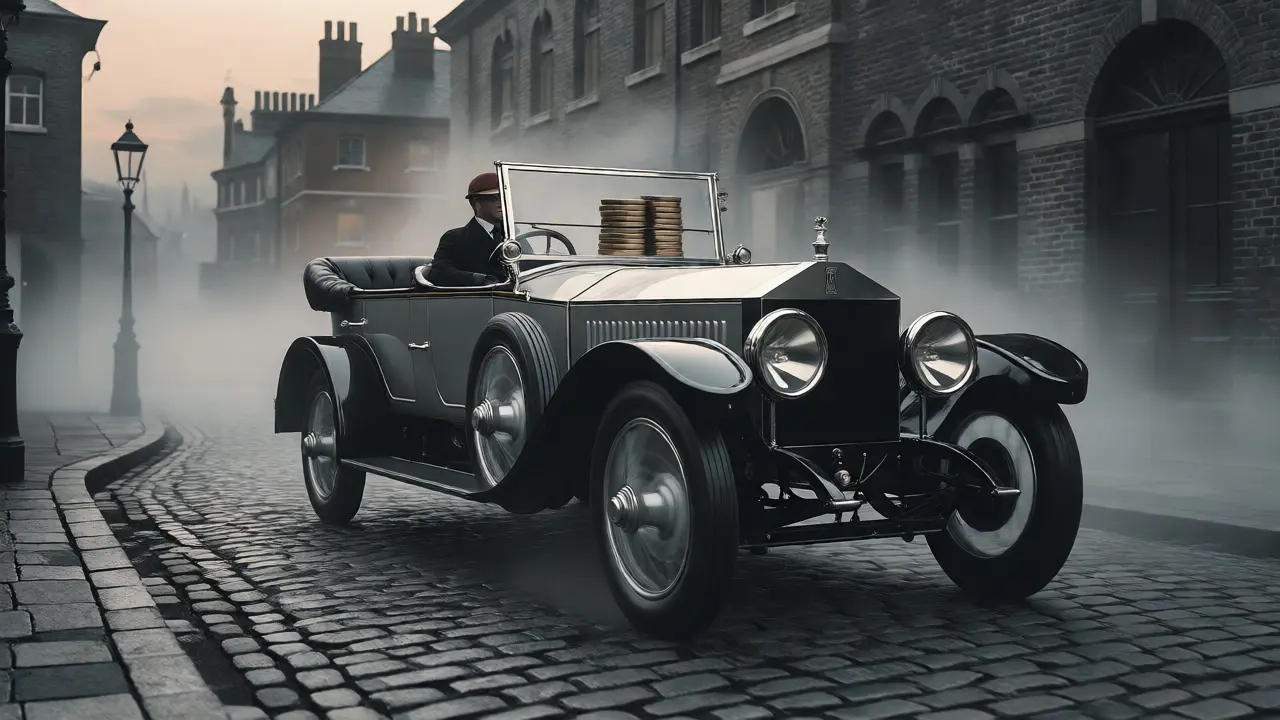
In 1907, the company launched the Silver Ghost. It wasn't named after a ghost because it was fast; it was named after its silence. One famous review described it as "the most silent car in the world," noting that you could balance a stack of coins on the dashboard while driving over cobblestones.
The Silver Ghost proved that quality could be marketed. Rolls leveraged this reputation aggressively. He organized endurance runs across Europe, challenging other manufacturers to match the Silver Ghost's mileage without repairs. Most couldn't. The car completed 15,000 miles in Scotland without a single breakdown, a feat that shocked the automotive world.
| Feature | Rolls-Royce Silver Ghost | Typical Competitor |
|---|---|---|
| Engine Type | 6-Cylinder Inline | 4-Cylinder or Twin-Cylinder |
| Vibration Control | Minimal (Precision balancing) | High (Common mechanical shake) |
| Reliability Standard | Tested for 100+ hours pre-delivery | Basic functional check |
| Price Point | Premium (£1,500+) | Moderate (£800-£1,200) |
The table above highlights the gap. While competitors focused on horsepower, Rolls-Royce focused on refinement. This shift in priorities changed consumer expectations forever.
Design Philosophy: Function Dictates Form
Before Rolls-Royce, car design was often dictated by fashion. Radiators were decorative, bodies were ornate. Royce argued that form should follow function. The radiator grille, now iconic, wasn't designed to look cool-it was designed to maximize airflow while minimizing drag. The shape evolved from engineering needs, not aesthetic trends.
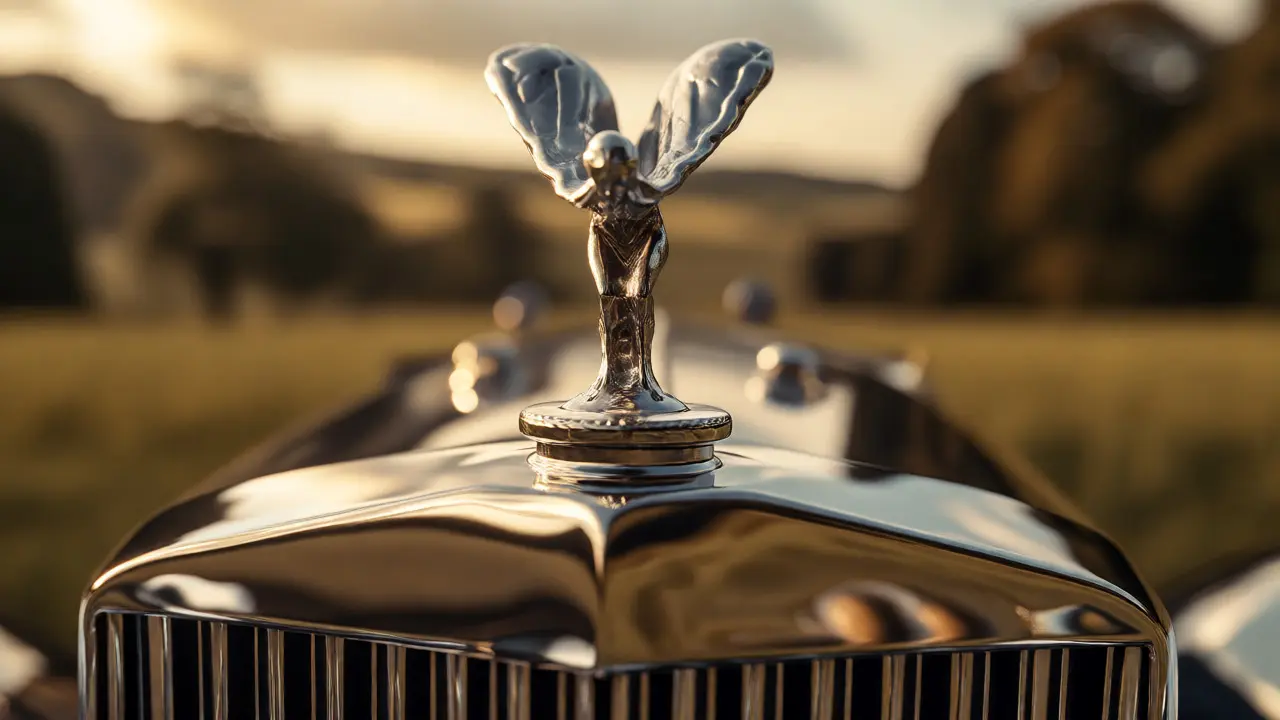
This approach extended to the interior. Leather was chosen for durability and comfort, not just appearance. Wood veneers were selected for stability against temperature changes. Every material had a purpose. When Rolls added the Spirit of Ecstasy hood ornament in 1911, it was initially an optional extra. But customers demanded it. Why? Because it signaled membership in an elite club of people who valued precision.
The design language was understated. No flashy colors, no excessive chrome. Just clean lines and perfect proportions. This minimalism was radical in an era of excess. It suggested confidence-the idea that the car didn't need to shout to be heard.
The Impact of World War I on Quality Standards
When World War I broke out, Rolls-Royce pivoted to aircraft engines. This might seem like a distraction, but it reinforced their commitment to quality. Aircraft engines required absolute reliability-a failure meant death, not inconvenience. The lessons learned in aviation fed back into car production.
Royce adapted his testing protocols for aviation standards, which were stricter than anything in the automotive industry. After the war, these higher standards remained. The company continued to use aerospace-grade materials and testing methods in their cars. This cross-pollination elevated the entire brand.
Moreover, the war disrupted supply chains, forcing Rolls-Royce to innovate in sourcing. They couldn't rely on external suppliers for critical components, so they brought more production in-house. Vertical integration ensured that every part met their exacting specifications. This control over the supply chain became a cornerstone of their quality assurance strategy.
Why Their Approach Still Matters Today
Modern car manufacturers talk about "quality" all the time, but few mean it the way Royce did. Today, quality often means consistency-every car looks the same. For Rolls-Royce, quality meant perfection-even if it took longer to achieve.
Consider the difference between mass production and craftsmanship. A modern assembly line prioritizes speed. Royce prioritized outcome. If a door didn't close with the right sound, it was adjusted until it did. This attention to detail created emotional connections with customers. Owners didn't just buy a car; they bought a piece of art that worked.
There are lessons here for any business:
- Solve Problems Before They Happen: Don't wait for customer complaints. Anticipate failures and design them out.
- Quality is a Marketing Tool: Let your product's reliability speak louder than advertising.
- Invest in Materials: Cheap inputs lead to expensive outcomes. High-quality materials reduce long-term maintenance costs.
Rolls-Royce didn't define quality by meeting standards-they defined the standards themselves. They showed that when you refuse to compromise, customers notice. And they pay for it.
Frequently Asked Questions
What made Rolls-Royce different from other luxury car makers in the early 1900s?
Most luxury car makers focused on styling and exclusivity. Rolls-Royce focused on engineering refinement and reliability. Henry Royce insisted on near-perfect tolerances and rigorous testing, creating cars that were quieter and more durable than competitors, which became their primary selling point.
Did Charles Rolls actually know about engineering?
Not deeply. Charles Rolls was a skilled marketer and salesman with a passion for motoring, but he relied entirely on Henry Royce for technical expertise. Their partnership worked because they respected each other's domains: Rolls handled the business and image, while Royce controlled the engineering and quality.
Why was the Silver Ghost considered revolutionary?
The Silver Ghost demonstrated that a large, powerful car could also be incredibly smooth and reliable. Its ability to complete long-distance journeys without breakdowns, combined with its near-silent operation, set a new benchmark for what a luxury automobile should be.
How did World War I influence Rolls-Royce's engineering?
During WWI, Rolls-Royce produced aircraft engines, which required even higher reliability standards than cars. The lessons learned in aviation, such as stricter material testing and tighter tolerances, were applied back to automotive production, further enhancing their reputation for quality.
Is the "Spirit of Ecstasy" original to the pre-war era?
Yes, the Spirit of Ecstasy hood ornament was introduced in 1911. Designed by Charles Sykes, it quickly became an optional accessory that many owners requested, eventually becoming standard. It symbolized the grace and elegance associated with the brand.