How Racing Tech Transforms Brakes, Cooling, and Materials in British Road Cars
 May, 6 2026
Imagine driving a car that handles like it just finished a lap at Le Mans, but you’re actually commuting to work. That’s the promise of racing tech transfer, which is the process of adapting high-performance technologies developed for motorsport into everyday consumer vehicles. For decades, British manufacturers have led this charge, turning their success on the track into tangible benefits for drivers on the street. It’s not just about speed; it’s about safety, reliability, and efficiency.
When you buy a modern British road car, you aren’t just buying transportation. You are buying the distilled knowledge of thousands of hours spent pushing metal and rubber to the breaking point. From the carbon-fiber brakes in supercars to the advanced cooling systems in family SUVs, the lineage is clear. But how exactly does this technology move from the pit lane to your driveway? And what specific innovations should you look for?
The Evolution of Brake Technology
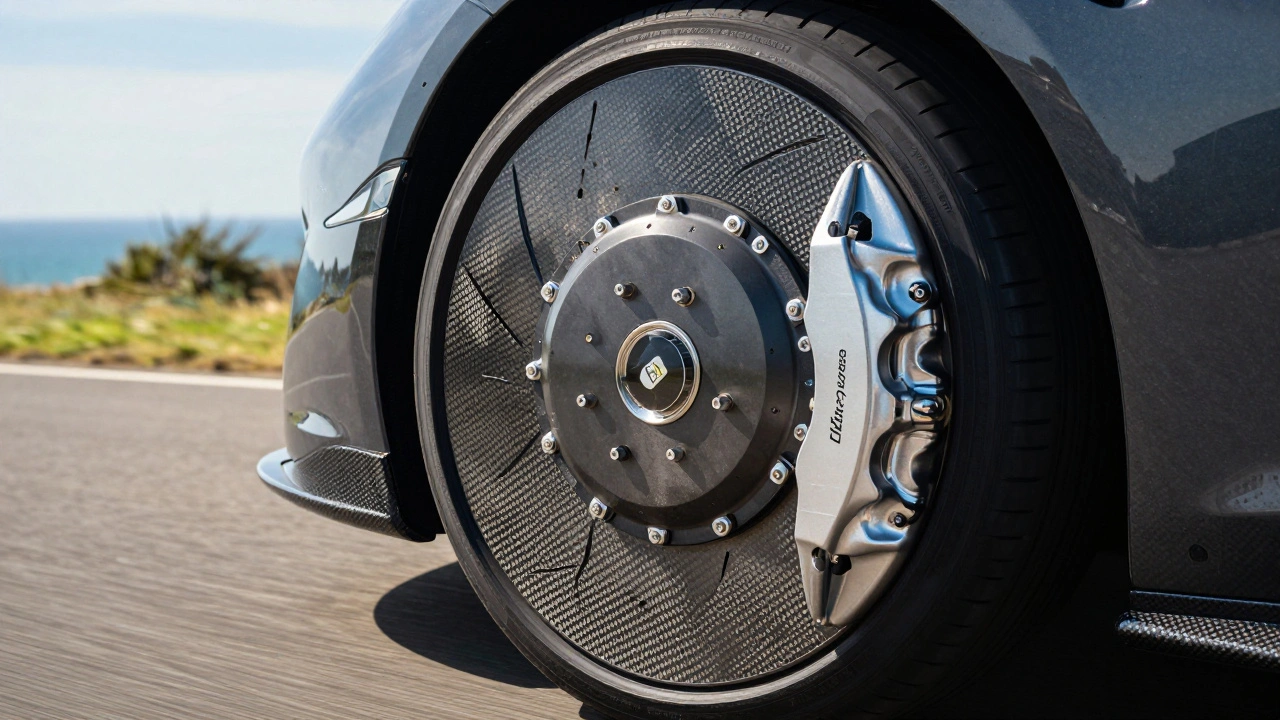
Brakes are perhaps the most critical safety component in any vehicle, and nowhere is the demand for performance higher than in racing. In Formula 1 or GT racing, brakes must withstand temperatures exceeding 1,000°C (1,832°F) repeatedly without fading. Traditional steel brakes would warp or fail under such conditions. This necessity drove the invention of carbon-ceramic composites, which are brake discs made from carbon fiber reinforced with silicon carbide, offering superior heat resistance and lighter weight compared to traditional steel.
British engineering firms like AP Racing, a leading manufacturer of high-performance braking systems used in both motorsport and luxury road cars, pioneered these materials. Initially, these brakes were reserved for hypercars costing hundreds of thousands of pounds. However, as manufacturing costs decreased, the technology trickled down. Today, many premium British road cars offer carbon-ceramic options as standard or optional equipment.
The benefit for the average driver isn’t just stopping faster-it’s consistency. Steel brakes fade after repeated hard stops, becoming less effective. Carbon-ceramic brakes maintain their performance regardless of temperature. If you frequently drive in hilly terrain or tow heavy loads, this technology provides peace of mind. Moreover, because they are significantly lighter, they reduce unsprung weight, improving ride comfort and handling stability.
Advanced Cooling Systems: Beyond the Radiator
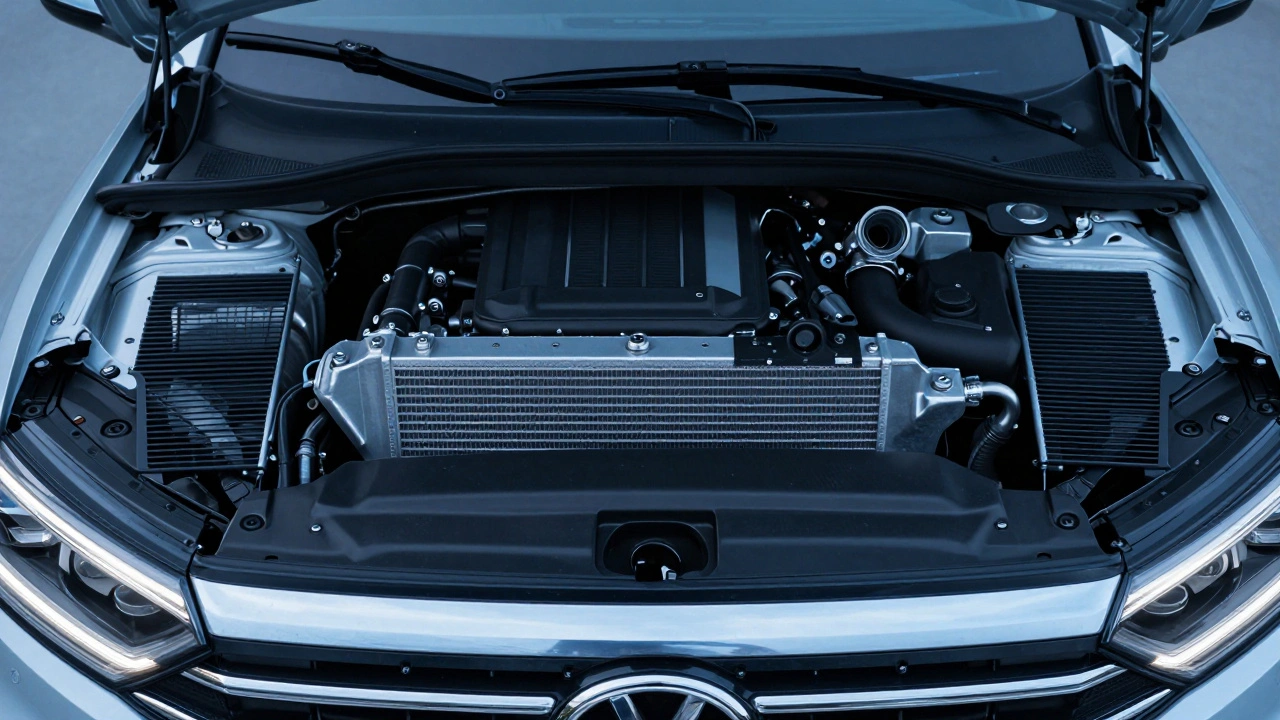
If brakes generate extreme heat, engines and transmissions produce even more. In racing, every degree of temperature rise can mean the difference between victory and mechanical failure. This has led to sophisticated thermal management systems, which are complex networks of radiators, intercoolers, and active airflow controls designed to regulate engine and component temperatures.
British manufacturers have long excelled in this area. Consider the development of active grille shutters, which are movable flaps in the front grille that open to allow airflow for cooling and close to reduce drag when cooling is not needed. Originally designed to help race cars manage aerodynamic drag while maintaining optimal engine temperatures, these shutters are now common in mainstream British sedans and SUVs.
These systems work by using sensors to monitor engine temperature, coolant flow, and ambient air conditions. When the engine is warm and cruising at highway speeds, the shutters close, reducing air resistance and improving fuel efficiency. When you accelerate hard or climb a hill, they open instantly to maximize cooling. This dynamic approach ensures that your car runs efficiently without overheating, a direct translation from the precision required in endurance racing.
Furthermore, oil coolers and transmission coolers derived from racing designs help protect vital components. In a race car, the transmission undergoes brutal shifts; in a road car, it deals with stop-and-go traffic. The robust cooling solutions borrowed from racing ensure that your gearbox lasts longer and performs better, even in extreme summer heat.
Materials Science: Lighter, Stronger, Safer
Weight is the enemy of performance. In racing, shedding grams means faster acceleration, shorter braking distances, and less tire wear. To achieve this, engineers turned to advanced materials like aluminum alloys, which are lightweight metallic mixtures used extensively in automotive chassis and body panels to reduce overall vehicle weight, and carbon fiber reinforced polymer (CFRP), which is an extremely strong and lightweight composite material made of carbon fibers embedded in a polymer matrix.
British companies have been at the forefront of aluminum usage. Brands like Jaguar Land Rover and Aston Martin utilize aluminum-intensive architectures to keep vehicles light yet rigid. This technique, known as "monocoque" construction, was refined in Formula 1 before being adapted for road cars. The result is a stiffer body that improves handling and reduces noise, vibration, and harshness (NVH).
Carbon fiber, once exclusive to the cockpit of a Formula 1 car, now appears in the roof panels, doors, and even entire bodies of high-end British sports cars. While still expensive, its use has expanded due to advancements in automated manufacturing processes. For the everyday driver, this means a car that feels agile and responsive, with improved fuel economy because the engine doesn’t have to work as hard to move the vehicle.
Safety also benefits from these materials. High-strength steel and aluminum crumple zones absorb impact energy more effectively than older designs, protecting occupants in a collision. The same materials that allow a race car to survive a high-speed crash are now safeguarding families in suburban accidents.
Aerodynamics: Efficiency Meets Performance
Aerodynamics in racing is often associated with downforce-pressing the car onto the track for better grip. On the road, however, the goal is primarily to reduce drag for better fuel efficiency and lower wind noise. Yet, the principles remain similar. Computational Fluid Dynamics (CFD), which is a branch of fluid mechanics that uses computer simulations to analyze and solve problems involving fluid flows, widely used in automotive design, allows engineers to visualize airflow around a car before building a single prototype.
British designers use CFD data to shape everything from the front bumper to the rear spoiler. Features like diffusers, originally designed to manage airflow under a race car, are now integrated into the rear bumpers of luxury sedans to improve stability at high speeds. These subtle changes might not be visible to the naked eye, but they make a significant difference in how the car behaves on the motorway.
Active aerodynamics take this further. Some British models feature adjustable rear wings or front splitters that deploy automatically based on speed and driving conditions. At low speeds, they remain retracted to minimize drag and improve visibility. At high speeds, they extend to provide additional downforce, keeping the car planted and stable. This adaptability mirrors the setup changes made by race engineers during a weekend, tailored to the specific demands of each session.

Real-World Impact: What It Means for You
So, why does this matter to you as a daily driver? The transfer of racing technology brings three key advantages: longevity, efficiency, and confidence.
- Longevity: Components designed for the rigors of racing tend to last longer in normal driving conditions. A suspension system built to handle curbs at 200 mph will easily cope with potholes at 30 mph.
- Efficiency: Advanced cooling and aerodynamic features reduce fuel consumption and emissions, saving you money at the pump and helping meet environmental regulations.
- Confidence: Knowing that your brakes, steering, and chassis are derived from proven racing platforms gives you peace of mind. You trust your car to perform predictably, whether you’re merging onto a highway or navigating a rainy country lane.
This isn’t just marketing hype. It’s engineering reality. Every time you press the brake pedal, shift gears, or steer through a corner, you’re experiencing the culmination of years of research and development funded by millions of dollars in racing budgets.
The Future of Tech Transfer
As the automotive industry moves toward electrification, the nature of tech transfer is evolving. Electric vehicles (EVs) don’t have complex internal combustion engines, but they face new challenges: battery thermal management and regenerative braking integration.
Racing series like Formula E are becoming the new testing grounds for these technologies. British teams competing in Formula E are developing advanced liquid cooling systems for batteries and power electronics. These systems ensure that EVs charge quickly, discharge efficiently, and operate safely under all conditions. Soon, you’ll see these cooling techniques in mainstream electric cars, allowing for faster charging times and longer battery life.
Additionally, software-defined vehicles are blurring the lines between hardware and software. Data analytics from racing telemetry are being used to optimize drive modes, predictive maintenance, and even autonomous driving features. The same algorithms that help a driver find the perfect racing line are now helping your car navigate city traffic safely.
What is racing tech transfer?
Racing tech transfer is the process of taking technologies developed for high-performance motorsport applications and adapting them for use in consumer road vehicles. This includes improvements in materials, braking systems, cooling mechanisms, and aerodynamics.
Do carbon-ceramic brakes require special maintenance?
Yes, carbon-ceramic brakes need a break-in period where they are heated and cooled gradually to bond the friction material properly. They also produce less dust than steel brakes, keeping wheels cleaner, but they are more expensive to replace if damaged.
How do active grille shutters improve fuel economy?
By closing the grille shutters when maximum cooling isn't needed, the car experiences less aerodynamic drag. This reduced resistance means the engine works less hard to maintain speed, leading to improved fuel efficiency and lower emissions.
Are aluminum bodies safer than steel ones?
Aluminum bodies can be just as safe, if not safer, than steel ones when engineered correctly. Aluminum is lighter, which improves handling and fuel efficiency. Modern crash structures use a mix of high-strength steel and aluminum to absorb impact energy effectively.
Will tech transfer become more important with electric vehicles?
Absolutely. As EVs become dominant, racing series like Formula E are crucial for developing battery cooling, powertrain efficiency, and regenerative braking systems. These technologies will directly influence the performance and range of future electric road cars.