How Motorsport Shapes British Culture: Clubs, Media, and Fans
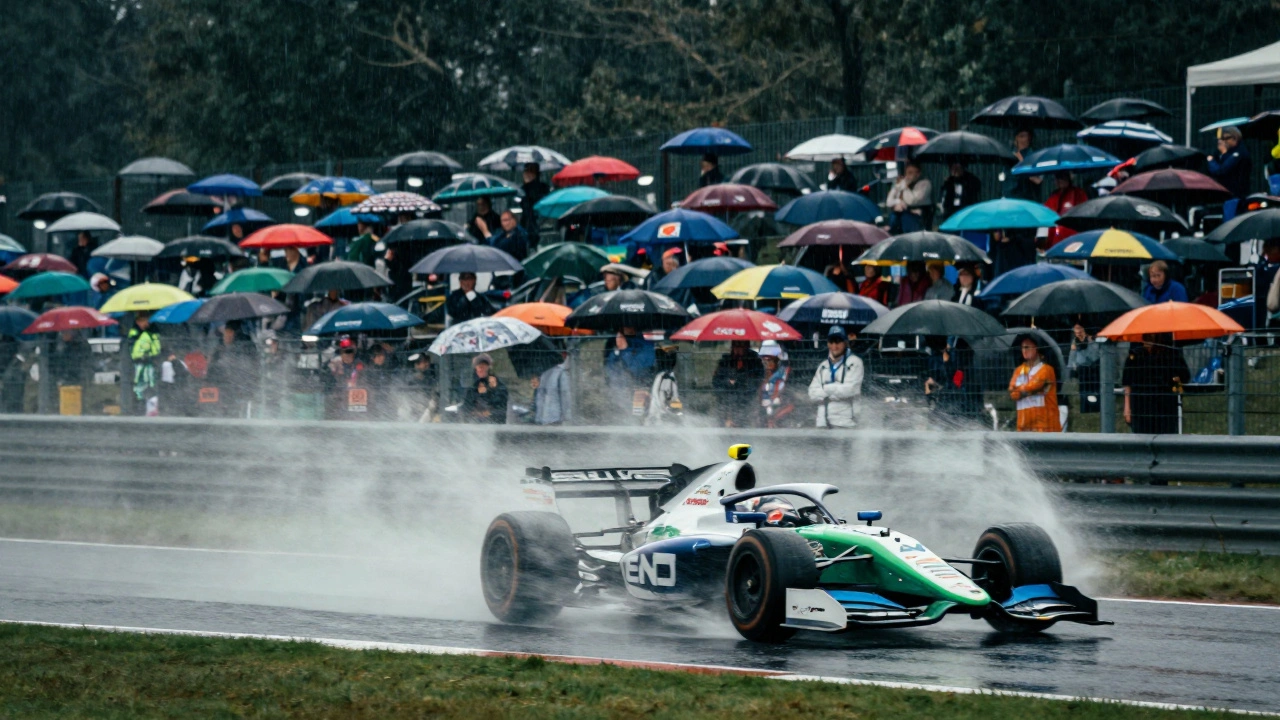 Apr, 3 2026
Quick Takeaways: The British Racing Spirit
- Motorsport acts as a social bridge, connecting diverse socio-economic groups through shared technical passions.
- The UK's "Motorsport Valley" creates a unique ecosystem where engineering excellence meets cultural pride.
- Fan communities have evolved from local club meetings to massive digital hubs and global events.
- Media coverage has shifted from static reporting to immersive, personality-driven storytelling.
The Heartbeat of the Grassroots: Racing Clubs
Long before the glitz of million-dollar sponsorships, the British racing scene was built in the garages of local enthusiasts. Motorsport Clubs is a network of organized groups that provide the infrastructure for amateur racing, licensing, and community support in the UK. These clubs are the unsung heroes of British motorsport culture, acting as the primary entry point for young drivers and lifelong mechanics.
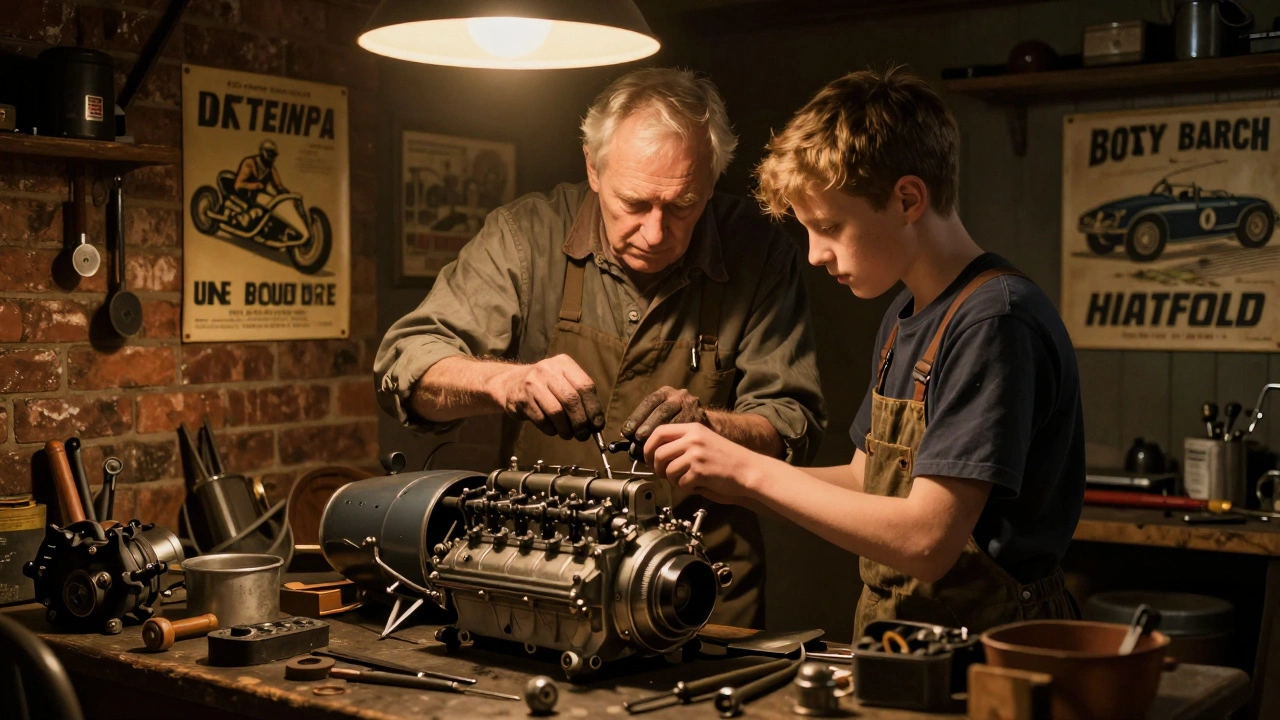
Think about a typical local club. It's not just about the race day. It's the Tuesday night meetings where a retired engineer teaches a teenager how to tune a carburetor. These spaces create a mentorship loop that is rare in other sports. In the UK, the jump from a local karting track to a professional series is a well-trodden path, supported by a culture that values "tinkering." This habit of modifying cars in a driveway is a cultural trait that has turned the UK into a global powerhouse for chassis design and engine tuning.
These clubs also preserve a specific kind of social etiquette. There is a deep respect for the "gentleman driver" tradition, mixed with a gritty, working-class passion for machinery. Whether it's a historic car club preserving Jaguars from the 1960s or a modern drift club focusing on Japanese imports, the goal is the same: finding a tribe that speaks the language of torque and apexes.
The Power of the Press: Media and Storytelling
How did a sport that happens in a loud, distant circle of asphalt become a national obsession? The answer lies in the media. For decades, the British press didn't just report results; they created myths. Autosport is a leading global motorsport publication based in the UK that provides technical analysis and deep-dive reporting on racing. Publications like this, along with the broadsheets, turned drivers into folk heroes.
The narrative shifted from the car to the man. In the 1960s and 70s, the media focused on the "daredevil" persona, painting drivers as romantic figures flirting with danger. Today, that has evolved into a more complex psychological study. We see this clearly in how the media handles the rivalry between British drivers. When two Brits fight for a world title, the press doesn't just cover the race; they cover the clash of personalities, the regional differences, and the national stakes. It turns a sporting event into a cultural soap opera.
The rise of digital media has further decentralized this. We've moved from waiting for the Monday morning newspaper to real-time telemetry and driver vlogs. This transparency has stripped away the mystery of the paddock but added a new layer of intimacy. Fans now feel they have a direct line to the cockpit, making the emotional investment much higher. When a driver succeeds, the fan feels a personal victory because they've followed the journey via Instagram and YouTube in real-time.
| Era | Primary Medium | Community Focus | Cultural Driver |
|---|---|---|---|
| 1950s-70s | Print / Radio | Local Clubs | Bravery & Engineering |
| 1980s-2000s | Television (BBC/ITV) | Grandstand Fans | Nationalism & Stardom |
| 2010s-Present | Streaming / Social Media | Global Digital Hubs | Lifestyle & Personalities |
The Fan Experience: From Grandstands to Digital Forums
The British fan is a unique breed. There's a specific blend of technical skepticism and fierce loyalty. You'll find fans at Silverstone, a historic racing circuit in Northamptonshire, England, known as the home of British motorsport and the host of the British Grand Prix, who can explain the aerodynamic flaws of a front wing while eating a burger in the rain. This "armchair engineer" culture is a direct result of the UK's proximity to the sport's technical heart.
Fan communities have shifted from being passive spectators to active participants. In the past, you'd go to the track, cheer, and go home. Now, the community exists 365 days a year. Online forums and social media groups allow fans to dissect every millisecond of a pit stop. This has created a "globalized localism." A fan in Manchester can collaborate with a fan in Tokyo to analyze a race, yet they both share a specific affinity for the British way of racing-a preference for grit, tactical brilliance, and a bit of underdog spirit.
Moreover, the fan experience has become a lifestyle choice. It's no longer just about the race; it's about the apparel, the sim-racing rigs in spare bedrooms, and the pilgrimage to the "Motorsport Valley" region. The act of following a driver has become a way for people to find a sense of belonging in an increasingly digital world. The physical gathering at a race weekend serves as a ritual-a way to reaffirm their identity as part of a specialized, knowledgeable elite.
Motorsport Valley: The Economic and Social Engine
You can't talk about the culture without mentioning Motorsport Valley, a geographical cluster of high-performance engineering companies in the English Midlands. This isn't just an industrial zone; it's a cultural landmark. The concentration of expertise in this area has created a specialized workforce where the community's identity is tied to technical superiority.
This region proves that motorsport isn't just a hobby-it's a massive economic driver that feeds back into the national psyche. When a British team wins a championship, it's not just a win for the driver; it's a win for the hundreds of engineers and carbon-fiber specialists working in sheds and factories across Northamptonshire and Oxfordshire. This creates a deep sense of regional pride. It's the equivalent of a shipbuilding town's pride in its docks, but updated for the 21st century.
The spillover effect is everywhere. The technology developed for the track-like carbon fiber composites and advanced telemetry-eventually finds its way into consumer cars and aerospace. This means the average Brit, even if they've never visited a track, is benefiting from the culture of racing. The pursuit of the "perfect lap" drives innovation that alters the way the entire country thinks about transport and efficiency.
The Shift Toward Sustainability and New Frontiers
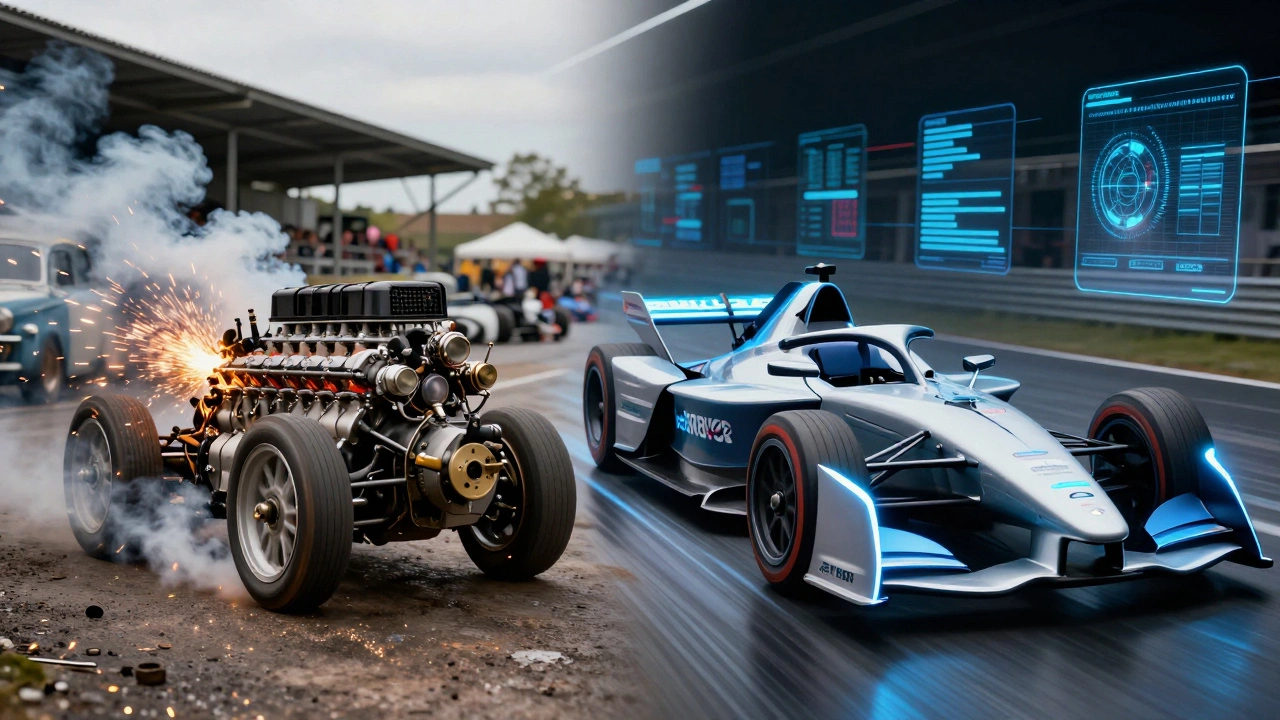
We are currently witnessing a cultural pivot. The roar of the internal combustion engine, once the soundtrack of British weekends, is being joined by the whine of electric motors. This is causing a bit of a cultural rift. For the traditionalist, the soul of motorsport is the noise and the smell of petrol. For the new generation, the appeal is in the software, the instant torque, and the ethical imperative of sustainability.
This tension is where the most interesting cultural growth is happening. New clubs are forming around Formula E, a series of electric racing car races city-based racing championship, and synthetic fuels. The community is learning to redefine what "performance" means. It's moving from pure power to efficiency. This mirrors the broader British societal shift toward green energy, making motorsport a microcosm of the country's struggle to balance heritage with the future.
Furthermore, the democratization of racing through sim-racing has changed who gets to be a "fan." You no longer need a trust fund to be a competitive driver. A kid in a council estate with a steering wheel and a PC can now compete on the same virtual tracks as the pros. This is breaking down the old class barriers that once defined the sport, making the community more inclusive and diverse than ever before.
Why is the UK so dominant in motorsport?
The UK's dominance stems from a combination of "Motorsport Valley," a dense cluster of engineering firms, and a long history of grassroots clubs that encourage technical experimentation. This ecosystem allows for a rapid exchange of ideas between designers, mechanics, and drivers, creating a self-sustaining cycle of innovation.
How has the media changed the way fans perceive racing?
Media has shifted the focus from the machinery to the human element. By highlighting the psychological struggles, personal rivalries, and behind-the-scenes drama, the media has transformed racing from a technical exhibition into a personality-driven narrative, increasing emotional engagement among casual viewers.
Are traditional racing clubs still relevant in the digital age?
Yes, though their role has evolved. While digital forums handle the data and discussion, physical clubs provide the essential mentorship, hands-on technical training, and social bonding that cannot be replicated online. They remain the primary pipeline for talent entering the sport.
What is the impact of sim-racing on British motorsport culture?
Sim-racing has democratized the sport. It has lowered the barrier to entry, allowing people from all socio-economic backgrounds to develop professional-grade skills. This is expanding the fan base and diversifying the pool of talent available to professional teams.
How is the transition to electric vehicles affecting the fan base?
It's creating a generational divide. Older fans often miss the visceral sensory experience of petrol engines, while younger fans are more attracted to the tech-centric, sustainable nature of electric racing. However, this is driving a new wave of innovation in how races are presented and experienced.
What to do next
If you're looking to get involved in the scene, start by finding a local chapter of a registered motor club. Most are welcoming to newcomers who are willing to get their hands dirty. If you're more of a tech enthusiast, look into sim-racing leagues that mirror real-world British championships-it's the fastest way to understand the tactical side of the sport without spending a fortune.
For those interested in the business or engineering side, explore the careers offered within the companies in the Midlands. The region is always looking for fresh talent in materials science, data analytics, and aerodynamics. Whether you're a fan or a professional, the best way to experience this culture is to move from the grandstands to the paddock.