How British Automakers Built Global Dealer Networks in the Postwar Era
 Aug, 16 2026
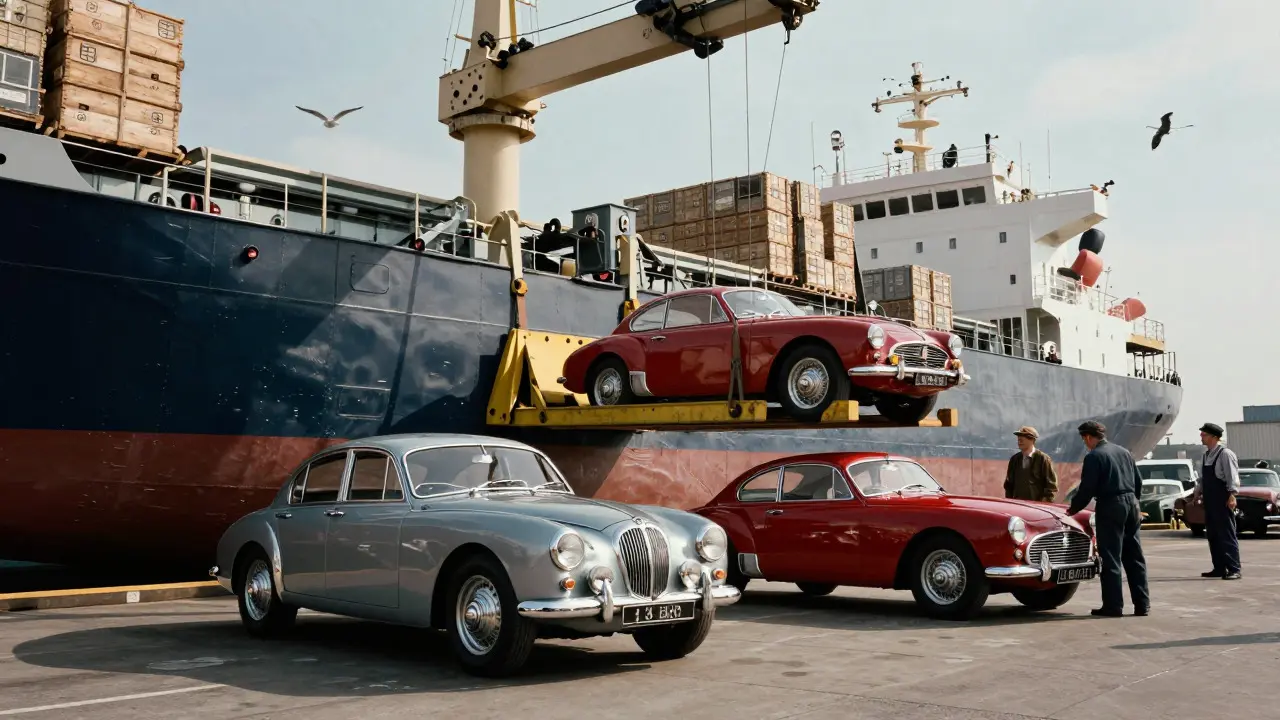
Imagine owning a Rover in Sydney or a Jaguar in New York in 1958. You aren't just buying a car; you're betting on a support system that spans oceans. For British automakers, the postwar boom wasn't just about selling metal and rubber-it was about building a web of trust that kept engines running thousands of miles from their factories. The success of brands like Austin and Morris abroad depended entirely on how well they could get a specific carburetor gasket to a mechanic in Toronto within days, not months.
The Postwar Export Boom: Why Service Was the Product
After World War II, the UK faced a unique economic paradox. Domestic production was rationed, but foreign currencies were desperately needed to rebuild the nation. Cars became one of the few high-value export goods available. Between 1946 and 1960, British vehicle exports surged, with Standard Motor Company and BMC (British Motor Corporation) leading the charge. However, unlike American manufacturers who dominated their home market, British firms had to compete globally against German precision and Japanese emerging reliability.
The differentiator wasn't always the engineering; it was the after-sales experience. A buyer in Canada or Australia couldn't easily drive to a factory for repairs. If the local dealer couldn't fix the car, the brand reputation died. This realization drove British manufacturers to invest heavily in standardized parts catalogs and training programs long before the term "customer lifetime value" became common business jargon. The goal was simple: make the owner feel supported, no matter where they parked.
Building the Dealer Network: Franchises vs. Agents
British automakers didn't use a single model for overseas expansion. Instead, they adapted based on the local market's maturity. In established markets like the United States and Canada, they often relied on existing large dealership groups. These dealers already had the infrastructure-showrooms, lifts, and storage-to handle multiple brands. For instance, Vauxhall leveraged its ties with General Motors to tap into GM’s vast North American distribution network, ensuring immediate access to parts and labor.
In newer or less developed markets, such as parts of Southeast Asia or South America, the approach was different. Here, manufacturers often appointed independent agents or created joint ventures with local businesses. These local partners understood the terrain, the customs, and the regulatory landscape. They acted as the eyes and ears of the British firm, providing feedback on what models worked and which parts failed prematurely. This hybrid model allowed British brands to scale quickly without bearing the full financial risk of building every facility themselves.
The Spare Parts Logistics Revolution
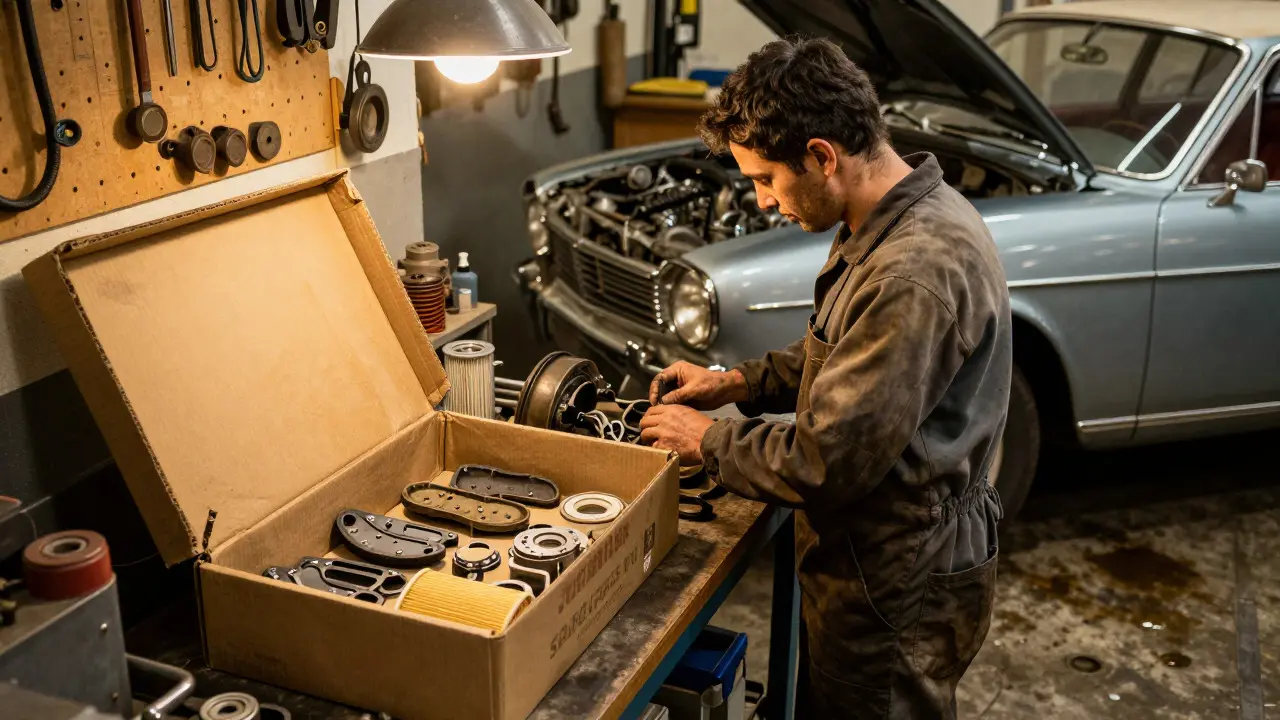
Getting the right part to the right place was the biggest headache for any auto manufacturer. In the 1950s, shipping a single component across the Atlantic could take weeks. To solve this, British firms pioneered the concept of the "spare parts kit." Rather than shipping individual bolts and nuts, they packed frequently replaced items into pre-assembled boxes. If a brake shoe wore out, the dealer ordered a whole box of shoes, pads, and hardware. This reduced administrative errors and sped up repairs significantly.
Furthermore, manufacturers began using air freight for critical components. While expensive, it was worth it for high-margin vehicles like Triumph sports cars. A stalled engine meant an angry customer and a lost sale. By prioritizing speed over cost for essential parts, British brands maintained a competitive edge. They also introduced color-coded part numbers, making it easier for non-specialist mechanics to identify and order correct replacements. This standardization was crucial for maintaining quality control across diverse international workshops.
Training the Workforce: Beyond the Wrench
You can have the best parts in the world, but if the mechanic doesn't know how to install them correctly, the car will break again. British automakers understood this early on. They established technical training centers in key export hubs. In Melbourne, for example, Morris and Austin combined under BMC to run workshops that taught local technicians the specific quirks of British engineering. These weren't just classroom sessions; they involved hands-on disassembly and reassembly of actual vehicles.
These programs also served a diplomatic function. By investing in local skills, British companies built goodwill. Mechanics who felt valued and skilled were more likely to recommend British cars to friends and family. This grassroots marketing was far more effective than newspaper ads. It created a community of enthusiasts who took pride in maintaining these complex machines. The knowledge transfer ensured that even when factory support waned years later, the cars remained repairable because the expertise stayed local.

Challenges and Setbacks: When the System Failed
It wasn't all smooth sailing. Currency fluctuations in the late 1950s and early 1960s made importing parts prohibitively expensive for some dealers. In countries with strict import quotas, getting spare parts could be a bureaucratic nightmare. Owners sometimes waited months for a simple ignition switch. During these times, the relationship between the manufacturer and the dealer strained. Dealers blamed the factory for poor supply chains, while the factory blamed local politics.
Quality inconsistencies also posed a threat. As production volumes increased to meet demand, quality control slipped in some batches. A faulty transmission in a batch of 500 cars shipped to Brazil could ruin the brand's image in that entire region. Recall programs were rare and poorly organized compared to modern standards. Often, the fix was ad-hoc, relying on the ingenuity of the local dealer rather than a coordinated corporate response. These failures taught the industry hard lessons about the importance of consistent global standards.
The Legacy: Foundations for Modern Global Auto
The systems developed by British automakers in the 1950s laid the groundwork for the global automotive industry we see today. The idea of a centralized parts database, regional distribution hubs, and standardized training curricula are now standard practice for every major manufacturer, from Toyota to Tesla. What started as a necessity for survival in a competitive postwar market evolved into a sophisticated global supply chain.
For owners of classic British cars today, this history is still relevant. The availability of genuine parts often depends on the legacy of these old networks. Many original dealerships have closed, but the parts archives they maintained are now digitized and shared through enthusiast communities. Understanding how these systems worked helps us appreciate the complexity behind keeping a vintage car on the road. It reminds us that a car is never just a machine; it's a product of human relationships, logistical planning, and historical context.
Why did British automakers focus so much on spare parts logistics?
Because their primary markets were overseas, where customers couldn't easily return to the factory. Fast and reliable access to parts was essential to maintain brand reputation and ensure customer satisfaction in distant locations like Australia and North America.
What was a 'spare parts kit' in the 1950s?
A pre-packaged box containing commonly replaced components, such as brake shoes, pads, and hardware. This method reduced ordering errors and sped up repairs by allowing mechanics to replace entire assemblies rather than sourcing individual small parts.
How did British manufacturers train overseas mechanics?
They established technical training centers in key export hubs, offering hands-on workshops where local technicians learned the specific engineering quirks of British vehicles. This helped build local expertise and fostered brand loyalty among service professionals.
Did all British car brands use the same distribution strategy?
No. Strategies varied by brand and market. Luxury brands like Jaguar used exclusive dealerships, while mass-market brands like Austin and Morris used a mix of direct franchises and local agents to maximize reach and efficiency.
What impact did currency fluctuations have on car ownership?
Currency swings made imported spare parts more expensive, sometimes causing delays of months for simple repairs. This strained relationships between manufacturers and dealers and occasionally led to temporary shortages of critical components.