How Britain Sustains Automotive Mastery: Education, Apprenticeships, and the Enduring Influence of Craft
 May, 17 2026
When you think of British cars, images of roaring engines from Le Mans or sleek designs from Goodwood often come to mind. But behind every iconic vehicle is a system that keeps those skills alive. It isn't just about factories; it is about how Britain teaches its next generation of engineers and technicians. The question is simple but vital: how does a nation sustain automotive mastery in an age of electric vehicles and software-defined mobility?
The answer lies in a blend of deep-rooted tradition and modern adaptation. Britain’s approach combines rigorous formal education with hands-on apprenticeships. This dual path ensures that while technology changes, the core values of precision, innovation, and craftsmanship remain intact. Let’s look at how this system works today.
The Foundation: Formal Engineering Education
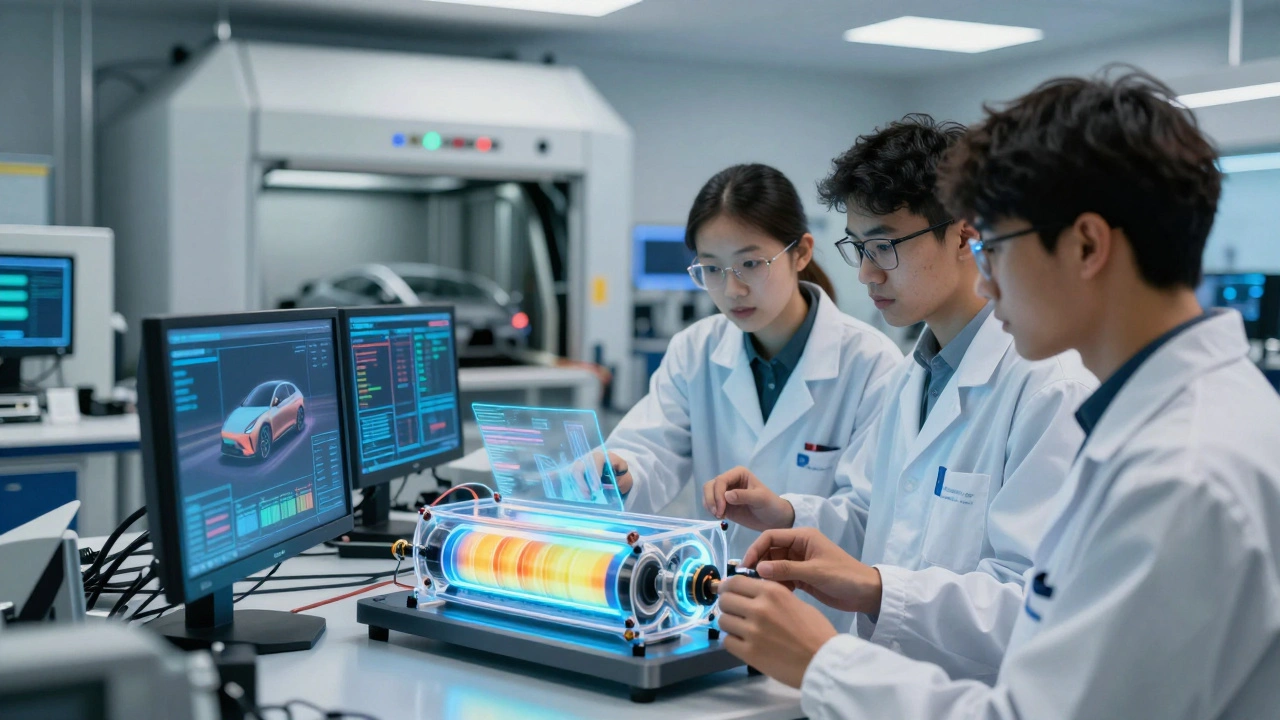
At the top level, British universities play a massive role. Institutions like Imperial College London and University of Birmingham don’t just teach theory. They partner directly with industry leaders. Students work on real projects involving aerodynamics, materials science, and powertrain efficiency.
This isn’t abstract learning. For example, students might analyze data from Formula E races or prototype battery cooling systems for future EVs. The curriculum focuses on solving actual problems. This creates engineers who understand both the physics of motion and the constraints of manufacturing.
Key attributes of this educational model include:
- Industry Partnerships: Direct links with companies like Jaguar Land Rover and McLaren.
- Research Focus: Emphasis on lightweight materials and sustainable energy sources.
- Practical Application: Labs equipped with wind tunnels and dynamometers for real-world testing.
The Hands-On Path: Modern Apprenticeships
While universities produce design engineers, apprenticeships build the skilled workforce that builds and maintains these vehicles. In Britain, an apprenticeship is not a second-choice option. It is a respected career path that combines paid work with part-time study.
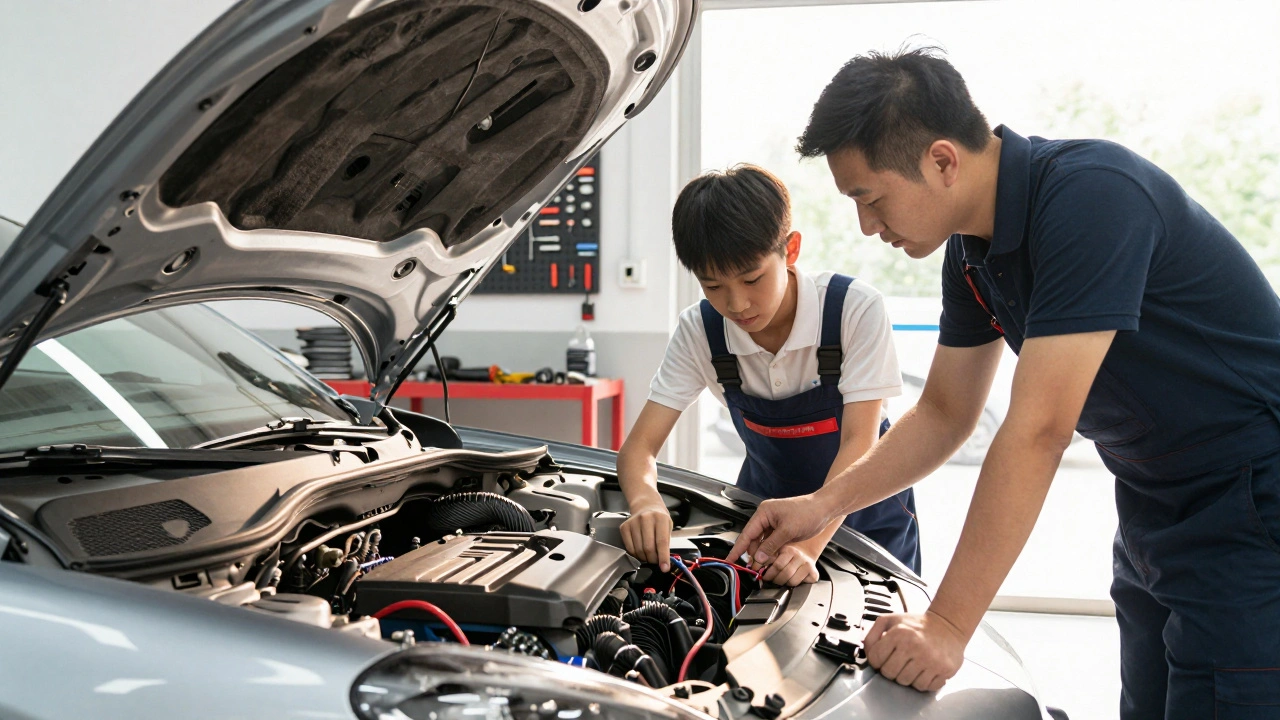
A typical Level 3 or Level 4 automotive apprenticeship lasts three to four years. During this time, apprentices spend most of their week working in a garage or factory. They learn diagnostics, electrical systems, and mechanical repair under the guidance of experienced mentors. On their days off, they attend college to gain theoretical knowledge.
This model solves a critical problem: the skills gap. As older mechanics retire, new talent needs to step up. Apprenticeships ensure that practical know-how is passed down. An apprentice learns not just how to fix a car, but why certain repairs matter for safety and performance.
| Path | Duration | Focus Area | Outcome |
|---|---|---|---|
| University Degree | 3-4 Years | Design, R&D, Systems Engineering | Engineering Roles, Management |
| Apprenticeship (Level 3/4) | 3-4 Years | Maintenance, Diagnostics, Assembly | Skilled Technician, Specialist |
| HNC/HND Qualification | 2 Years | Technical Theory + Practice | Junior Engineer, Supervisor |
Heritage Brands as Living Museums
Britain is home to some of the world’s most famous car brands. Companies like Aston Martin, McLaren, and Bentley are more than manufacturers. They act as centers of excellence. These brands invest heavily in training because their reputation depends on quality.
For instance, Aston Martin has its own technical academy. Here, craftsmen learn hand-stitching leather seats or polishing carbon fiber components. These skills cannot be automated easily. They require human touch and judgment. By keeping these traditions alive, heritage brands maintain their unique value proposition in a global market dominated by mass production.
This focus on craft also attracts talent. Young people want to work where they can see the impact of their labor. Building a limited-edition sports car offers a sense of pride that assembling thousands of identical units might not provide.
Adapting to Electric Vehicles
The biggest challenge facing British automotive education is the shift to electric vehicles (EVs). Internal combustion engines are complex, but EVs introduce high-voltage systems and software integration. Educators must update curricula quickly.
Colleges now offer specialized modules on battery chemistry and thermal management. Apprentices learn safe handling procedures for high-voltage cables. There is a strong emphasis on cybersecurity too, as modern cars are essentially computers on wheels.
Government initiatives support this transition. Programs funded by the Department for Business and Trade help retrain workers. The goal is to ensure that the workforce remains relevant regardless of the power source. Whether a car runs on petrol or electricity, the principles of reliability and performance still apply.

The Role of Motorsport
You cannot talk about British automotive mastery without mentioning motorsport. Teams like Mercedes-AMG Petronas F1 Team (based in Brackley) and Red Bull Racing (based in Milton Keynes) operate at the cutting edge. They push boundaries in aerodynamics and materials science.
These teams hire graduates and apprentices alike. Working in Formula 1 provides unparalleled experience. Engineers learn to solve problems under extreme pressure. Technicians develop lightning-fast diagnostic skills. This environment breeds innovation that trickles down to road cars.
Motorsport also serves as a recruitment tool. Success on track raises the profile of British engineering. It inspires young people to pursue careers in STEM fields. The visibility of British teams helps attract international talent to the UK.
Challenges and Future Outlook
Despite its strengths, the system faces hurdles. Brexit has complicated access to EU funding and talent pools. Competition from other countries for skilled engineers is fierce. Additionally, there is a perception issue among some young people who view manual trades as less prestigious than office jobs.
To address this, industry bodies promote campaigns highlighting the rewards of technical careers. Salaries for skilled technicians have risen significantly due to demand. Career progression paths are clearer than ever. Many start as apprentices and rise to become master technicians or workshop managers.
Looking ahead, sustainability will drive further changes. Education will focus increasingly on circular economy principles-designing cars for disassembly and recycling. Materials science will prioritize low-carbon options. The enduring influence of British automotive mastery will depend on its ability to adapt while staying true to its roots.
What is the best way to enter the UK automotive industry?
The best path depends on your interests. If you enjoy design and theory, a university degree in automotive engineering is ideal. If you prefer hands-on work, an apprenticeship offers paid training and valuable experience. Both routes lead to successful careers.
Are apprenticeships only for mechanical repairs?
No. Modern apprenticeships cover a wide range of skills including electrical systems, software diagnostics, and even business management within automotive contexts. As vehicles become more complex, the scope of apprenticeships expands accordingly.
How do heritage brands stay competitive?
Heritage brands leverage their history and craftsmanship. They focus on luxury, exclusivity, and bespoke services. By investing in specialized training for artisans, they maintain quality levels that mass producers cannot match.
Is the UK losing its automotive edge?
Not necessarily. While challenges exist, the UK remains a leader in high-performance vehicles and advanced engineering. Strong educational institutions and a vibrant motorsport scene continue to drive innovation and attract talent globally.
What skills are most in demand right now?
Skills related to electric vehicle technology, such as high-voltage safety and battery management, are highly sought after. Software proficiency and data analysis capabilities are also increasingly important as cars become more connected.