How American GM Design Shaped British Family Cars: A History
 May, 24 2026
Picture this: It’s the late 1960s. You’re driving a car in Britain that looks distinctly European, yet under the hood and in the styling cues, you feel something familiar from across the Atlantic. This wasn’t an accident. It was a calculated move by one of the world’s largest automakers to blend American muscle with British practicality. The story of how General Motors (GM) reshaped the British family car market is a tale of corporate strategy, cultural clash, and eventual harmony.
For decades, British motoring culture was defined by small, boxy, often quirky vehicles built for narrow streets and tight parking spaces. But as post-war prosperity grew, so did the appetite for more comfortable, spacious, and stylish family transport. Enter General Motors, which had owned Vauxhall, the UK's largest car manufacturer since 1925. While Vauxhall initially operated with significant autonomy, the 1960s marked a turning point where American design philosophies began to permeate British showrooms.
The Early Influence: Chrome, Curves, and Comfort
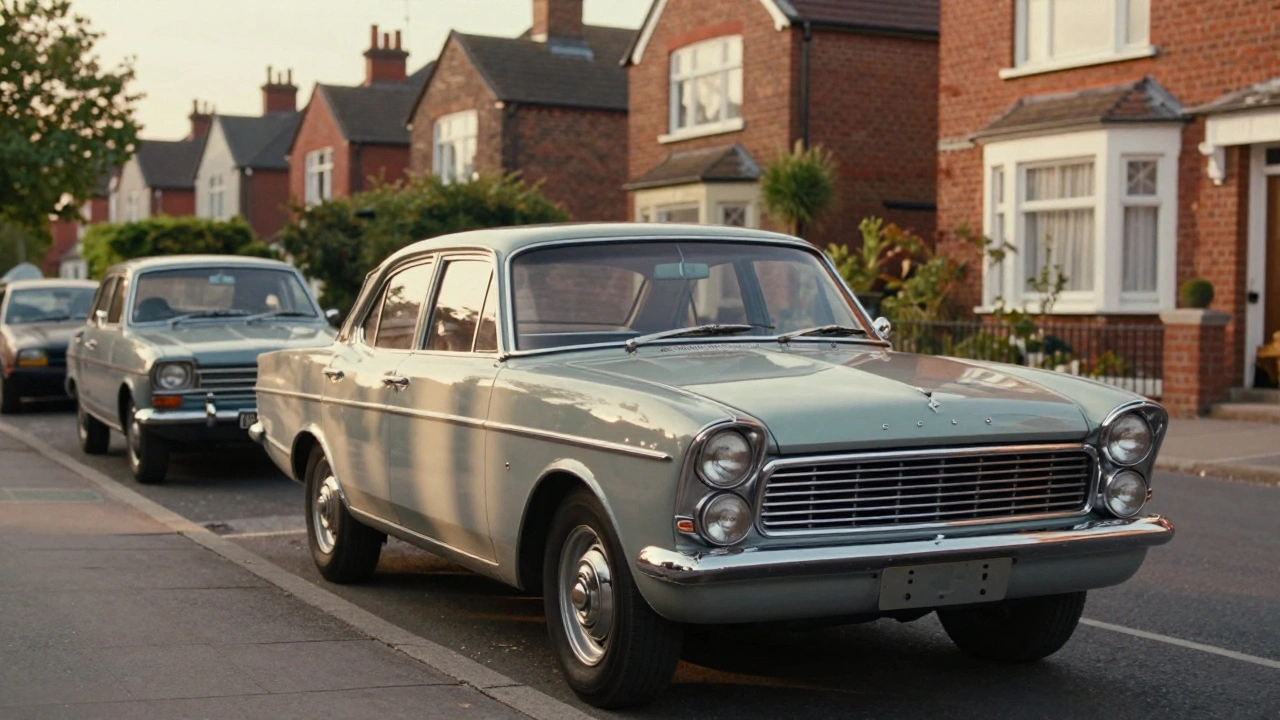
In the early days of GM’s ownership, Vauxhall cars looked very much like their British competitors. However, subtle changes were underway. The introduction of the Vauxhall Velox, a large family sedan launched in 1958 signaled a shift. Unlike the utilitarian offerings from rivals like Austin or Morris, the Velox featured smoother lines, more interior space, and a focus on comfort that echoed American sedans.
This wasn’t just about aesthetics. American design emphasized "planned obsolescence"-a concept where cars were updated frequently to keep buyers coming back. British manufacturers traditionally prioritized durability over style. GM introduced a new mindset: cars should be desirable, not just functional. This led to the adoption of more chrome trim, softer body curves, and richer interior materials. For British families, this meant a car that felt less like a tool and more like a lifestyle statement.
Consider the Vauxhall Victor, a mid-size family car produced from 1957 to 1980. In its later iterations, particularly the FE series, it adopted a unibody construction and a more integrated look that moved away from the separate chassis designs common in Britain. This engineering approach, heavily influenced by American manufacturing efficiency, allowed for better handling and safety, key selling points for growing families.
The Opel Connection: European Bridge, American Roots
To understand the full picture, we must look beyond direct American imports. GM’s European arm, Opel, German subsidiary of General Motors, played a crucial role. Opel acted as a bridge, translating American design principles into a European context. Many Vauxhall models were essentially rebadged Opels, but with tweaks to suit British tastes.
The Vauxhall Cavalier, compact executive car based on the Opel Ascona is a prime example. Launched in 1975, it brought a sleeker, more aerodynamic profile to the British market. Its design language, characterized by sharp creases and a cohesive front-end appearance, was a departure from the fragmented styling of many British cars at the time. This "European-American" hybrid approach resonated with consumers who wanted modernity without sacrificing practicality.
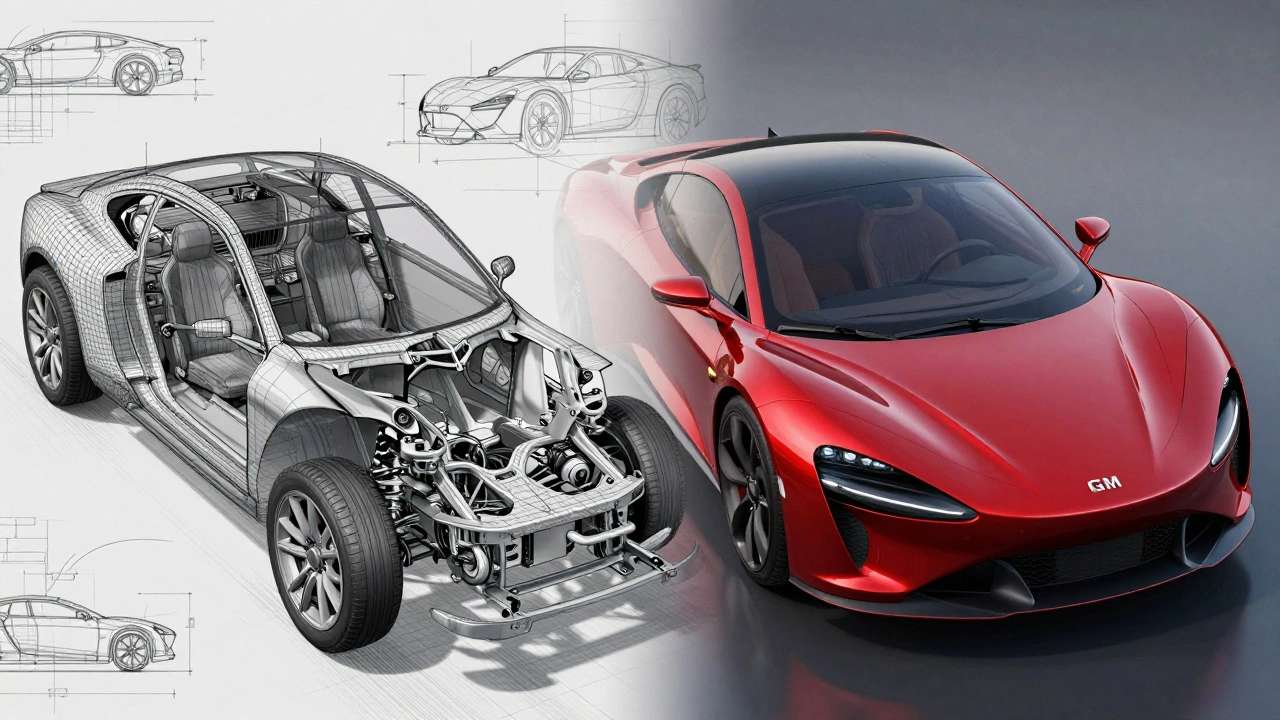
| Feature | Traditional British Design | GM-Influenced Design |
|---|---|---|
| Body Shape | Boxy, angular, separate chassis | Curved, integrated unibody, aerodynamic |
| Interior Focus | Utilitarian, hard plastics, basic controls | Comfort-oriented, softer materials, ergonomic layout |
| Styling Cues | Minimal chrome, functional details | Prominent grilles, chrome accents, bold tail lights |
| Update Cycle | Long model runs, minor facelifts | Frequent updates, distinct generations |
The Rise of the Estate: Practicality Meets Style
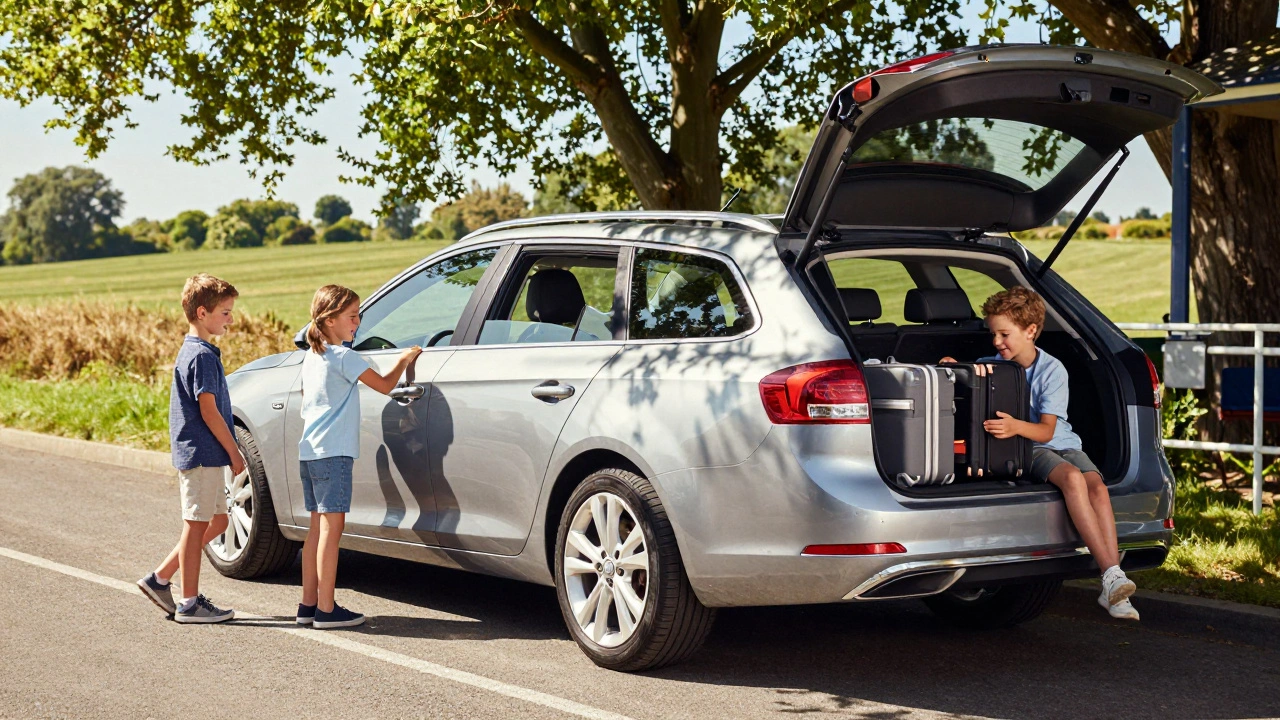
One area where GM’s influence was particularly profound was in the estate (station wagon) segment. British estates were often afterthoughts, poorly designed conversions of saloon bodies. GM, leveraging its experience with American wagons, elevated the estate to a desirable family vehicle.
The Vauxhall Carlton Estate, luxury estate version of the Carlton sedan offered a level of refinement and space that was rare in Britain. Its clean lines and ample cargo capacity appealed to families who needed utility without compromising on prestige. This shift helped normalize the estate as a mainstream choice, rather than a niche product for farmers or tradespeople.
Moreover, GM’s emphasis on rear-seat comfort transformed the family car experience. American designers understood the importance of legroom and headroom for passengers. When these principles were applied to British-sized cars, the result was a more accommodating environment for children and adults alike. Features like reclining rear seats and improved climate control became standard expectations, raising the bar for all manufacturers.
Cultural Resistance and Adaptation
Not everyone embraced the American influence immediately. There was a strong sense of national pride in British motoring, with enthusiasts arguing that traditional designs were superior in character and reliability. Critics pointed out that some GM-influenced models suffered from quality issues, a problem exacerbated by labor disputes and outdated production facilities.
However, consumer behavior told a different story. Sales figures showed that families were increasingly drawn to the perceived modernity and comfort of Vauxhall cars. The brand’s ability to balance American-inspired design with local manufacturing helped it maintain a dominant market share. Over time, the distinction between "American" and "British" design blurred, creating a unique hybrid identity.
This adaptation wasn’t just cosmetic. It involved changes in marketing, dealership experiences, and even financing options. GM introduced more aggressive advertising campaigns that highlighted lifestyle benefits, mirroring strategies used in the US. This holistic approach reinforced the idea that buying a Vauxhall was investing in a better way of life, not just purchasing transportation.
Legacy in Modern Family Cars
Today, the echoes of GM’s design influence can still be seen in contemporary British family cars. Even after GM sold Vauxhall to PSA Peugeot Citroën (now Stellantis), the legacy remains. The emphasis on balanced proportions, user-friendly interiors, and regular design refreshes continues to define the segment.
Modern vehicles like the Vauxhall Astra, compact car currently in its seventh generation carry forward the tradition of combining European efficiency with American-inspired spaciousness. The focus on digital interfaces and connectivity also reflects a broader trend initiated by global automakers, including GM, to integrate technology seamlessly into the driving experience.
Furthermore, the concept of the "family car" itself has evolved due to these historical shifts. It’s no longer just about fitting four people; it’s about providing a safe, comfortable, and connected environment for the whole household. This evolution owes much to the foundational changes introduced during the era of GM’s dominance in Britain.
When did GM start influencing British car design?
General Motors acquired Vauxhall in 1925, but significant design influence began in the late 1950s and accelerated through the 1960s with models like the Velox and Victor. This period saw the introduction of American styling cues such as chrome trim and more spacious interiors.
Which Vauxhall models best exemplify American design influence?
The Vauxhall Velox, Victor FE, and Cavalier are notable examples. These cars featured smoother body lines, integrated construction, and comfort-focused interiors that mirrored trends in American sedans while adapting to European dimensions.
Did British consumers accept American-style designs?
Initially, there was some resistance due to national pride and concerns about quality. However, sales data indicates that families increasingly preferred the comfort, space, and modern aesthetics offered by GM-influenced models, leading to widespread acceptance.
How did Opel contribute to this design shift?
Opel served as a bridge between American and European markets. Many Vauxhall models were rebadged Opels, allowing GM to apply American design principles in a format already suited to European roads and regulations, facilitating easier adoption by British consumers.
Is the American influence still visible in today's British cars?
Yes, the legacy persists in the emphasis on interior comfort, regular design updates, and the integration of technology. While GM no longer owns Vauxhall, the standards set during its tenure continue to shape expectations for family cars in the UK.