Historic Motorsport Today: Preserving British Racing Heritage on Track
 Apr, 9 2026
The Heartbeat of the Vintage Circuit
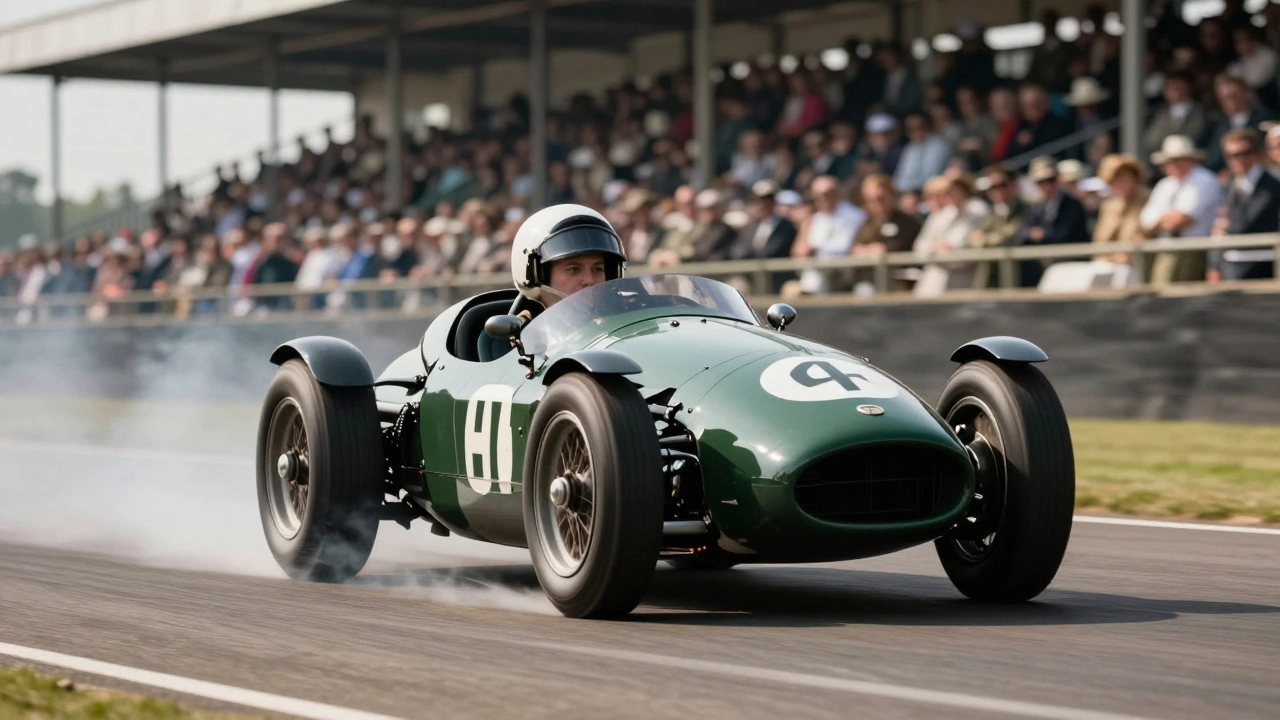
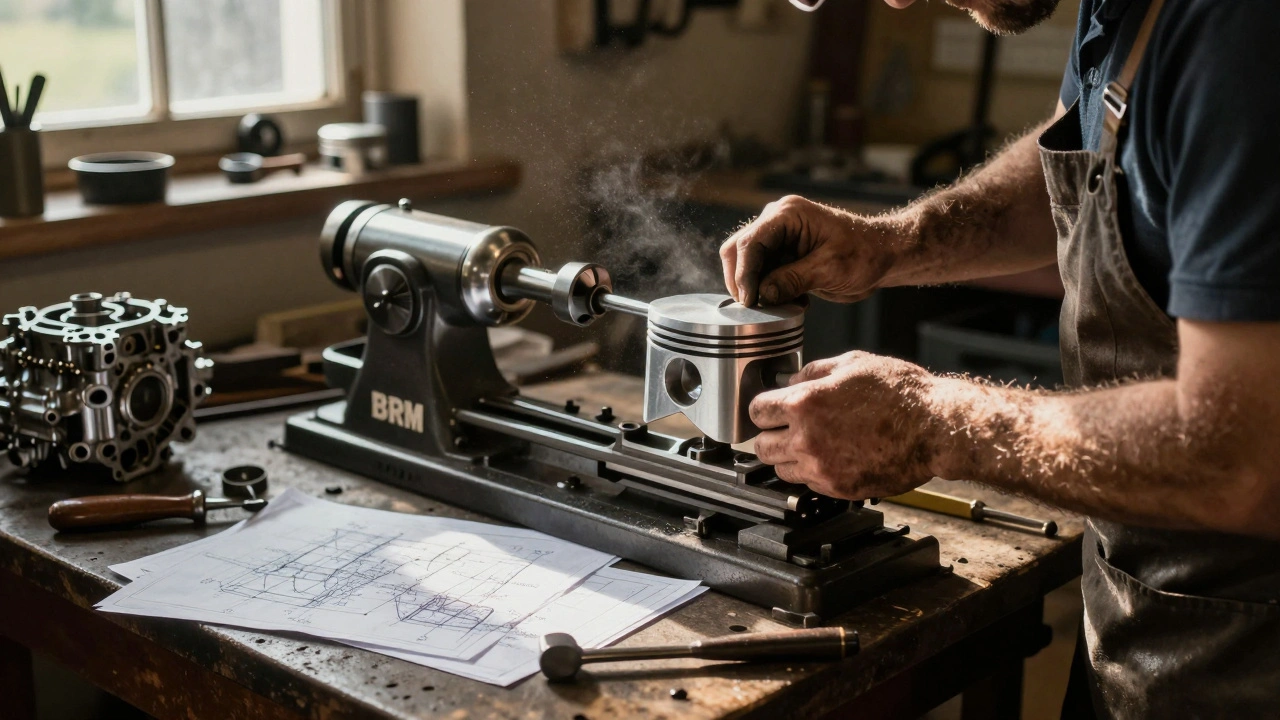
Keeping a historic car on track is a constant battle against physics and time. Unlike modern racing, where sensors tell you everything, historic motorsport relies on a driver's feel and a mechanic's intuition. Historic Motorsport is a specialized branch of racing that focuses on the preservation and competitive use of vehicles from specific eras, typically pre-1980. It's not just about nostalgia; it's about maintaining a technical lineage. To keep these cars running, teams often rely on a mix of original blueprints and a bit of guesswork. When you're working on a 1960s BRM (British Racing Motors) engine, you aren't ordering parts from a catalog. You're likely machining a new piston from a block of aluminum or sourcing a rare gasket from a specialist in a small workshop in the English Midlands. This ecosystem of artisan engineers is what prevents these cars from becoming static sculptures.Where Heritage Meets the Tarmac
There are a few places where this heritage truly comes alive. The Goodwood Revival is perhaps the gold standard. It isn't just a race; it's a time capsule. To compete here, cars must be period-correct, and the atmosphere is strictly curated to feel like the autumn of 1960. When a Jaguar D-Type thunders past, you're seeing a machine that was designed to conquer Le Mans, now operating in its natural habitat. But it's not all glamour and tweed. The actual act of racing a vintage car is terrifying compared to modern standards. There are no carbon-fiber survival cells or automatic fire extinguishers. You have a thin aluminum skin between you and the track, and the brakes-often large drums-require a lot of faith and a very long distance to stop. This high-stakes environment is why a small circle of dedicated drivers continue to push these cars to their limits.| Era | Key British Entities | Primary Tech Focus | Driving Characteristic |
|---|---|---|---|
| Post-War (1945-1959) | Aston Martin, Jaguar | Large displacement, Aerodynamics | Heavy steering, massive torque |
| The Revolution (1960-1969) | Lotus, Cooper | Mid-engine layout, Light weight | Nimble, twitchy, high cornering speed |
| The Pro Era (1970-1979) | McLaren, Williams | Ground effects, Early Turbocharging | High downforce, aggressive braking |
The Art of the Period-Correct Restoration
Restoring a car for a collection is one thing; restoring it for a grid start is another. A "concours" restoration focuses on aesthetics-perfect paint and polished chrome. A "racing" restoration focuses on reliability and performance. You can't just put a modern engine in a Cooper chassis and call it heritage; that's a kit car. True heritage racing requires staying within the technical constraints of the era. Mechanics often use a process called "reverse engineering" to recreate parts that no longer exist. For instance, if a specific gear in a Cosworth DFV engine fails, the team must use 3D scanning and CNC machining to create a part that matches the original specifications exactly. This ensures that the car remains eligible for historic classes, which are governed by strict technical inspectors who check everything from the valve timing to the type of fuel used.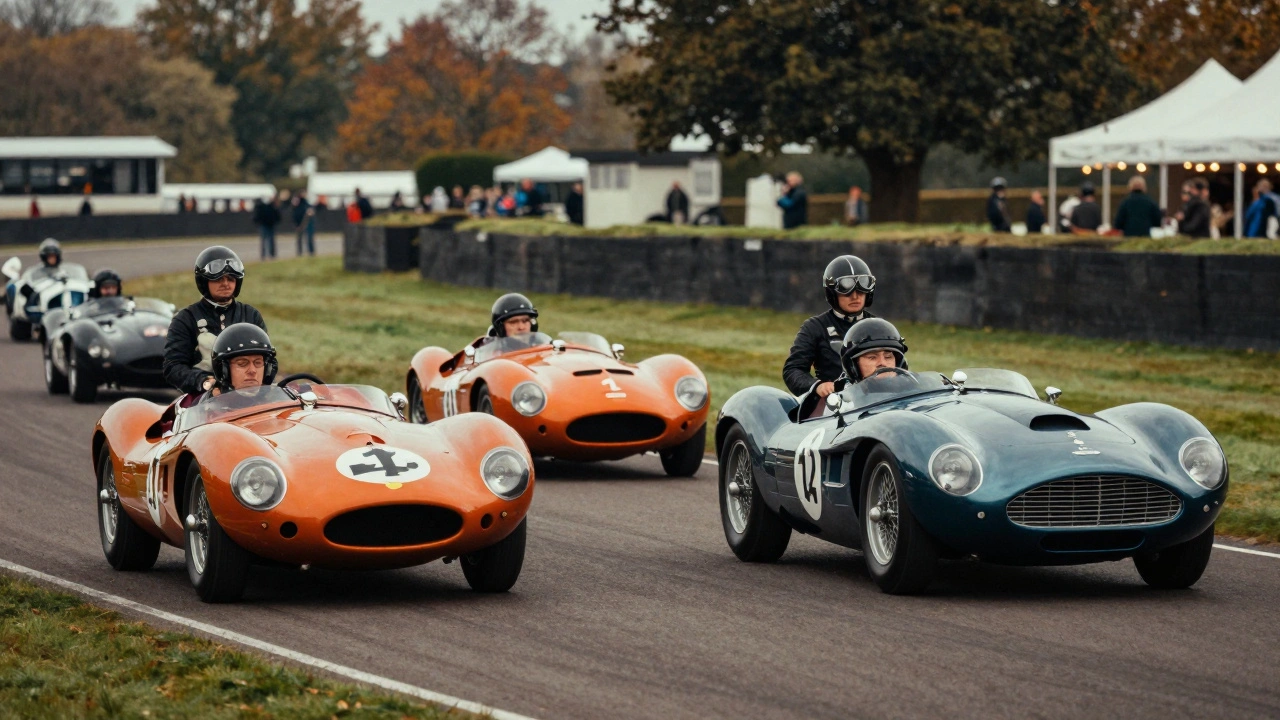
Managing Risk and Maintaining Value
One of the biggest dilemmas for owners is the risk of a "DNF" (Did Not Finish) caused by a crash. When you're driving a car worth several million dollars, every corner is a gamble. This has led to a rise in specialized insurance and the use of "sacrificial" parts. Teams will often use a slightly less precious set of body panels during practice sessions to avoid scratching the primary set used for the main event. Furthermore, the shift toward sustainable fuels is creating a new challenge. Historic engines were designed for high-lead gasoline, which isn't available at the pump anymore. The industry is moving toward synthetic "drop-in" fuels that mimic the combustion properties of 1950s petrol without the toxic lead emissions. This allows the cars to sound and perform as they did 70 years ago while being slightly kinder to the environment.The Future of the British Racing Spirit
Is the era of the internal combustion racing car ending? In the mainstream, perhaps. But in the historic world, these cars are treated as cultural artifacts. The value of British Racing Green-the iconic color that defined a nation's sporting identity-is higher than ever. We are seeing a trend where younger collectors are moving away from "investment grade' cars that stay in garages and toward "driver's cars" that actually see track time. The survival of this heritage depends on the transmission of knowledge. The old-school engineers who remember how to tune a carburetor by ear are retiring. To counter this, many historic racing clubs are starting apprenticeship programs, teaching new mechanics the lost art of analog engineering. This ensures that the roar of a Aston Martin DBR1 won't just be a recording in a museum, but a living sound on the track.What makes a car "period-correct" for historic racing?
A car is period-correct when its components-engine, gearbox, suspension, and bodywork-match the specifications it had during the year it was originally raced. This means no modern electronic ignitions or carbon-fiber parts if the car was built in 1955. Inspectors check the chassis number and engine specs to ensure the car hasn't been illegally modified for a performance advantage.
Why is British Racing Green so important?
British Racing Green was the internationally recognized color for British cars in early motorsport. Since each country had its own assigned color (Italy had red, France had blue), the green became a symbol of national pride and a shorthand for the dominance of British marques like Bentley and Jaguar in the early 20th century.
Is it dangerous to race vintage cars today?
It is inherently riskier than modern racing because these cars lack modern safety features like halo bars or sophisticated crumple zones. However, historic circuits like Goodwood have upgraded their track safety, and drivers use modern helmets and fire-retardant suits to mitigate the risks while keeping the car's original character.
How are parts sourced for cars that are no longer produced?
Parts are sourced through three main channels: original "new old stock" (NOS) found in old warehouses, specialized artisan workshops that can machine parts from original drawings, and high-end 3D printing for non-structural components. The goal is always to maintain a level of authenticity that would satisfy a technical steward.
Can anyone enter a historic racing event?
Not exactly. Most prestigious events require an invitation or a rigorous application process. You need to prove the provenance of your vehicle and demonstrate a level of driving competence. Events like the Goodwood Revival are highly selective to ensure the grid is both visually authentic and safe.